
Reviewed · MORNING
Two days of Full Day Tour of Rapa Nui + Sunrise in Tongariki
What makes this Rapa Nui experience so interesting is the way it strings together the island’s big archaeological moments into two full days, then adds the high drama of Tongariki at sunrise. I like that the guiding changes day to day, so you may hear different angles and local storytelling from people like Esteban and Nero (and sometimes others on different departures).
I really love how you get an organized sweep of signature moai locations without spending your trip figuring out where to go next. I also love the human touch: the guides don’t just recite facts, they explain why these places matter, and they help you see things you would otherwise miss, especially when it comes to the moai backstory and the island’s legends.
One possible drawback is that this is still a group tour with a packed schedule, so some stops can feel a bit rushed, and Anakena beach time is more about cultural context than relaxing like it is your only day off. If you want slow looking, fewer people in your photos, and extra time at the sand, you may prefer a private tour.
Key things I’d circle before you book
- Max 16 people means you can actually hear your guide and move without feeling like you’re in a moving crowd.
- Two long highlight days give you strong coverage across Rapa Nui’s most famous platforms, quarries, and ceremonial sites.
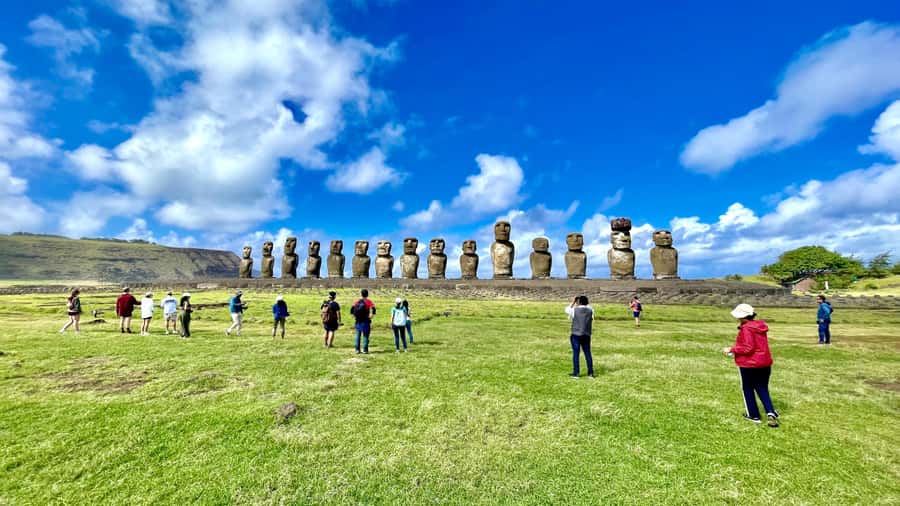
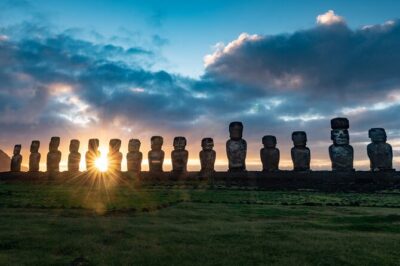
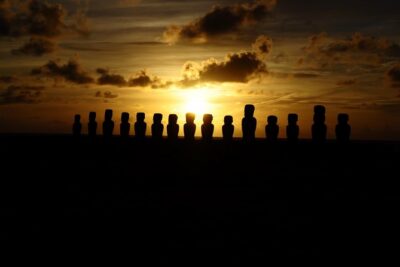
- Tongariki sunrise is the wow factor, with the 15 moai framing the ocean just as the sun clears the horizon.
- National park tickets are on you, so budget for the official Rapa Nui park fee before day 1.
- Food is not included, but you’ll have cash purchase points at select stops.
- Moderate walking is part of the deal, with uneven ground and steps at multiple sites.
Why This Rapa Nui Route Feels Like the Smart Use of Limited Time
Rapa Nui (Easter Island) is not a place where you can easily “wing it” efficiently, because many of the best sites are scattered and the details matter. This tour is designed for a simple goal: get you to the big archaeological hits, explain them in a way you can actually remember, and give you one unforgettable sunrise moment to end on.
The price feels reasonable when you remember what’s included: full‑day guided touring with transportation, plus full information the night before by WhatsApp. You’re not just buying a seat on a bus, you’re buying time, context, and help decoding what you’re looking at.
The group size cap of 16 also matters. In a place where photo lines and crowding are real, smaller groups help you get better moments, even if you still won’t have every site to yourself.
A few more Easter Island departures to weigh up
- Two days of Full Day Tour of Rapa Nui + Sunrise in Tongariki
★ 4.8 · 55 reviews - Sunrise Tongariki: Sunrise at Tongariki Park Private Tour
★ 4.5 · 47 reviews - Sunrise Tongariki
★ 4.5 · 42 reviews
Day 1: A Full Moai Circuit from the Magnetic Stone to Anakena
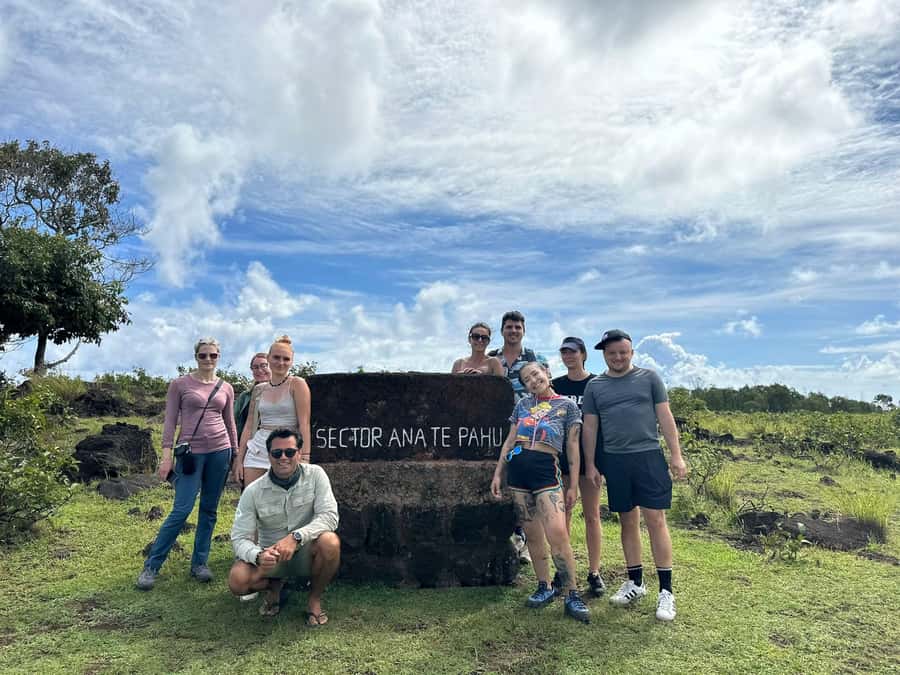
Day 1 is packed, but it’s packed in a good way: it moves you through a sequence of sites that build on each other, from quarry and carving culture to the built platforms that changed the island’s skyline.
Ahu Te Pito Kura, magnetic stone and the longest moai
You start at Ahu Te Pito Kura, known for the famed magnetic stone and the island’s longest moai. This is a short stop, but it sets the tone. It also helps you understand that Rapa Nui’s sites aren’t isolated tourist points, they connect to beliefs, identity, and status.
What to watch for: don’t just look at the moai face. Take a moment to notice how the platform sits within its setting, because that is part of the story your guide will tie into later.
Rano Raraku, the crater and moai workshop
Next comes Rano Raraku, the crater and moai factory area, famous for the hundreds of unfinished figures there. In plain terms, this stop helps you “see” the origin process, not just the finished monuments.
The main value here is perspective. When you compare unfinished pieces in the quarry zone to erected moai on platforms, the whole island feels like one huge workshop plus a city of stages.
Possible drawback: it can be a long day, and if weather turns, quarry paths can feel slower and more tiring than you expect.
The other half of a Easter Island week:
- From Hanga Roa: Rapa Nui Culture Sightseeing Tour
★ 4.6 · 307 reviews - From Hanga Roa: Easter Island Highlights 2-Day Tour
★ 4.3 · 205 reviews - From Hanga Roa: Easter Island Sightseeing Full Day Tour
★ 4.5 · 189 reviews - Full Day Tour in Rapa Nui
★ 4.5 · 122 reviews
Ahu Tongariki, 15 moai facing the ocean
Then you hit Ahu Tongariki, the largest platform in Polynesia, with 15 moai erected facing the ocean. Even if you already know Tongariki is a top site, it still hits differently in daylight because you can take in the scale of the ahu and the lineup.
This is also where you start to understand why the sunrise stop later in the trip is so special. You’re learning the layout once, so the next time your brain can lock onto the details faster.
Ahu Vaihu and the ancestral fishermen bay vibe
At Ahu Vaihu, you’ll see a platform with eight moai, plus a viewpoint tied to ancestral fishermen. This stop includes a representative sample called Poko Manu Mea, tied to Rapa Nui villages and customs.
This is one of those stops that feels “smaller” on the map but adds cultural texture. It’s a reminder that the moai world wasn’t only stone, it was daily life, work, and belief.
Ahu Akahanga, where a village once stood
Ahu Akahanga is next. You’ll see what was an older village near a small bay. It’s not just a platform photo stop, it’s a sense-of-place stop, because it connects moai monuments to where people actually lived and gathered.
If you’re the kind of traveler who likes the “before and after” of a place, this one tends to stick in your memory.
Ahu Nau Nau, seven moai set back from the beach
You’ll move to Ahu Nau Nau, with seven moai about 150 meters inland from Hanga Rau O te Ariki beach. This one gives you a different shoreline relationship than Tongariki.
Quick tip: at this point, your best photos usually happen when you slow down and let the guide explain where to stand. The angle can change everything.
Anakena Beach, Hanga Rau o Te Ariki and the Hotu Matua arrival story
You finish Day 1 at Anakena, also called Hanga Rau o Te Ariki, where the story of King Hotu Matua’s arrival is told. It’s a free stop, and it gives your legs a mental reset after platform after platform.
One thing to know: Anakena time is not always built for long lounging. It’s often more about cultural context and viewpoint than a beach day where you can vanish for hours.
Day 2: Orongo, Ahu Akivi, and the Caves of Ana Te Pahu
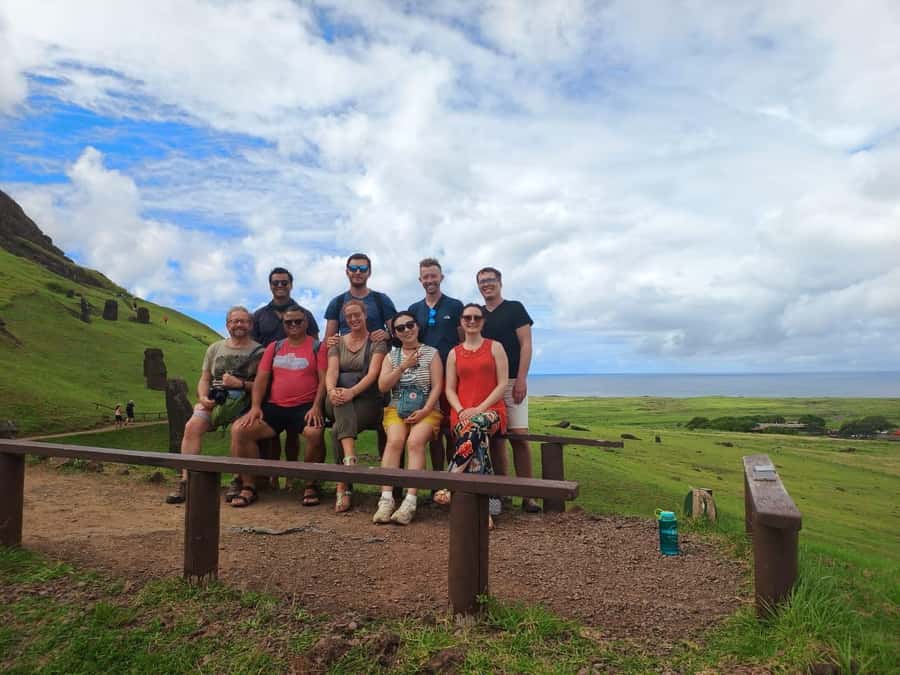
Day 2 keeps the momentum, but the mix shifts. You get more ceremonial sites, sea-facing symbolism, and then you go underground at Ana Te Pahu, which is the kind of experience that makes your brain feel like it’s switching worlds.
Orongo and Rano Kau, ceremonial village up high
You start at Orongo, an archaeological site and ceremonial village on top of Rano Kau. This is where Rapa Nui shows off its dramatic geography, because the location alone turns the site into a viewpoint.
You’ll get context on the ceremonies connected to this area, and the guide usually ties it into how island society organized beliefs around place.
Ahu Akivi, the seven moai facing the sea
Next is Ahu Akivi, one of the most meaningful “sea-facing” moai groupings because the seven moai are built to face the ocean. You’ll hear about the representation of the seven explorers.
This stop is short, but it matters. It’s an example of how builders didn’t treat monuments like random statues. Orientation was part of meaning.
Ana Te Pahu, caves including water, narrow access, funerary use
Then you’ll go to Ana Te Pahu, and this is a long, high-reward chunk of time. You’ll pass through caverns such as:
- Ana Vai Teka, with large amounts of water
- Ana Tapa Iri, a cave with very narrow access
- Ana Ohoka, a modified cave with funerary use
- Ana Te Pahu, the cavern of bananas and the largest, used as a refuge
Why this stop is so valuable: it shifts the story from stone monuments to human survival, rituals, and the island’s harsh realities. Even if you’re not a “caves person,” the scale and the variety of spaces tends to land.
Practical note: bring a mind-set for time. This is one of the places where the tour is longest, so plan your energy for it.
Ahu Vinapu, two ancestral platforms with construction details
You wrap with Ahu Vinapu, two ancestral platforms where you can spot construction details that catch your eye. This is a good final stop because it rewards careful looking.
It’s also a nice payoff after the previous day’s heavy sights. By the time you reach Vinapu, you can start seeing patterns in how stonework connects to purpose.
Tongariki Sunrise Day 3: The Ocean, the Stone Giants, and the Early Wake-Up
Day 3 is built around the sunrise experience at Ahu Tongariki. The idea is simple and powerful: you arrive early enough to catch the first rays over the sea, with the moai lined up like watchmen over the horizon.
Even with prior knowledge, sunrise changes the whole visual story. Shadows stretch differently, the ocean looks alive, and the moai silhouette feels more myth-like than it does under midday light.
What to expect in real life: the sunrise moment is the headline, and after it happens, the tour typically prioritizes getting everyone back to schedule. Some people love the efficiency, others wish they could linger longer once the sun is fully up. If you’re the type who wants extra quiet minutes after the horizon clears, consider that tradeoff when you book.
Weather is also a factor. Sunrise days can be spectacular or can be a bit less dramatic depending on cloud cover.
How the Guides Shape the Experience (Esteban, Nero, and the rest of the cast)
A good guide can make Rapa Nui feel like a conversation, not a checklist. This tour is praised for its guides, with people specifically calling out Esteban and Nero for clarity, enthusiasm, and storytelling that connects sites to culture, family ties, and legends.
What I like about this setup: you don’t rely on one voice for everything. Different guides across different days can mean fresh explanations, and you can catch details you might miss the first time.
Also, guides here tend to act like interpreters, not just drivers. They help you connect why each ahu is shaped and placed the way it is, and they often address misconceptions and myths in a practical way, so the information feels grounded.
What the Tour Pace Actually Means for Your Photos and Your Feet
This is a highlight tour with a lot of stops, and that has two consequences.
First, you get strong coverage. You’ll see the major sites without having to coordinate multiple guides, multiple entry decisions, and multiple transportation transfers on your own.
Second, the stops can feel timed. If you want long, slow looking or lots of empty-space photos, you might get annoyed. One common issue is that beaches and viewpoints may not get as much relaxed time as you’d hope, especially at Anakena.
For your feet: plan for uneven ground and steps. Even if you’re moderately fit, you should bring a steady walking pace, water, and shoes you trust.
A small group helps, but it doesn’t erase crowding. If you want maximum quiet, you’ll need private time outside the tour schedule.
Price, Park Fees, and the Real Cost of “All-In” Time
The tour price is $250 per person, for an experience around 3 days and a track record of being booked far in advance (often about 84 days out). On paper, that sounds like a lot.
Here’s how to judge the value the practical way: you’re paying for guided access to many major sites, plus transportation, plus organized timing so you hit places that are hard to string together efficiently. For Rapa Nui, saving the “logistics brain power” is a real form of value.
But do not forget the big missing piece: national park admission is not included. The tour asks you to buy the Rapa Nui National Park ticket in advance of Day 1. The fee is CLP 20,000 per person for Chileans and $80 per person for foreign nations. There are also site admission notes that say tickets are not included for the individual stops.
Food is also not included. You’ll have chances to buy food with cash at places like Anakena and Rano Raraku. That means you should budget for meals and bring some snacks if you like extra control over timing.
Practical Packing Tips That Match the Itinerary
This itinerary is a “walk, look, ride, repeat” setup. To keep it comfortable, I’d pack like this:
- Park ticket ready for Day 1. You must have it before the excursion starts, and it can be purchased in person at Ma’u Henua offices or through the provided national park ticket link.
- Cash for food. Food is not included, and buying points are described as cash only.
- Layers. Sunrise days can feel cold at first, and weather can shift quickly on the island.
- Water and a small snack plan. Even when food is available at stops, timing can vary.
- Good shoes. Uneven ground and steps are part of the story at multiple sites.
One more smart move: after you book, you get full information the day before by WhatsApp. Read it. Then re-check it the morning you go, so you know where you’re meeting and what to expect.
Should You Book This Rapa Nui Tour?
I think this tour is a strong choice if you want efficient coverage of Rapa Nui’s top sites, and you like learning from guides who connect the stone monuments to culture and legend. The combination of two full highlight days plus a Tongariki sunrise gives you both context and a memorable ending.
Book it if:
- You have limited time and want a structured plan
- You’re okay with a group pace
- You care about explanations, not just photos
- You want someone to handle routing and timing
Consider a different option if:
- You hate feeling rushed at beach stops or viewpoints
- You want hours at fewer sites
- You prefer a slower, private experience where you can linger after sunrise
If you’re aiming for a first solid foundation on Rapa Nui, this tour does a lot of heavy lifting for you, and that can free your remaining days for more personal exploration.
FAQ
How long is the tour?
The experience is listed as about 3 days.
What time does the tour start and where do we meet?
The tour starts at 9:30 am, and the meeting point is Ara Roa Rakei, Hanga Roa, Isla de Pascua, Chile. The activity ends back at the meeting point.
Is food included?
No. Food is not included, but you can buy it at points like Anakena and Rano Raraku with cash.
Are admission fees included for the national park or specific sites?
No. Admission to the Rapa Nui National Park is not included. The tour also notes that site admission tickets are not included for the listed stops.
How much is the national park admission fee?
The national park admission fee is CLP 20,000 per person for Chilean nationals, and $80 per person for foreign nationals.
When do I need to buy my national park ticket?
Before starting the first day of the excursion. You can purchase it in person at Ma’u Henua offices or using the provided link.
How big is the group?
The tour has a maximum of 16 travelers.
What kind of physical fitness level do I need?
The tour asks for a moderate physical fitness level.
How will I get my schedule and updates before the tour?
You receive full information the day before on WhatsApp.
Is sunrise dependent on weather?
The experience notes that the sunrise experience depends on weather conditions.
What is the cancellation policy?
You can cancel up to 3 days in advance of the experience for a full refund. If you cancel less than 3 full days before the start time, the amount paid will not be refunded.
More 2-Day Experiences in Easter Island
- 2-Day Private Tour Easter Island Highlights Complete Discovery
★ 5.0 · 110 reviews - 2 Days Highlights Tour in Easter Island Moai and Nature
★ 4.0 · 55 reviews - 2 Day Private Tour: Easter Island’s Cultural Heritage
★ 5.0 · 40 reviews - 2 Day Small Group Tour in Moai Monuments and Historic Pathways
★ 5.0 · 22 reviews
More Full-Day in Easter Island
- Private Tour: Full Day Easter Island Highlights
★ 5.0 · 106 reviews - Full day tour – DREAM
★ 5.0 · 86 reviews - Private Full-Day Easter Island Highlights North and West
★ 5.0 · 84 reviews - Full Day Private Tour: Factory of the Moai the stone giants
★ 4.5 · 63 reviews
Freshly reviewed in Easter Island
- Easter Island 2 Half Days and 2 Full Days Private Trekking Tour★ 5.0 · 3 reviews
- Astronomical Tour on Easter Island★ 3.5 · 3 reviews
- Full day Private Tour: Poike Walk through the abandoned area★ 4.5 · 3 reviews
- T1-THE GRAND TOUR (non-cruise visitors)★ 5.0 · 3 reviews
- Private Tour: Full-Day Easter Island Birdman Cult★ 5.0 · 3 reviews
- Moai Rise and Fall: Full Day Private Tour★ 5.0 · 3 reviews
- Rapa Nui Astrophotography and Stargazing Night Tour Combination★ 5.0 · 3 reviews
- 4-Day Easter Island Experience with Hotel, Tours & Dinner show★ 5.0 · 3 reviews
Morning, compared.
Atacama: San Pedro de Atacama Sunrise Hot Air Balloon Ride
Read our review →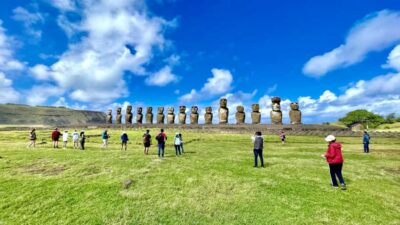
Two days of Full Day Tour of Rapa Nui + Sunrise in Tongariki
Read our review →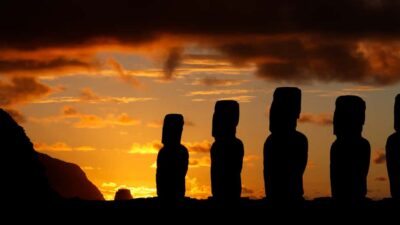
Sunrise Tongariki: Sunrise at Tongariki Park Private Tour
Read our review →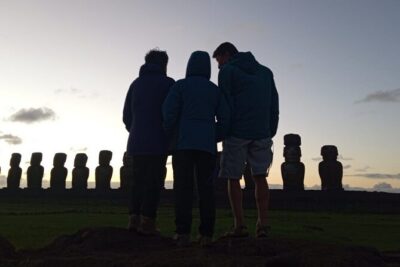
Browse the lists this tour appears in