
Reviewed · 2-DAY EXPERIENCES
From Hanga Roa: Easter Island Highlights 2-Day Tour
This experience is interesting because Easter Island is not a museum you stroll through. It is a working landscape of sacred sites, volcanic geology, and living Rapa Nui stories. In two days, you cover a serious chunk of the island with native expert guidance that connects the monuments to daily life and current beliefs.
I love that the guides explain both culture and the main moai theories in a clear, human way. Names you may meet include Jeremías, Javier’s Hucke, Enerike Hey, Roberto, and Zoe, and the common thread is pride in the island plus patience with questions. I also like the small-group feel, limited to 14 people, which helps when you’re stopping often for short explanations and photos.
The main drawback to plan for is time in the sun and the fact that not every stop includes a place to buy food. You’ll want snacks and sun protection, and remember that entrance fees are not included, so your final budget will be higher than the base price.
Key highlights that make this tour worth your time
- Small group up to 14 for a smoother pace and more chances to ask questions
- Pick up from your accommodation in a spacious minibus, so you spend less time figuring out logistics
- Personal lanterns for the caves at Ana Te Pahu, plus rain capes if the weather turns
- Full moai overview in two days, including Tongariki and Ahu Akivi, not just one “greatest hits” loop
- Rapa Nui voices on the mic, with guides like Enerike Hey and Zoe tying monuments to real culture
How this 2-day Easter Island plan gets you the most moai per hour
Easter Island, also called Rapa Nui, can feel spread out and slow if you try to wing it. Roads are limited, sights are separated by real distances, and many key areas are run like protected spaces where a guide really matters. This tour solves that by bundling a lot of the must-see sites into two well-driven days, with pickup and transport handled.
The value is not only the sights. It is the context. When your guide is a native Rapa Nui expert, you stop treating moai as random statues and start hearing how they fit into community memory, spiritual ideas, and everyday life. In reviews, guides are praised for explaining moai theories clearly, and for being patient when English and Spanish narration needs to stretch a little.
One thing I think you should keep in mind: this is a guided route, not a “do what you want” day. If you like stopping for long stretches to just wander, you may feel a bit on a schedule. That said, if it is your first visit, the structure is exactly why this works.
A few more Hanga Roa departures to weigh up
- From Hanga Roa: Rapa Nui Culture Sightseeing Tour
★ 4.6 · 307 reviews - Full Day Tour in Rapa Nui
★ 4.5 · 122 reviews - 2-Day Private Tour Easter Island Highlights Complete Discovery
★ 5.0 · 110 reviews
Day 1: The southern moai circuit, from Vaihu to Anakena
Day 1 focuses on the island’s south, starting with the coast where the ocean and history feel tied together. Expect a lot of outdoor time, with frequent stops for short explanations. It is a day for good walking shoes and a hat you actually like.
Vaihu and Akahanga, where toppled moai set the mood
You begin at Vaihu, a haunting coastal spot with moai that look out toward the Pacific. This is a good warm-up. You get your first sense of scale, plus the emotional contrast of seeing statues that are not all standing upright.
Next comes Akhahanga, known for toppled moai resting in a quieter, more broken-down way. The payoff here is interpretation. A strong guide will use these to explain that moai history is not just about placement. It is also about building, movement, collapse, and the island’s changing story over time.
Practical tip: the ground at these stops can be uneven. Take your time around photo spots so you do not end up doing an accidental comedy routine.
Rano Raraku, the moai quarry with a “how they made them” feel
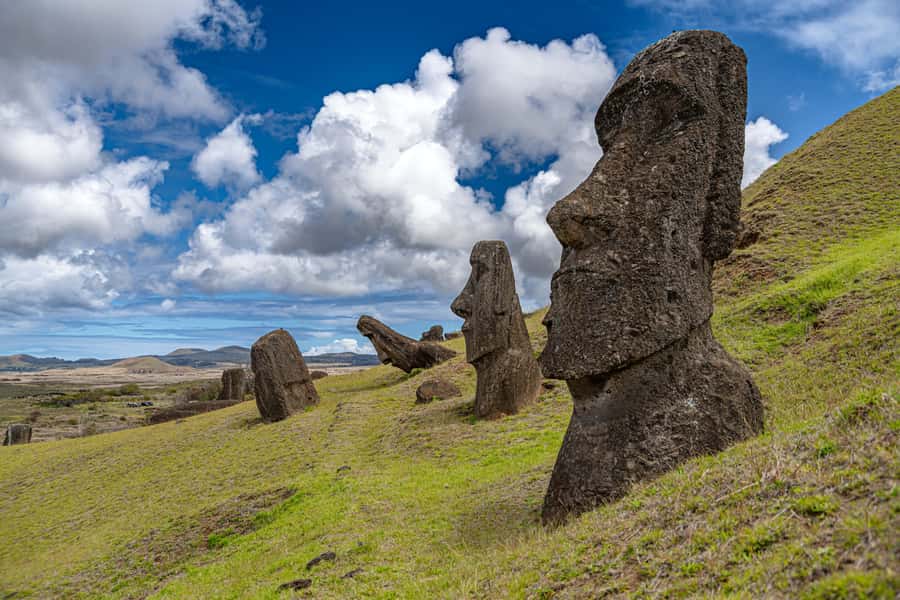
Then you head to Rano Raraku, a volcanic quarry area where the moai were carved. This is the place where your questions about process start to make sense. The big idea is not only that moai exist here. It is that the island itself shows you the workshop.
If you want a deeper understanding of how moai were created, this stop usually delivers. Guides often explain theories about carving style, transport legends, and why the quarry matters beyond archaeology.
One caution: this area can be sunny. Even if you feel fine in the morning, it can hit hard later. Bring sunscreen and drink water early, not when you suddenly feel thirsty.
The other half of a Hanga Roa week:
- Private Full-Day Easter Island Highlights North and West
★ 5.0 · 84 reviews - From Hanga Roa: Journey from Orongo to Ana Te Pahu
★ 4.3 · 75 reviews - Journey of the Ancestors: Tongariki, Rano Raraku & Anakena Beach
★ 4.5 · 70 reviews - Full Day Private Tour: Factory of the Moai the stone giants
★ 4.5 · 63 reviews
Tongariki, 15 moai and a lot of jaw-drop energy
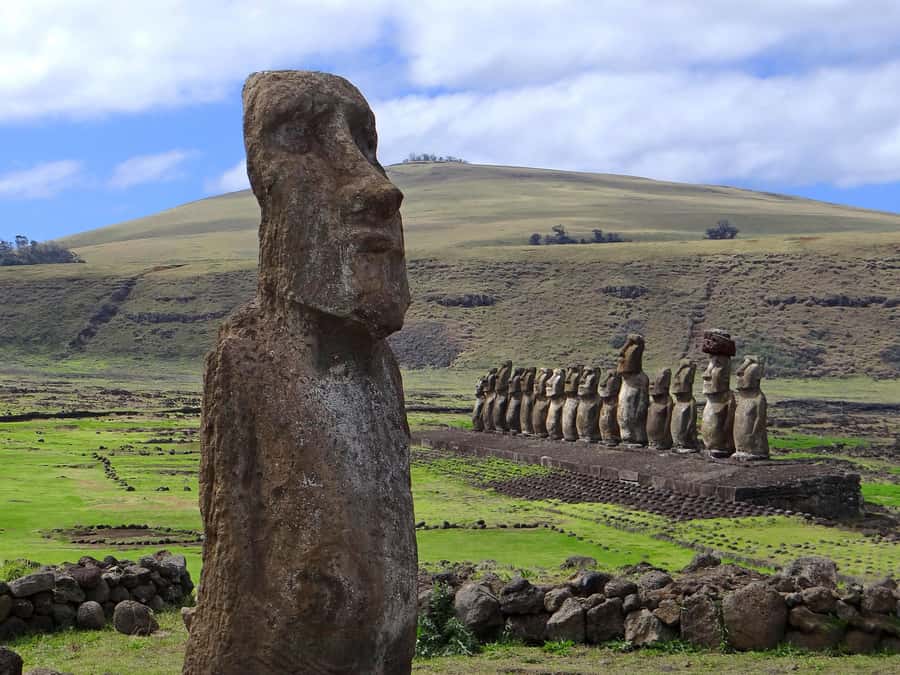
Tongariki is a platform area crowned with 15 moai. This stop is the “yes, I came here for that” moment. It is one of the island’s most iconic views because the arrangement gives you a sense of planning and power.
What makes it more than just a photo stop is your guide’s framing. When someone ties the grouping to cultural meaning and historical theories, the monument reads differently.
Te Pito Kura and the sacred feeling of small changes
Next is Te Pito Kura, described as sacred and wrapped in legend. Even if legends are hard to confirm scientifically, they are part of why these places feel alive.
This stop is often where I see people shift from tourist mode to listening mode. You stop asking only how it was built and start asking what the island wanted people to feel.
Anakena beach, the payoff after a long day of stops
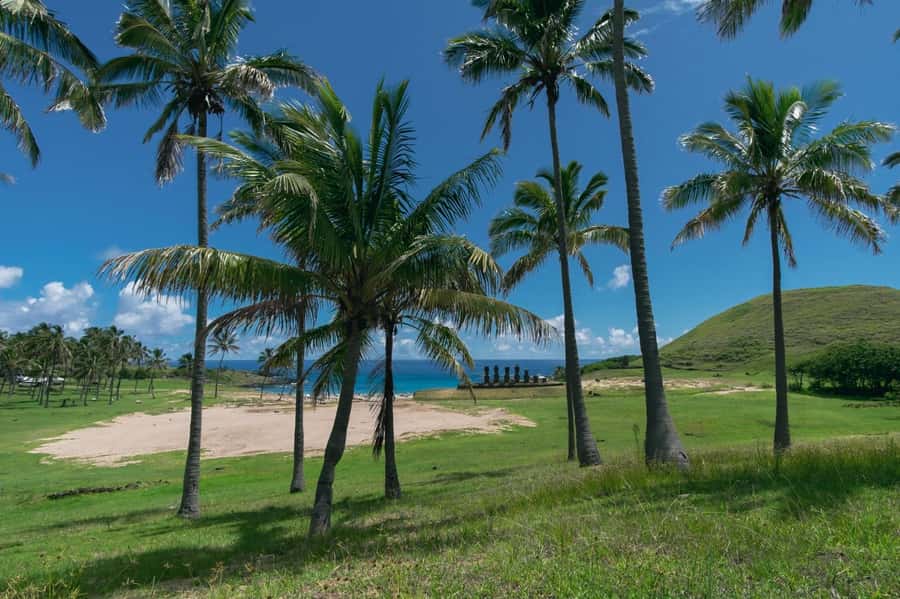
Finally, you finish the day at Anakena, a beach setting with palm trees and moai nearby. This is a smart close to Day 1 because the scenery gives your brain a break after quarry and platforms.
If you are hungry, plan to eat at your own pace when the tour breaks. Some reviews suggest snack planning matters, because the day can move along and not every stop is designed for a sit-down meal.
Day 2: Eastern sites, Orongo views, and the caves at Ana Te Pahu
Day 2 explores the island’s eastern side, starting around the crater world and moving toward the moai-related production sites and cave networks. It is a strong day for geology lovers and people who want to understand the island as a whole system.
Orongo and the Rano Kau crater, cliff-top history
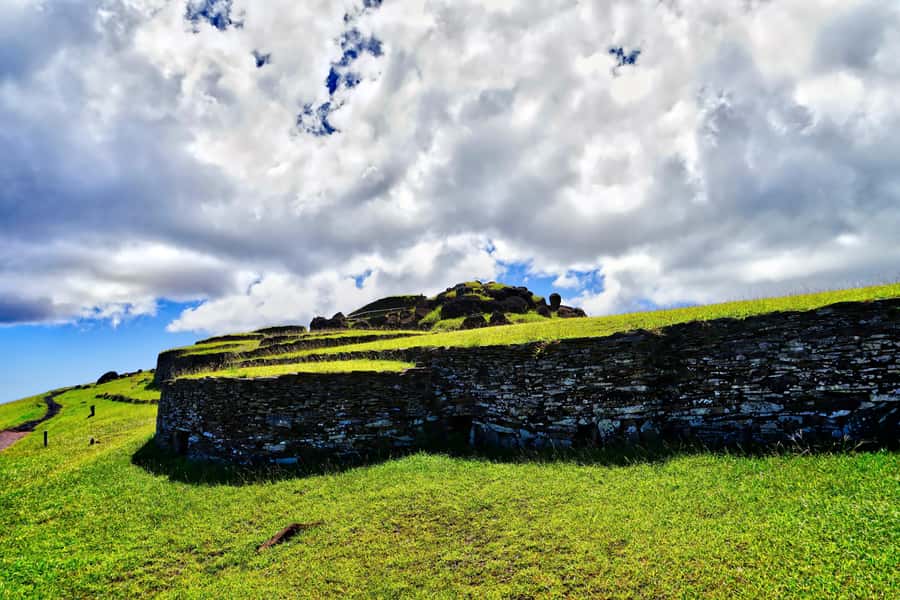
You start at Orongo, a historic village perched above Rano Kau. This is a big-picture stop because you get big crater views and a sense of how people lived with volcanic features close by.
Even in reviews that criticize parts of the day for pace, Orongo is commonly singled out as the highlight. It tends to be the moment where everything clicks visually, not just intellectually.
Vinapu, where stonework precision does the talking
Next comes Vinapu, known for intricate stone masonry. If you like seeing craftsmanship, this is one of the stops that feels physical and real, not only symbolic.
The key value here is contrast. You’ve spent Day 1 with quarry and large arrangements. Vinapu adds that other side of Rapa Nui knowledge: building technique and fit.
Puna Pau, the red scoria quarry and topknots
Then you visit Puna Pau, a red scoria quarry tied to the material used for the moai topknots. This is the stop that answers the question you might not even know you have yet: what about the parts above the eyes?
It adds another layer to your moai understanding, because you realize parts came from specific sources and not just imagination.
Ana Te Pahu caves, lantern time and petroglyph encounters
One of the most practical and memorable parts of the tour is Ana Te Pahu, a network of caves with hidden chambers and ancient petroglyphs. This is where the included gear matters.
You get a personal set of lanterns, and that changes the experience from walking around in dim spaces to actually exploring. If it rains, you also get rain capes, which helps you stay comfortable so the caves stay fun instead of miserable.
Cave note: you will likely want a steady pace and good footing. Even when the caves are not extreme, you do not want to rush and misstep.
Ahu Akivi, seven moai that face the ocean
You finish at Ahu Akivi, where seven moai gaze toward the ocean. This is a great closing stop because it is different from some other arrangements and it ties back to the island’s relationship with sea and sky.
It also gives you a final “reading” of moai placement. A good guide will connect this positioning to stories and theories, not only measurements.
Guides, group size, and why your day will feel smoother than self-guiding
A lot of the praise in the reviews centers on the guides, and that matches what you should expect here. In past experiences, the difference between a decent day and a great day is rarely the itinerary. It is the guide’s ability to translate the island to you.
In the feedback you can see patterns:
- Guides share culture and daily life, not only archaeology dates
- They explain moai theories in plain language
- They answer questions without rushing you out the door
- They adapt when weather changes
You might also run into mixed language groupings. Some days may be English and Spanish together, which means introductions can take longer and some explanations get repeated. If you understand both, that is helpful. If you speak only English, it can feel a little slower.
Pick up and timing can vary depending on how full the minibus is. When the group hits the 14-person limit, pickup can stretch. That is normal. I suggest planning your expectations around a longer morning window rather than a tight departure time.
What is included, what costs extra, and how to budget like a local
This tour includes pickup from your accommodation and transport in a spacious minibus. It also includes the tools that make two tricky parts easier: lanterns for the caves and rain capes for wet weather.
Lunch is not included. Entrance fees are also not included, so you should budget for site charges and your own food. The good news is you do get strategic stops, and the guide should help with ideas on where to eat.
So is $170 per person good value? For Easter Island, it often is, because:
- Many key areas function like protected zones that are best experienced with a guide
- You save time and stress on driving and finding the right viewpoints
- A native guide adds meaning you cannot easily replicate with a map
If you are the kind of person who loves planning and reading before you go, you might feel some guilt at paying for a guide. Still, once you are on the ground, the explanations usually make the cost feel earned.
Comfort and packing checklist that actually matters on Rapa Nui
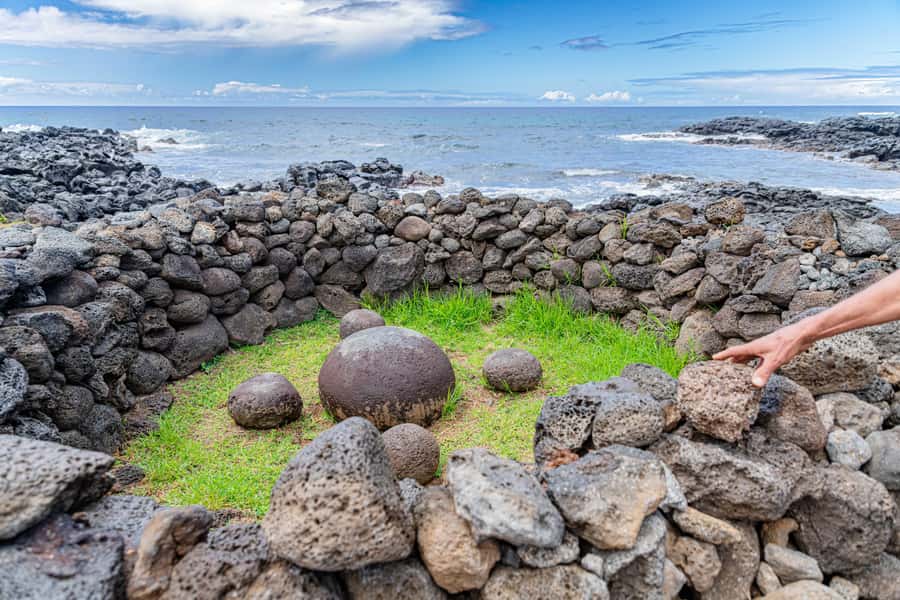
You will spend a lot of time outside. The tour includes rain gear, but sunscreen is still your job.
Bring:
- Sun protection: hat, sunscreen, sunglasses
- Water and snacks, especially for Day 2 when some reviews note fewer food stops
- Comfortable walking shoes
- A light layer, because weather can change fast on a volcanic island
Also remember: drones are not allowed. If you packed one hoping for cinematic shots, leave it at home.
The small tradeoffs: pace, sun, and mixed language narration
No tour is perfect, and the reviews point to a few common friction points.
First is pace. Day 2 can feel tighter, with a more rushed schedule after the morning highlights. Second is language. If your day is mixed English and Spanish, you may notice some time spent on repeated explanations.
Third is food timing. Some days include a lunch stop, but others might not offer a convenient place to buy refreshments when you need them. Do not assume you will have time to sit down and order a full meal.
This is why snacks and water are not optional. They are sanity insurance.
Who should book this Easter Island 2-day tour
Book it if:
- It is your first time on Rapa Nui and you want a solid moai and culture overview
- You prefer guided visits because many sites are easier and better with an expert
- You like learning moai theories alongside cultural context, not just photos
- You want a small group and pickup, which cuts down stress
Skip it or consider a different style of tour if:
- You dislike any schedule at all
- You hate mixed-language group narration
- You want total freedom to linger for hours at a single viewpoint
Should you book this Easter Island highlights tour?
Yes, if you want the biggest, most meaningful chunk of Easter Island in two days without spending your whole trip managing logistics. The biggest reason I would recommend it is the combination of native expert guidance plus a route that hits both major moai viewing points and the production and spiritual stops that fill in the why.
If you do book, go in prepared. Bring snacks for the long outdoor hours. Plan for extra spending on entrance fees and meals. Then lean into the guide. That is where the best moments happen, from cave lantern exploration to the cliff-top views at Orongo, to the ocean-facing stillness of Ahu Akivi.
FAQ
How long is the Easter Island Highlights 2-Day Tour?
It lasts 2 days.
What price should I expect to pay?
The price listed is $170 per person. Entrance fees and lunch are not included.
Is pickup included?
Yes, pickup is included directly from your accommodation.
What’s included for the tour experience?
The tour includes a personal set of lanterns for caves and rain capes for unexpected weather, plus transport in a spacious minibus.
Are meals included?
Lunch is not included, though the itinerary includes well-timed stops where you can eat.
What sites are best on this itinerary?
The route includes major highlights such as Vaihu, Akahanga, Rano Raraku, Tongariki, Te Pito Kura, Anakena, Orongo, Vinapu, Puna Pau, Ana Te Pahu, and Ahu Akivi.
What languages is the guide available in?
The live guide speaks English and Spanish.
Is the tour wheelchair accessible?
Yes, the tour is listed as wheelchair accessible.
Are drones allowed?
No, drones are not allowed.
Freshly reviewed in Hanga Roa
- Astronomical Tour on Easter Island★ 3.5 · 3 reviews
- Full day Private Tour: Poike Walk through the abandoned area★ 4.5 · 3 reviews
- T1-THE GRAND TOUR (non-cruise visitors)★ 5.0 · 3 reviews
- 4-Days Trip to Discover Easter Island★ 4.0 · 3 reviews
- Private 2 Days Essential Tour of Easter Island★ 5.0 · 4 reviews
- T2-THE MUST-HAVES OF RAPA NUI (non-cruise visitors)★ 4.5 · 4 reviews
- Private Tour: Easter Island Caves★ 4.5 · 4 reviews
- Private Tour: The Highlights of Easter Island★ 5.0 · 4 reviews
2-Day Experiences, compared.

Cable Car, Funicular and Sightseeing Bus in Santiago two days
Read our review →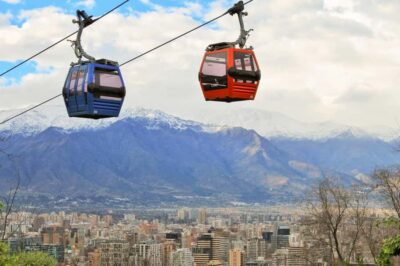
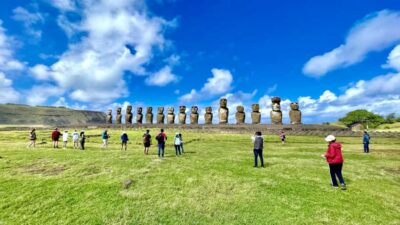
Two days of Full Day Tour of Rapa Nui + Sunrise in Tongariki
Read our review →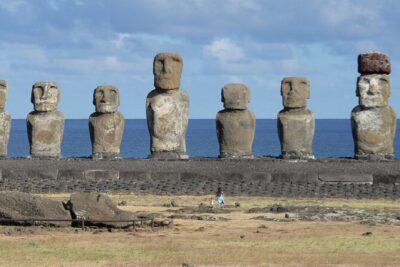
2-Day Private Tour Easter Island Highlights Complete Discovery
Read our review →Two days of Full Day Tour of Rapa Nui + Sunrise in Tongariki
Read our review →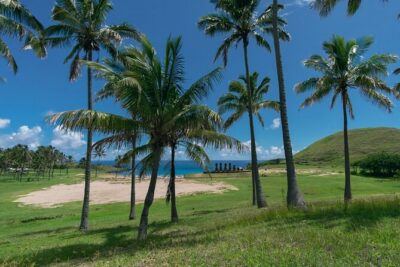
2 Days Highlights Tour in Easter Island Moai and Nature
Read our review →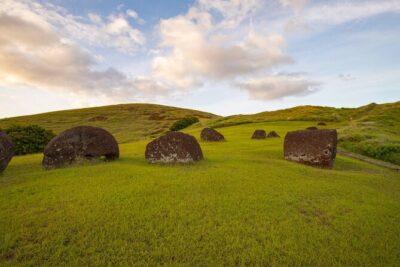
2 Day Private Tour: Easter Island’s Cultural Heritage
Read our review →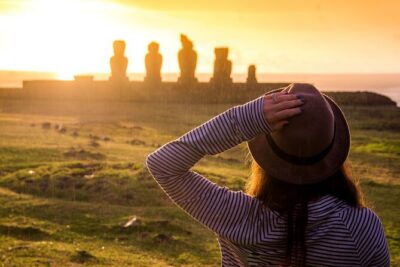
2 Day Small Group Tour in Moai Monuments and Historic Pathways
Read our review →Browse the lists this tour appears in