
Reviewed · EASTER ISLAND TOURS
Full Day Private Tour: Factory of the Moai the stone giants
This full day private tour is interesting because it strings together the island’s most important stone sites, and it does it with the one stop that most visitors only see from photos, the Moai factory area. You get a guided run that moves from sacred platforms to the volcanic quarry where the stone giants began as raw heads and blocks.
I especially love the way the day is built for understanding, not just checking boxes. Seeing the Rano Raraku quarry right after the fallen moai at One Makihi helps everything click, even if you are new to Rapa Nui. I also like that this is a true private tour with only your group, so you can pause, take photos, and ask follow ups.
The main drawback to consider is cost creep. The tour price does not include the Rapa Nui National Park ticket (about $80 per person), and lunch and snacks are also not included. Add in park hours, weather, and walking on uneven ground, and you will want to plan your day, not just show up.
Key highlights worth planning for
- Moai factory access that helps you understand how carving and finishing likely worked before the statues moved
- Rano Raraku quarry time to see moai heads and the raw stone landscape that shaped the carving
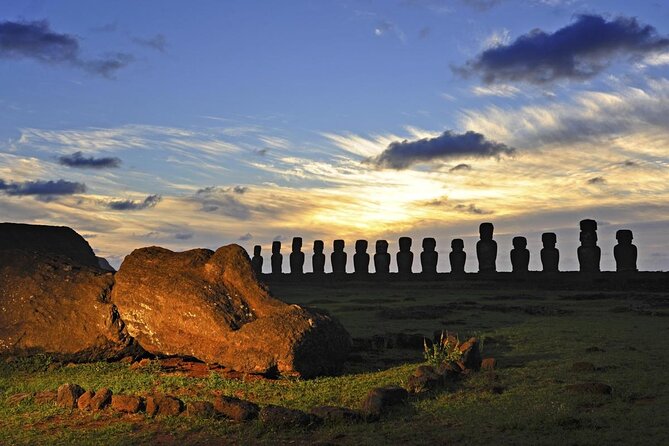
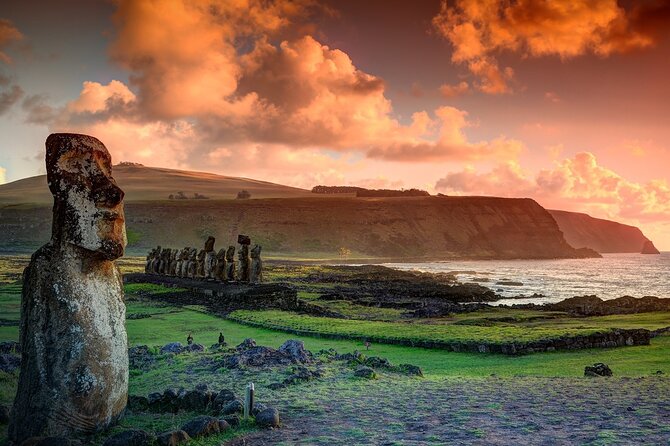
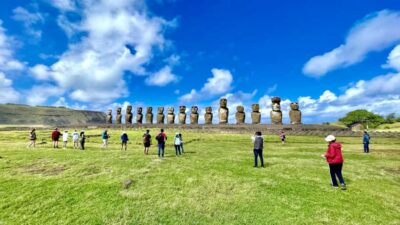
- Ahu Tongariki scale with 15 moai and a long altar, one of the most recognizable sights on the island
- Hotu Matua related stop at Ahu Akahanga tied to the first king’s later years
- Two beach breaks at Playa Ovahe and Anakena to cool down after the stone sites
- Private pacing with a certified local guide, including flexibility to linger for photos
Why the Moai factory day is such a smart use of time
If you only have a short visit to Easter Island, you want your day to do more than stack monuments. This experience is built around cause and effect. You move through ceremonial stone sites, then you head toward the volcanic origin area where the moai were made and from where stone was taken.
That is where the “factory” concept matters. Seeing moai in place is powerful, but it is also easy to forget that they were carved from specific volcanic stone and then moved. When your guide connects the spots, you end up with a clearer picture of why certain locations mattered, and why the quarry is not just a viewpoint.
I also like the emotional pacing. After the long stone moments, you get beach time at Playa Ovahe and Anakena, which gives you a chance to reset. That matters on a day that can include several hours of driving between sites plus walking over uneven ground.
A few more Hanga Roa departures to weigh up
- From Hanga Roa: Rapa Nui Culture Sightseeing Tour
★ 4.6 · 307 reviews - From Hanga Roa: Easter Island Highlights 2-Day Tour
★ 4.3 · 205 reviews - Full Day Tour in Rapa Nui
★ 4.5 · 122 reviews
Price and value: what the $219 gets you, and what comes extra
This private tour costs $219 per person and runs about 5 to 7 hours. It is booked pretty far ahead on average, about 55 days, which is a hint that this is a popular format and dates can fill up.
What you get for that price:
- Private transportation
- A native, certified guide
What usually adds cost:
- The Rapa Nui National Park ticket (about $80 per person)
- Lunch and snacks (not included)
So your “all in” thinking should start with the park ticket. If you like to eat well, you will also want to budget for lunch. Since you are not handed snacks, bring your own water and plan your energy, especially if the weather is hot or if your route includes extra walking.
Is it worth paying for a private tour?
For Rapa Nui, I think private is often worth it because of timing and access. A guide helps you get the most from the sites and reduces the stress of managing the park rules yourself. Several visitors also mention that being with a guide is needed to access many moai sites, and that is exactly what this tour solves.
If you are traveling as a couple or family and you really want the moai factory plus the big ahu and quarry, private pacing can be a relief. If you just want a quick taste and do not care about explanations, a group tour could be cheaper. But if you want context, a private guide is a good match.
Entering the day at Ahu Vaihu and Ahu Akahanga
The morning starts in the archaeological world, not at a beach. Stop one is Ahu Vaihu, where you visit remains that help explain Rapa Nui life and behavior during the height of civilization. This is not usually the biggest photo stop, but it is a solid setup. It gives you a baseline for what an ahu represents beyond the “cool statues” factor.
Next you head to Ahu Akahanga. This is the kind of stop that makes the day feel more specific and less generic. You are looking at where Hotu Matua, the first king of the island, lived his last years. Your guide is likely to tie the place back to island traditions and the meaning of sacred areas, not just the stone structure itself.
The other half of a Hanga Roa week:
- 2-Day Private Tour Easter Island Highlights Complete Discovery
★ 5.0 · 110 reviews - Private Full-Day Easter Island Highlights North and West
★ 5.0 · 84 reviews - From Hanga Roa: Journey from Orongo to Ana Te Pahu
★ 4.3 · 75 reviews - Journey of the Ancestors: Tongariki, Rano Raraku & Anakena Beach
★ 4.5 · 70 reviews
Quick practical note
These earlier stops can set the tone for the whole day. If your guide’s English level is a bit limited, it is at these moments that you might feel it most, because you are still building context. In the better guide experiences, these stops quickly make the later moai sites easier to understand.
One Makihi: the perfect “prequel” to the quarry
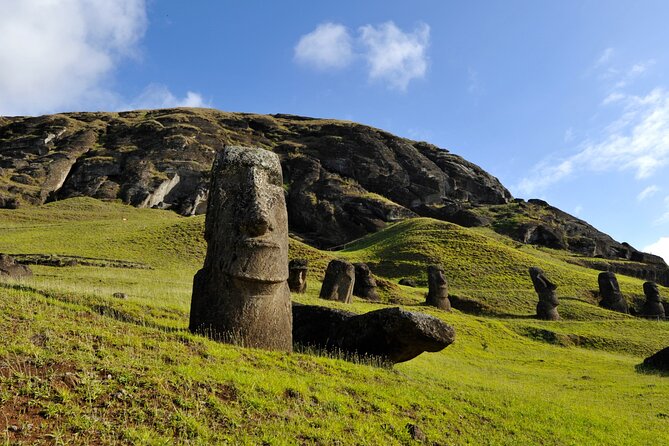
Then comes One Makihi, an archaeological site featuring an ahu with fallen, unrestored moai. This stop is short, but it is strategically placed. You are seeing moai parts in a natural state, and it acts like a visual bridge to Rano Raraku.
The key value here is contrast. You are looking at moai that are not standing upright like the famous images. That contrast helps you appreciate what the quarry represents. It is not just a museum quarry, it is the source area tied to carving and moving.
Also, if you are a photo person, these angles can be great. Restored sites are often what you see in postcards. Fallen moai and rougher terrain can give you more honest, grounded shots.
Ahu Tongariki: the 15 moai moment you cannot skip
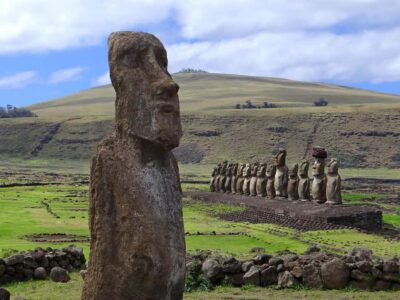
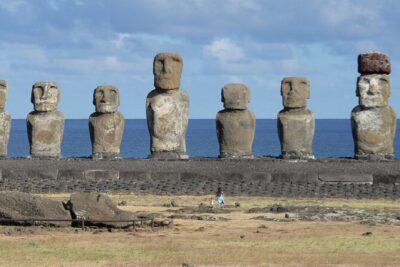
After the prelude, you reach Ahu Tongariki, often described as the largest construction on Easter Island and the largest monument in all Polynesia. The scale is the whole point here.
You will see:
- 15 stone giants lined up
- A long altar, about 100 meters
- A site set against a dramatic stretch of coastline and sky
This is also the moment in the day when the tour usually feels the most “Easter Island.” Even if you have studied pictures already, being there in person adds weight. Stone giants stacked in a row feels different when you realize these were moved and placed with purpose.
What to watch for at Tongariki
Tongariki can feel windy. Bring a light layer or plan for strong sun exposure. Also, keep your expectations realistic about timing. You will likely be there long enough to see it properly and take photos, but it is still a stop inside a larger route.
Rano Raraku quarry: moai heads everywhere, and the story in the stone
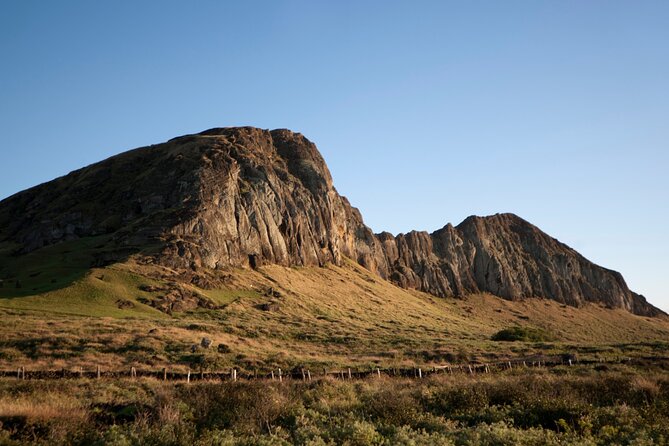
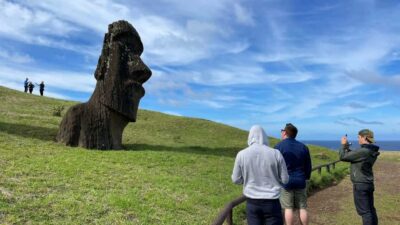
The biggest “wow” area for many people is Rano Raraku. You will see moai heads emerging across the area, plus stones and vestiges that point to where moai were taken from to move them around the island.
This is where you start to understand the island as a working stone landscape, not just a display of finished statues. Your guide should help connect the dots: quarry stone type, carving in place, and how the movement of the giants was tied to the island’s ceremonial needs.
Why this stop is more than sightseeing
If you come in with zero background, quarry time is still satisfying, because it shows the moai in stages. You see the “in between” reality of monumental work, not just the final product at ahu platforms.
And if you have ever wondered why some moai are present as heads, or why stones look half-formed, this is the context day. You are looking at the place where the island’s stone giants started as part of a broader workflow.
Playa Ovahe and Anakena: beach time that actually fits the story
After quarry and big stone moments, the tour shifts to two beach stops.
First is Playa Ovahe, described as a postcard-sized white sand beach surrounded by a high cliff face of red scoria. That red rock framing is exactly what makes the beach feel like part of the volcanic setting, not a random detour.
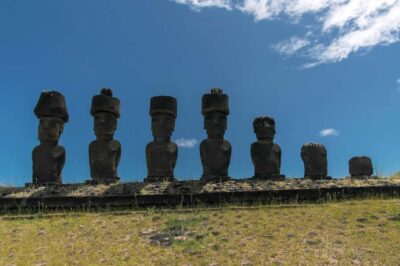
Then you move to Anakena, where you get a longer break, about 1 hour. Anakena is famous for palm trees, clear water, archaeological sites, and an ahu that reinforces its ceremonial role. It is also tied to the idea that Rapa Nui civilization began here.
How to use the beach breaks
Use this time to do the unglamorous things: sunscreen reapply, relax your feet, and take a slow swim if conditions allow. Since lunch and snacks are not included, the beach time can also help you manage hunger.
One practical tip: if you want a simple meal there, bring some cash in the local currency if you can. Some visitors note that cash is helpful for options at Anakena.
Walking, shoes, and pacing: the stuff that makes or breaks the day
Even though this is a private tour, you should treat it like an outdoors day in a historic park.
Be ready for:
- Walking on uneven ground
- Climbing over rough paths and steps
- A day that can include several stops with short walking segments
I strongly recommend good hiking shoes. If you have hiking poles, they can help on uneven terrain and can make the quarry sections more comfortable. If you do not, just take your time and wear shoes with solid grip.
Pacing is mostly under your guide’s control. In the best experiences, guides take breaks when needed and help you get your photos without rushing you. In less ideal experiences, the schedule can tighten or time can be lost, which affects how much you see.
So my advice is simple: arrive early to your pickup area, double check you have the right meeting point, and keep your phone charged.
Choosing the right guide experience on a private tour
This tour is only as good as the guide day you get. Most experiences in the provided data praise the guides for being organized and giving strong context. Names that come up include people like Javier, Bai, Hugo, Mario, Roberto, and Cristina.
What I like about the higher-rated guide style is not just facts. It is how the guide turns stone into meaning. At Ahu Akahanga, at Tongariki, and especially at Rano Raraku, the best guides connect what you are seeing to why it mattered.
The key caution is language and timing. There is at least one clearly negative account where communication was a struggle, and the day ran late because of issues at the start. Another complaint mentions a shortened experience compared to the expected full-day format.
You can reduce the odds of disappointment by:
- Confirming that the guide language level matches what you need
- Communicating your preferences early, like pace and photo stops
- Having realistic expectations that private still means you are inside a national park environment, so weather can affect movement
Weather and park tickets: the real logistics you should plan around
This experience requires good weather. If weather is poor, it can be rescheduled or refunded, and you are better off having a flexible day on your itinerary.
Also, plan for the park ticket. Since it is not included, you want to know where and when you will handle it so it does not slow you down at the wrong moment. Some guides can help manage the ticket process on site, but you should still assume you will need to pay separately.
Timing note
The tour is about 5 to 7 hours on paper. In practice, the day can run a bit shorter or longer depending on how much time you take at each stop and how smooth the driving goes. This is normal on Easter Island, but it is worth keeping in mind if you have another reservation later the same day.
Should you book this full day private Moai sites tour?
I would book it if:
- You want the moai factory stop plus the quarry and the big ahu, all in one run
- You like learning while you walk, not just getting dropped at monuments
- You value private pacing and want only your group in the car
- You are visiting for a few days and need a first-day anchor route
I would think twice if:
- You are very budget sensitive. Once you add the park ticket plus lunch, the total cost climbs fast.
- You dislike walking on uneven ground and would rather do something more relaxed.
- You need very advanced English interpretation, because guide quality can vary and can change how much you get out of the morning context stops.
If you do book, the smartest move is to plan your day around it. Wear solid shoes, bring sunscreen, keep cash or cards ready for food if needed, and treat the national park ticket as part of the budget from the start. With the right guide day, this is one of the most logical ways to understand how Rapa Nui’s stone giants moved from volcano quarry to ceremonial platforms.
FAQ
How long is the Full Day Private Tour of the Factory of the Moai?
It runs about 5 to 7 hours.
What does the tour price include?
The price includes private transportation and a native, certified guide.
What is not included in the tour price?
You will need to pay the Rapa Nui National Park ticket (about $80 per person). Lunch and snacks are also not included.
Which key stops are part of the day?
The tour includes Ahu Vaihu, Ahu Akahanga, One Makihi, Ahu Tongariki, Rano Raraku, Playa Ovahe, and Anakena Beach.
Is this a private tour?
Yes. It is private, meaning only your group participates.
Does it require good weather?
Yes. The experience requires good weather, and if it is canceled due to poor weather you will be offered another date or a full refund.
Can I bring a service animal?
Service animals are allowed.
Freshly reviewed in Hanga Roa
- Astronomical Tour on Easter Island★ 3.5 · 3 reviews
- Full day Private Tour: Poike Walk through the abandoned area★ 4.5 · 3 reviews
- T1-THE GRAND TOUR (non-cruise visitors)★ 5.0 · 3 reviews
- 4-Days Trip to Discover Easter Island★ 4.0 · 3 reviews
- Private 2 Days Essential Tour of Easter Island★ 5.0 · 4 reviews
- T2-THE MUST-HAVES OF RAPA NUI (non-cruise visitors)★ 4.5 · 4 reviews
- Private Tour: Easter Island Caves★ 4.5 · 4 reviews
- Private Tour: The Highlights of Easter Island★ 5.0 · 4 reviews
Easter Island Tours, compared.
Two days of Full Day Tour of Rapa Nui + Sunrise in Tongariki
Read our review →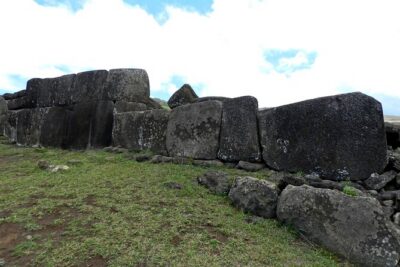
2-Day Private Tour Easter Island Highlights Complete Discovery
Read our review →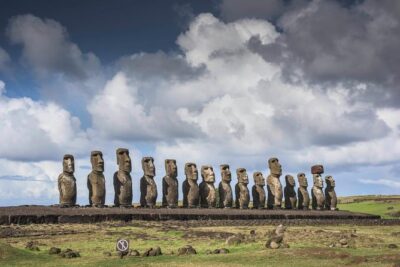
Private Tour: Full Day Easter Island Highlights
Read our review →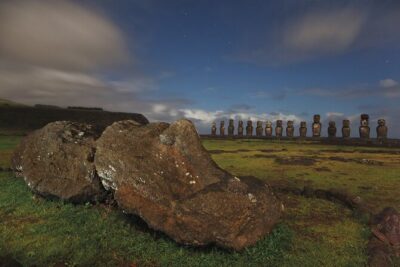
Browse the lists this tour appears in