
Reviewed · EASTER ISLAND TOURS
4-Days Trip to Discover Easter Island
A 4-day Easter Island trip is interesting because you’re not just seeing moai from one viewpoint, you’re moving through the island’s ceremonial sites and key geological spots in a set order. I like how this one is built around small-group guiding and Rapa Nui National Park access, so you spend less time figuring things out and more time looking closely.
The second thing I really like is the practical package feel: 3 nights of accommodation plus breakfasts and lunches are included, which matters on a remote island where extra meals can add up. One possible drawback to flag up front: the tour data does not list water during the excursions, and one review specifically wished water had been provided, so I’d plan to bring your own.
Key Highlights You Will Notice Right Away
- Flower-necklace airport reception and a straightforward transfer to your hotel on arrival
- Moai-focused route with multiple ahus, plus quarries at Rano Raraku and Puna Pau
- Rano Kau plus Orongo with time to see the ceremonial village area and hear how waves meet the cliff
- Ahu Vinapu details that point out how different platforms look and what has been documented there
- A guide named Emilia praised for insight and knowledge, which can make the sites click instead of feeling like a checklist
- Max 20 travelers, which usually keeps the pace from turning into a noisy scramble
Easter Island in 4 Days, Key Sites Without the Guesswork
This tour works because it treats Easter Island like a place you understand step by step. Day 2 and Day 3 both have tight, purposeful routes, moving from ahu to ahu and then into the island’s volcanic and quarry areas that connect directly to the moai story.
You’ll spend time at named ceremonial platforms, and you’ll also get the quarry context, like the volcanic rock used at the Rano Raraku quarry and the red material tied to Puna Pau. That combo helps you connect what you see in front of you with where key elements came from.
It’s also a good length. Four days is long enough to cover a lot without feeling like you’re rushing nonstop every hour. Day 1 includes leisure time, which matters when you land and need a few hours to reset.
A few more Hanga Roa departures to weigh up
- From Hanga Roa: Rapa Nui Culture Sightseeing Tour
★ 4.6 · 307 reviews - From Hanga Roa: Easter Island Highlights 2-Day Tour
★ 4.3 · 205 reviews - Full Day Tour in Rapa Nui
★ 4.5 · 122 reviews
Price and What You Actually Get for $1,043
At $1,043 per person, this is not a budget hop. But for Easter Island, the value case is easier to make because the package includes the big cost blockers: 3 nights’ accommodation, breakfasts (3), lunches, and entrance to Rapa Nui National Park.
It also includes practical transportation support. There’s airport pickup, transfers are handled by a Spanish-speaking driver, and you have small-group excursions with a bilingual guide (English/Spanish). On a remote island, those parts are what keep a trip from turning into improvising with limited local options.
Two other value signals: the tour is capped at 20 travelers, and it includes a mobile ticket. The smaller group size matters because many sites are spread out and you will want time to ask questions, not just walk past markers.
Day 1 Arrival, Flower Necklaces, and Your First Island Night
Day 1 is all about arrival comfort and getting your bearings. You get reception at the airport with flower necklaces, then transfer to your selected hotel. After that, you’re left with the afternoon at leisure, which is exactly what I want on Day 1. You can adjust to the time, eat when it works for you, and take a first look around Hanga Roa without feeling rushed.
Overnight is included at an island hotel, and the details are described in two ways: the day-by-day plan mentions a 4-star hotel, while the package summary describes 3 nights in a 3-star plus hotel. Either way, you’re not arriving and immediately jumping into a full-day circuit.
If you want to get ahead for the next morning, use this free time to prep for an outdoor schedule. Even if you’re not told to pack anything specific, you’ll be walking between sites across multiple days. The day 1 buffer helps.
Day 2 Ahu Vaihu and Ahu Akahanga, Then Ahu Nau Nau and Rano Raraku Quarry
Day 2 is your “ceremony plus stonework” day, starting around 09:30 AM from Hanga Roa.
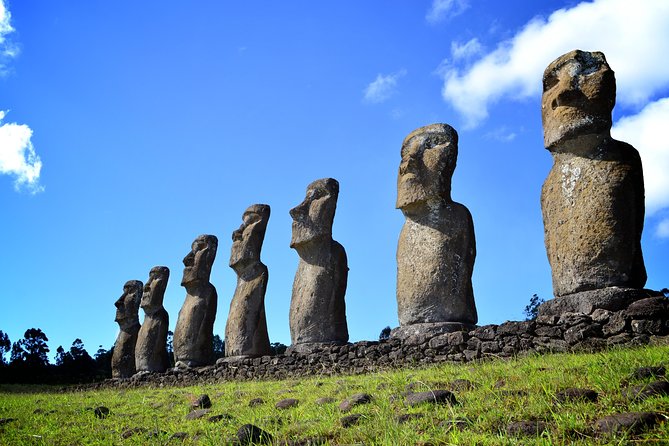
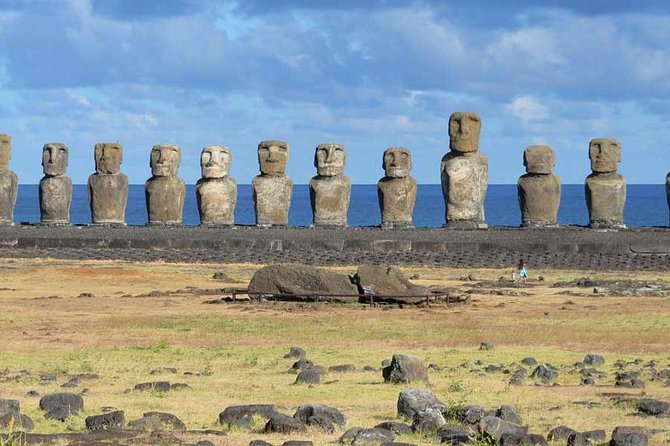
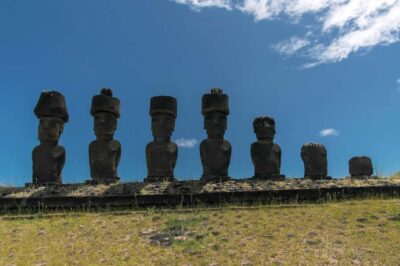
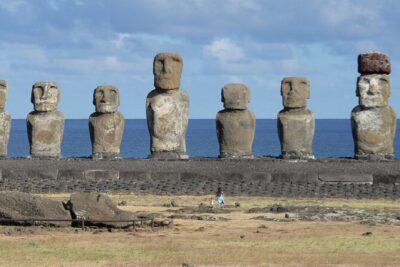
You begin at Ahu Vaihu, about 10 km from town. This is a stone platform with 8 Moai statues and 8 Pukao in the nearby area. That is useful because it gives you a clear visual anchor right away: you’re not guessing what to look for. You can also pay attention to how the Pukao relate to the moai positions, since they’re specifically called out here.
Next is Ahu Akahanga, known in the itinerary as the Platform of the King. Even if you don’t know the exact local story behind it, the name signals you’ll be looking at how this ceremonial layout differs from other ahu.
After that, you go to Ahu Nau Nau, described as a temple complex with different levels. Here you’ll see 5 Moai statues with Pukao, and you’ll also look at petroglyphs on the backs of the statues. That petroglyph detail is one of the nicer learning moments on this itinerary because it shifts you from only looking at big stone figures to noticing the markings and carvings that sit on the structures themselves.
Then the day pivots from ceremonial platforms to creation context at Rano Raraku, a volcano and quarry. The plan specifically notes that most of the island’s moai were carved there using the volcanic rock from the hillsides. That matters because it changes how you interpret the moai you’ve been seeing. Instead of treating them as isolated monuments, you’re thinking in terms of material and making.
The time at each stop is listed as about two hours for Ahu Vaihu and about two hours for Ahu Nau Nau plus the quarry connection. That is a lot of on-the-ground time, not just quick photo stops, and it’s one reason this route can feel like more than a drive-by.
Possible consideration for Day 2: it’s a long day with multiple sites and at least one major shift from platform viewing to quarry viewing. If you’re sensitive to long stretches outdoors, you’ll want to pace yourself and not rush through the learning parts.
The other half of a Hanga Roa week:
- 2-Day Private Tour Easter Island Highlights Complete Discovery
★ 5.0 · 110 reviews - Private Full-Day Easter Island Highlights North and West
★ 5.0 · 84 reviews - From Hanga Roa: Journey from Orongo to Ana Te Pahu
★ 4.3 · 75 reviews - Journey of the Ancestors: Tongariki, Rano Raraku & Anakena Beach
★ 4.5 · 70 reviews
Day 3 Tahai, Ana Kai Tangata, and Rano Kau, Then Vinapu and Puna Pau
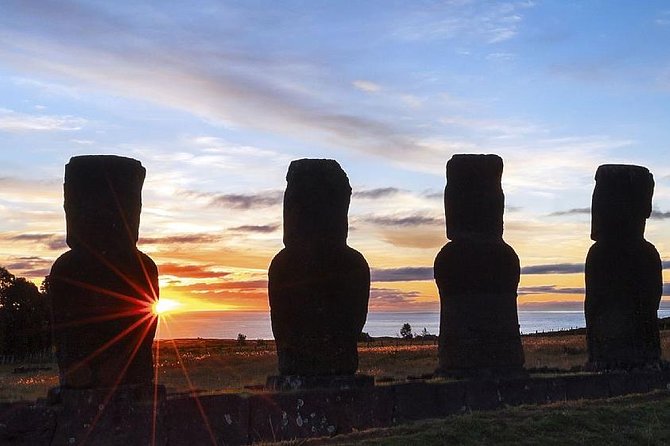
Day 3 starts at 09:30 AM and is designed like a two-part arc: morning ceremonial complex and caves, then a later afternoon run that includes Vinapu and the red-material quarry at Puna Pau.
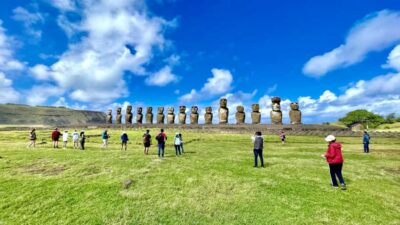
You first go to the Tahai Archaeological Complex. This site has three ahus: Ahu Vai Uri with 5 Moai, Ahu Tahai with 1 Moai, and Ahu Le to Riko with 1 Moai. It’s a good stop because you can compare sizes and layouts in one area instead of jumping around the island with your brain still catching up.
From there you head to Ana Kai Tangata, a natural cave. Here, the plan calls out rupestrian art with birds like the manutara, and it also notes you can watch waves breaking against the cliff. That combination is one of the more memorable “use your senses” moments on the itinerary because you’re not only looking at stone artifacts, you’re seeing how the cliff and ocean set the scene.
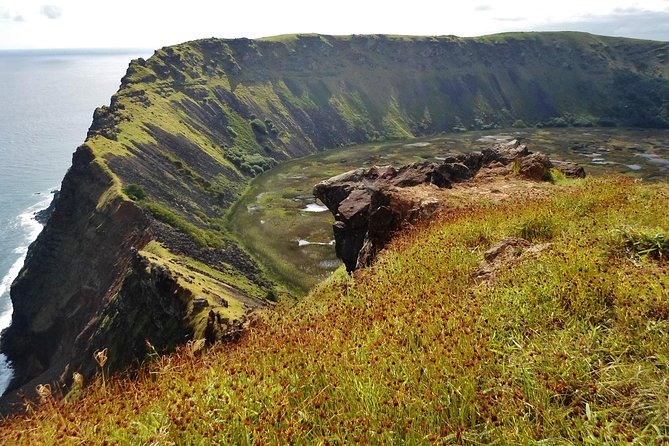
Then comes Rano Kau, the volcano area with the largest crater and one of the island’s largest sweet water reservations, followed by Orongo Ceremonial Village on the western side of the volcano. The itinerary gives you about an hour total for this portion. It’s a practical timeline because Rano Kau is visually dramatic, but you still get enough time for the guide to explain what you’re looking at without turning it into a sprint.
Later, around 03:00 PM, the tour continues with Ahu Vinapu. This stop is clearly described as being used by islanders around 1200 A.C., and you’ll see three ahus there. The first has 6 Moai statues that were demolished and painted red. The second includes what’s described as a supposedly feminine moai with two heads. The third is the oldest and features only removed stones.
Ahu Vinapu is one of those places where the details matter. The three-part structure you get here helps you understand that not every ahu site looks intact or uniform. Some elements have been altered, and the tour guides your attention to that, rather than pretending the stone is untouched.
From Vinapu you move on to the Puna Pau quarry, described as a small crater of red slag where the Pukao (the hats) were obtained. The itinerary also mentions incomplete and abandoned moai along an old exit route. That’s a strong pairing with earlier moai viewing because it connects the red element you saw referenced on earlier ahus to the quarry where that red material came from.
Finally you end the day at Ahu Akivi, identified as the first ahu restored by science in 1960. I like closing with a restoration point because it adds a modern thread to what you’ve been studying. You’re not only seeing what the islanders built long ago, you’re also seeing how parts of that heritage were revisited later.
Guide Power, Small Group Size, and How to Make It Click
The success of this kind of trip depends heavily on how the guiding turns sites into meaning. This itinerary uses a bilingual guide (English/Spanish) with small-group excursions, capped at 20 travelers. That’s a sweet spot for Easter Island. Large tours can feel like a procession. Here, you’re more likely to get real-time questions answered.
The reviews you have to lean on here highlight the guide factor, including a standout mention of Emilia. People praised her for doing the job with insight and knowledge, which is exactly what you want when each site has specific details. In a place like this, the value isn’t only the big photo. It’s noticing things like petroglyphs on the backs of statues, or the number of moai and pukao called out at a particular ahu.
Practical tip: when your guide points out specifics like the manutara bird art at Ana Kai Tangata or the red material at Puna Pau, pause and look before you keep moving. Those are the details that make the difference between passing through and actually understanding.
Practical Tips: Timing, Comfort, and the Water Question
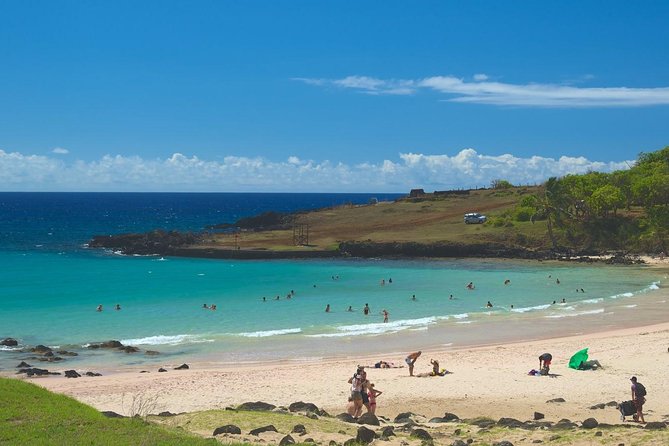
The itinerary has clear start times you should plan around. Day 2 and Day 3 begin at 09:30 AM, then Day 3 has a later segment starting around 03:00 PM. Day 4 is a transfer out to the airport. This isn’t a flexible, drift-around trip. You’re on a schedule that’s built to cover key areas.
One small but important note: water is not listed as part of the included items. A review specifically said it would have been better if water was provided during the tour. So don’t rely on it. Bring your own, and treat it as basic trip insurance for a warm island day.
You’ll also want to think about meals. The package includes breakfast (3) and lunches. That’s great, but meals that are not mentioned are not guaranteed. If you like a snack in between stops, plan for it yourself.
Finally, remember you’ll be looking at sites that are a mix of platforms and volcanic or quarry areas. Your comfort matters more than you think. Give yourself a moment at each stop to stand, look, and take in the setting, because that’s where the experience turns from pictures into understanding.
Should You Book This 4-Day Easter Island Tour?
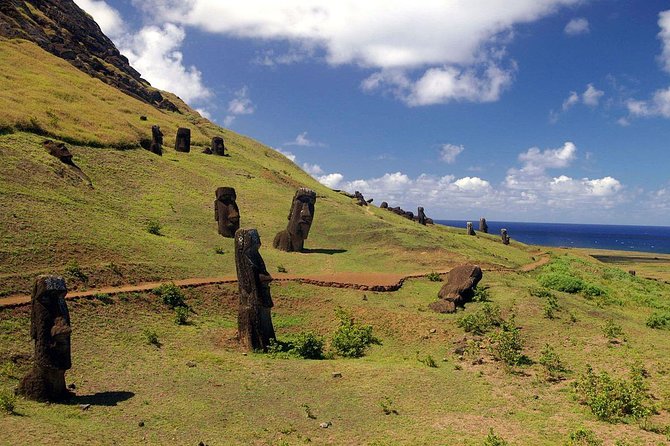
If you want a structured 4-day plan that covers the island’s major ceremonial stops and ties them to the quarry locations, this is a strong choice. The best reasons to book are the included park entrance, the meals and 3-night hotel stay, and the fact that the itinerary is paced with real time at each site instead of only passing through.
I’d think twice before booking if you are very picky about hydration logistics, because the tour details do not list water, and one piece of feedback calls that out. Also, if you hate schedules and prefer to wander, this trip is more guided route than free-form exploration.
If you’re arriving and want a smooth start, the airport pickup with flower-necklace reception plus the first-night buffer is a nice way to settle in. For most people, the value works out best when you take full advantage of the included meals, park access, and guide time.
FAQ
What is the duration of the Easter Island tour?
The trip is listed as 4 days (approx.).
What is included with the price?
The package includes 3 nights accommodation, breakfast (3) and lunch, all transfers with a Spanish-speaking driver, small-group excursions with a bilingual guide (English/Spanish), and entrance to Rapa Nui National Park.
Where does pickup happen?
You’re picked up at the Eastern Island Airport. The meeting details also show start time: 7:00 am for pickup from the airport.
What language is the tour guide?
The excursions are guided by a bilingual guide in English and Spanish.
How many people are in the group?
The tour has a maximum of 20 travelers.
Does the itinerary include time for meals?
Yes. The inclusions list breakfasts (3) and lunches. Other meals are not specified.
Are park entrance fees included?
Yes. Entrance Fee to Rapa Nui National Park is included.
Can the tour order change?
Yes. The note says the order of the tours can be changed, and you will receive a voucher with pickup time information for all tours upon arrival.
Is there water provided during the tour?
Water is not listed in the included items. One review said it would have been better if water was provided, so plan to bring your own.
Freshly reviewed in Hanga Roa
- Astronomical Tour on Easter Island★ 3.5 · 3 reviews
- Full day Private Tour: Poike Walk through the abandoned area★ 4.5 · 3 reviews
- T1-THE GRAND TOUR (non-cruise visitors)★ 5.0 · 3 reviews
- Private 2 Days Essential Tour of Easter Island★ 5.0 · 4 reviews
- T2-THE MUST-HAVES OF RAPA NUI (non-cruise visitors)★ 4.5 · 4 reviews
- Private Tour: Easter Island Caves★ 4.5 · 4 reviews
- Private Tour: The Highlights of Easter Island★ 5.0 · 4 reviews
- Sunrise in Tongariki on Easter Island Rapa Nui★ 3.5 · 5 reviews
Easter Island Tours, compared.
Two days of Full Day Tour of Rapa Nui + Sunrise in Tongariki
Read our review →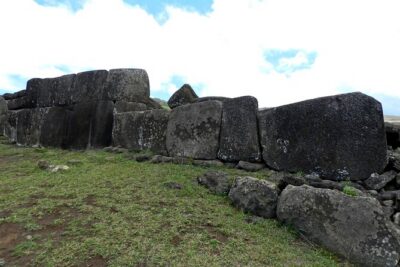
2-Day Private Tour Easter Island Highlights Complete Discovery
Read our review →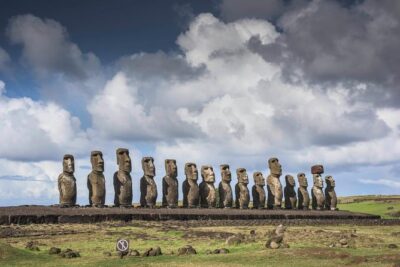
Private Tour: Full Day Easter Island Highlights
Read our review →
Browse the lists this tour appears in