
Reviewed · EASTER ISLAND TOURS
From Hanga Roa: Easter Island Sightseeing Full Day Tour
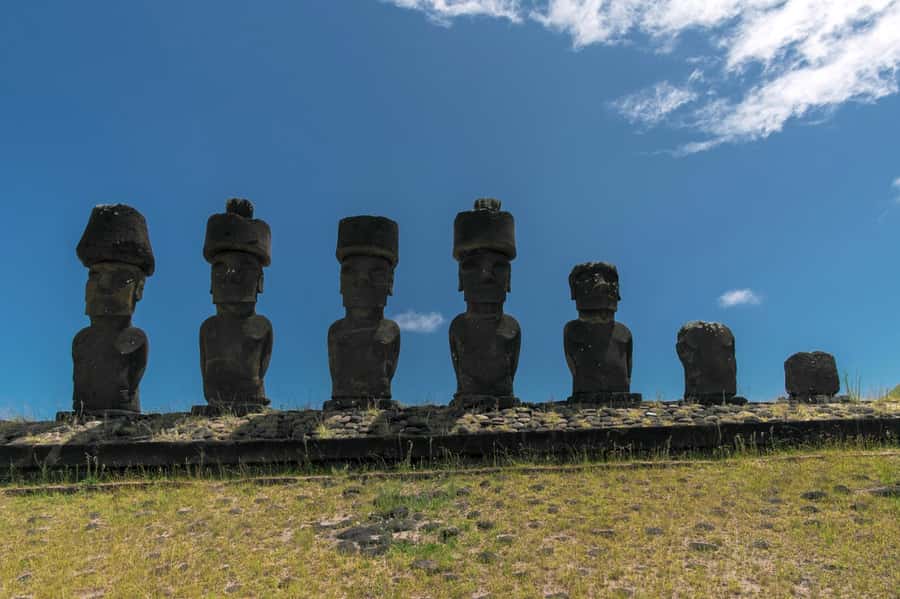
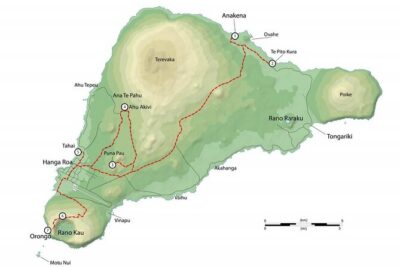
This full-day Rapa Nui tour is interesting because it links the island’s most famous stone sites into one logical day, with hotel pickup so you’re not wasting time figuring out logistics. You’ll move through Vaihu, Akahanga, Rano Raraku, Tongariki, and Te Pito Kura, with a guide keeping the stories straight as you go.
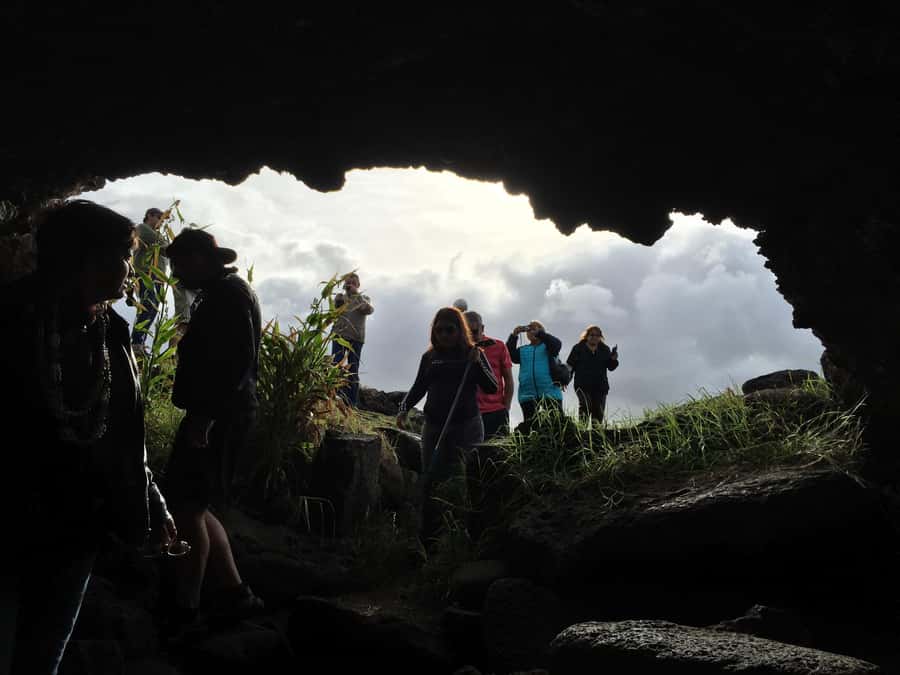
I like two things a lot here. First, you’re in a small group, limited to 14, so questions do not get swallowed. Second, you get interpretation in English and Spanish, and guides like Hiva, Fernanda, Ata, and David Pocho are specifically praised for making the moai easier to understand.
One consideration: the tour price does not include your national park ticket, and lunch is not included either. It’s also a long 8-hour day with limited bathroom stops, so you’ll want to pack water and plan your timing.
Key things that make this tour worth your time
- Small-group size (max 14) means you get more face time with the guide
- English and Spanish live guiding keeps explanations clear at every stop
- Iconic moai coverage in one day: Vaihu, Akahanga, Rano Raraku, Tongariki, Te Pito Kura
- Hotel pickup and drop-off saves time and reduces stress on a remote island
- Balanced pacing across sites, with short walks and time for photos and questions
Why This Moai Day Works So Well From Hanga Roa
On Easter Island, distances are real and time is expensive. This tour’s biggest strength is that it’s built for one-day efficiency without turning into a pure rush job. You get the main moai experiences you came for, plus context that helps the sites make sense instead of feeling like random rocks.
I also like that the tour is designed around understanding, not just sightseeing. You’re not only looking at faces in stone. You’re learning how and where the moai were made, why some are toppled, and what different sites are trying to communicate to you.
And with a small group, the day stays human. You can ask a question when something clicks, rather than waiting until the end. Guides such as Fernanda, Enrique, Angel, and Enzo come up often in guest feedback, especially for clear, calm explanations and good time management.
A few more Easter Island departures to weigh up
- From Hanga Roa: Rapa Nui Culture Sightseeing Tour
★ 4.6 · 307 reviews - From Hanga Roa: Easter Island Highlights 2-Day Tour
★ 4.3 · 205 reviews - Two days of Full Day Tour of Rapa Nui + Sunrise in Tongariki
★ 4.5 · 132 reviews
Getting Around: Pickup Timing, Seats, and What to Bring
The tour includes hotel pickup and drop-off in Hanga Roa, plus transportation. That sounds simple, but on Rapa Nui it can make or break your day. You do not have to coordinate a rental car, and you don’t have to solve parking and road questions.
A practical note: pickup timing can have a window, and you’ll want to be outside and ready when the crew is close. If you are picked up later in that window, your seat might not be ideal for photos, and you could end up without a window spot in the vehicle.
What to bring is straightforward:
- Passport or ID card (required for entry, and also useful for park procedures)
- Sunscreen and water, because you can be walking and standing in open air for much of the day
- A light layer if the wind kicks up (coastal days can feel colder than you expect)
Also, expect short walks. Several guests note steps and a few physical bits along the way. Nothing is presented as extreme, but you should wear comfortable shoes.
Vaihu: Your First Moai Moment and Why the Opening Stop Matters
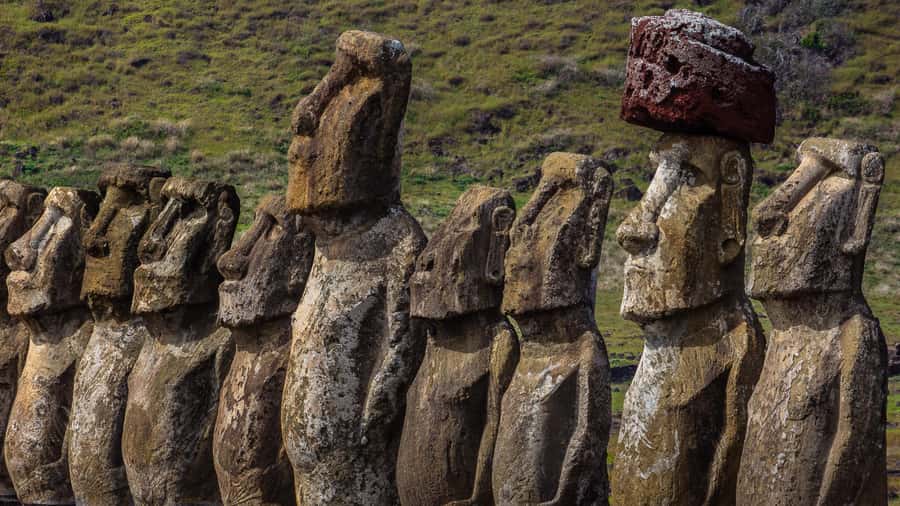
Vaihu is a strong start because it sets the tone for the whole day. Early on, you’re introduced to moai in a way that helps your brain stop treating them as icons and start treating them as monuments with place, purpose, and artistry.
Here’s what you should focus on at Vaihu:
- Look at the moai close enough to notice proportions and how the stone sits in its environment
- Pay attention to how your guide explains creation stories, because the details you learn here often make later stops click faster
- Take a few minutes to just stand among the statues, because these sites can feel unusually still once you slow down
This stop is also where you learn the language of the tour. If you’re going to ask questions, ask them early. Your guide’s answers will help you interpret what you see at Akahanga and Rano Raraku.
Akahanga: Archaeology, Toppled Moai, and the Village Story
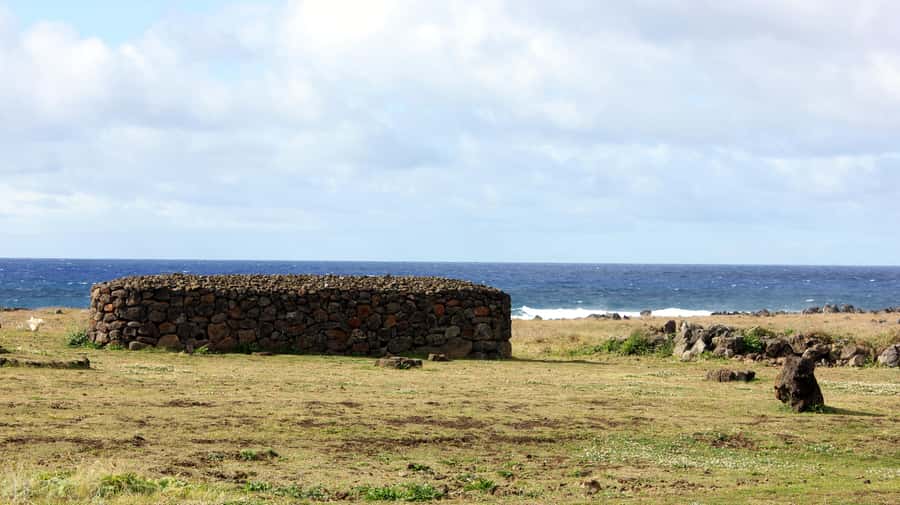
Akhahanga is one of those places where the ground feels like evidence. Instead of only seeing moai in a clean lineup, you’re walking through the remnants of traditional Polynesian village life and the archaeology around it.
What makes Akahanga special is contrast:
- You see moai connected to human settlement, not just isolated monuments
- You’ll encounter toppled moai, and your guide can explain what that means in context
- You’ll get a sense of how the island’s story moved over time, not in one single moment
A common way people experience this stop is emotional, because it’s harder to take a toppled statue lightly. The best move is to pause, look at the ground patterns and stone positions, and listen for why the site is arranged the way it is.
This is also a good stop for questions about daily life, because village remains naturally raise questions about how people lived alongside these stone figures.
The other half of a Easter Island week:
- Full Day Tour in Rapa Nui
★ 4.5 · 122 reviews - 2-Day Private Tour Easter Island Highlights Complete Discovery
★ 5.0 · 110 reviews - Private Tour: Full Day Easter Island Highlights
★ 5.0 · 106 reviews - Full day tour – DREAM
★ 5.0 · 86 reviews
Rano Raraku: The Moai Quarry That Changes How You See Everything
If Vaihu gives you the “what,” Rano Raraku gives you the “how.” This site is the birthplace of many of Easter Island’s iconic moai, carved from the rock at the quarry itself.
When you’re here, you want to pay attention to three things:
- How the stone is worked and what carving a huge face from quarry rock involves
- The scale of effort, because it’s not subtle. You’re looking at evidence of labor on a massive scale.
- How your guide connects the artistry to the bigger island story
Rano Raraku often feels more than scenic. It feels instructional. You walk through a place where you can understand the process behind the monuments, and then you carry that understanding to Tongariki.
Tip: if you’re the photo type, take a wider shot first to understand placement, then come back for closer angles. Rano Raraku looks different once you know what you’re trying to notice.
Tongariki’s Line of Moai: The Biggest Coastal Photo Stop
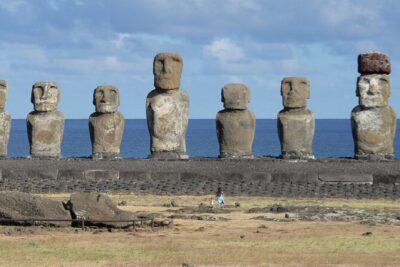
Tongariki is the “wow wall” of the day. Here, moai stand in a long lineup along the coast, with the Pacific in the background. It’s the kind of setting that makes you stop scanning and start looking.
What I love about Tongariki is how the site changes as you shift your position. Even if you think you already saw a moai lineup, Tongariki can surprise you because the alignment and ocean backdrop create scale and symmetry you feel in your body, not just your eyes.
A practical reality check: you may be standing in more open space here, so wear sun protection and expect some wind. Also, some guests note that you might have more beach-time than you expect on certain versions of the day. If you want maximum time for the monuments themselves, focus your schedule on early arrivals at the stop, and keep your questions tight so you don’t lose time to side conversations.
Photo idea that helps: pick one moai to anchor your frame, then capture the lineup. It gives you both a close and a wide story without walking yourself to exhaustion.
Te Pito Kura: Magnetic Stone, Big Ideas, and a Strong Finish
Te Pito Kura is an ending point that blends culture and natural mystery. One of the headline features is the magnetic stone, a geological oddity that helps your guide explain why some parts of Easter Island feel half science, half story.
Here’s how to make this stop land:
- Listen carefully to how your guide links the stone to meaning, because the significance depends on the explanation, not just the object itself
- Give yourself a few minutes to stand back and take in how the site sits in its coastal setting
- Use the last part of the day to ask the question you saved, like how multiple moai sites connect as one island narrative
This stop is a good place for closure. By now, you’ve seen moai in different contexts: sacred settings, village remnants, a quarry, and a coastal lineup. Te Pito Kura ties those observations to the island’s big symbolic ideas.
Price and Value: What You Pay For, What Costs Extra
The price is listed at $70 per person for an 8-hour full-day outing. To judge value on Rapa Nui, I think you have to price it against what you’d spend doing this yourself: transport across the island, a bilingual guide to interpret the sites, and the convenience of pickup and drop-off.
Here’s what you get for the money:
- Hotel pickup and drop-off
- Transportation
- A native guide who speaks English and Spanish
- A small group, limited to 14
What’s not included:
- The national park ticket
- Lunch
One more budgeting tip: even if lunch is not included in the tour price, it’s smart to have a plan for food and water. Some days include a break where you can grab something, but you shouldn’t count on it as a guarantee. Bring water no matter what, and consider a snack so your energy stays steady for the afternoon.
When the day is well-paced, the guide’s value becomes obvious. Guests consistently rate the guiding as a major reason to book this kind of structured day, and you can feel the difference between hearing moai stories once, and understanding why the guide is pointing where they do.
The Guide Factor: Why Your Day Depends on Who Talks First
Even on the same route, the experience changes based on the guide’s style. This tour’s guides are repeatedly described as professional, calm, and responsive to questions.
I pay special attention to a few things when I’m choosing a guided day on Rapa Nui:
- Timing control, so you are not stuck waiting at each stop
- Clear explanations, especially for first-time visitors who don’t yet have the island vocabulary
- A guide who can switch between languages without losing the thread
In the feedback you’ll see names like Hiva, Fernanda, Enrique, Angel, Ata, David Pocho, and Javeria showing up as standout guides. The common pattern is that they do not just recite facts. They guide your attention, so each site feels connected.
If you want a smoother day, come ready with one or two questions before you start. A good example: ask what makes Rano Raraku the start of the moai story, or ask why toppled moai matter for interpreting the island’s past.
Who Should Book This Full-Day Tour (and Who Might Skip It)
This tour is best for you if:
- You want the big Easter Island moai sites in one day and do not want to rent a vehicle
- You like guided context, not just photo stops
- You appreciate bilingual interpretation in English and Spanish
- You’re short on time and want a plan that covers the island’s key viewpoints
You might choose something else if:
- You hate long days, because this is 8 hours
- You want lots of unstructured wandering, because the route is organized
- You’re trying to minimize costs, since you still need the national park ticket and you may want your own food plan
If you’re arriving with limited mobility or you know walking with steps will be tough, it’s smart to evaluate the physical demands of short walks at multiple sites.
Should You Book This Tour?
My take is simple: book it if you want a guided, structured moai day that covers the island’s must-see sites with pickup, bilingual guiding, and small-group size. The $70 price makes sense when you factor in transport across Rapa Nui and the guide’s role in connecting each stop into one story.
The main reason not to book is if you are very sensitive to a long day and tight site timing, or if you do not want to handle extra costs like the national park ticket. If that sounds like you, build a more flexible day with less driving and more solo time.
FAQ
How long is the Easter Island sightseeing full-day tour?
It’s 8 hours.
Is hotel pickup and drop-off included?
Yes, hotel pickup and drop-off are included.
What sites are visited on the tour?
You visit Vaihu, Akahanga, Rano Raraku, Tongariki, and Te Pito Kura.
Does the price include the national park ticket?
No. The national park ticket is not included.
Is lunch included?
No. Lunch is not included.
How big is the group?
It’s a small group limited to 14 participants.
What languages are spoken by the guide?
The guide speaks English and Spanish.
What do I need to bring?
Bring a passport or ID card.
Can I cancel for a full refund?
Yes. You can cancel up to 24 hours in advance for a full refund.
Is there a way to book without paying right away?
Yes. You can reserve now and pay later.
Freshly reviewed in Easter Island
- Easter Island 2 Half Days and 2 Full Days Private Trekking Tour★ 5.0 · 3 reviews
- Astronomical Tour on Easter Island★ 3.5 · 3 reviews
- Full day Private Tour: Poike Walk through the abandoned area★ 4.5 · 3 reviews
- T1-THE GRAND TOUR (non-cruise visitors)★ 5.0 · 3 reviews
- Private Tour: Full-Day Easter Island Birdman Cult★ 5.0 · 3 reviews
- Moai Rise and Fall: Full Day Private Tour★ 5.0 · 3 reviews
- Rapa Nui Astrophotography and Stargazing Night Tour Combination★ 5.0 · 3 reviews
- 4-Day Easter Island Experience with Hotel, Tours & Dinner show★ 5.0 · 3 reviews
Easter Island Tours, compared.
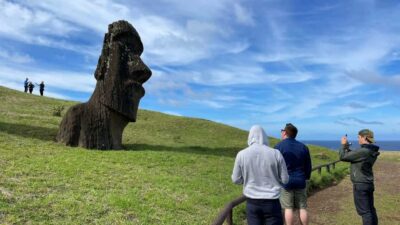
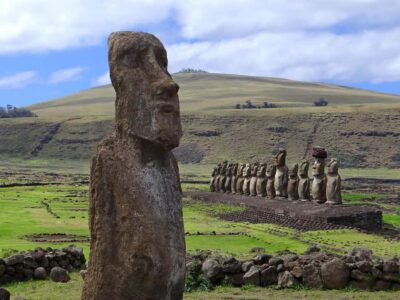
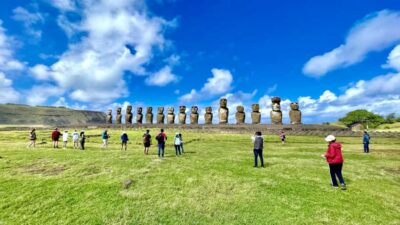
Two days of Full Day Tour of Rapa Nui + Sunrise in Tongariki
Read our review →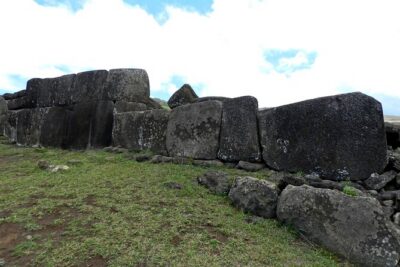
2-Day Private Tour Easter Island Highlights Complete Discovery
Read our review →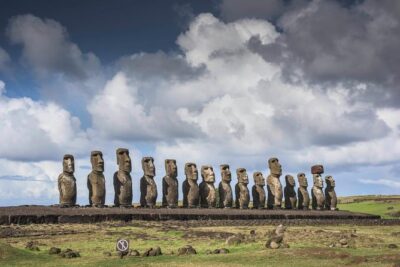
Private Tour: Full Day Easter Island Highlights
Read our review →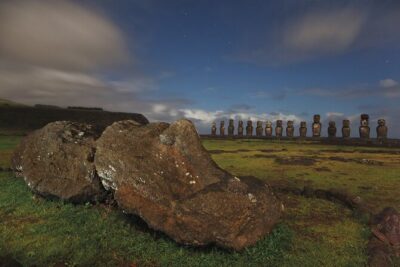
Private Full-Day Easter Island Highlights North and West
Read our review →Browse the lists this tour appears in