
Reviewed · STARGAZING & ASTRONOMY TOURS
The Rapa Nui Stargazing Experience
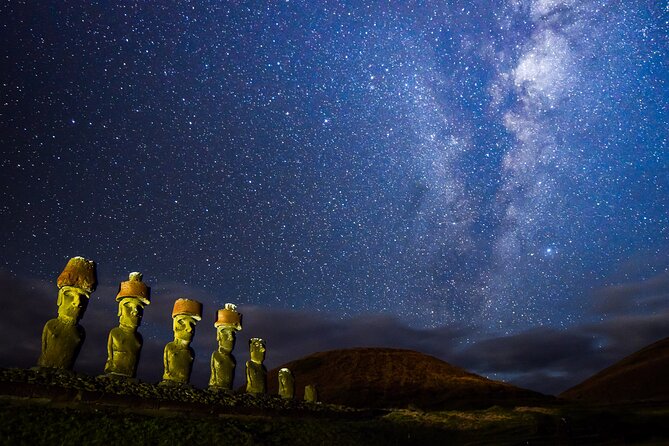
What makes this Stargazing experience interesting is the way it turns southern hemisphere stars into something you can actually understand, not just look at. You get telescopes plus a real orientation to the night sky, then it all ends with Moai on the coast after dark.
I love the telescopes and clear-sky focus, because you’re not stuck doing astronomy by squinting. I also love the Polynesian navigation talk, especially when guides like Mark and Yoyo explain how stars can act like a map.
One possible drawback is simple: it depends on weather. Even if the sky looks fine where you are, wind and cloud patterns closer to the viewing site matter a lot.
Key Things You’ll Notice on This Rapa Nui Night-Sky Tour
- Polynesian navigation and star orientation so the sky has meaning, not just names
- Small group size (max 12) for a more personal, guided flow at the telescopes
- Hot drink and local cake while your eyes adjust to the dark
- Photo time with Moai at night, plus a night photo emailed about 5 days later
- Special night access to Ahu Nau as a final wow moment
- Weather-dependent timing, with a plan to try again if conditions change (when possible)
Why Rapa Nui Stargazing Works So Well at Night on the Coast
Rapa Nui has a way of making the night feel bigger. This tour leans hard into that. Instead of treating stargazing like a quick stop, you get time to set up, get your bearings, and actually see more than the brightest dots.
What I like about this is the balance. You’re not just standing in the dark waiting for clouds to decide your fate. You get a guided talk on Polynesian navigation techniques, plus practical telescope observing. That combination helps you see the difference between a random star field and a sky you can track.
Still, you should be honest with yourself about expectations. This is a 3-hour experience, and it can only work if the sky cooperates. If the forecast changes fast, the tour tries to respond, but you can’t control the atmosphere.
Other nights under the desert sky:
- Rapa Nui Stargazing
★ 4.5 · 62 reviews - Rapa Nui Astronomical Experience
★ 5.0 · 19 reviews - Easter Island: Rapa Nui Stargazing Tour
★ 4.8 · 16 reviews
Meeting at Katipare Library and What the First 30 Minutes Are For
You start at KatipareHanga Roa, Easter Island, at the Centro Lector Katipare area. During the summer season, plan to meet in the 20:30 to 21:00 window. In winter, it’s 19:30 to 20:00. Start time can feel confusing because the listing mentions a start time of 7:00 pm, but the key is this: arrive in the local meeting window so you can begin right on schedule.
Why that matters: early minutes are when your body and your eyes need to shift into night mode. One of the best parts of the guide-led flow is the pacing. The night-sky talk comes early, which gives your eyes time to adjust before you start looking through optics.
Also, you’ll be with a small group. With up to 12 people, you’re less likely to spend the whole tour behind someone else’s head. That’s a real difference at a telescope.
The Navigation Talk Near Anakena, Plus a Quick Coffee Break
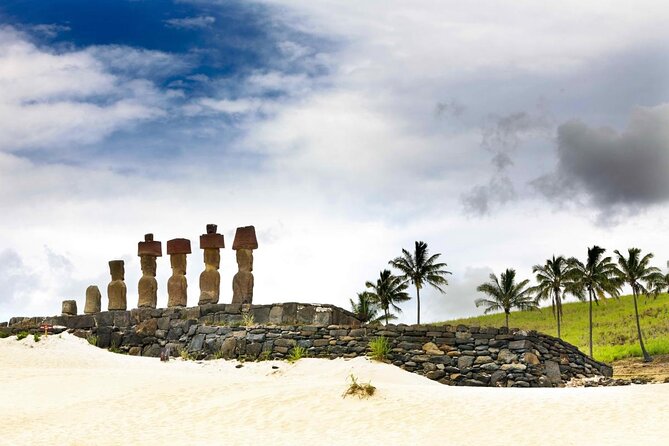
After meeting, the tour heads toward the Anakena beach area. Your first big block is a talk centered on Polynesian navigation techniques and how the night sky can be used for direction and travel.
This is one of the smartest choices in the whole format. If you only stare at stars, you might leave with pretty images but zero connection. With this talk, you start recognizing patterns and understanding what guides are pointing out. It turns the southern sky into something interactive.
You also get a coffee break here. That matters more than it sounds. You’re out for hours, it’s dark, and you’ll be standing around. A warm drink makes it easier to stay still long enough to see faint details.
Then the group moves into the observation and photo parts of the night. You’re essentially going from story mode to see-it-with-your-own-eyes mode.
Telescope Time at the Remote Site: More Than Just Bright Stars
Before you do the final Moai viewing, the tour sets up telescopes at a remote observation site. The goal is to improve what you can see by removing as much local distraction as possible, and to put you in the best position for the sky.
This is where you’ll notice why the group size is capped at 12. Telescopes take time, and switching between targets is slow by design. You’re not racing through a checklist. The guides orient you, then you look.
Based on guide-led nights, you can expect to see highlights like:
- The Milky Way
- The moon and planets
- Fainter targets such as nebulae (when skies allow)
- Even dramatic views like Saturn’s rings through good optics
That range matters for value. A cheaper stargazing outing might show you one or two bright planets and call it a night. Here, the experience is built around showing you what the telescope can actually reveal.
One practical thought: the sky can clear and cloud over. If clouds roll in, the guides do not just wait silently. The flow stays guided, and you still get explanations when conditions shift.
A few more Easter Island departures to weigh up
- From Hanga Roa: Rapa Nui Culture Sightseeing Tour
★ 4.6 · 307 reviews - From Hanga Roa: Easter Island Highlights 2-Day Tour
★ 4.3 · 205 reviews - From Hanga Roa: Easter Island Sightseeing Full Day Tour
★ 4.5 · 189 reviews - Two days of Full Day Tour of Rapa Nui + Sunrise in Tongariki
★ 4.5 · 132 reviews
Anakena Beach Photos at Night: Moai First, Then the Sky
After telescope setup, the tour includes photo time near Anakena beach with Moai in the dark. This is a special Rapa Nui moment. Standing with the ocean nearby, you’re not viewing Moai in daylight when details are obvious. You’re seeing them as silhouettes and geometry against night sky tones.
Your photo is taken during the session and sent to you by email about 5 days later. The reason for the delay is practical: internet can be slow on the island, so the team sends after it uploads reliably.
This part is not just about selfies. It’s about storytelling. You’ll remember the night as a full scene, not just a star chart in the back of your mind.
Also, note the tour is designed to work with timing. When conditions change, guides may adjust the schedule to use the best windows available. That flexibility is one reason the reviews are so consistently positive about problem-solving.
Special Access to Ahu Nau at Night: The Closing Wow Moment
The last stop is the one that makes this tour feel different from a generic stargazing event: special night access to Ahu Nau. You get to experience a Moai platform at night, not as a daytime viewpoint, but as a dark, quiet place under the stars.
This matters because most sightseeing on Rapa Nui happens in daylight, when everything is visible but also crowded and bright. Ahu Nau at night shifts the whole mood. Even if the sky is only partially clear, that night access can still land as an emotional highlight.
It also completes the tour’s rhythm. You start with education, move into telescope observing, add the Moai beach photo moment, and then finish with Ahu Nau as the final statement.
If you are chasing a single memory for your first trip to Rapa Nui, this closing stop is the one to watch.
Price and Value: What $125 Buys You Here
At $125 per person for about 3 hours including transportation, the value depends on what you care about.
Here’s what you’re paying for, beyond the stars:
- Guided astronomy plus Polynesian navigation techniques, not just pointing at constellations
- Telescope viewing for planets and more, when skies allow
- A small group cap of 12 travelers, which improves your chance to actually see through the gear
- Hot beverage and local cake included, which makes it realistic to stay out longer
- Moai photo time and an emailed photo after about 5 days
- Special access to Ahu Nau at night
Where you should be thoughtful is the weather factor. This tour is honest about it being weather dependent. If the night is washed out by clouds or conditions are too windy, you may not get the full sky you hoped for. The upside is that the operators check conditions at the observation site, not just in town, and they have a plan to try again when possible.
In plain terms: you’re paying for a guided, equipment-based experience that also includes night Moai. If that mix fits your trip style, the cost makes sense.
Weather Odds, Wind Checks, and How to Think Like a Stargazer
With a stargazing tour, you book a window, not a guarantee. This one is explicit that it runs based on favorable conditions.
One useful detail from a real-world situation: even when the sky looks clear in town, the team focuses on conditions near the observation site. Wind is a big deal for comfort and safety, and they’ve canceled when wind reached about 35 km/h.
So how do you improve your chances as a traveler?
- Keep your schedule flexible if you can. Booking a single night is riskier than having a backup option.
- Arrive early in the meeting window so you don’t miss the start of the talk and the eyes-adjusting phase.
- Dress for outdoors at night, and plan to stand still for long periods. It’s not a walk-and-tour kind of experience.
If weather changes while you’re out, the tour tries to take you out again for free on another night when availability allows. And if the tour is canceled completely due to poor weather, you get an alternative date or a full refund.
That approach is about protecting the experience, not just moving money around.
How Far Ahead You Should Book (And Why 64 Days Matters)
On average, this kind of tour gets booked about 64 days in advance. That tells you something important: people do not treat night-sky time like a casual add-on.
If you want the best chance of a good match for your schedule, I’d book early rather than assuming you can decide last minute. With only 12 travelers max, popular nights can fill.
The practical takeaway: if stargazing and night Moai are part of your Rapa Nui plan, treat this like one of the must-do evening slots.
Who This Tour Is Perfect For, and Who Might Want Something Else
This works best if you:
- Want more than a basic star tour, and you like learning how navigation and constellations connect
- Enjoy telescope time and want to see planets and the Milky Way with help
- Want a night photo moment with Moai, including Ahu Nau access at night
- Prefer small-group experiences where you can take turns and actually see what the guide is showing
You might want a different option if:
- You dislike waiting in the cold dark for clouds to pass
- You need a guaranteed outcome no matter the weather. This tour depends on it
If you are a first-time visitor to Rapa Nui, the combination of education plus Moai at night is a strong intro to what makes the island unique.
Should You Book This Rapa Nui Stargazing Tour?
Yes, if your trip includes one must-do night event. This tour gives you three things in one: guided star understanding, real telescope views, and a memorable night Moai finish with Ahu Nau access.
I’d book it especially if you care about learning the southern sky and you’re excited by the idea of seeing more than just the brightest stars. The $125 price is easier to justify when you factor in the small group, telescopes, included snacks, and the emailed photo.
Just be smart about weather. Bring a flexible mindset, choose your night thoughtfully, and plan for the possibility that the sky needs a second try.
FAQ
Where do I meet for the Rapa Nui stargazing tour?
You meet at Centro Lector Katipare (KatipareHanga Roa, Easter Island). In summer, you meet in the 20:30 to 21:00 window, and in winter, it is 19:30 to 20:00. The tour starts after you gather.
How long is the tour?
The experience runs for about 3 hours, including transportation back to your lodging.
What’s included during the tour?
You’ll have telescope observing and a talk on Polynesian navigation techniques, plus a coffee break. Hot beverage and local cake are included, and the tour also includes photo time with Moai near Anakena and special access to Ahu Nau at night.
When will I get the photos by email?
Your photo is sent by email in about 5 days.
What happens if the weather is bad or changes during the tour?
The tour depends on favorable conditions. If weather changes while you are out, they will try to take you out again free of charge on another night, subject to availability. If the tour is canceled completely due to poor weather, you are offered an alternative date or a full refund.
What is the refund policy if I cancel?
You can cancel for a full refund if you cancel at least 24 hours before the tour starts. After the tour starts, there are no refunds.
Freshly reviewed in Easter Island
- Easter Island 2 Half Days and 2 Full Days Private Trekking Tour★ 5.0 · 3 reviews
- Astronomical Tour on Easter Island★ 3.5 · 3 reviews
- Full day Private Tour: Poike Walk through the abandoned area★ 4.5 · 3 reviews
- T1-THE GRAND TOUR (non-cruise visitors)★ 5.0 · 3 reviews
- Private Tour: Full-Day Easter Island Birdman Cult★ 5.0 · 3 reviews
- Moai Rise and Fall: Full Day Private Tour★ 5.0 · 3 reviews
- Rapa Nui Astrophotography and Stargazing Night Tour Combination★ 5.0 · 3 reviews
- 4-Day Easter Island Experience with Hotel, Tours & Dinner show★ 5.0 · 3 reviews
Stargazing & Astronomy Tours, compared.
The Roofless Experience San Pedro de Atacama Stargazing Tour
Read our review →

Astronomical Tour with Guide and Pick Up San Pedro de Atacama
Read our review →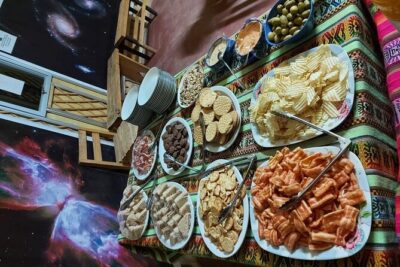
“Astronomical Adventure in San Pedro de Atacama”
Read our review →Browse the lists this tour appears in