
What makes this Rapa Nui astronomical experience so interesting is the way it links the night sky to everyday culture, not just astronomy facts. I like that the guide, Tokerau (with Itaman helping at times), shares Rapa Nui sky legends and star-navigation ideas while you are actually looking up.
I also like that the experience ends at Anakena Beach with a professional photo session in front of the Moai. You are basically collecting two kinds of memories, the sky you learned to read, plus photos you can share without trying to fight your camera in the dark.
One possible drawback: it is an evening tour starting at 8:30 pm and it depends on clear weather. If skies are cloudy, stargazing can be less impressive, and you should dress for cold night air.
Key highlights that make this tour worth your time
- Polynesian star navigation stories with real names like Tokerau and Itaman
- Professional telescopes tuned for southern hemisphere sights
- Small group size (max 10), so you get time to ask questions and take photos
- A night-to-night flow: stories at dusk, telescope viewing as it gets fully dark, then Moai backdrop photos
- Moai + stars at Anakena Beach, with help for a guided photo moment
- Snacks and drinks included, including hot drinks on the telescope side
Papa Vaka at dusk: starting with stories, not lectures
This tour begins in the evening, as the light fades along the northeast coast area of Easter Island. Instead of launching straight into sky spotting, you start with conversation and cultural context. This is where Tokerau’s style matters, he explains what the stars meant to Rapa Nui navigators and how oral history shaped what people noticed in the sky.
I like that the start feels human. You are not just hearing facts, you are hearing legends and oral history, plus the sense of how the cosmos worked as a map for travel and timing. There is also traditional Polynesian music during the sky portion, which helps the whole night feel like part of the island, not a science class in the dark.
Practical note: you will likely feel the temperature drop as the sun goes down. Bring a warm layer even if daytime felt mild. The ocean air is part of why the sky can look so sharp, but you do not want to be distracted by being cold.
Other nights under the desert sky:
- Rapa Nui Stargazing
★ 4.5 · 62 reviews - The Rapa Nui Stargazing Experience
★ 4.5 · 32 reviews - Easter Island: Rapa Nui Stargazing Tour
★ 4.8 · 16 reviews
Telescope time at night: what you can actually expect to see
As night settles, the tour shifts into premium stargazing with professional telescopes. This is one of the best value pieces of the evening because a telescope changes what you can see. With binoculars or a camera alone, you can spot bright stars. With a telescope, you can pick out details that are simply not possible from the ground without help.
On clear nights, the telescope experience can include views of Saturn, Jupiter, the Orion nebula, and the moon. That exact set of targets comes up in guide-led viewing, so it gives you a realistic idea of the kinds of “wow” moments to aim for. The sky is in the southern hemisphere, so you are not stuck trying to hunt familiar northern patterns.
You also get guided pointing. You do not just get a telescope and told good luck. Your guide helps you find the objects, and then shows you how to look once you are on target. That matters, because the first few minutes with a scope can feel like fumbling unless someone shows you the right method.
And yes, there is often a small “refreshment break” element during the telescope time. You might get hot and cold drinks, plus local snacks such as po’e. It sounds minor, but it keeps the night comfortable, and it helps the tour feel like a shared experience instead of a rushed stop.
The cultural part is the point: how star navigation becomes a story you can use
What really elevates this tour is the connection between the sky and navigation. You learn the idea that Polynesian navigation relied on patterns in the heavens, not just coastlines and maps. Tokerau’s teaching centers on how his ancestors used the night sky to reach and settle on Rapa Nui, which is a powerful way to understand why particular stars and landmarks mattered.
For you, this turns stargazing into something more active. Instead of passively watching stars, you start making mental links: where to look, what to notice, and why those observations mattered. Even if you never become a navigator, you walk away with a new skill, reading the sky with purpose.
The guide also shares songs passed down through his ancestors. That is not just background. When you hear the way music and storytelling tie into the night sky, it makes the whole evening feel earned, like you understood something, not just “did a thing.”
Anakena Beach after dark: Moai, stars, and a real photo moment
The final part takes you to Anakena Beach at night for an exclusive nighttime visit. This is the iconic scene you came for, Moai in the frame with a dark sky above. The big difference is that this is not a daytime snapshot. At night, the Moai feel more mysterious, and the sky becomes the other half of the image.
A professional photo session is part of the experience here. That is a huge practical advantage. Star photos fail for normal travelers for two reasons: camera settings in the dark are tricky, and motion blur happens fast when you are adjusting focus. With guidance and a set photo plan, you get a better chance at photos that actually show the sky and keep the scene sharp enough to be recognizable later.
In the dark, your guide can help with positioning so the Moai and stars line up the way you want. One of the strongest ideas from guide-led nights on the island is that the Milky Way and stars can appear dramatically in the same frame as the stone giants. Even if you are not chasing astrophotography nerd results, you still end up with “this was Easter Island” photos.
Timeline-wise, expect this ending segment to be about one hour. That gives enough time for at least a couple of photo setups without dragging the night into something exhausting.
A few more Easter Island departures to weigh up
- From Hanga Roa: Rapa Nui Culture Sightseeing Tour
★ 4.6 · 307 reviews - From Hanga Roa: Easter Island Highlights 2-Day Tour
★ 4.3 · 205 reviews - From Hanga Roa: Easter Island Sightseeing Full Day Tour
★ 4.5 · 189 reviews - Two days of Full Day Tour of Rapa Nui + Sunrise in Tongariki
★ 4.5 · 132 reviews
Small group size and guide energy: why this feels personal
With a maximum of 10 travelers, the group size stays controlled. That helps a lot in a stargazing setting. Telescopes take time, people need turns, and you want enough quiet for listening and looking. In a small group, your guide can slow down when you need a second explanation.
The guide team also matters. Tokerau leads the cultural teaching and telescope guiding, and Itaman can support with setup. In one example, the guide pair made time for a clear look at Saturn and Jupiter, plus the Orion nebula and the moon, while also keeping the experience entertaining and musical.
The vibe tends to be playful and warm. Hot drinks appear, snacks happen, and there is a sense that the guide genuinely enjoys the work. That is not a guarantee everywhere on Easter Island, so for value, it is worth noting.
Price and value: what your $160 is buying you
At $160 per person, this is not a budget activity on Easter Island. But it can still feel like good value because you are buying a bundle of hard-to-source items.
You are getting:
- Professional telescopes (not just a speaker and a basic handout)
- Guided stargazing with help finding objects
- Cultural storytelling centered on Rapa Nui star navigation
- Traditional music
- Admission tickets included for the experience stops
- A professional photo session at Anakena
If you tried to recreate this on your own, you would run into the same friction points: telescope access, clear guidance, and a photo session plan. Without those, you might still see stars, but you would likely lose the “learning plus results” part. Here, the learning and the photo payoff are built into the structure of the night.
Also, it is typically booked about 30 days in advance. That is not a reason to panic. It just tells you that the schedule fills, and you should pick your date early if you want a spot.
Timing and practical tips for an 8:30 pm start
This tour starts at 8:30 pm and runs about 3 to 4 hours. That timing is intentional. You want dark skies for real telescope viewing and for the best impact of Anakena Beach photos.
To get the most out of it, do the boring but important things:
- Dress for cold night air. Bring a warm layer and something windproof.
- Wear shoes that are comfortable on uneven ground near the coast and beach areas.
- If you plan to take your own photos, use a phone flashlight sparingly. Flashing your eyes into brightness makes night viewing harder.
- Keep your camera accessible, but do not rush to shoot at every moment. Look first. You will recognize patterns faster when you slow down.
One more tip: arrive ready to listen. The cultural parts are a big part of why the tour scores well. If you treat it like a time-limited photo shoot, you miss half the experience.
Who should book this tour, and who might not
You should strongly consider this if:
- You want a single evening that combines culture, stargazing, and a Moai photo moment.
- You care about guided telescope viewing, not just “see stars from a viewpoint.”
- You enjoy learning how people used the sky in practical ways, star navigation for travel and settlement.
You might choose something else if:
- You are only interested in daylight sights. This is a night experience, so the timing is non-negotiable.
- You expect guaranteed spectacular views every single minute. It requires good weather, and cloud cover can reduce what you see through the telescope.
Most people can participate. The tour is not described as limited to hikers or athletic travelers, so it should work for a wide range of visitors, as long as you are comfortable standing during portions of the night.
Should you book Rapa Nui Astronomical Experience?
I think you should book it if you want the best kind of Easter Island evening, one where the sky has meaning and you still go home with photos that look like you planned them well.
The biggest reasons to say yes are the ingredients that are hard to duplicate: professional telescope time, cultural storytelling tied to navigation, and a photo session at Anakena Beach with the Moai in frame. Add a small group size and the Tokerau-led style, and this can easily become your standout night on the island.
If you hate cold nights or you are traveling during a period when you expect lots of cloud cover, you might feel nervous. In that case, book with flexibility and keep a backup plan in mind, since weather can affect stargazing quality.
FAQ
What time does the tour start?
The experience starts at 8:30 pm.
How long is the experience?
It runs about 3 to 4 hours.
How many people are in the group?
The group has a maximum of 10 travelers.
Is the price $160 per person?
Yes, it is listed at $160.00 per person.
Does the tour include entry fees and photos?
Yes. Admission tickets are included, and the Anakena Beach portion includes a professional photo session.
What happens if the weather is bad?
This experience requires good weather. If it is canceled due to poor weather, you will be offered a different date or a full refund.
Freshly reviewed in Easter Island
- Easter Island 2 Half Days and 2 Full Days Private Trekking Tour★ 5.0 · 3 reviews
- Astronomical Tour on Easter Island★ 3.5 · 3 reviews
- Full day Private Tour: Poike Walk through the abandoned area★ 4.5 · 3 reviews
- T1-THE GRAND TOUR (non-cruise visitors)★ 5.0 · 3 reviews
- Private Tour: Full-Day Easter Island Birdman Cult★ 5.0 · 3 reviews
- Moai Rise and Fall: Full Day Private Tour★ 5.0 · 3 reviews
- Rapa Nui Astrophotography and Stargazing Night Tour Combination★ 5.0 · 3 reviews
- 4-Day Easter Island Experience with Hotel, Tours & Dinner show★ 5.0 · 3 reviews
Stargazing & Astronomy Tours, compared.
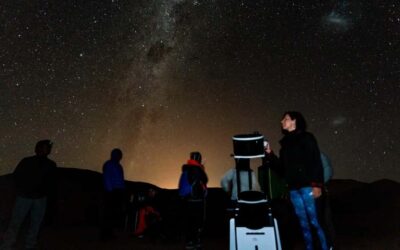
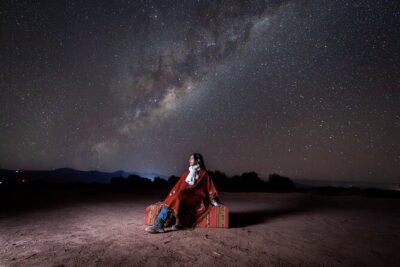
The Roofless Experience San Pedro de Atacama Stargazing Tour
Read our review →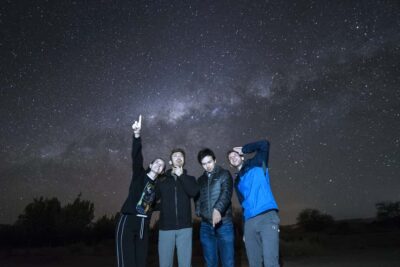
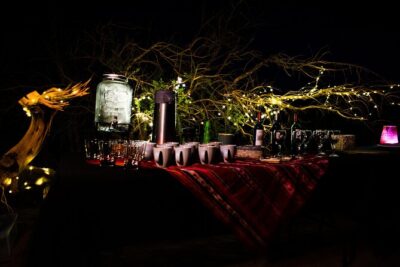

Astronomical Tour with Guide and Pick Up San Pedro de Atacama
Read our review →
“Astronomical Adventure in San Pedro de Atacama”
Read our review →Browse the lists this tour appears in