
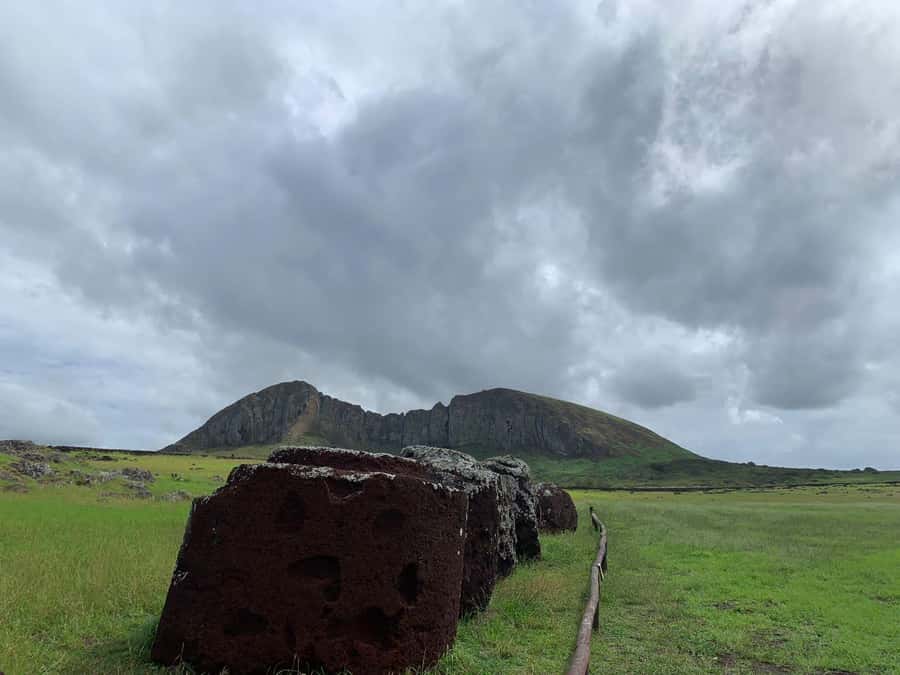
Reviewed · HISTORICAL TOURS
Private tour: where the history of the Moai was born
What makes this tour special is the way it tells the moai story in the places where it actually happened, starting at the quarry where they were made and ending at the sea. You’ll move through sites that show moai at different stages, then finish with the ocean views at Anakena. Rano Raraku is the key stop that turns the mystery into something you can see with your own eyes.
I especially like the native guide angle. You get English or Spanish, plus storytelling that makes the island feel like more than just stone statues on a map. I also like the small group size, limited to 4 people, which helps you ask questions and get real time at the stops.
One thing to watch is pacing. The tour is listed as 7 hours, but if you end up with a tighter schedule or last-minute changes, you might feel rushed rather than comfortable.
Key highlights to know before you go
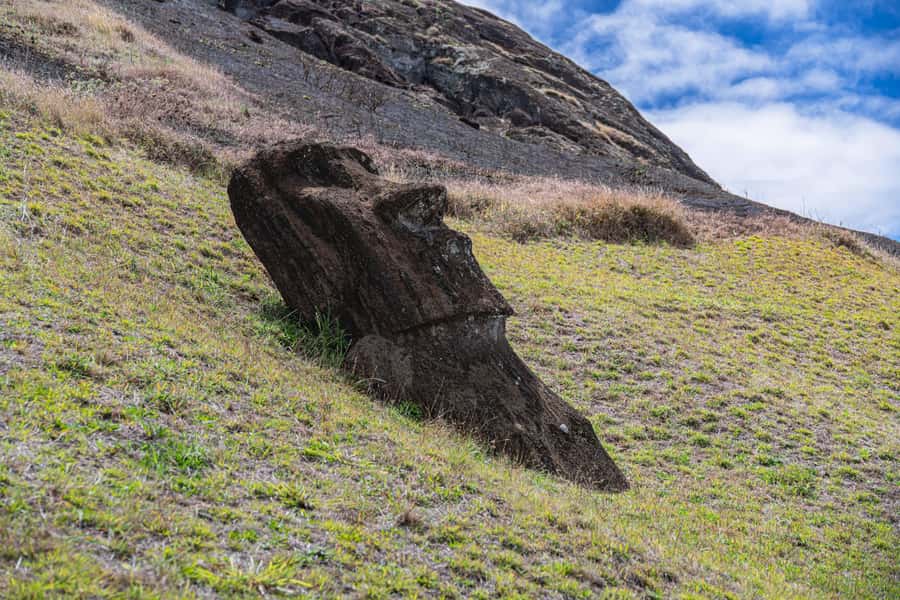
- Rano Raraku quarry: moai in different creation stages, including rough blocks to nearly finished figures
- Tongariki sunrise setup: the largest row of standing moai, facing the sunrise for maximum wow
- Akahanga toppled moai and platforms: a look at settlement remains and statues in various states
- Te Pito Kura mystery stop: a huge moai plus a famous spherical stone you’ll hear myths about
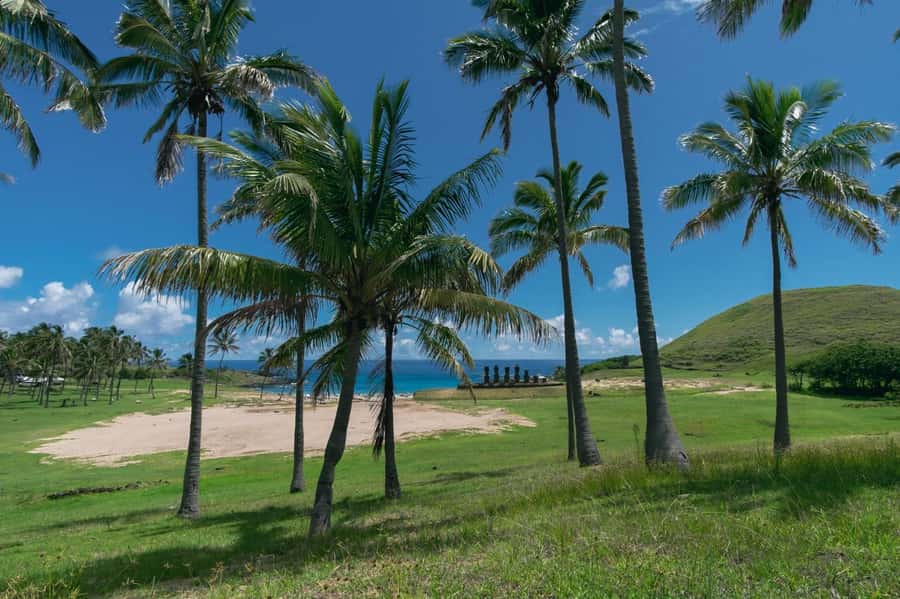
- Anakena Beach wrap-up: white sand, palms, sea views, and a real chance to slow down
- Small group feel: limited to 4 participants, which is great for questions and timing
The moai origin route: why this 7-hour loop works
This tour is built like a cause-and-effect story. Instead of seeing moai as identical photo backdrops, you watch how they were made, moved, and arranged across different sites. That is what makes the day feel more meaningful, especially if you have only one full day on Easter Island.
You will cover six key stops in about 7 hours, with pick-up and drop-off included. The pace is active, but the stops are spaced to keep the story readable: quarry first, then “in-progress” and “finished” appearances, then toppled and legendary sites, then the beach finale.
A few more Easter Island departures to weigh up
- 2 Day Private Tour: Easter Island’s Cultural Heritage
★ 5.0 · 40 reviews - 2 Day Small Group Tour in Moai Monuments and Historic Pathways
★ 5.0 · 22 reviews - Easter Island: Private Full Day History Of The Moai
★ 4.6 · 12 reviews
Who it suits best
This is a strong fit if you want structure without feeling trapped in a big bus group. Because it is limited to 4 people and guided by a native, it works well for couples, solo travelers, and anyone who likes asking questions when something puzzles them. If you hate rushing, I’d go in with the mindset that you will need to communicate your preferred speed on the day.
Price and what you actually get for $150
At $150 per person for a 7-hour private tour, you’re paying for three practical things that matter on Easter Island: local expertise, transportation, and a guide who can shape the day around what you want to learn.
What’s included:
- Native guide
- Transportation
- Pick up and drop off
What’s not included:
- National Park ticket
That last item matters for budgeting. Since it is not included in the price, plan on adding that cost on top. Also, because the tour is tied to specific sites, having your park ticket sorted before the day keeps things smooth.
In short, the value comes from the guide and the routing, not just “getting driven around.” If you care about context, the cost makes sense. If you only want quick photos and you already know the basics, you may decide the extra guided time is not necessary.
The morning start: Vaihu and the moai you find lying down
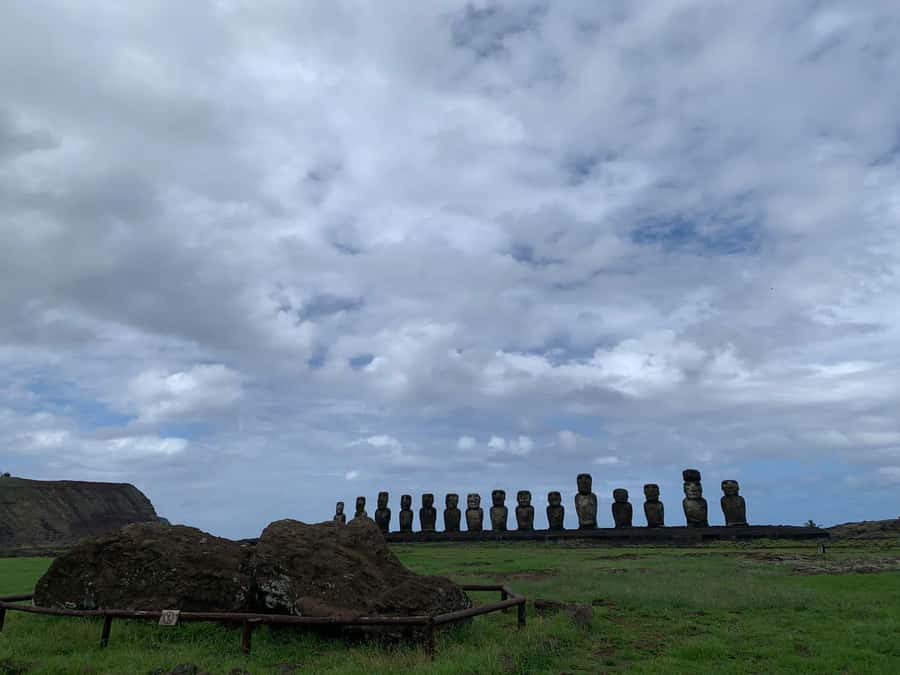
Your day begins at Vaihu, where moai sit scattered across the ground. This is one of those moments that changes how you see the whole island, because it breaks the “standing statues only” mental image.
At Vaihu, the big benefit is perspective. You’ll be able to look at the scale and craftsmanship without the pressure of the classic postcard lineup. Your guide will explain the moai mystery and connect what you see here to what comes next, especially the idea that these statues had real roles in island life beyond simple decoration.
A practical note: stone sites can be dusty and bright. Wear sun protection, bring water, and be ready for walking on uneven ground.
The other half of a Easter Island week:
- From Hanga Roa: Rapa Nui Culture Sightseeing Tour
★ 4.6 · 307 reviews - From Hanga Roa: Easter Island Highlights 2-Day Tour
★ 4.3 · 205 reviews - From Hanga Roa: Easter Island Sightseeing Full Day Tour
★ 4.5 · 189 reviews - Two days of Full Day Tour of Rapa Nui + Sunrise in Tongariki
★ 4.5 · 132 reviews
Akahanga: settlement remains and toppled moai in stages
Next comes Akhahanga, a site that adds a key layer to the story. Instead of focusing only on sculptures, you’ll look at remnants of ancient settlement structures and platforms, plus moai lying toppled in different stages.
This stop is valuable because it gives you a “how things changed” feeling. The island isn’t frozen in time, and neither are the statues. The guide’s storytelling helps you connect toppled figures to the larger arc of Rapa Nui life, including why statues might end up out of place.
If you’re the type who loves details, this is the place to ask follow-up questions. Even if you’ve read a few explanations online, hearing it in person helps you place the statues into a timeline you can actually remember.
Rano Raraku: the quarry where moai were born
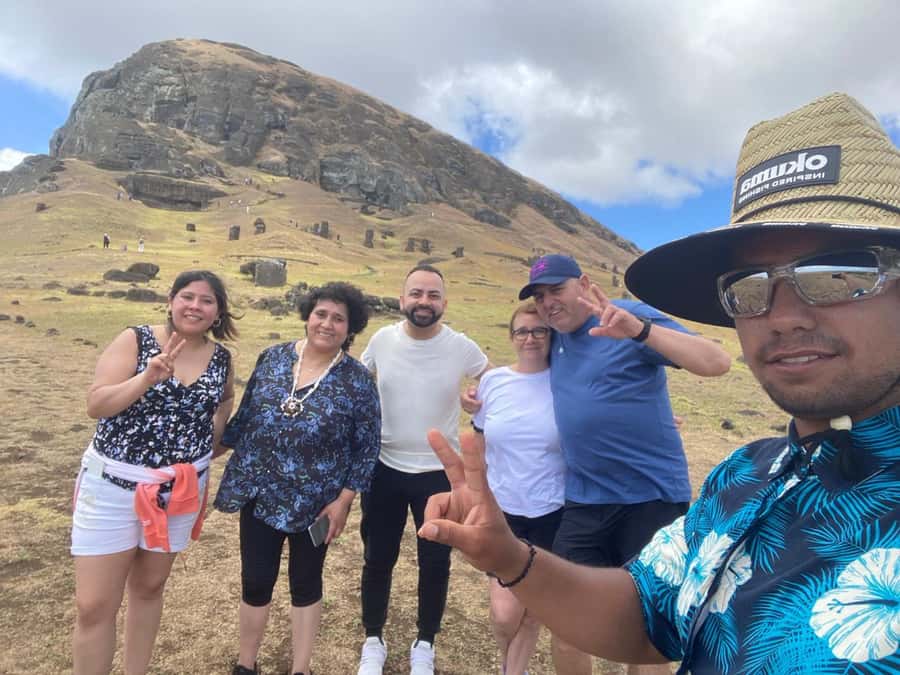
Then you hit the star stop: Rano Raraku. This volcanic crater quarry is described as the birthplace of the moai, and that claim becomes real fast once you’re standing in the working area.
What you’ll see:
- moai in different creation stages
- rough-hewn blocks
- figures that look nearly finished
This is where the day shifts from “history as images” to “history as process.” The quarry shows that the moai were not just sculptures that appeared. They were made step by step, with the island’s stone and the islanders’ skill.
If you want photos, plan to move slowly here. The scale can overwhelm you at first. Take a moment to look at the site like a workshop, not like a museum.
Tongariki: the standing row facing the sunrise
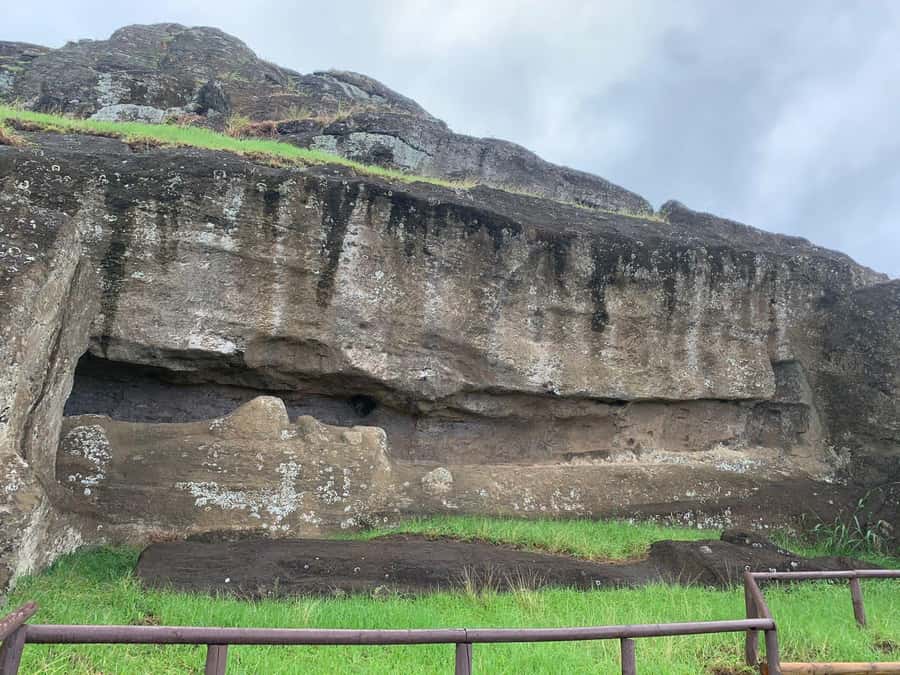
After the quarry, Tongariki feels almost like a reward. You’ll see the largest collection of standing moai, arranged in a row facing the sunrise.
This is a classic “wait for the light” type of stop. When the morning sun hits the stone, it gives the statues a warm, dramatic look. If you want your best photos, bring patience and let your eyes adjust, because the details on the faces and the shadows around the bases tell more than a quick snapshot does.
Also, this stop tends to work well for mixed groups because it’s visually obvious right away. Even if you’re not obsessed with moai chronology, you’ll still feel the impact of standing statues lined up with intention.
Te Pito Kura: giant stone plus myths you’ll want to hear
Next is Te Pito Kura, where the vibe turns more mysterious. You’ll see an enormous moai and a spherical stone that many people associate with special meaning.
The guide shares myths connected to this area, and that’s the point. You aren’t just walking through “facts.” You’re hearing how Rapa Nui culture tries to explain what mattered and why. If you like stories that sit between legend and interpretation, this stop is a good fit.
A tip for this site is to stand back for a second. When a place is shrouded in mystery, the details you’ll hear can make more sense once you’ve taken in the full setting, not only the main statue.
Anakena Beach finale: relax, reset, and look back
You finish at Anakena Beach, with white sand, palms, and the Pacific right there in front of you. You’ll also see moai standing against the seascape backdrop, so the day comes full circle from quarry process to how statues were placed in sacred and communal settings.
This is your best chance to exhale. If you still have energy, the water is right there, and swimming in a calm-weather window can feel like the perfect ending after a day of stone and sun. Even if you just sit and watch the waves, Anakena helps the story land in your body, not only in your head.
One bonus from real-world experiences on this route is that people often use the Anakena time for a proper meal. If you want to eat something local, ask your guide what’s best around this stop, since they know how the timing usually works.
The real secret: the native guides (and their style)
The guides are a big part of why this tour gets strong ratings. You can feel the difference when someone grew up with the island’s context and can translate it into clear, human stories.
On similar days, I’ve seen guides like Tete keep things fun without rushing you, with humor that makes the moai story easier to hold onto. I’ve also seen Sophia adapt the day when she has fewer people, and even help with small language moments, like teaching Chilean Spanish along the way. And when Hella runs the schedule smoothly, it feels like you get just enough time at each site to see the key points without feeling dragged.
What to do as a smart traveler:
- Bring questions you genuinely care about, not just random curiosities
- Tell your guide your pace preference at the start
- If you want more cultural context about people and settlement, say so early, because that influences how much time they spend explaining
Timing and pacing: how to avoid the rushed feeling
The tour is designed for 7 hours, and the itinerary includes a lot of ground. That means you should assume the day will be active, with driving between sites and some walking and sun exposure at each stop.
To avoid the “we got pushed through too fast” scenario:
- Ask your guide how long you’ll get at each stop
- If you’re taking photos, let them know immediately so they can help manage time
- If the pickup seems late or off, speak up right away, since one adjustment can ripple through the day
Also, since the National Park ticket is not included, make sure you handle that before you need it. A quick delay for entry can cost time you hoped to spend at Rano Raraku or Tongariki.
Getting the most from your day: what to pack and how to move
Easter Island days can be sun-heavy and a bit dusty. You’ll be happier with a simple kit:
- Sun protection and sunglasses
- Water for the road and walking breaks
- Comfortable shoes for uneven stone paths
And here’s the trick for making the moai story “click” by the end of the day. At each stop, pick one thing to focus on:
- At Vaihu: what changes between toppled and standing pieces
- At Akahanga: what settlement remains suggest about daily life
- At Rano Raraku: the idea of carving stages
- At Tongariki: alignment and how sunrise changes the mood
- At Te Pito Kura: what myths might mean to people today
- At Anakena: how the island’s natural setting shapes the statue placement
Should you book this tour?
Book it if you want a guided, story-driven moai day with a native guide and a small group size that keeps things flexible. This route is especially good if you care about how the moai were made and where that process fits into the island’s broader history.
Skip or choose another option if you only want quick stops and minimal walking, or if you’re extremely sensitive to timing. Since the park ticket is not included and the day is tight by design, you’ll enjoy it more if you plan ahead and communicate your ideal pace.
If you’re choosing between going “just to see statues” and seeing moai with context, this tour leans hard toward context. And on Easter Island, that is the difference between a photo memory and a real sense of place.
FAQ
How long is the tour?
The tour duration is 7 hours.
What is included in the price?
The tour includes a native guide, transportation, and pick up and drop off.
Do I need a National Park ticket?
Yes. National Park ticket is not included.
How big is the group?
It is a small group limited to 4 participants.
What languages are the guides?
The live tour guide is available in English and Spanish.
Is there free cancellation?
Yes. You can cancel up to 24 hours in advance for a full refund.
Can I pay later?
Yes. The booking offers a reserve now, pay later option.
Freshly reviewed in Easter Island
- Easter Island 2 Half Days and 2 Full Days Private Trekking Tour★ 5.0 · 3 reviews
- Astronomical Tour on Easter Island★ 3.5 · 3 reviews
- Full day Private Tour: Poike Walk through the abandoned area★ 4.5 · 3 reviews
- T1-THE GRAND TOUR (non-cruise visitors)★ 5.0 · 3 reviews
- Private Tour: Full-Day Easter Island Birdman Cult★ 5.0 · 3 reviews
- Moai Rise and Fall: Full Day Private Tour★ 5.0 · 3 reviews
- Rapa Nui Astrophotography and Stargazing Night Tour Combination★ 5.0 · 3 reviews
- 4-Day Easter Island Experience with Hotel, Tours & Dinner show★ 5.0 · 3 reviews
Historical Tours, compared.
Tour Viña Santa Rita: History, Wine and Picnic Outdoors
Read our review →
Elqui Valley Tour: History and Flavors (NOT FOR CRUISES)
Read our review →
Viña Del Mar and Valparaiso world heritage site.
Read our review →
Walking Tour Valparaiso, History & Art – Private Optional
Read our review →
Essence of Santiago : History, Flavors and Panoramic Views
Read our review →
2 Day Private Tour: Easter Island’s Cultural Heritage
Read our review →
Browse the lists this tour appears in