
Reviewed · EASTER ISLAND TOURS
Private Tour: The Underground World of Rapa Nui Caves
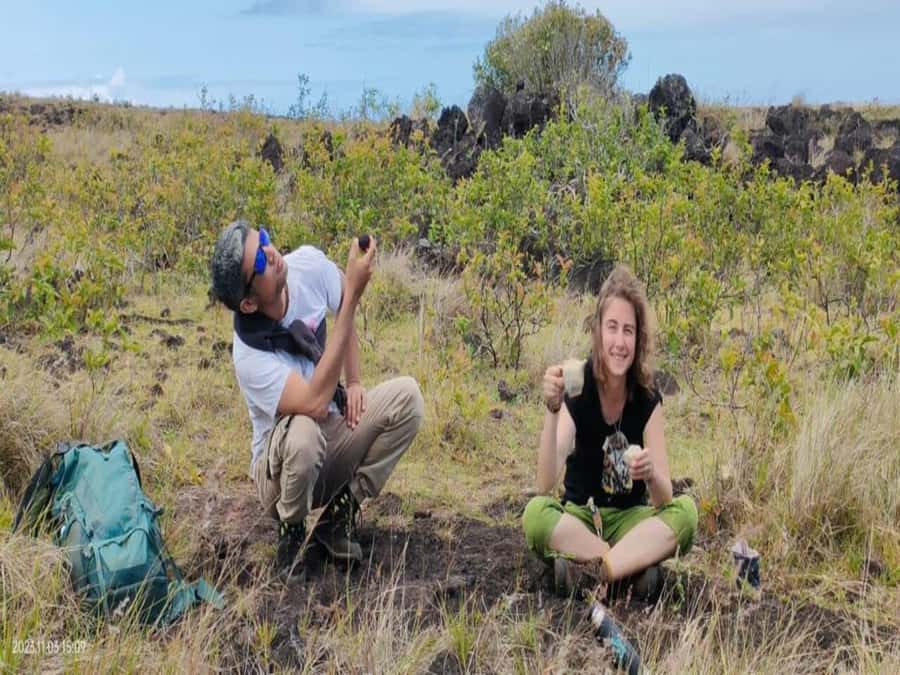
The Underground World of Rapa Nui Caves is interesting because it connects two worlds on Easter Island that many visitors see separately: the volcanic underworld and the moai ceremonial places. You get a guided route that moves from lava formations you can touch to sacred stone sites where Rapa Nui belief was once lived, not just looked at. I especially like that the tour is built around real cave names and specific stops, not generic cave photos.
What I really like is the combination of lantern-lit walking and a native guide who can explain what you are seeing. In other words, you do not just crawl around in the dark, you understand how the lava tubes formed and how the caves fit into island stories and meaning. That makes the whole half-day feel smarter, not just darker.
One drawback to plan for: some cave entrances are small. You may need to crouch or even crawl a bit to get in, so wear clothes you can move in. If you are claustrophobic or have tight mobility limits, this is the part that could turn from cool to stressful.
Key highlights you should care about
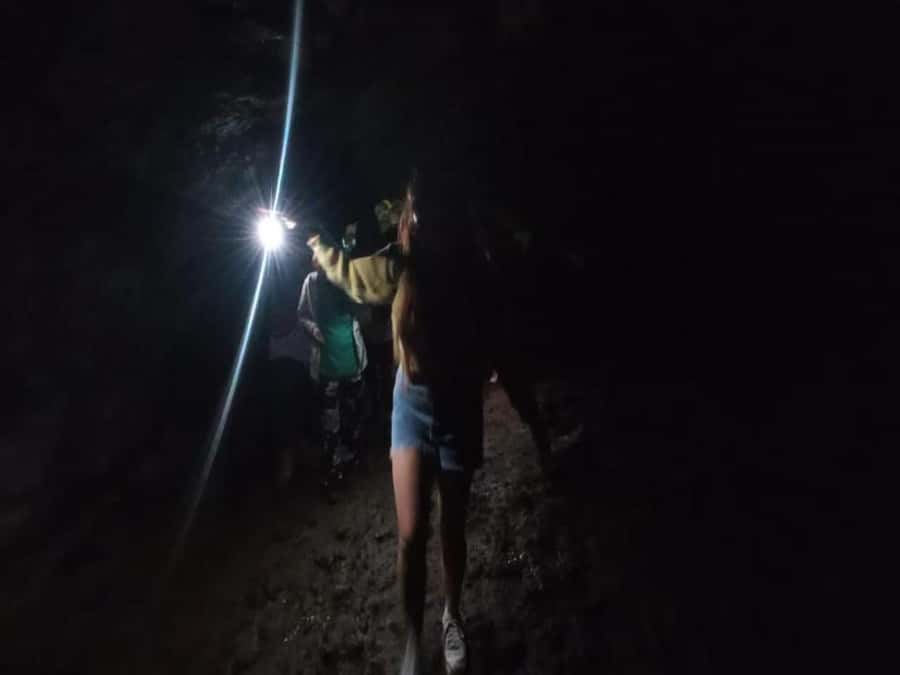
- Lava-tube stops with a native guide explaining the rock formations and island context
- Ana Kakenga as your first real taste of the volcanic underground
- Ana Te Pora with an eerie shift of light and shadow underground
- Ahu Te Peu to connect the caves to moai-era sacred space
- Ana Te Pahu where sound and echoes add an extra sensory layer
- Lanterns and rain cape so you are not worrying about gear while you walk
Is This Private Cave Tour Worth $150 Per Person?
For $150 per person on a 5-hour private tour, you are paying for three things: local expertise, transport, and access to a route that follows multiple named cave and ceremonial stops. The “value” part is that you are not doing this as a solo wandering exercise, guessing which openings are the right ones, or trying to interpret what lava tubes mean on your own.
This kind of tour also tends to save you time. You show up, get picked up, you are guided between stops, and you have lanterns ready. That matters on Rapa Nui, where getting your timing right can be the difference between a great experience and a rushed one.
Also, this is a private group. That usually means you can ask questions in English or Spanish and get answers that match what you actually care about, not a one-size-fits-all script.
A few more Easter Island departures to weigh up
- From Hanga Roa: Rapa Nui Culture Sightseeing Tour
★ 4.6 · 307 reviews - From Hanga Roa: Easter Island Highlights 2-Day Tour
★ 4.3 · 205 reviews - From Hanga Roa: Easter Island Sightseeing Full Day Tour
★ 4.5 · 189 reviews
Getting Picked Up and Into Cave Mode with Hotumatur Rapa Nui
The tour includes transportation, pickup and drop-off, lanterns, and a rain cape. That set-up is practical. Caves are not the place to discover you do not have a good layer or you forgot shoes that grip.
You should plan your day around a comfortable pace. The time is long enough to feel like an outing, but short enough that you are not exhausted by evening. People often call this a half-day trip for a reason, and the 5-hour duration is a good match for first-timers who still want energy to enjoy the coast later.
Language support is English and Spanish, and the guide is local, which helps you hear cultural details in a way that feels grounded in the place.
One more note: the tour does not include the National Park ticket. If you do not have it, you will need to sort that on your own, or the day can start with an annoying delay.
Ana Kakenga: First Steps Inside Rapa Nui’s Lava Tube World
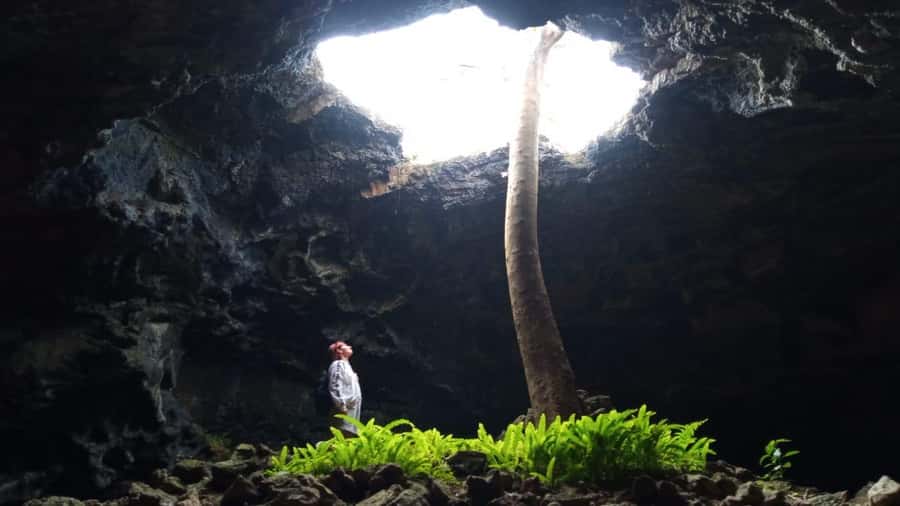
Ana Kakenga is the kind of stop that makes the tour feel real fast. You start with the island’s volcanic terrain, then you move into a lava tube formed by ancient volcanic activity. That is the big idea. You are walking through rock that used to be part of a moving volcanic system, and the cave has been shaped by time since the flow stopped.
This is where lanterns matter. Without them, you would see only a tunnel. With them, you can track how the walls look, how the ceiling changes, and how the cave’s structure leads your steps. A good guide will also point out the kinds of formations that stand out in each tube and help you connect the physical geology to Rapa Nui meaning.
What to watch for as you go in:
- How the tube narrows or opens, which can change the mood instantly
- Texture and forms on the walls, since those are your “story pages” underground
- Your footing and breathing pace, since the footing can feel uneven in cave settings
This first cave stop sets your expectations for the rest of the route. If you can do Ana Kakenga comfortably, you will likely handle the later entrances better.
Ana Te Pora: Light, Shadow, and the Cultural Meaning of Caves
Next comes Ana Te Pora, another cave stop that leans hard into atmosphere. The experience described here is the way light and shadow shift as you move. That matters more than it sounds. In caves, your eyes need a moment to adjust, and when the guide times the walking and explains what you are looking at, the cave turns into more than a hallway.
You also get cultural context. Your guide explains the cultural significance of these caves, including ancient beliefs and practices of the Rapa Nui people. Even if you only catch parts of the meaning, the effect is that caves start to feel like living places in the island’s story, not just geology.
A practical way to get the most out of Ana Te Pora:
- Slow down for a minute when the lighting changes
- Listen to the guide’s cues, because the best views might be around a corner
- Take note of how people use the space, even at a walking pace
This is also the point where some people realize they like cave tours less for “adventure” and more for quiet focus. If you are that person, Ana Te Pora is a highlight.
The other half of a Easter Island week:
- Two days of Full Day Tour of Rapa Nui + Sunrise in Tongariki
★ 4.5 · 132 reviews - Full Day Tour in Rapa Nui
★ 4.5 · 122 reviews - 2-Day Private Tour Easter Island Highlights Complete Discovery
★ 5.0 · 110 reviews - Private Tour: Full Day Easter Island Highlights
★ 5.0 · 106 reviews
Ahu Te Peu: Moai at a Sacred Platform Stop
Then the tour shifts outward, at least in meaning, even if you are still in a guided route. Ahu Te Peu is a sacred site featuring iconic moai statues. Instead of only talking about volcanic formation, you get the ceremonial side of Rapa Nui.
You explore remnants of an ancient ceremonial platform and learn about the craftsmanship behind the large stone figures. That craftsmanship detail matters, because moai are easy to treat like landmarks. This stop helps you see them as work of skilled effort, tied to ritual and community life.
What makes Ahu Te Peu a good mid-tour anchor:
- It gives your brain a break from the enclosed cave space
- It ties what you saw underground to what Rapa Nui people built above
- It lets your guide connect caves to ceremony, not just scenery
If you want the tour to feel cohesive, this is where it clicks. Caves become part of a larger map of meaning, not just a separate “cool detour.”
Ana Te Pahu: Echoes, Acoustics, and a Different Kind of Wonder
The final cave stop is Ana Te Pahu. This one stands out because it has a unique historical resonance and a sensory twist: the cave’s natural acoustics can transport you back in time. Even if you do not get a literal time-travel moment, you do get the feeling that sound behaves differently here.
That kind of place can make a tour memorable because it involves more than seeing. When sound carries, you start paying attention to your own voice, your steps, and the guide’s timing. It is a small change, but it deepens the experience fast.
The guide narrates tales of the island’s past, and the acoustics add weight to the storytelling. If you are the type who likes tours that leave a mental “after” feeling, this stop is a strong closer.
Also, finishing with Ana Te Pahu can help you process the earlier caves. By then you understand what lantern-light reveals, what formations look like in a lava tube, and why the guide spent time connecting the cave spaces to island belief.
Coastal Vistas Between Stops: Why the Outside Part Matters
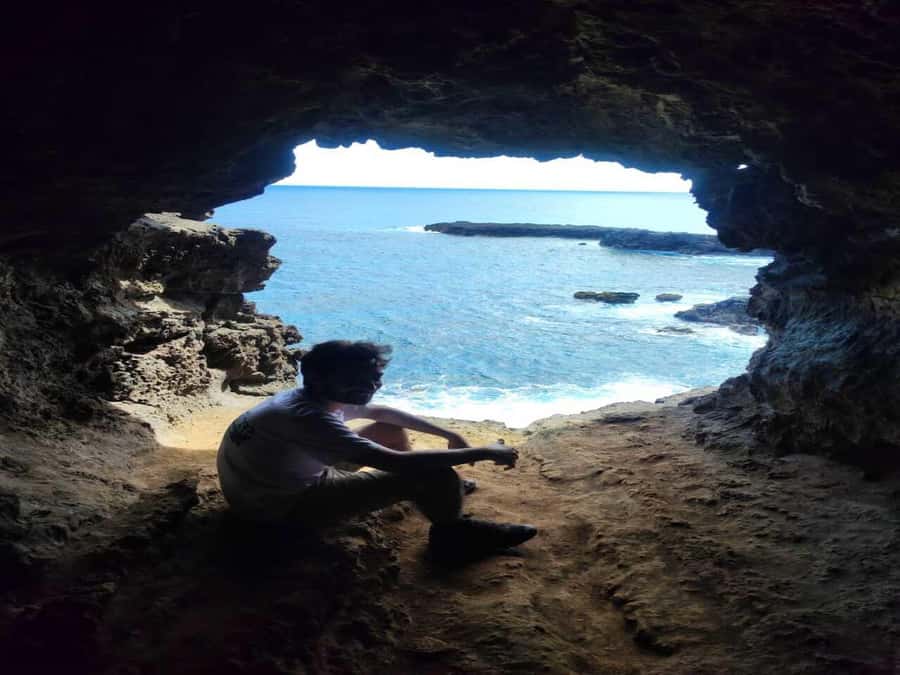
You also get breathtaking scenery along the coast during the route. That matters because it balances the heaviness of underground walking. Your eyes need daylight. Your lungs appreciate a calmer, open-air moment after cave time.
Those coastal views also help you re-orient to Rapa Nui as a whole island. You start seeing how the caves fit into the wider setting, where volcanic terrain meets the sea. That shift is part of why the tour can feel peaceful, not chaotic.
In practical terms, it also changes the tempo. After several cave entrances, the outside walking gives you a chance to reset without the day ending abruptly.
What You Should Bring for a Comfort-First Cave Tour
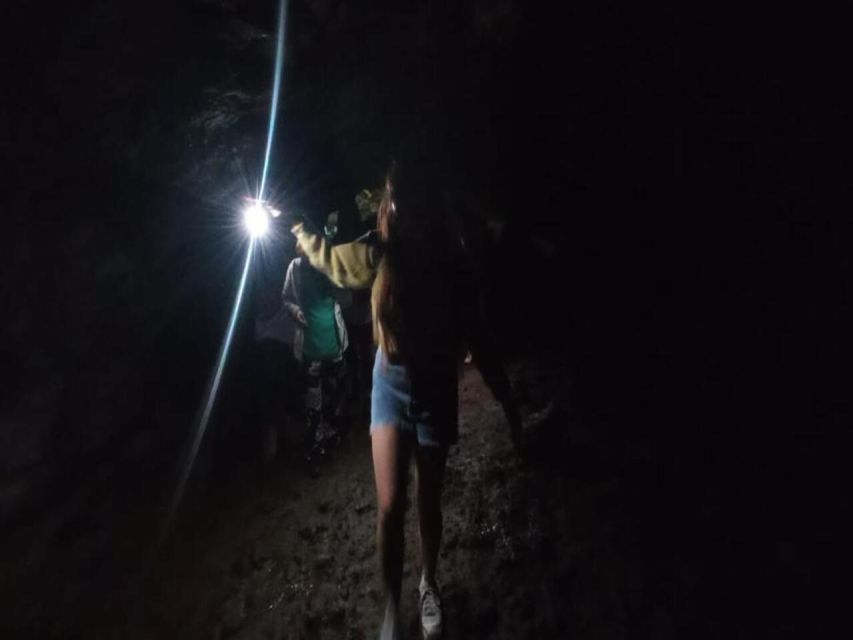
For this tour, bring comfortable shoes and comfortable clothes. The clothes part matters because caves can require crouching and bending. If your pants restrict movement, you will feel it quickly.
Bring sunscreen too. Even though caves are the headline, you are still out on Rapa Nui during daylight with coastal views.
A simple packing mindset:
- Wear shoes with good grip, since cave floors and transitions can be tricky
- Use clothes that you can move in without pulling or bunching
- Keep sunscreen and water on your radar, because you will be outside between stops
The tour provides a rain cape, so you are covered if weather changes. Still, comfortable layers help you handle temperature shifts between open air and underground.
The Real-World Cave Consideration: Small Entrances and Movement
The most repeated practical warning sign is about cave entrances being small. Expect that at least one part of the route could require you to get lower than you want, and you might need to push forward carefully.
So here is the honest filter question:
- Do you feel comfortable moving in tight, dim spaces for a short stretch?
If the answer is yes, you will likely find the experience feels like stepping off the island’s surface into another layer of Rapa Nui reality.
If the answer is no, consider whether you want a different kind of tour, maybe one with fewer confined sections. You can still love Rapa Nui caves, but you want the comfort level to match you.
Who This Tour Suits Best
This is a great match if you want:
- A native guide who can connect geology to Rapa Nui culture
- A mix of caves and a moai ceremonial site in one guided flow
- A peaceful, structured half-day instead of self-guided guesswork
- Lantern-supported cave walking without needing to source gear
It is also a strong choice for people who like learning as they go, especially if you enjoy details about how and why places matter. You will get cultural explanations for each cave and for Ahu Te Peu, not just “look at that” moments.
On the other hand, if you strongly dislike tight spaces, you should think twice. The small-entrance factor is the key trade-off.
Should You Book the Underground World of Rapa Nui Caves?
I think you should book it if you want a guided route that feels more meaningful than a checklist. The private format, the named cave sequence, the lantern help, and the connection to Ahu Te Peu create a day that is both adventurous and interpretive.
I would not book it if you are expecting an easy stroll that avoids discomfort. Cave entrances can be small, and the day includes underground walking for long enough that comfort matters.
If you are on the fence, you can make a quick decision using this rule: if you can handle crouching and occasional awkward movement for a few short sections, this tour is a memorable way to see Rapa Nui beyond postcards.
FAQ
How long is the Private Tour: The Underground World of Rapa Nui Caves?
The tour lasts 5 hours.
Is this tour private?
Yes, it is a private group experience.
What languages are the live guides?
The live tour guide speaks English and Spanish.
What is included in the price?
The tour includes a native guide, transportation, lanterns, pickup, drop-off, and a rain cape.
Do I need a National Park ticket?
Yes. The National Park ticket is not included, so you will need to arrange it separately.
What should I bring?
Bring comfortable shoes, sunscreen, and comfortable clothes.
Are lanterns provided for the cave sections?
Yes, lanterns are included.
What is the cancellation policy?
You can cancel up to 24 hours in advance for a full refund.
Freshly reviewed in Easter Island
- Easter Island 2 Half Days and 2 Full Days Private Trekking Tour★ 5.0 · 3 reviews
- Astronomical Tour on Easter Island★ 3.5 · 3 reviews
- Full day Private Tour: Poike Walk through the abandoned area★ 4.5 · 3 reviews
- T1-THE GRAND TOUR (non-cruise visitors)★ 5.0 · 3 reviews
- Private Tour: Full-Day Easter Island Birdman Cult★ 5.0 · 3 reviews
- Moai Rise and Fall: Full Day Private Tour★ 5.0 · 3 reviews
- Rapa Nui Astrophotography and Stargazing Night Tour Combination★ 5.0 · 3 reviews
- 4-Day Easter Island Experience with Hotel, Tours & Dinner show★ 5.0 · 3 reviews
Easter Island Tours, compared.
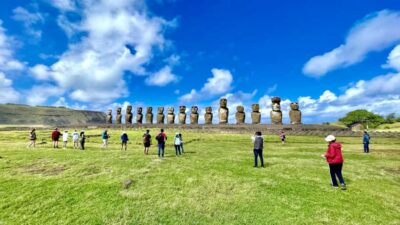
Two days of Full Day Tour of Rapa Nui + Sunrise in Tongariki
Read our review →
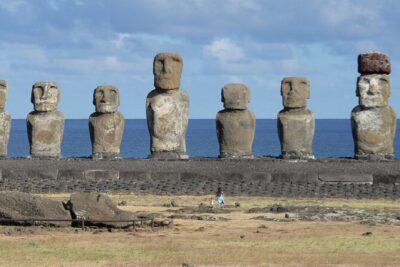
2-Day Private Tour Easter Island Highlights Complete Discovery
Read our review →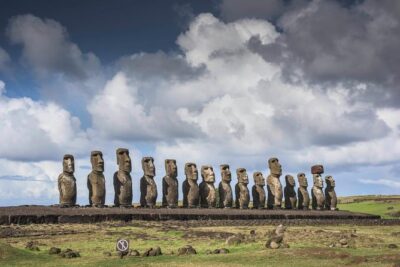
Private Tour: Full Day Easter Island Highlights
Read our review →
Browse the lists this tour appears in