
Reviewed · EASTER ISLAND TOURS
Birdman Cult and Caves
Birdman Cult and Caves is interesting because it links several of Rapa Nui’s most meaningful sites into one loop, from moai orientation at Ahu Akivi to the birdman rituals at Orongo. You get geology, art, and ceremony in one day, without feeling like you’re only looking at statues.
I especially like the way this tour explains the human details behind the famous look of the moai, like the red scoria topknots from Puna Pau and the petroglyphs and paintings at Ana Te Pahu. One drawback to consider is that guide quality can vary, so bring your curiosity, and if something is unclear in English or Spanish, ask follow-up questions.
Key Highlights You Actually Get From This Tour
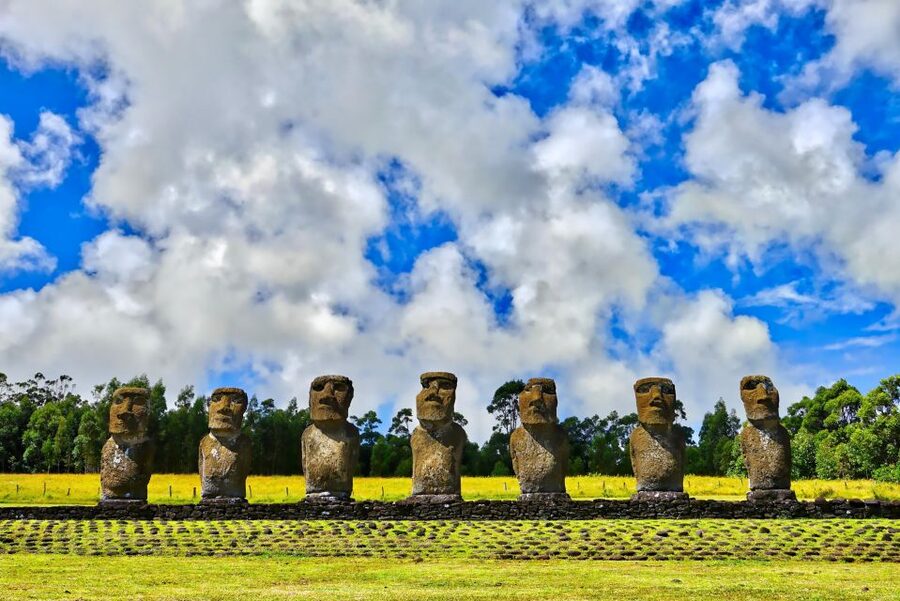
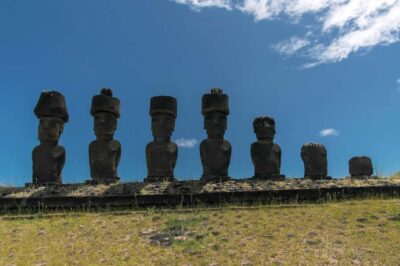
- Ahu Akivi’s seven moai: you’ll hear why the placement matters, including the idea of celestial orientation.
- Ana Te Pahu cave art: petroglyphs and painted imagery tied to island traditions.
- Puna Pau’s quarry story: how the red scoria tops were sourced.
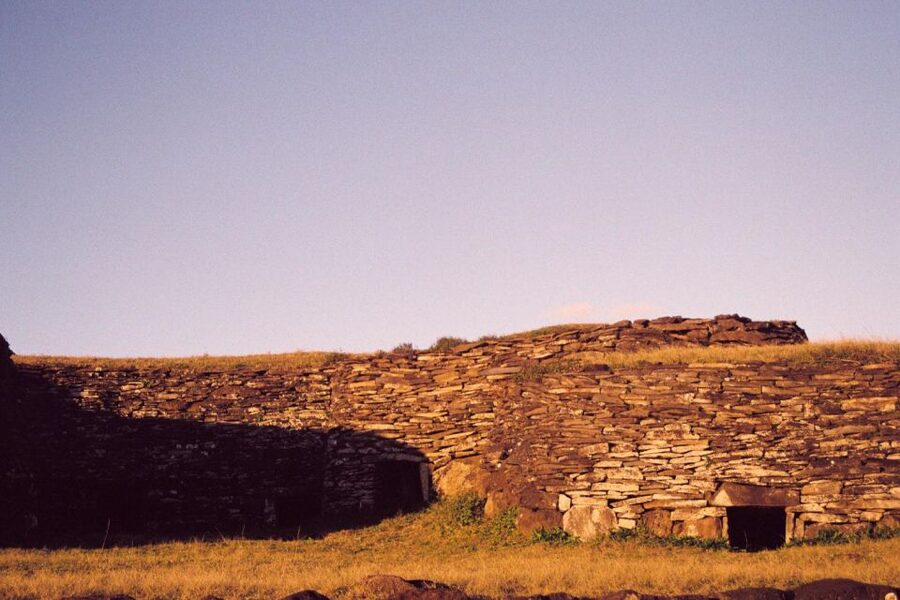
- Vinapu’s stone precision: megalithic architecture that people often compare to Andean workmanship.
- Orongo and the birdman cult: ceremonial village remains on the rim of Rano Kau with wide Pacific views.
Birdman Cult and Caves: What This 6-Hour Route Really Does
This is a half-day style tour built around five big thematic chunks: moai meaning, cave art, quarry materials, stonework comparisons, and then ritual space at Orongo. It’s the kind of route that helps you stop seeing the island as separate “photo stops.” Instead, you start connecting people, symbols, and place.
You also get practical help built in. The price is $90 per person and includes transportation, pickup, drop-off, and a local guide. I like that you’re not stuck figuring out how to hop between sites on your own.
The one thing to plan for is that a key part of the cost is not included. A National Park Ticket is not sold by the activity, so budget time and money to handle that separately before you go in.
A few more Easter Island departures to weigh up
- From Hanga Roa: Rapa Nui Culture Sightseeing Tour
★ 4.6 · 307 reviews - From Hanga Roa: Easter Island Highlights 2-Day Tour
★ 4.3 · 205 reviews - From Hanga Roa: Easter Island Sightseeing Full Day Tour
★ 4.5 · 189 reviews
Starting at Ahu Akivi: Seven Moai and Celestial Orientation
Most tours hit the usual moai giants, but Ahu Akivi adds a different angle: it focuses on how the islanders used placement and meaning. You start at Ahu Akivi, the platform with seven moai, and you’ll learn about how the site’s orientation relates to the sky.
That matters because it changes how you look. You’re not just admiring carvings. You’re trying to understand why the islanders chose that exact setting and how it might have fit into a calendar-like worldview.
For you, this is a great opener if you like story logic. The rest of the tour keeps building on that idea that moai culture was tied to ritual, observation, and symbols you can still read in the physical world.
Practical tip: bring a small note app or paper for questions. The “why here” explanations can move fast, especially if you’re switching between English and Spanish phrasing as a group.
Ana Te Pahu Cave Art: Petroglyphs and Ritual Paintings
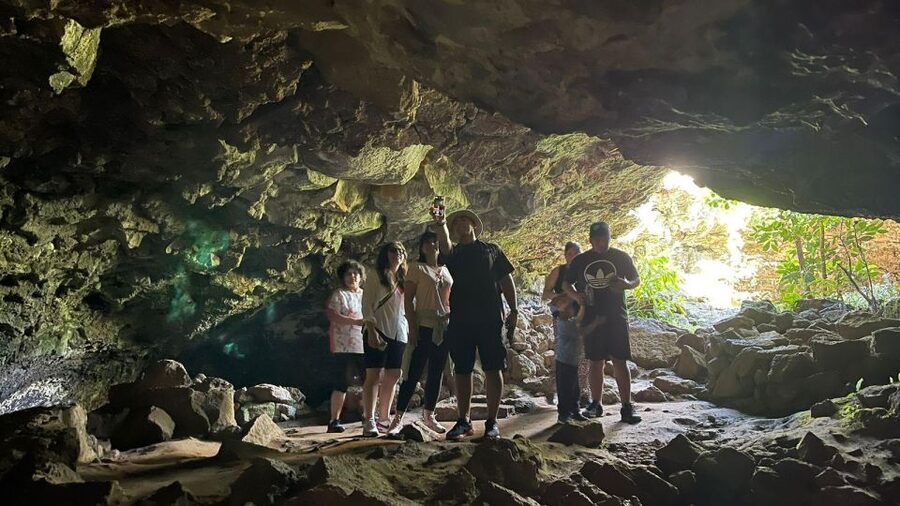
Next up is Ana Te Pahu, a ceremonial cave on the slopes of Rano Kau. The headline here is the art: petroglyphs and paintings that depict island history and traditions.
Caves can be tricky to experience because light changes quickly and you might feel like you’re squinting for details. That’s where a guide helps. If your guide explains what symbols to look for, the cave stops feeling like a dark room and becomes a readable message space.
I also like that this stop shifts you from monumental stone into human-scale expressions. You go from moai platforms and quarry resources to the idea that beliefs and stories were also recorded on walls, not only built into architecture.
One consideration: cave visits often mean uneven footing and close viewing. Wear grippy shoes and keep your pace slow. If you’re short on mobility, the tour is listed as wheelchair accessible, but you should still be prepared for uneven terrain around sites.
Puna Pau Quarry: The Red Topknots Behind the Moai Look
Then you move to Puna Pau, where you’ll see the quarry that supplied the red scoria topknots for many moai. This is one of those rare stops where the island’s signature visual effect has a direct source.
It’s easy to treat the moai as a finished product. Puna Pau reminds you they were assembled from parts, with specific materials chosen for a reason and harvested from a specific place.
Value-wise, this stop is worth it because it gives you a “materials to meaning” connection. When you understand what the red tops were made from, you start seeing the moai as engineered objects with cultural design choices, not just carved stone figures.
If you care about craft, pay attention to how the quarry site connects to the idea of skilled artisans. Even without extra technical detail provided, the location itself makes the story feel grounded.
The other half of a Easter Island week:
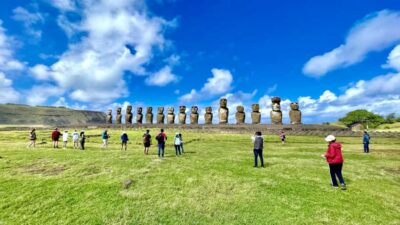
- Two days of Full Day Tour of Rapa Nui + Sunrise in Tongariki
★ 4.5 · 132 reviews - Full Day Tour in Rapa Nui
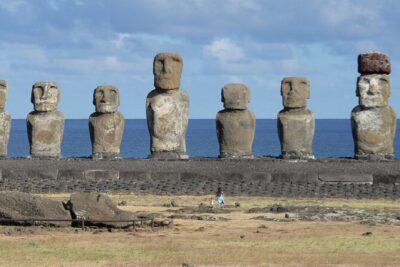
★ 4.5 · 122 reviews - 2-Day Private Tour Easter Island Highlights Complete Discovery
★ 5.0 · 110 reviews - Private Tour: Full Day Easter Island Highlights
★ 5.0 · 106 reviews
Vinapu Sector Precision: Megalithic Architecture and Andean Comparisons
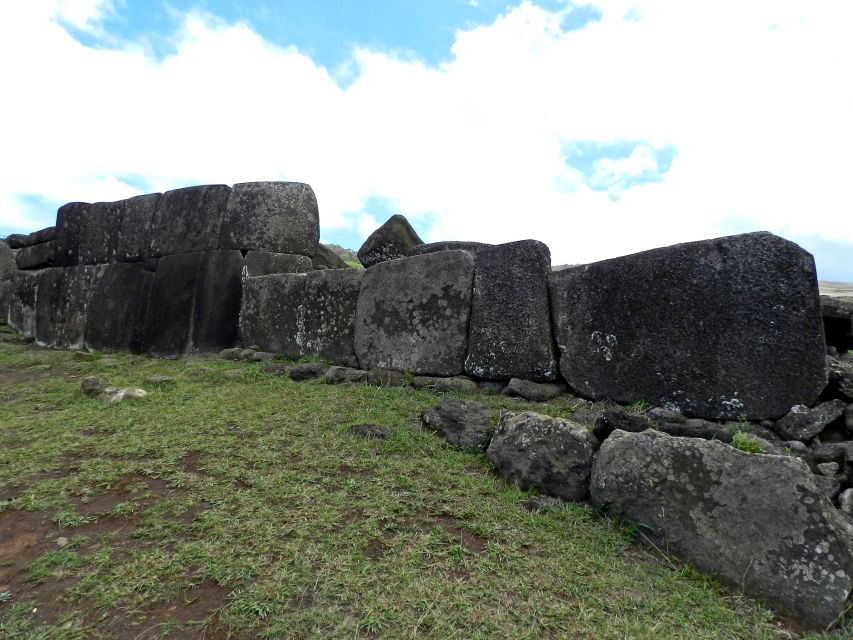
Vinapu is where stonework becomes the main character. In this sector, you’ll explore megalithic architecture and hear about the precision and artistry of the construction. The tour also points out that people often compare these forms to structures in places like Cuzco.
I like this stop because it doesn’t ask you to memorize facts. It asks you to look at patterns: how stones meet, how edges behave, and why some walls feel different from others even when they look like “just rocks” at first glance.
For you, it’s a strong moment if you enjoy cross-regional thinking. You’ll likely find yourself asking, “Was it influence, parallel problem-solving, or simply good engineering choices?” That question is part of the experience, and it’s healthy curiosity rather than guesswork.
Just keep your expectations grounded. The tour’s framing is about similarities you can notice, not proof of a single origin story.
Rano Kau Crater: Volcanic History and Ecosystem Views
After the human-made stops, the tour turns to the big natural story: Rano Kau, a volcanic crater. You’ll get panoramic views and learn about the island’s geological history and unique ecosystem.
This portion matters because it explains why the ceremonial sites are where they are. On Rapa Nui, geology is not backdrop. It shapes travel routes, building choices, water availability, and how the islanders interacted with different zones.
If you’re the type who loves photos, this is your payoff. If you prefer quiet, this is also a good moment because the crater area gives you space to absorb the scale.
Practical tip: bring sun protection. Crater viewpoints can be bright and breezy, and you’ll likely want to protect your eyes and skin while you’re waiting for the guide’s narrative to land.
Orongo at the Rim: Birdman Cult Village and Rock Petroglyphs
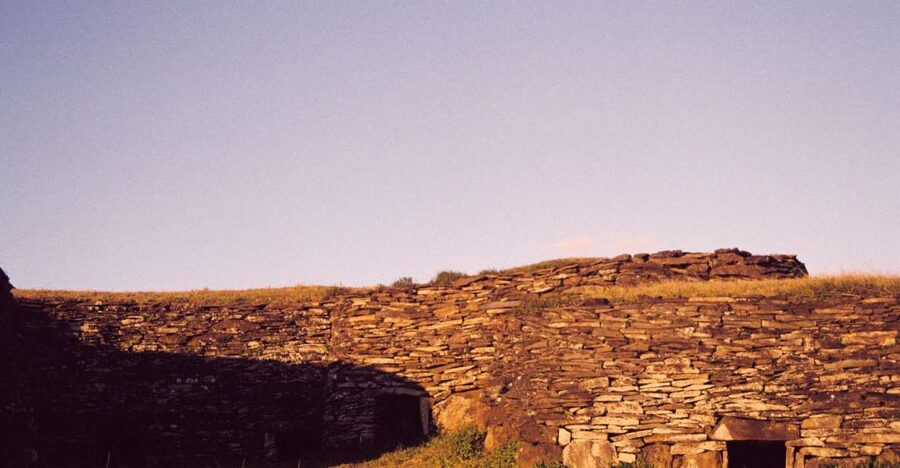
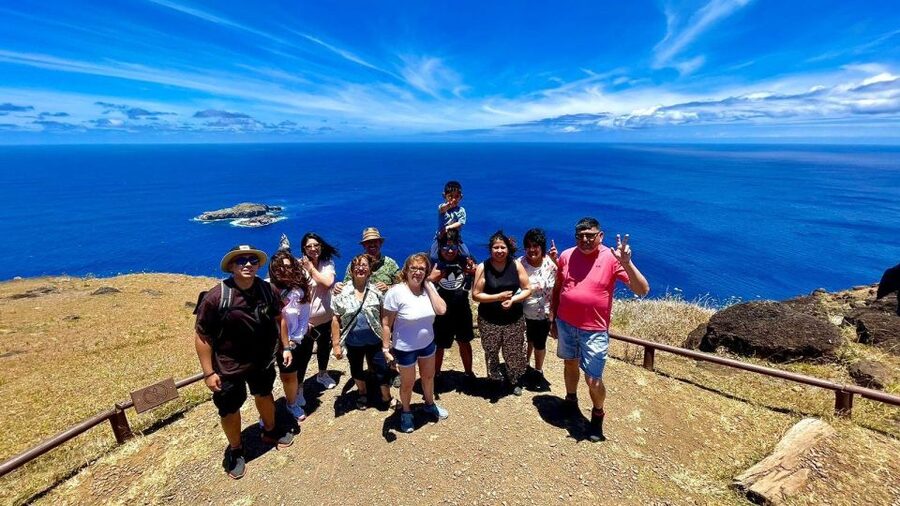
The tour culminates at Orongo, perched on the rim of Rano Kau. This is where the birdman cult story comes into focus, with a ceremonial village setting and petroglyphs, plus dramatic Pacific views.
This is the stop that feels most symbolic because it blends three things at once: ritual space, rock art, and the surrounding ocean horizon. You start noticing how the terrain itself supports the story. The rim setting is not accidental, at least in how the site has been interpreted through time.
I like Orongo because it gives your earlier moai learning somewhere to connect. The tour has been building a framework all day: ceremony, sky-related meaning, material sourcing, and then ritual performances tied to specific locations.
One more practical note: plan for wind at the rim. If your hair and jacket are not ready, you’ll spend part of the visit battling the elements instead of focusing on the petroglyphs and the guide’s explanations.
Price and Value: Is $90 for This Moai, Caves, and Quarry Day Worth It?
At $90 per person for a 6-hour tour, you’re paying for more than sightseeing. You’re paying for pickup and drop-off, transportation between sites, and a live local guide in English and Spanish.
That’s the value calculation. If you tried to do this route on your own, the hardest part would not be the willingness to walk. It would be figuring out the timing, the order, and the interpretive layer at each stop. Here, the route is already stitched together around the story.
Two cost-related realities:
- A National Park Ticket is not included, and the operator doesn’t sell it, so your total day cost will likely be higher once you add that.
- Your time is limited to about 6 hours, so you should pick this option if you want an efficient sampler with meaningful context, not a slow, linger-all-day exploration.
Overall, $90 feels like fair value if you’ll actually use the guide’s explanations and if you’re happy with a half-day pace that hits the main points.
If you’re the type who wants lots of free time at every site, you might prefer a slower self-paced approach. But if you like structured learning while someone else manages the movement, this is a good fit.
Guide Quality and What to Do About It
One rating signal you should take seriously: there’s at least some feedback that the guide experience can be average. That doesn’t mean the tour is bad. It means your experience may depend on who’s leading your group and how they manage the pace and explanations.
Here’s how you protect yourself:
- Choose the language you’re most comfortable with, English or Spanish, and stick with it when you ask questions.
- Go in with 2 or 3 things you want explained, for example why Ahu Akivi has seven moai, or what the petroglyphs at Ana Te Pahu are tied to.
- If something feels unclear, ask right away. Don’t wait until the next stop.
On a tour like this, good guiding turns stones and walls into a story you can remember. Less effective guiding can still leave you with strong sights, but the meaning might not click as fast.
Who This Tour Fits Best on Rapa Nui
This works especially well if you:
- Want a one-day arc that connects moai culture, cave art, quarry materials, and ritual space at Orongo.
- Like tours that mix man-made sites with natural context, like Ahu Akivi plus Rano Kau.
- Prefer having interpretation delivered in English or Spanish rather than trying to piece it together alone.
It may be less ideal if you:
- Want lots of downtime and quiet, with minimal talking and minimal movement.
- Plan to photograph everything for long stretches without needing explanation, because the tour’s value is in guided meaning.
Because the tour is listed as wheelchair accessible, it can work for some mobility needs. Still, confirm what you’ll encounter day of, especially around cave and viewpoint areas.
Should You Book Birdman Cult and Caves?
Book it if you want the most efficient way to understand the island’s big themes in one route, especially the moai meaning at Ahu Akivi, the Ana Te Pahu cave art, and the ritual atmosphere at Orongo. The mix of quarry material sourcing at Puna Pau and natural context at Rano Kau makes it feel more like a cultural route than a checklist.
Skip or rethink it if your top priority is deep, slow exploration at a single site, or if you know you need lots of flexibility in the schedule. Also, because the National Park Ticket is not included and not sold by the operator, make sure you handle that planning so your day doesn’t get derailed.
If you do book, come with questions. On a tour like this, the best moments usually happen when you ask why a place was chosen, not only what you’re looking at.
FAQ
What sites does the Birdman Cult and Caves tour include?
You’ll visit Ahu Akivi, Ana Te Pahu, Puna Pau, Vinapu, Rano Kau, and finish at Orongo, all within a 6-hour guided route.
How long is the tour?
The tour duration is listed as 6 hours. Starting times can vary, so you’ll need to check availability.
What language is the live guide?
The live tour guide is offered in English and Spanish.
What is included in the price?
Included features are transportation, a local guide, pickup, and drop-off.
What is not included?
A National Park Ticket is not included, and the activity states it does not sell it.
Is there free cancellation?
Free cancellation is available up to 24 hours in advance for a full refund.
Freshly reviewed in Easter Island
- Easter Island 2 Half Days and 2 Full Days Private Trekking Tour★ 5.0 · 3 reviews
- Astronomical Tour on Easter Island★ 3.5 · 3 reviews
- Full day Private Tour: Poike Walk through the abandoned area★ 4.5 · 3 reviews
- T1-THE GRAND TOUR (non-cruise visitors)★ 5.0 · 3 reviews
- Private Tour: Full-Day Easter Island Birdman Cult★ 5.0 · 3 reviews
- Moai Rise and Fall: Full Day Private Tour★ 5.0 · 3 reviews
- Rapa Nui Astrophotography and Stargazing Night Tour Combination★ 5.0 · 3 reviews
- 4-Day Easter Island Experience with Hotel, Tours & Dinner show★ 5.0 · 3 reviews
Easter Island Tours, compared.
Two days of Full Day Tour of Rapa Nui + Sunrise in Tongariki
Read our review →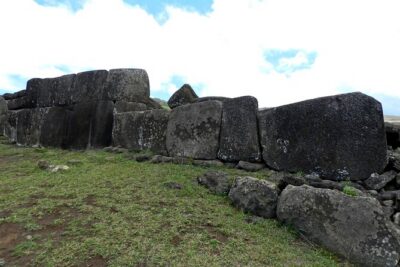
2-Day Private Tour Easter Island Highlights Complete Discovery
Read our review →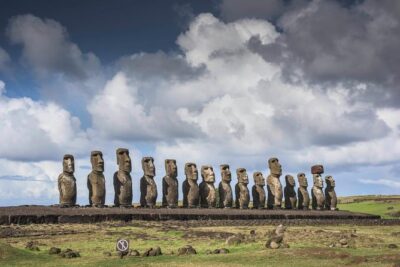
Private Tour: Full Day Easter Island Highlights
Read our review →
Browse the lists this tour appears in