
Reviewed · EASTER ISLAND TOURS
From Hanga Roa: Journey from Orongo to Ana Te Pahu
What makes this day feel special is the way it connects Easter Island’s big ideas, religion, and engineering in one logical route. You start on the rim of the volcano, move through the ceremonial spaces, and finish in the cool volcanic caves.
I love the Bird Man legend focus at Orongo, because it turns the sites from “pretty rocks” into an actual story people once lived. I also love the contrast of Ana Te Pahu, a cave system that feels practical, sheltered, and real compared with the open-air moai platforms.
One thing to consider is hearing and pacing. If you end up farther back, you may miss some explanations, so try to stay close to the guide when you can, and don’t be shy about asking questions.
Key highlights you should care about
- Rano Kau crater views first, so the island’s volcanic setting makes instant sense
- Orongo’s ceremonial village and Bird Man legend, the trip’s main story hook
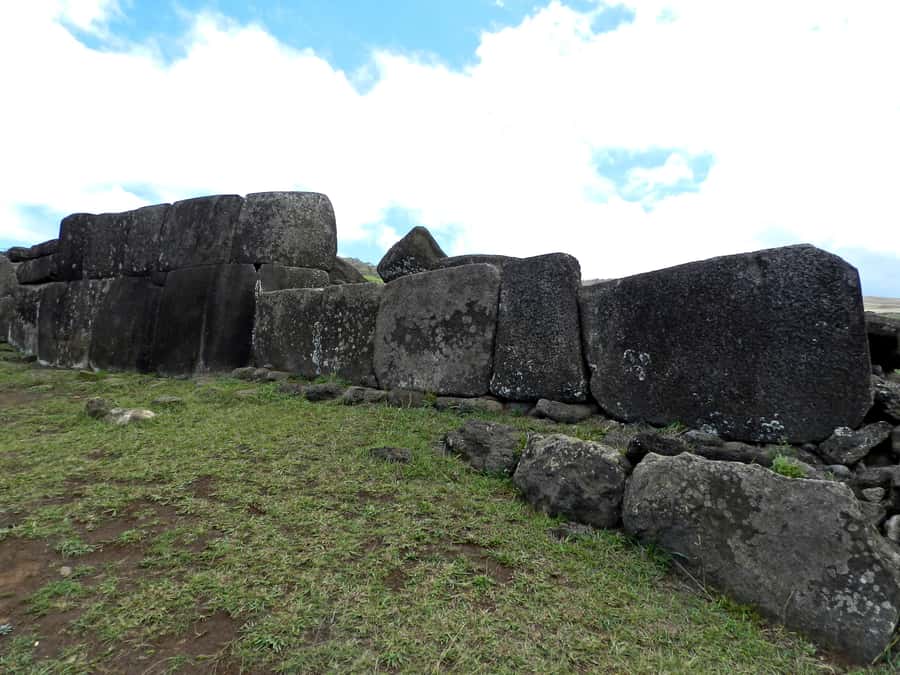
- Ahu Vinapu’s stonework details, where you notice how precise the building is
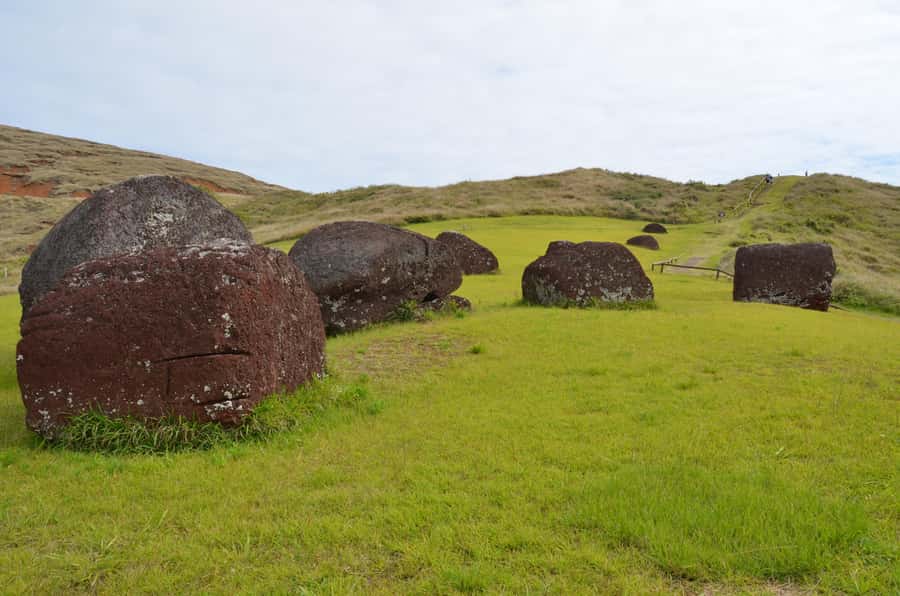
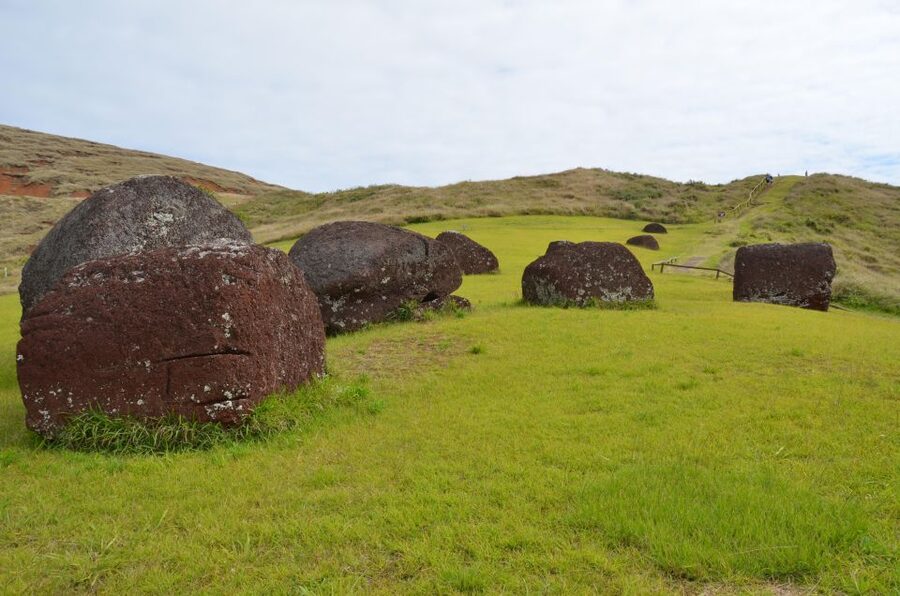
- Puna Pau and red scoria topknots (pukao), including why those pieces matter
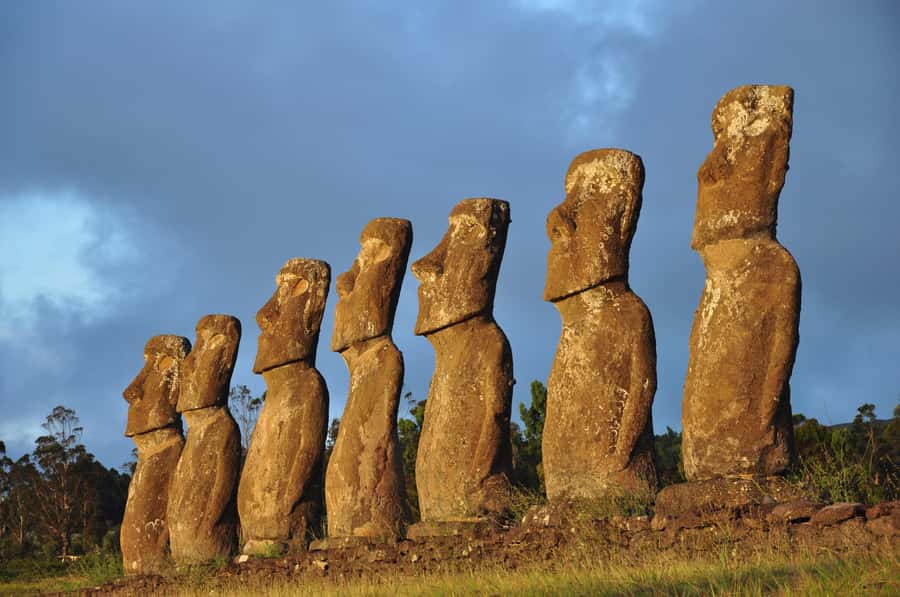
- Ahu Akivi’s seven moai, tied to seven explorers rather than random placement
- Ana Te Pahu caves, shelter and storage in volcanic rock that stays cool and shaded
Rapa Nui in one day: Orongo to Ana Te Pahu
This is a well-shaped full day on Easter Island because it keeps moving through the island’s major “themes.” You get the volcanic setting, ceremonial life, stone construction, moai symbolism, and then the human side of daily survival in caves.
The timing works out to about 7 hours end to end, with guided stops built around what you can actually see and understand in the time you have. There’s a short bus ride, then multiple guided segments, including at least one stretch where walking adds up to around an hour across certain sites.
If you like history that connects to physical places, this route will click. If you prefer a slow, beachy day with minimal walking, you might find it a bit busy. You should pack for wind and sun, and you should treat the day as an active cultural tour, not a scenic drive.
Also, the route is run rain or shine. You will be outside for long stretches, especially for crater views and open-air sites, so bring comfortable clothes you can layer.
A few more Hanga Roa departures to weigh up
- From Hanga Roa: Rapa Nui Culture Sightseeing Tour
★ 4.6 · 307 reviews - From Hanga Roa: Easter Island Highlights 2-Day Tour
★ 4.3 · 205 reviews - Full Day Tour in Rapa Nui
★ 4.5 · 122 reviews
Rano Kau crater rim: the view that sets the whole story
You start at the volcanic crater of Rano Kau, and that matters more than you might think. The island’s spiritual and practical life grew out of volcanoes, stone, and the ocean winds, so seeing the crater setting early makes everything else easier to understand.
Expect a guided visit of about 45 minutes, with time to take in the big panorama over Rapa Nui and the Pacific. This is the moment when you’ll realize why certain places became ceremonial. The wind, the height, and the dramatic edges are part of the reason people built and gathered where they did.
Practical tip: wear shoes that grip on uneven ground. The rim and paths can be rocky, and even on a clear day the wind can throw off your balance if you’re wearing slippery soles.
If you’re a photo person, this is your early payoff. Get your first “wide shot” here, then later you can switch to tighter details at the sacred villages and stone platforms.
Orongo ceremonial village: the Bird Man legend in context
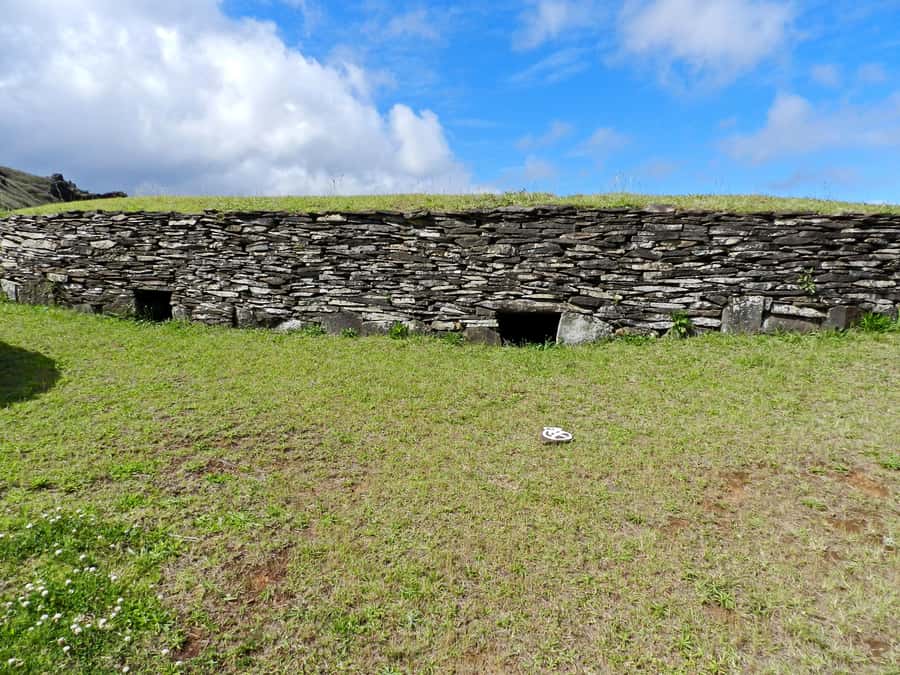
Next comes Orongo, perched on the crater rim. This is where the tour’s biggest cultural story gets the spotlight, with the Bird Man legend centered as you walk the ceremonial spaces.
The guided portion is about 1 hour, and that hour is usually the difference between casually looking at ruins and actually following what the place represents. The Bird Man legend ties into ceremonial identity, competition, and the way islanders organized meaning around survival and seasons. Your guide should bring the connections to life using the layout and key landmarks you see as you go.
Here’s what to do to get more value from this stop:
- Stay attentive to how the guide explains the site layout, not just the legend details.
- Ask one simple question while you’re there, because answers tend to make the stones and platforms feel less random.
If your guide is someone like Ata, the explanations often come across as detailed and interesting, and you’ll likely have room to ask things as you move. If the guide is another strong communicator like Javiera, expect solid answers and good engagement when you have questions.
One caution: Orongo is outside, and you may do some walking on uneven terrain. Keep your pace steady. The crater rim can wear you out faster than expected because of wind plus sun.
Ahu Vinapu: monumental stonework you can actually notice
After Orongo, you head to Ahu Vinapu for a guided visit of about 45 minutes. This stop shifts gears from story and legend to craftsmanship and engineering.
Vinapu is where the “how did they do that?” feeling kicks in. The focus here is on colossal stone structures and the way they’re placed with precision. Even without being an archaeology expert, you can learn to see the technique by watching for stone alignments, fits, and the overall geometry of the structure.
What makes this stop valuable is that it gives you a physical explanation for the island’s ability to create huge monuments. When you’ve just been at Orongo, Vinapu can feel like a new angle on the same society. Same land, same knowledge, different purpose.
How to get the most out of 45 minutes:
- Look for the seams and edges where stones meet.
- Pay attention to what your guide points out, because a quick explanation can turn a pile of stones into a clear design.
If you tend to tune out at “technical” sites, this one works best when you let the guide slow you down and point out just a few key details. You do not need to memorize anything. You just need to notice how deliberate it feels.
The other half of a Hanga Roa week:
- 2-Day Private Tour Easter Island Highlights Complete Discovery
★ 5.0 · 110 reviews - Private Full-Day Easter Island Highlights North and West
★ 5.0 · 84 reviews - Journey of the Ancestors: Tongariki, Rano Raraku & Anakena Beach
★ 4.5 · 70 reviews - Full Day Private Tour: Factory of the Moai the stone giants
★ 4.5 · 63 reviews
Puna Pau: the red topknots and why they mattered
Then you go to Puna Pau, another guided stop of about 45 minutes. This is the quarry site tied to the iconic red scoria topknots that crown many moai statues.
This part of the day tends to be a favorite because it explains the missing pieces. At the moai platforms you might see the shape and think “that’s the look.” Here, you learn why the topknots existed, what the material implies, and how the crown elements fit into the symbolism of the statues.
Puna Pau also helps you understand that moai were never just one stone shape. They were a system: body, placement, and the red element that gave them their distinctive appearance.
Practical advice: expect more walking in a quarry setting. Wear shoes that handle loose rock and uneven footing.
Another small mindset shift: try to imagine the logistics. This isn’t just art, it’s sourcing and moving heavy material. When you picture the islanders working with the stone they needed, the structures start to feel more human.
Ahu Akivi: the seven explorers moai placement story
Ahu Akivi comes next, with about 45 minutes of guided touring. This is one of the most meaningful moai sites because it’s built around a specific narrative: seven moai statues representing seven explorers.
What makes Ahu Akivi especially worth your attention is the “placement meaning” angle. The seven statues are not just a group of monuments in a row. Your guide should connect the number, the idea of explorers, and why that matters within Easter Island storytelling.
When you visit after Puna Pau, Ahu Akivi can feel more symbolic, more intentional. You’ve seen the raw material of the red topknots. Now you see a platform that carries a story through its arrangement.
Photo note: this is a great stop for mid-range shots, where you can capture moai plus the surrounding view without getting only close-ups. If you want one clear image, aim for a photo that includes platform perspective, not only faces.
If you’re sensitive to pacing, this is also a good time to remind yourself the tour is guided in segments. You don’t have to sprint from spot to spot. You just have to stay with the group and listen when the guide explains what to look for.
Ana Te Pahu caves: shelter and storage in cool volcanic rock
Finally, you reach Ana Te Pahu for about 1 hour of guided exploration. This cave system is the human side of the monuments. Here, the story becomes practical, with caves used as shelter and storage.
The biggest sensory difference is temperature. Volcanic rock can feel cool and still, even when the island is bright outside. The cave walls also change how sound carries, so you may get a different kind of guided experience compared with open sites.
Ana Te Pahu is fascinating because it’s not a “static monument.” You move through a natural labyrinth where the island’s people likely used the space to survive, keep supplies, and stay protected. That makes the tour feel balanced. You’ve seen ceremonial life, symbolic platforms, and now you understand where daily needs could be handled too.
What to do inside the caves:
- Keep your footing careful. Cave floors can be uneven.
- Slow down and let the guide explain the purpose of the spaces you’re seeing.
- Keep your water bottle ready outside. Once inside, you’ll want to focus on walking and listening.
If you’re the type who learns by atmosphere, this stop will land hardest. The “feels real” factor is strong here, and the cave walls can make the island’s history feel much less abstract.
Price, pacing, and how to get value out of the $70
This tour costs $70 per person and runs about 7 hours. On Easter Island, that price is best understood as paying for guide time plus a structured route that hits major sites without you having to coordinate everything yourself.
You do get hotel pickup and drop-off in Hanga Roa, plus a tour leader guide. That’s the biggest value lever, because it saves you the hassle of arranging transport and figuring out timing between widely spaced sites.
Important note: the national park ticket is not included. Plan to buy it before the tour starts. If you show up without it, your day can get stuck in admin mode when you should be looking at stone and sky.
Pacing is mostly well set, and the structure of the day is designed so each stop has a clear focus window. Still, there’s one real consideration based on real-world group dynamics: if you’re far back, you may not catch every explanation. So position yourself well. Even two steps closer can improve your whole experience.
Rain or shine also affects value. If it rains, the caves and shelter areas still work, but crater and open-air stops become more tiring. Bring clothes that handle weather and keep your comfort high.
What to bring, based on practical needs:
- Passport or ID card
- Comfortable shoes
- Comfortable clothes
- Cash
- A reusable water bottle
And remember: drones are not allowed. Leave them at the hotel if you’re tempted to fly. Not only is it a policy issue, it also ruins the calm if everyone is trying to manage gear.
One more useful detail: there’s no internet in the park. That means you should download anything you need, and avoid relying on your phone for navigation or quick facts on-site.
Who this tour suits best (and who should pick something else)
This route is ideal if you want a guided, story-driven day that connects multiple Easter Island themes. You’ll like it if you enjoy learning how religion and politics shaped where people built, how they traveled, and how they designed monumental art.
It also suits first-time visitors who want the key names in the right order: Rano Kau, Orongo, Vinapu, Puna Pau, Ahu Akivi, and Ana Te Pahu. The day moves through them in a way that helps the island make sense.
You might want to choose a different style of tour if you:
- Prefer lots of downtime and minimal walking
- Get easily frustrated when you cannot hear a guide clearly from the back
- Want a purely self-paced photo tour rather than guided interpretation
If you’re somewhere in the middle, you can still win by being strategic: stay close to the guide during explanations, ask one question early, and treat the day like a guided conversation with the island’s past.
Should you book the Orongo to Ana Te Pahu day?
I’d book this tour if you want structure and you care about understanding what you’re seeing. The route is built around major sites, each with a clear focus, and the cave ending gives the day a strong human finish.
Do it if the idea of Bird Man legend at Orongo plus Ana Te Pahu caves sounds like your kind of history. That combination is rare in a single day.
Skip it if you’re hoping for a light day with minimal walking or if you know you struggle to hear guides when you’re not near the front. In that case, you might feel you paid for views but missed key explanations.
If you do book, plan for wind, sun, and uneven ground, buy your national park ticket ahead of time, and position yourself well for the best guidance. That’s the fast path to getting your money’s worth on Rapa Nui.
FAQ
How long is the tour from Orongo to Ana Te Pahu?
The tour duration is 7 hours.
Where does the tour pick up and drop off?
It includes hotel pickup and drop-off in Hanga Roa.
What is included in the price?
Hotel pickup and drop-off are included, and you also get a tour leader guide.
Do I need a national park ticket?
Yes. The national park ticket is not included, and you should buy it before the tour starts.
What languages are the guides available in?
The live tour guide is available in English and Spanish.
Is the tour canceled for bad weather?
The tour takes place rain or shine.
Is there any walking during the tour?
Yes. In some sites you have to walk around 1 hour.
Are drones allowed during the tour?
No, drones are not allowed.
Freshly reviewed in Hanga Roa
- Astronomical Tour on Easter Island★ 3.5 · 3 reviews
- Full day Private Tour: Poike Walk through the abandoned area★ 4.5 · 3 reviews
- T1-THE GRAND TOUR (non-cruise visitors)★ 5.0 · 3 reviews
- 4-Days Trip to Discover Easter Island★ 4.0 · 3 reviews
- Private 2 Days Essential Tour of Easter Island★ 5.0 · 4 reviews
- T2-THE MUST-HAVES OF RAPA NUI (non-cruise visitors)★ 4.5 · 4 reviews
- Private Tour: Easter Island Caves★ 4.5 · 4 reviews
- Private Tour: The Highlights of Easter Island★ 5.0 · 4 reviews
Easter Island Tours, compared.
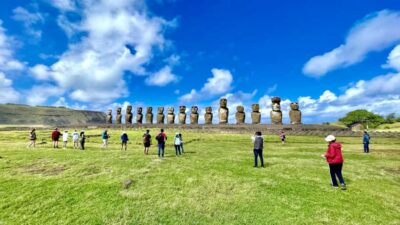
Two days of Full Day Tour of Rapa Nui + Sunrise in Tongariki
Read our review →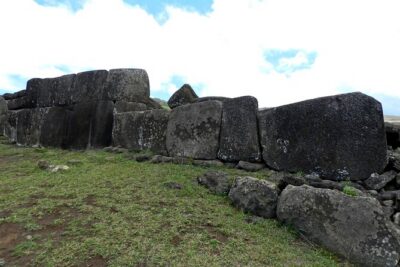
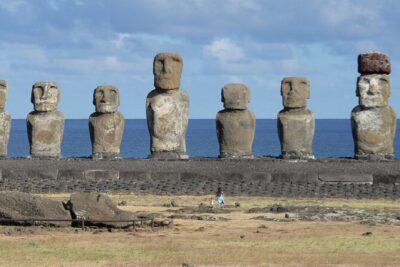
2-Day Private Tour Easter Island Highlights Complete Discovery
Read our review →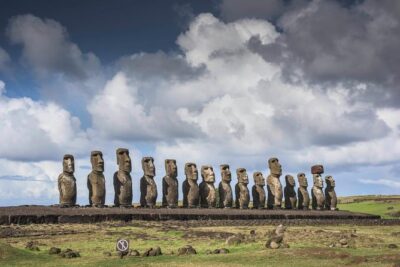
Private Tour: Full Day Easter Island Highlights
Read our review →
Browse the lists this tour appears in