
Reviewed · EASTER ISLAND TOURS
Rapa Nui: 3 Excursions with Hotel Transfers
This Rapa Nui package works because it connects the dots. You jump between sacred ceremonial spots and the places that supplied the stone and materials behind the moai, so the island starts to make sense fast. I also like that three excursions are built into the same hotel-transfer plan, which cuts down on logistical stress.
My favorite parts were twofold. First, the half-day circuit that sends you to Orongo Ceremonial Village at the edge of Rano Kau Crater, then ties into Ahu Vinapu and the headdress-stone area. Second, the full day that strings together the big hitters like Rano Raraku Quarry, Ahu Tongariki, and ends with time at Anakena Beach.
One consideration: your ticket budget is not fully “all-in.” The national park ticket is not included, and you’ll also want to plan for food and drinks on your own.
Key things I’d mark on my map
- Orongo Ceremonial Village plus crater views, right where the sacred site meets dramatic volcanic terrain
- Puna Pau Quarry stop, the source area tied to the moai headdresses
- Rano Raraku Quarry as the main stone-supply story, not just another photo stop
- Ahu Tongariki and Te Pito Kura for moai scale and variety, including the 10 m tall giant
- Anakena Beach with a real chunk of free time for a breather on white sand
- English and Spanish guidance, and at least one review called out Uca as professional and engaging
The big idea: why this Rapa Nui combo tour feels efficient
Rapa Nui is not a place where “seeing a moai” is the whole point. The culture is tied to sites, materials, and meaning, and this format tries to show that link without dumping you into a long day every time.
You get a mix of ceremonial villages and quarry stops, which is a smart pairing. Ceremonial sites tell you where people gathered and why, while the quarries explain how the statues could exist at that scale.
The other practical win is that you’re not piecing together transfers yourself. Hotel pickup and drop-off are included, and that matters on an island where time is precious and getting around can eat up your day.
A few more Hanga Roa departures to weigh up
- From Hanga Roa: Rapa Nui Culture Sightseeing Tour
★ 4.6 · 307 reviews - From Hanga Roa: Easter Island Highlights 2-Day Tour
★ 4.3 · 205 reviews - Full Day Tour in Rapa Nui
★ 4.5 · 122 reviews
Airport welcome, hotel transfers, and how the day actually starts
The package includes a reception at the airport with a flower necklace. It sounds like a small detail, but on arrival it helps you switch from travel mode to island mode quickly.
From Hanga Roa, you board the bus outside your hotel for the tours. Then you’re dropped back in the same area, so you can keep your evenings simple, whether you plan to eat early or just take a slow stroll.
You’ll be with an English/Spanish-speaking guide. One review specifically praised Uca as super professional and able to keep interest high, including when the group includes two languages.
Half-day 1: the south peninsula and the Orongo to Vinapu story
This is a half-day focused on the south side. It starts with pickup, then moves you through sites that feel different from the usual moai-only route.
Orongo Ceremonial Village, on the edge of Rano Kau
Orongo sits at the edge of Rano Kau Crater, so the setting does half the storytelling. You’re not just walking among stones, you’re looking at the crater geography that forms the dramatic backdrop.
This is a great stop if you like to understand a place by its location. Orongo’s position makes it easy to see why it would have felt special and separate from everyday village life.
The other half of a Hanga Roa week:
- 2-Day Private Tour Easter Island Highlights Complete Discovery
★ 5.0 · 110 reviews - Private Full-Day Easter Island Highlights North and West
★ 5.0 · 84 reviews - From Hanga Roa: Journey from Orongo to Ana Te Pahu
★ 4.3 · 75 reviews - Journey of the Ancestors: Tongariki, Rano Raraku & Anakena Beach
★ 4.5 · 70 reviews
Ahu Vinapu, a quick shift in mood
After Orongo, the day also includes Ahu Vinapu. Even when a stop is shorter, it helps to keep your eyes open for how different sites feel in scale, placement, and what the guide emphasizes.
For some people, this half-day can feel like it moves quickly. If you prefer long wandering time, treat this first half-day as orientation and context, not your only deep dive.
Half-day 2: northwest moai materials, Ahu Akivi, and Tahai Village
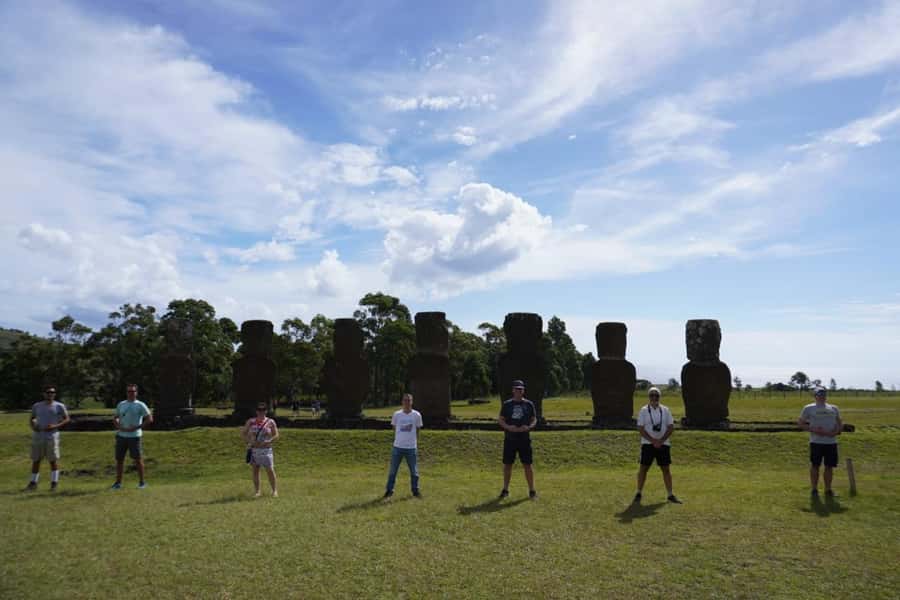
The second half-day moves to the northwest side of the island. This one leans more toward the “how it was made and where it connects” theme.
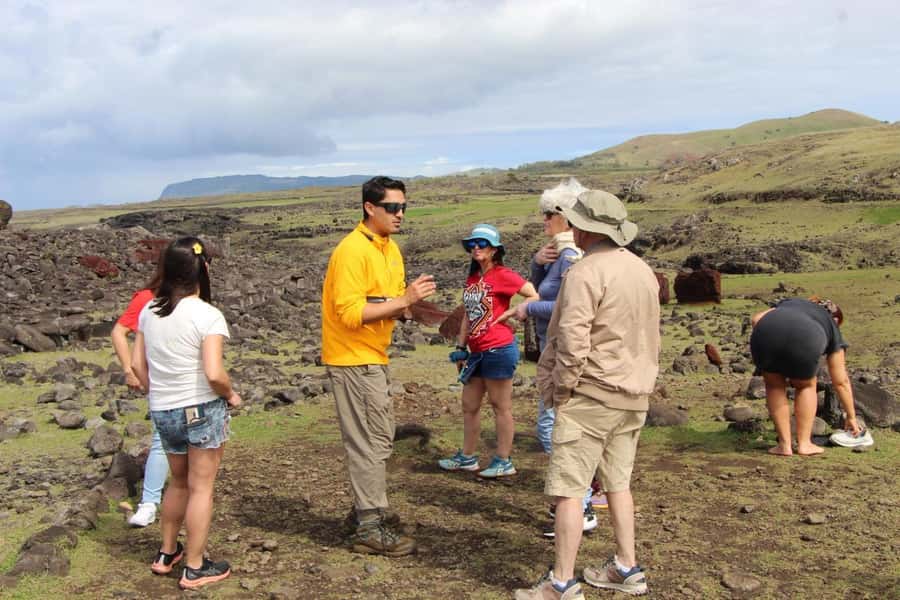
Puna Pau Quarry: where the headdress stone came from
You’ll visit Puna Pau Quarry, the place where islanders sourced stone for the moai headdresses. This is one of those stops that makes the moai feel less like random monuments and more like a constructed tradition.
When you stand near the source, you can picture the logistics behind the art. That mental shift is why quarry visits are worth doing with a guide, not just on your own.
Ahu Akivi: seven moai that pull you back to the human scale
Next comes Ahu Akivi, where you’ll see seven moai. This is a nice change of pace from “one iconic statue after another.”
Ahu Akivi also helps you notice that not all moai moments are identical. Some sites emphasize posture, some placement, and some offer views that make the statues feel positioned for a reason.
Tahai Village: a closing chapter
You finish the half-day at Tahai Village. It works well as a wrap-up stop, because it gives you a final chance to absorb what you learned earlier, before the day turns into dinner plans and rest.
If you’re comparing the two half-days, one review flatly said the first tour could feel less interesting. The same review also credited the guide for keeping energy up, and that’s key here.
Full-day tour: southeast and northeast highlights, from Akahanga to Anakena
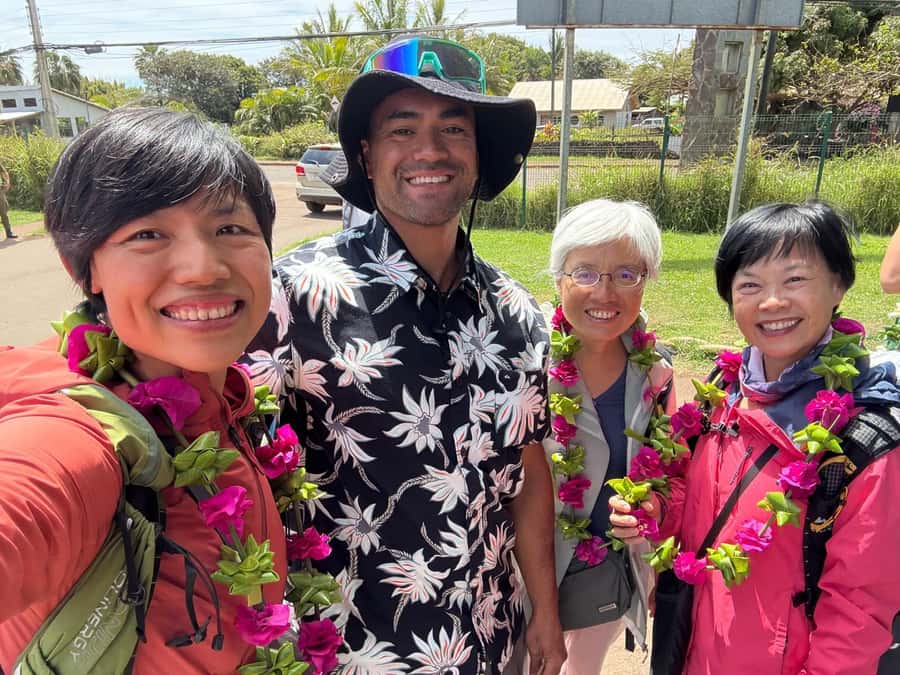
The full day is where this package shines. You cover more distance, yes, but the stops connect into a bigger narrative: sacred power, then stone supply, then the moai you can still see today.
Vaihu Complex and Akahanga Village, including the first king entombment
You’ll visit the Vaihu Complex and then Akhahanga Village, where the first king of Rapa Nui is entombed.
Even without getting lost in details, this is the kind of stop that makes the island feel personal. It’s not just monuments in the distance, it’s a reminder that these were once tied to real leadership and ritual.
Rano Raraku Quarry, lunch with a view of the source
Then comes Rano Raraku Quarry, which supplied most of the stone for the island’s statues. This is a main character stop.
After arriving, you also stop for lunch at a restaurant just in front of the quarry. That’s practical for you because you’re not hunting for food far away, and it keeps the story flowing without breaking rhythm.
If you love photography, this is where you’ll want your camera ready. Quarry light can shift fast, and the subject is always there, even when you’re just walking between moments.
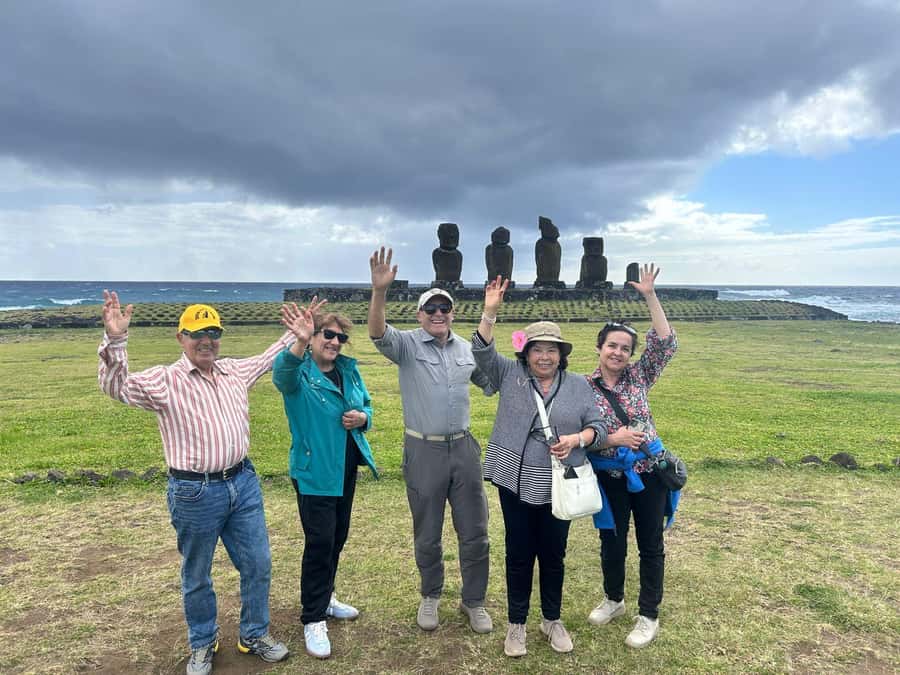
Ahu Tongariki: 15 moai and the heaviest statue ever erected
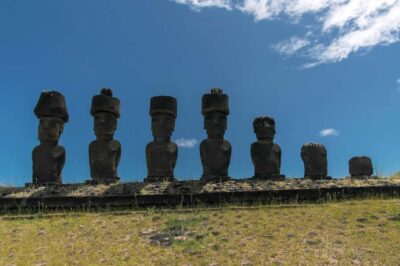
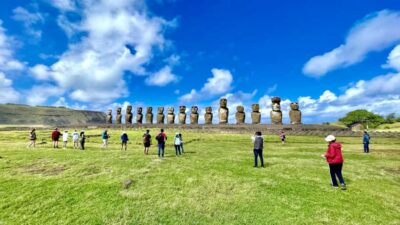
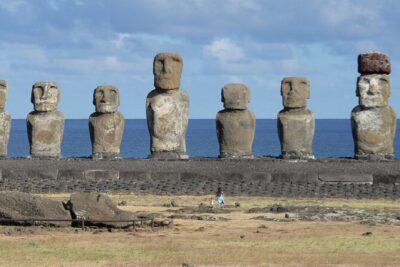
After lunch, you go to Ahu Tongariki, which features 15 moai. One of the best stated facts here is that it includes the heaviest statue ever erected on the island.
That matters because it gives you something concrete to look for. You’re not just counting, you’re appreciating scale and engineering choices.
Te Pito Kura: the largest moai statue ever built (10 m tall)
Next you visit Te Pito Kura, and you can check out the largest moai statue ever built, measuring 10 m tall. This stop gives you a clear “anchor” measurement, and it’s easier to understand the island’s ambition when you have a number like that.
Anakena Beach: one hour of free time on white sand
Finally, you get one hour of free time at Anakena Beach. You’ll have a chance to soak in scenic views of a palm grove with the white sand.
This part is not just for relaxing. It’s also a mental reset, especially if you’ve spent the entire day in archaeological sites. Take off your shoes if you want, but keep hydration and sun protection in your bag, because the day outside can get intense.
What to actually pack, so you don’t suffer through the best parts
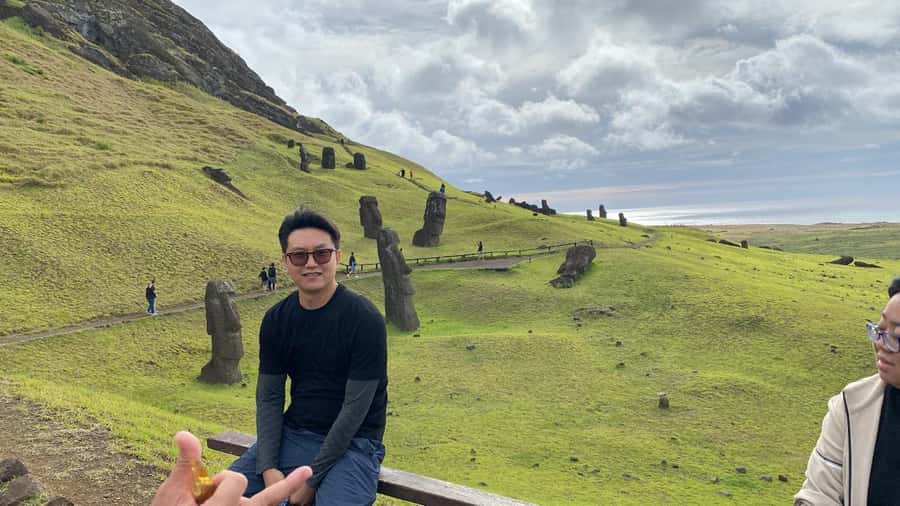
You’ll do a mix of walking and waiting in sun. Pack like the day is outdoors, because it is.
Bring comfortable shoes, a hat, sunscreen, and water. Also include a towel and beachwear if you want to make the most of Anakena Beach time.
Breathable clothing helps, and a camera is worth it because moai and quarries are visually repeatable in different ways from different angles. A passport is required, and the info says a copy is accepted too.
Pace and comfort: who this tour fits best
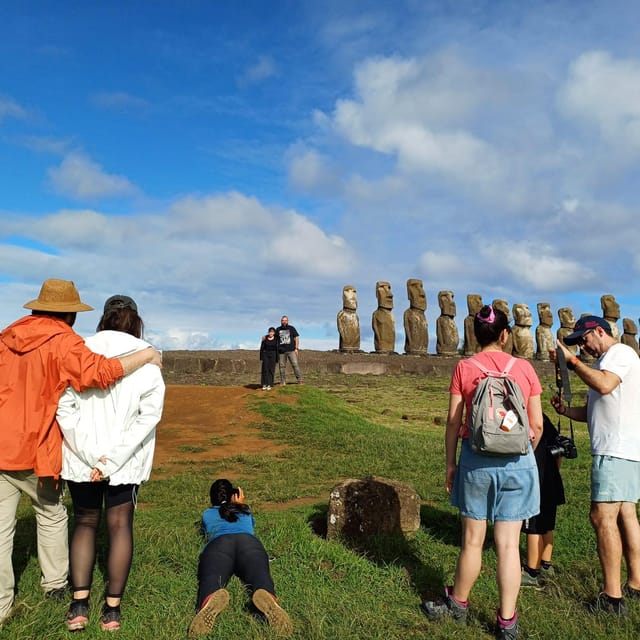
This experience is not suitable for wheelchair users. If you have mobility issues, you might find the walking and uneven terrain tough, especially around crater edges and quarry areas.
For the best fit, I’d point to travelers who:
- Want a guided overview across multiple site types, not just one “moai greatest hits” day
- Like learning the “where did the materials come from” side, not only the viewing side
- Can handle two half-days plus one full day, with some shorter stops along the way
If your travel style is slow and deeply contemplative, the half-days might feel a little packed. In that case, prioritize the full-day highlights and be okay with the half-days acting as key context.
Price and value: what your $177 covers, and what you still pay for
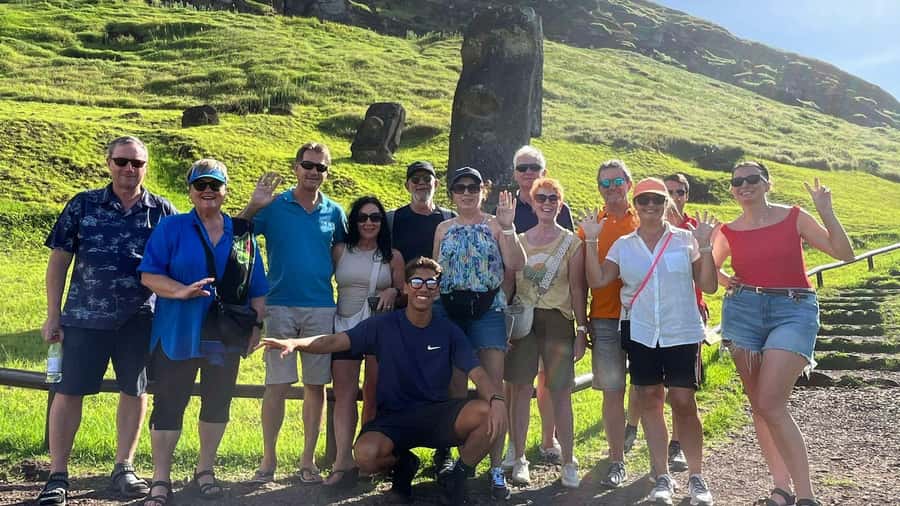
At $177 per person, you’re buying a lot more than “transport.” Your price includes two half-day tours and one full-day tour, an English/Spanish guide, hotel pickup and drop-off, and transportation.
You also get a reception at the airport with a flower necklace, which is a nice, small cultural touch tied to arrival.
The catch is what’s not included. You’ll need the national park ticket, and food and drinks are not included. So the real value depends on whether you budget for those items comfortably.
From a value standpoint, I see this as reasonable because you’re not paying extra for separate transfers or juggling day-by-day planning. If you were to try to DIY all these stops, you’d still face time and logistics, and you’d lose the guide explanations that make quarries and ceremonial sites click.
Guides and language: why it can feel smooth on the ground
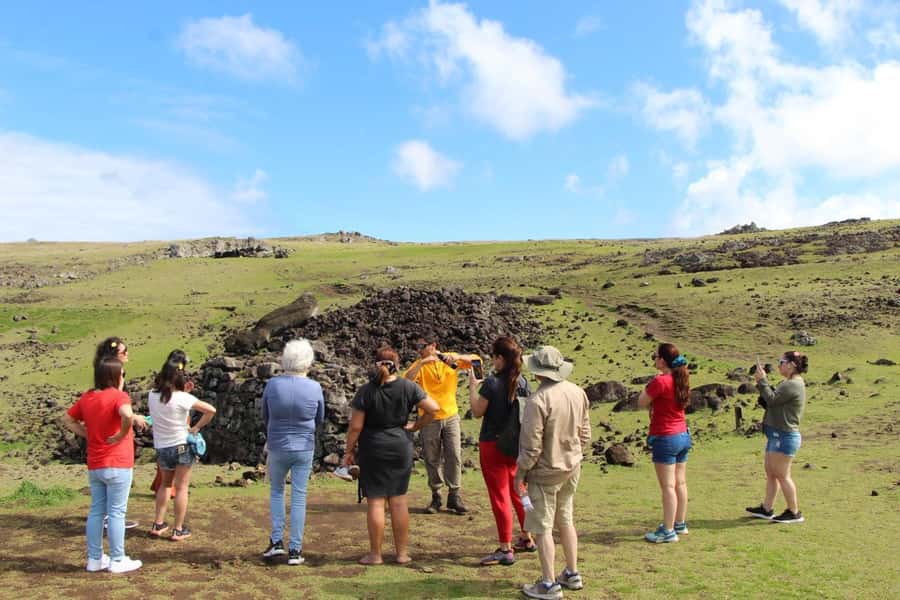
This is an English/Spanish experience, and the guide is the glue between stops. The itinerary is built on multiple site types, so someone who can keep momentum matters.
One review highlighted Uca as super professional and mentioned the guide handled a combined group in two languages. That’s a good sign for you if you want the story to stay coherent even when the group is mixed.
Should you book this Rapa Nui experience?
Book it if you want a guided, efficient way to understand Rapa Nui. The full-day combination of Rano Raraku Quarry, Ahu Tongariki, Te Pito Kura, and the Anakena Beach breather is a strong payoff for most visitors, especially if you’re short on time.
Skip it or plan differently if you know you hate fast-paced stop-and-go sightseeing. Also double-check your budget for the national park ticket and your own meals, because those will affect the final spend.
If you like tours where the guide connects locations into a single story, you’ll probably leave with more than photos. You’ll leave with a clearer picture of how the island’s sacred world and moai materials link together.
FAQ
How long is the activity valid?
The duration is listed as valid 6 hours from the first activation.
Where are the pickups and drop-offs?
Pickup and return are from Hanga Roa, with hotel pickup and drop-off included.
What tours are included?
You get 2 half-day tours and 1 full-day tour.
What sites do we visit?
The stops include Orongo Ceremonial Village, Rano Kau, Ahu Vinapu, Puna Pau Quarry, Ahu Akivi, Tahai Village, Vaihu Complex, Akahanga Village, Rano Raraku Quarry, Ahu Tongariki, Te Pito Kura, and Anakena Beach.
Are meals included?
Food and drinks are not included.
Is the national park ticket included?
No, the national park ticket is not included.
What languages does the guide speak?
The guide is listed as speaking English and Spanish.
How much free time do you get at Anakena Beach?
You get one hour of free time at Anakena Beach.
Is it suitable for wheelchair users?
It is not suitable for wheelchair users.
Freshly reviewed in Hanga Roa
- Astronomical Tour on Easter Island★ 3.5 · 3 reviews
- Full day Private Tour: Poike Walk through the abandoned area★ 4.5 · 3 reviews
- T1-THE GRAND TOUR (non-cruise visitors)★ 5.0 · 3 reviews
- 4-Days Trip to Discover Easter Island★ 4.0 · 3 reviews
- Private 2 Days Essential Tour of Easter Island★ 5.0 · 4 reviews
- T2-THE MUST-HAVES OF RAPA NUI (non-cruise visitors)★ 4.5 · 4 reviews
- Private Tour: Easter Island Caves★ 4.5 · 4 reviews
- Private Tour: The Highlights of Easter Island★ 5.0 · 4 reviews
Easter Island Tours, compared.
Two days of Full Day Tour of Rapa Nui + Sunrise in Tongariki
Read our review →
2-Day Private Tour Easter Island Highlights Complete Discovery
Read our review →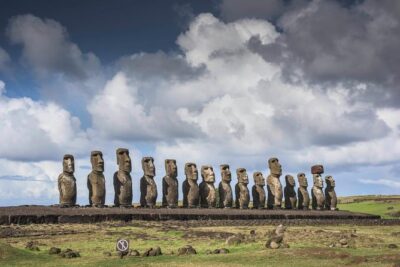
Private Tour: Full Day Easter Island Highlights
Read our review →
Browse the lists this tour appears in