
Reviewed · EASTER ISLAND TOURS
Mysteries and Legends: Complete Journey of Rapa Nui in 3 Tours
Rapa Nui can feel like a puzzle box, and this 3-day route keeps you focused on the island’s biggest monuments and the stories that cling to them. I like the way it stacks major stops close enough to feel efficient, and I also like that the guides bring the sites to life, with names like Maitu, Nicholas Paka, and Nico (with Mera) showing up in the experiences I read. One thing to consider: this is not a fully English-only setup all the time, so you may want to ask about the language mix before you go.
The plan also makes practical sense. You get hotel pickup and an air-conditioned vehicle, and the group stays small (up to 15 people). The big “gotcha” is that national park entry is not included, so budget time and money for that separate piece.
Key things that make this tour worth your attention
- A tight circuit of the island’s most famous moai areas across three days
- Guides who connect the legends to what you see, with repeat mentions of strong guiding
- Efficient hotel pickup and transport, designed for a short stay
- Orongo and the Tangata Manu Birdman competition site included, not treated as optional
- Puna Pau and headdress carving areas on Day 3 so you understand the “headgear” side
- Flexibility when weather fogs key views, including a reported second attempt at Orongo
Why this 3-day Rapa Nui route feels focused, not rushed
This tour works because it’s built around a clear idea: you see the key ceremonial platforms and major carved-stone locations, then you back it up with the places where the competition and carving traditions happened. That structure matters on Rapa Nui, where it is easy to spend hours chasing one site at a time and still miss the connections.
What I like most is the balance between the dramatic “face-the-sea” moai areas and the working places tied to making them. You are not just looking at finished monuments. You are also visiting the quarry area tied to carving (Rano Raraku) and the quarry tied to the carved headdresses (Puna Pau). That makes the whole trip feel like one story, not a box check.
One more practical upside: the tour caps at 15 people. Smaller groups usually mean fewer bottlenecks at viewpoints and less time waiting while someone takes one more photo with the wrong lens. You still should expect typical touring time on uneven ground.
A few more Hanga Roa departures to weigh up
- From Hanga Roa: Rapa Nui Culture Sightseeing Tour
★ 4.6 · 307 reviews - From Hanga Roa: Easter Island Highlights 2-Day Tour
★ 4.3 · 205 reviews - Full Day Tour in Rapa Nui
★ 4.5 · 122 reviews
Getting started in Hanga Roa: pickup, transport, and what to expect
You meet up in Hanga Roa, and you should plan on hotel pickup as part of the package. The vehicle is air-conditioned, which you will really appreciate if you hit warmer hours between stops.
The schedule is built in blocks, with most stops running about 20 to 45 minutes, plus longer blocks when the location is doing more than just offering a quick look. That pacing is useful. On Rapa Nui, you can feel overloaded fast, so shorter guided windows help you actually take the place in.
Group size is small, but it’s still a group. If you are the type who likes to linger and roam, you may find yourself tempted to rush ahead during the free moments. The fix is simple: ask your guide where the best angle is for photos, then use the remaining time for your own exploring.
Day 1 ceremonial lineup: Akahanga, Rano Raraku, Tongariki, Te Pito Kura, Anakena
Day 1 is the “see the giants and the legends attached to them” day. It’s also a smart way to start, because you build your mental map right away: sacred burial story area, main carving area, major restored lineup, then a big focal moai site, and finally beach time.
Ahu Akahanga (about 45 minutes)
This is the zone of lying moais and the legends that say the first king of the island was buried here. Even if you’re not chasing every version of oral tradition, this stop gives you a feeling for how Rapa Nui storytelling works on the ground. The moais here are not presented as shiny and perfect. They are presented as part of a layered past.
What to watch for: plan for a few minutes to orient yourself before you start taking photos. The “lying moais” idea can be visually confusing at first, so let the guide explain what you are looking at.
Drawback: this stop is shorter, so you don’t get much time to wander. If you want to spend a lot of time at one place on Day 1, this may not be it.
The other half of a Hanga Roa week:
- 2-Day Private Tour Easter Island Highlights Complete Discovery
★ 5.0 · 110 reviews - Private Full-Day Easter Island Highlights North and West
★ 5.0 · 84 reviews - From Hanga Roa: Journey from Orongo to Ana Te Pahu
★ 4.3 · 75 reviews - Journey of the Ancestors: Tongariki, Rano Raraku & Anakena Beach
★ 4.5 · 70 reviews
Rano Raraku (about 1 hour 30 minutes)
Rano Raraku is the sacred place where most of these stone giants were sculpted. You also get the enigmas behind moving these imposing moais to other parts of the island.
This is one of the stops that makes the whole tour click. Seeing the carving place helps you understand the physical scale of what was being made. And the focus on the enigmas, not just the finished monuments, keeps you from leaving with only surface-level facts.
Practical tip: bring sun protection and water. The time at Rano Raraku is longer than most stops, so comfort matters.
Ahu Tongariki (about 45 minutes)
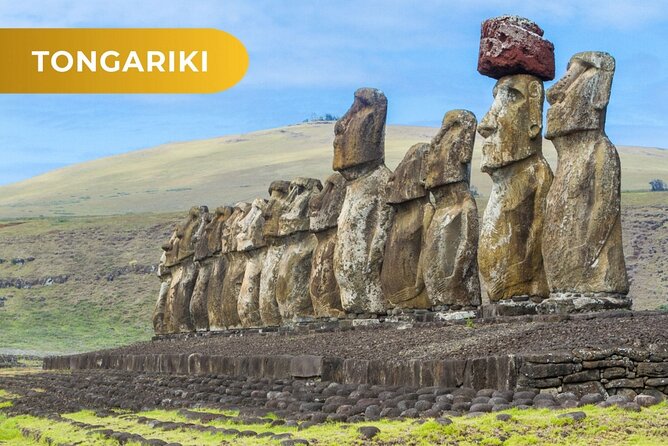
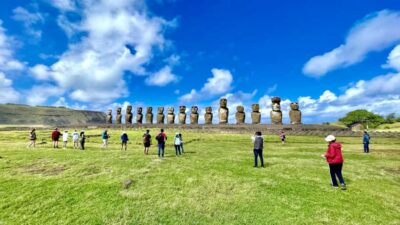
Ahu Tongariki features 15 restored moais. This is the kind of site where the “wow” hits fast, because the lineup reads instantly even from a distance.
The benefit of including Tongariki early in your trip is that it becomes your benchmark for how restored sites look compared with older or more broken areas you might see later.
Ahu Te Pito Kura (about 25 minutes)
This ceremonial center houses the largest moai of those built. That sentence alone tells you why it belongs on a short itinerary.
Since the stop is only about 25 minutes, make the most of the time by asking your guide for the best angle and what makes this “largest” detail stand out here.
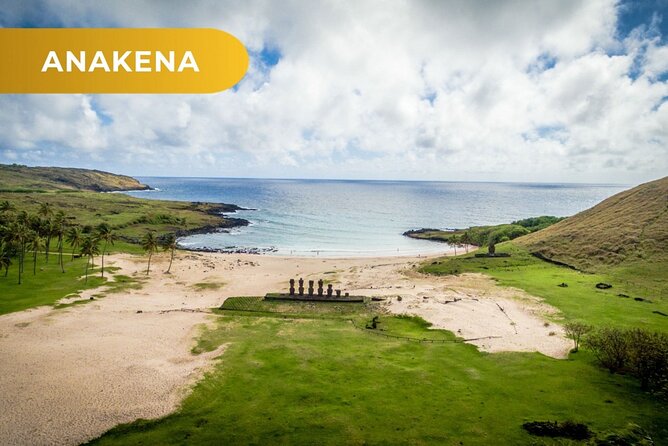
Anakena Beach (about 1 hour)
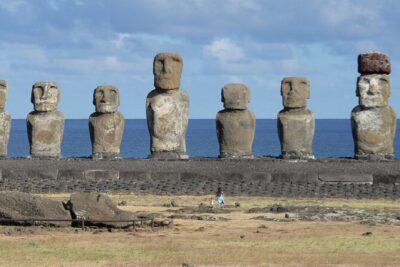
Now you get a breather. Anakena Beach is known for best preserved moais on the entire island. You also get the classic beach view, with palm trees, white sand, and turquoise water.
I love this stop because it turns your brain off for a bit. After a day of stone giants and ceremonial platforms, you finally get space to breathe. It also helps with jet lag or day-one fatigue, since you can sit and reset.
What to watch for: the tour schedule gives you about an hour. If you want a longer beach moment, plan extra time outside the tour window.
Day 2 island power centers: Vinapu, Orongo Birdman, and Rano Kau crater nature sanctuary
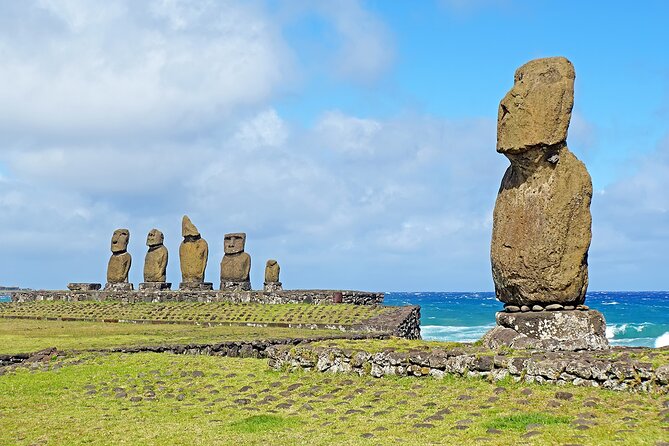
Day 2 shifts from moai platforms to places tied to technique, clan life, and the island’s volcanic geography.
Ahu Vinapu (about 45 minutes)
Ahu Vinapu has stone constructions that show techniques used to work volcanic rock. You also see remains of destroyed moais that were knocked down in internal wars between clans in the 18th century.
This stop is for people who want more than posture and pose. The focus here is how the construction reads, and how conflict left visible scars.
Consideration: because this is about remains and techniques, it can feel less immediately dramatic than a restored lineup like Tongariki. The guide’s explanation makes a big difference.
Orongo (about 1 hour)
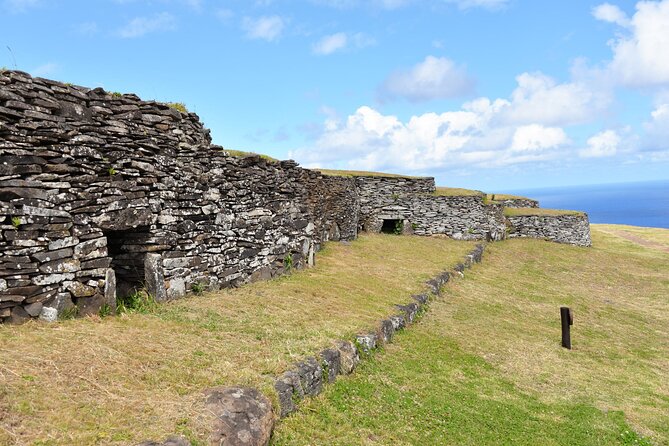
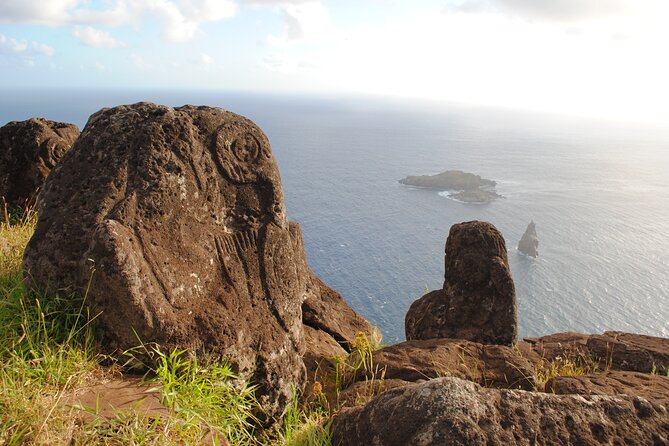
Orongo is where the Tangata Manu competition was held, called Bird Man. This competition determined which clan would be in charge of the island for a year.
This is a key stop because it adds a social layer to the monument story. You are not only seeing ceremonial spaces. You’re seeing the setting for a named competition with a consequence that lasted a year.
Weather note: Orongo can be misty. In one reported experience, the group drove to Orongo twice because the first attempt was too misty to see well. That kind of patience is worth choosing a tour that can adjust when visibility changes.
Rano Kau (about 20 minutes)
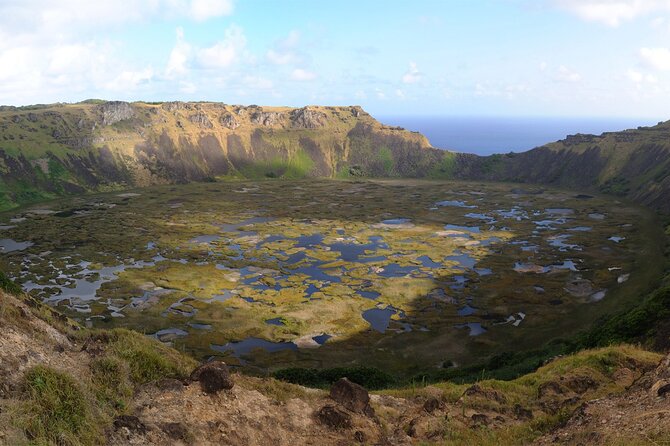
Rano Kau is a volcano with a crater, and in that crater you can find a true nature sanctuary. This stop is shorter, but it is a smart palate cleanser after Orongo.
If you’re a photo person, use the limited time to aim for the crater view. If you’re more into walking slowly, you might find the stop feels brief.
Day 3 quarry craft and sea-facing alignment: Puna Pau, Akivi, and Tahai
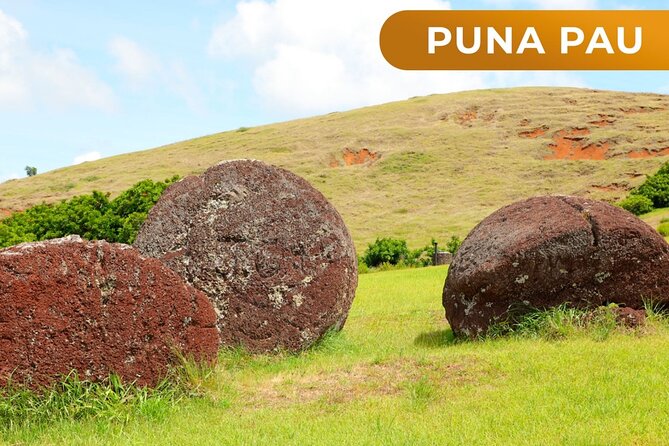
Day 3 is where the tour ties the “carving” thread into your last big set of moai locations and adds an eye-catching alignment detail.
Puna Pau (about 30 minutes)
Puna Pau is a quarry where the headdresses of famous moais, such as Pukao, were carved. If you’ve been wondering about those top pieces, this is the stop that answers it.
I like this day-end rhythm. After thinking about platforms and competitions, you return to material making. It gives you a stronger sense of how parts of the monuments connect.
Ahu Akivi (about 35 minutes)
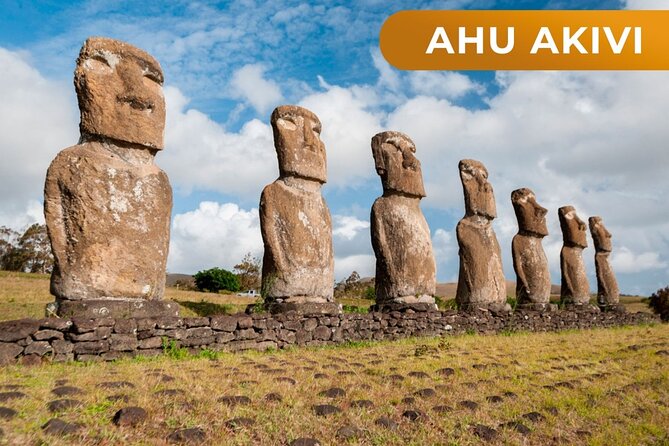
Ahu Akivi is a restored sector with seven moais of equal dimensions facing the sea. You also get a specific alignment pattern: they are aligned at sunset during the spring equinox, and at autumn equinox they turn their backs to sunrise.
Even if you are not traveling exactly on those dates, this information matters. It trains your eye to look for intentional positioning, not just placement.
Practical consideration: the stop is about 35 minutes, so you get enough time to understand the alignment concept, but you still need to be efficient with photos.
Ahu Tahai (about 45 minutes)
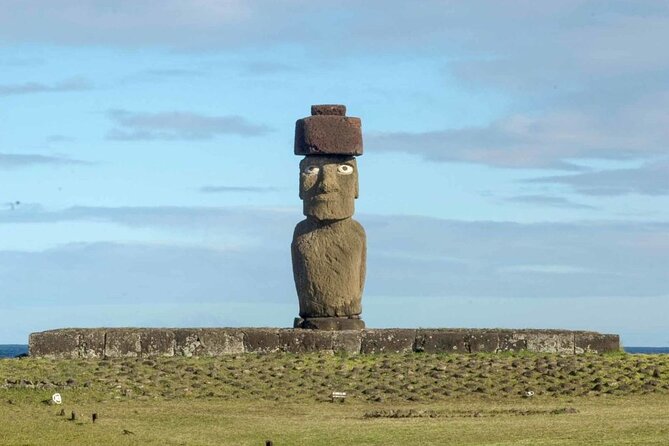
Ahu Tahai concentrates archaeological and contemporary components, and it includes three restored platforms: Ahu Tahai, Ahu Vai Uri, and Ahu Ko te Riku.
This is a good final stop because it feels like a bridge between older stone and what is being preserved now. It is also a calmer way to end the trip than trying to cram in one more high-intensity site.
If you have leftover energy, this is where you can slow down. The variety of platform areas gives you more chances to find angles you like.
Price and value: is $290 per person a fair deal?
At $290 per person for about three days, the value here mostly comes from two things: guided interpretation and covering a lot of major sites efficiently. You’re also getting air-conditioned transport and hotel pickup, and the group stays small.
But there are two budget items you must plan for because they are not included. Entrance to the national park is not included, and a picnic lunch is not included. That means your real cost depends on what you pay for those essentials and what you choose to eat on tour days.
So here’s how to think about it: the headline price is only half the story. If you arrive without the national park ticket sorted, you could waste time and lose part of the day’s flow.
One more value consideration from real-world experience: some people felt the tour price looked higher when booked through a third-party platform, and preferred comparing options by booking locally on the island. If price matters a lot to you, it’s reasonable to check what’s available in Hanga Roa and compare.
Guides, language mix, and how to get the most out of the narration
The biggest praise across these experiences is about the guiding. Names that show up include Maitu, Nicholas Paka, and also Nico and Mera leading different parts of the overall run. What matters for you is not the name itself, it’s the effect: the guide turns isolated ruins into a connected story.
One practical watch-out: the tour may be combined English and Spanish depending on the group. If you need clear English-only narration, ask ahead of time how the group language will work.
Another practical note: one person found the agency hard to reach and had to go in person to get clarity, with messages not always answered quickly. If you have special questions, don’t wait until the last minute.
The upside? In the experiences that impressed people most, the guides were punctual and flexible, including adjusting plans based on visibility at Orongo. That matters because on Rapa Nui, fog and weather can change how much you can see.
Weather and timing: when the schedule gets impacted
This tour requires good weather. If conditions are poor, it can be canceled and you’ll get a different date or a full refund. That’s not just fine print. It can make a difference because places like Orongo depend on visibility.
Timing wise, the stops are short enough that you can handle minor delays. Still, you should plan for the rhythm of a day that includes multiple sites. Shoes and sun protection matter more than you might think, since you’ll be moving between viewpoints and platforms.
Also, because you’re doing many short stops, you can get mentally tired fast. My advice: pick one “must focus on” stop per day, then let the others be bonus.
Who this tour suits best, and who should skip it
This plan is a strong fit if you:
- Want to see a lot of key moai areas in a short stay
- Like interpretation that connects legends, carving, and ceremonial spaces
- Prefer a small group with hotel pickup
It might not be your best match if:
- You want one language guaranteed, without any Spanish overlap
- You hate park-entry logistics and prefer everything to be bundled into one payment
- You want long unstructured time at beaches or single sites without moving on
Should you book Mysteries and Legends: Complete Journey of Rapa Nui in 3 Tours?
I would book it if your goal is simple: see the major Rapa Nui sites in a tight, guided format across three days, without planning every stop yourself. The mix of platform sites plus carving and quarry locations gives you a fuller picture than many shorter tours.
Before you hit confirm, do two things:
- Make sure you understand what you still need to pay for, especially national park entry and food.
- Ask about the language setup for your group so you’re comfortable with the narration.
If those boxes are easy for you, this is the kind of itinerary that can make Rapa Nui feel coherent instead of chaotic.
FAQ
How long is the tour?
The tour runs for about 3 days.
Where does the tour start?
The experience is in Hanga Roa, and it includes hotel pickup.
What is the price per person?
The price is $290.00 per person.
What’s included in the tour price?
Included are an air-conditioned vehicle, a guided experience, and hotel pickup.
Is the national park entrance included?
No. Entrance to the national park is not included.
Is lunch provided?
A picnic lunch is not included in the value of the tour.
How big is the group?
The maximum group size is 15 people.
When will I get confirmation after booking?
Confirmation is received within 48 hours of booking, subject to availability.
What happens if the weather is bad?
This experience requires good weather. If it is canceled due to poor weather, you’ll be offered a different date or a full refund.
How flexible is cancellation?
Free cancellation is available. You can cancel up to 24 hours in advance for a full refund. Canceling less than 24 hours before the start time is not refunded.
Freshly reviewed in Hanga Roa
- Astronomical Tour on Easter Island★ 3.5 · 3 reviews
- Full day Private Tour: Poike Walk through the abandoned area★ 4.5 · 3 reviews
- T1-THE GRAND TOUR (non-cruise visitors)★ 5.0 · 3 reviews
- 4-Days Trip to Discover Easter Island★ 4.0 · 3 reviews
- Private 2 Days Essential Tour of Easter Island★ 5.0 · 4 reviews
- T2-THE MUST-HAVES OF RAPA NUI (non-cruise visitors)★ 4.5 · 4 reviews
- Private Tour: Easter Island Caves★ 4.5 · 4 reviews
- Private Tour: The Highlights of Easter Island★ 5.0 · 4 reviews
Easter Island Tours, compared.
Two days of Full Day Tour of Rapa Nui + Sunrise in Tongariki
Read our review →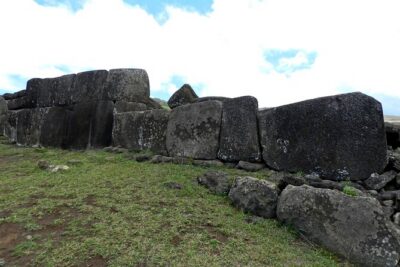
2-Day Private Tour Easter Island Highlights Complete Discovery
Read our review →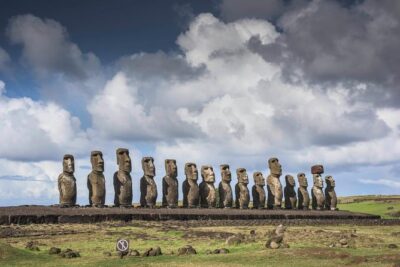
Private Tour: Full Day Easter Island Highlights
Read our review →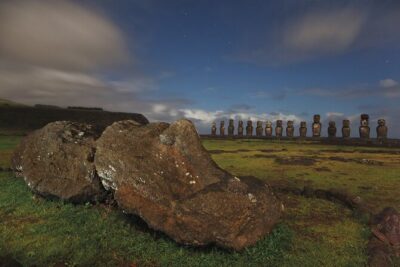
Browse the lists this tour appears in