
Reviewed · EASTER ISLAND TOURS
Hanga Roa: Full Day Moai and Mistery
What makes this full-day Moai and Mystery tour interesting is the route, it strings together the key sites in one go, so you see the statues where they started, where they fell, and where they look most dramatic. I also like that you get native expert guides talking you through what you’re actually looking at, not just quick photos. The big bonus is the balance of culture and scenery, from quarry to ceremony village to the beach.
Here’s the one drawback to consider: with six major stops in about 7 hours, some locations may feel like a faster pass if your timing runs tight. If you’re the type who wants to linger for long shots and quiet moments, plan for a bus-and-walk day, not a slow ramble.
Key highlights worth planning around
- Vaihu (Vaihu) gives you the “arrival moment” with Moai set in a sacred, atmospheric setting
- Akhahanga focuses on the fallen Moai story, including remnants and distinctive topknots
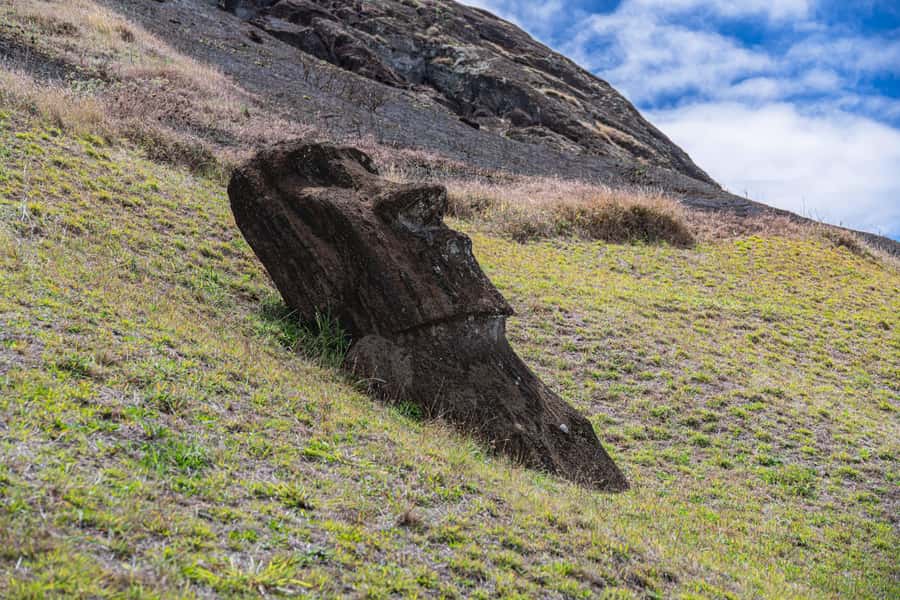
- Rano Raraku shows the quarry reality, with Moai in different stages of carving and placement
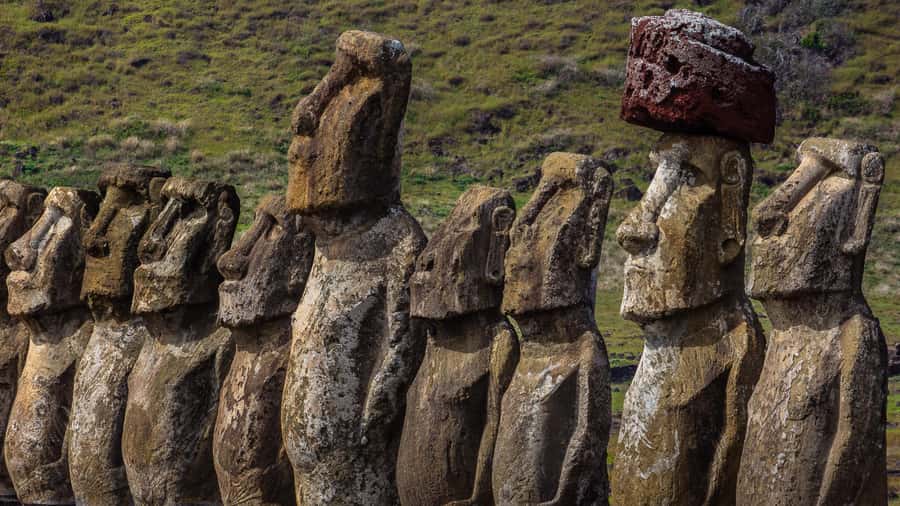
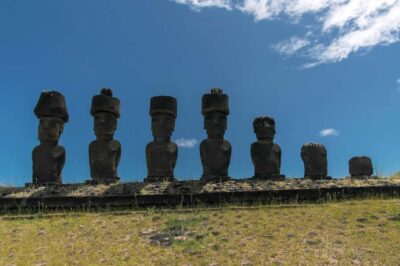
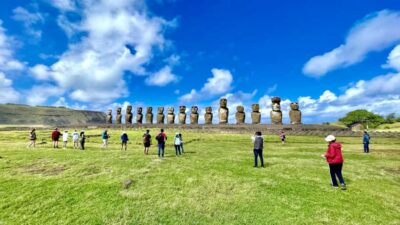
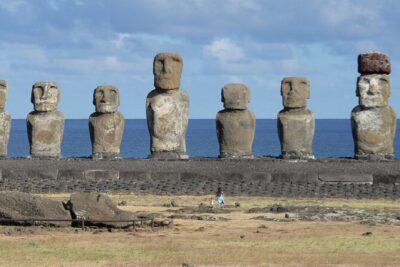
- Tongariki is the big visual payoff, fifteen Moai lined up against the Pacific backdrop
- Pito Kura adds the ceremony layer, a quieter stop that changes the mood of the day
- Anakena beach is your reset, turquoise water, golden sand, and coconut palms to close the loop
A 7-hour Moai circuit that actually makes sense
This is a full-day route built for people who want the essentials without doing an exhausting round-trip of solo planning. I like tours like this because Easter Island can feel like a list of place names until someone connects the dots. Here, the dots are the Moai themselves and what they represent to the Rapa Nui people.
The timing matters. You’re moving between major sites with transportation and a driver included, and you still get time to walk and take in the views. At the end, you land at Anakena Beach so the day doesn’t feel like one long archaeological march.
A few more Hanga Roa departures to weigh up
- From Hanga Roa: Rapa Nui Culture Sightseeing Tour
★ 4.6 · 307 reviews - From Hanga Roa: Easter Island Highlights 2-Day Tour
★ 4.3 · 205 reviews - Full Day Tour in Rapa Nui
★ 4.5 · 122 reviews
Price and value, why $100 can be fair here
At $100 per person for about 7 hours, the value depends on what you’re saving. You’re paying for transportation, a driver, and a local guide. On Rapa Nui, those three things can add up fast if you try to DIY every leg.
Also, the guide changes the value. The difference between seeing a Moai as a cool photo and seeing it as part of a living cultural story is not subtle. The tour is marketed around cultural tourism and that shows in how the stops are explained.
One more practical note: the National Park ticket is not included. If you skip it, you might waste time at the gate or have to reorganize on the spot. I’d rather you plan ahead so the schedule stays smooth.
Vaihu: the first Moai moment, and why it sets the tone
Your day starts at Vaihu, a place where the Moai feel less like landmarks and more like presences. You walk among ancient stone statues standing in silent tribute, and the guide’s job is to give them context fast.
What I like about this first stop is the mood. Early on, you’re still fresh, and the site helps you understand that Moai were never just “art pieces.” They were tied to spiritual and social meaning for the Rapa Nui. You’ll hear stories about how the statues were made and why they mattered.
Practical tip: wear shoes you can trust on uneven ground. The stops here are walking sites. If you’re hoping for smooth boardwalk conditions, you may be surprised.
Akahanga: fallen Moai, topknots, and a story with consequences
Next up is Akhahanga, another archaeological area that adds a different emotional note. Instead of Moai fully standing, you’ll see remnants of fallen figures, with the distinctive topknots scattered across the terrain.
This is where the day stops being only “look at the Moai” and starts asking bigger questions. Why are some statues down? What changed? How do you interpret remnants after disruptions over time? The guide helps connect craftsmanship and cultural significance to the archaeological evidence around you.
One consideration: this stop can feel heavier than Tongariki, and that’s a good thing. If you only want the most photogenic views, you might find Akahanga less “wow” and more “think.” But for me, it’s the kind of site that makes the rest of the route click.
The other half of a Hanga Roa week:
- 2-Day Private Tour Easter Island Highlights Complete Discovery
★ 5.0 · 110 reviews - Private Full-Day Easter Island Highlights North and West
★ 5.0 · 84 reviews - From Hanga Roa: Journey from Orongo to Ana Te Pahu
★ 4.3 · 75 reviews - Journey of the Ancestors: Tongariki, Rano Raraku & Anakena Beach
★ 4.5 · 70 reviews
Rano Raraku quarry: seeing Moai in stages of creation
Then you head to Rano Raraku, the quarry where the Moai were born. This is one of those places where you realize the island’s history is written into the ground itself.
You’ll be surrounded by the dramatic volcanic crater setting, and you’ll see Moai in different stages of completion. Some are still embedded in the rock. Others are positioned as if the work paused mid-process. That contrast is the point. It turns Moai from finished objects into part of a broader system of carving, intention, and labor.
Why this stop is valuable: it helps you understand that making Moai wasn’t only about the final statue. The quarry shows the journey from stone to symbol, and the spiritual beliefs behind the work.
If you’re hoping for shade, plan for the fact that crater areas can be exposed. Bring sunscreen and a hat if the sun is doing its thing that day.
Tongariki: fifteen Moai, serious drama, and the Pacific backdrop
After the quarry, the route shifts to Tongariki, one of the most famous arrangements on the island: fifteen majestic Moai lined up with the ocean as a backdrop.
This is the big visual payoff, the moment your camera roll will thank you for. But it’s also a site with restoration context, so you’ll hear how the lineup was restored and why it matters symbolically for the Rapa Nui community.
I also pay attention to how guides pace this stop. On a schedule this full, you might not get long, quiet time for every single photo. The fix is simple: decide early what you want most, wide lineup shots or closer details, then use the time you have with purpose.
A helpful detail from past departures: when the archaeologist Ene has been leading, the explanations have been called out as especially strong for understanding the statues, not just seeing them. If you see that name in your group, it’s a nice sign for history-focused storytelling.
Pito Kura: where ceremony enters the story
Then you go to Pito Kura, a lesser-known stop that changes the tone. Instead of focusing only on Moai figures, you’re looking at a sacred ceremonial village area with unique features.
This is where the tour earns its “mystery” label. You’ll learn about rituals and ceremonies that once took place there. Even if you don’t remember every detail, the effect sticks. The island stops feeling like a museum and starts feeling like a place where people lived, prayed, gathered, and built meaning into space.
Practical note: if you’re someone who likes strong visuals, Pito Kura may not hit you like Tongariki. But if you care about understanding how people used the island, it’s a key piece of the puzzle.
Anakena Beach: the payoff for your legs, not just your eyes
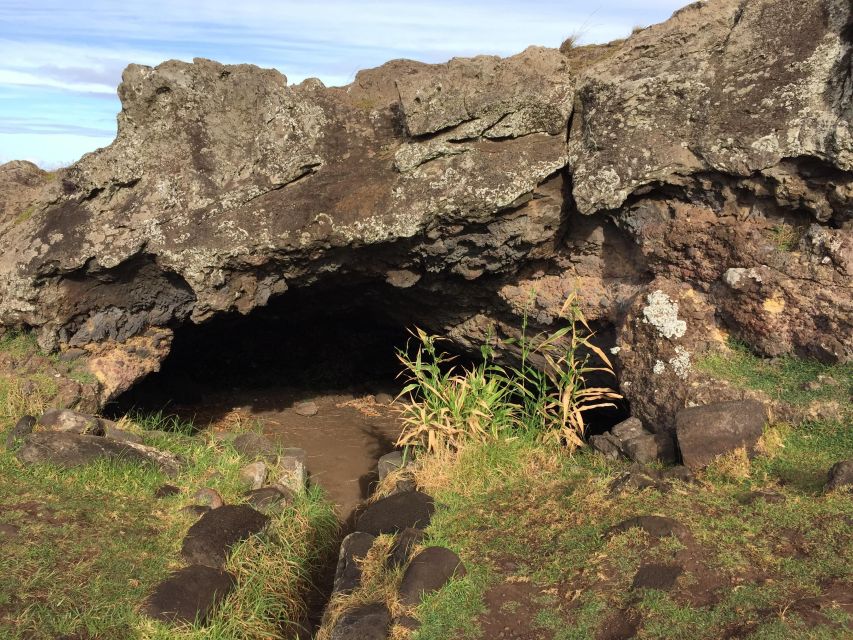
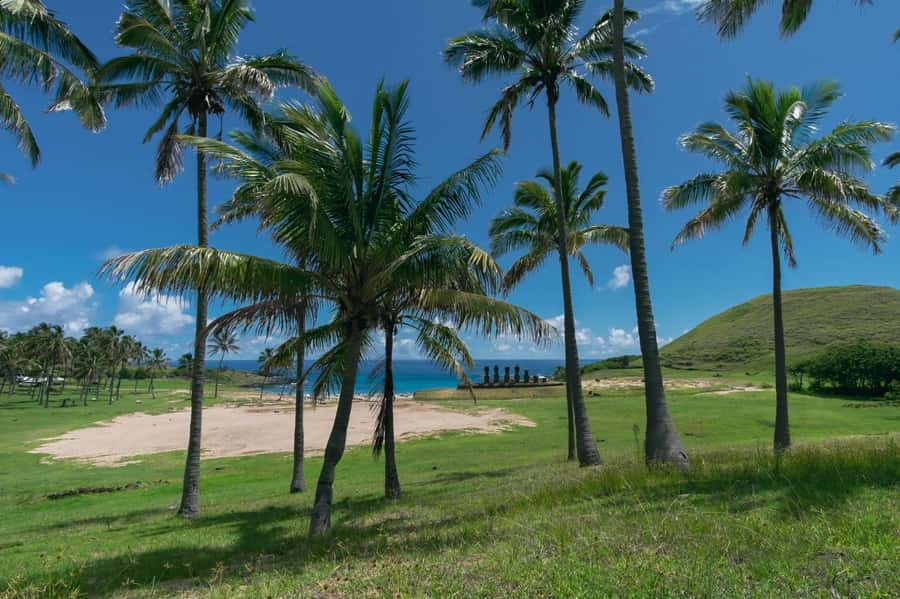
The day ends at Anakena Beach, where turquoise waters meet golden sand, and coconut palms add that classic Easter Island postcard feel.
This is more than a nice finale. It gives your body a break after walking and it lets you process what you saw. After statues, quarry, and ceremony grounds, the beach acts like a reset button.
If you want a practical souvenir of the day, this is where you do it. Take photos, but also take a moment to do nothing. Even ten minutes of sitting on the sand can make the whole route feel more personal.
Guides and hospitality, what to look for on your departure
The tour emphasizes hospitality, and that matters more than it sounds. When you’re spending a full day on a schedule, small things, like how the guide handles timing and how they explain each stop, can make the difference between a good tour and a frustrating one.
You might also meet guides such as Zoe, who has been praised for being perfect, and Ene, who is described as an archaeologist with strong expertise. If your group includes a guide with an archaeology background, you can expect the Moai explanations to lean into the “how and why,” which is what you want for a route that includes quarry and fallen statues.
That said, keep your expectations flexible. Any long day can feel rushed at one of the stops, and your best defense is mindset. If you go in knowing it’s a highlight circuit, you’ll feel satisfied even when a particular site gets less time than you hoped.
What I recommend you do before you go
A tour like this is all about matching your day to your interests and your energy. Here’s how to set yourself up for an easier win.
First, bring basic comfort items. Wear sunscreen and a hat. Bring water. Even if you’re not hiking, you’re walking at multiple sites.
Second, decide what you care about most. If you’re here for sheer Moai visuals, Tongariki and Vaihu will be your top memories. If you care more about interpretation, aim to pay attention at Rano Raraku and Akahanga because the “creation” and “fall” contrast tells a lot.
Third, be ready for a mixed-day pace. Six major stops in seven hours means walking segments and driving segments together. You’ll get photos, but you won’t get a slow museum tour vibe.
Fourth, plan for the National Park ticket since it’s not included. Check what you need ahead of time so you don’t lose time later.
Who should book this full day Moai and Mystery tour
This tour fits best if you’re:
- short on time on Easter Island and want the most important Moai-focused stops in one day
- interested in cultural tourism, not just collecting photos
- the kind of traveler who enjoys explanations that connect statues to meaning, including quarry and ceremony sites
- okay with a full-day schedule where some moments will be fast because the route is packed
If you’re traveling with limited mobility, it’s listed as wheelchair accessible, which is a big plus. Still, ask yourself honestly about the ground conditions at sites, because accessibility on paper and reality on uneven paths can differ.
Should you book? My practical verdict
Book it if you want a Moai-heavy day with context, you like hearing stories from local guides, and you’re happy to follow a planned route from Vaihu to Anakena.
Skip it or pair it differently if you hate feeling rushed, you want lots of quiet time at just one or two sites, or you’re not excited by a ceremony stop like Pito Kura. In a schedule like this, the value is in covering more territory, not lingering forever in one place.
If you do book, plan smart: bring sun protection, bring water, and make sure you’re set for the National Park ticket. Then go with curiosity. That’s the secret ingredient. When the guide is doing well, this day turns from sightseeing into a real understanding of how Easter Island’s Moai shaped the island’s identity.
FAQ
How long is the Moai and Mystery tour?
The tour duration is 7 hours.
Where does the tour pick you up?
Pickup is included from Hanga Roa.
What is included in the price?
Transportation, a driver, and a local guide are included.
Is the National Park ticket included?
No, the National Park ticket is not included.
What languages are the guides speaking?
The live tour guide is offered in English and Spanish.
Is the tour wheelchair accessible?
Yes, the tour is listed as wheelchair accessible.
Can I reserve now and pay later?
Yes, you can reserve and pay later.
How far in advance do I need to cancel for a full refund?
You can cancel up to 24 hours in advance for a full refund.
Which places are visited on the tour?
The day includes Vaihu, Akahanga, Rano Raraku, Tongariki, Pito Kura, and Anakena Beach.
Freshly reviewed in Hanga Roa
- Astronomical Tour on Easter Island★ 3.5 · 3 reviews
- Full day Private Tour: Poike Walk through the abandoned area★ 4.5 · 3 reviews
- T1-THE GRAND TOUR (non-cruise visitors)★ 5.0 · 3 reviews
- 4-Days Trip to Discover Easter Island★ 4.0 · 3 reviews
- Private 2 Days Essential Tour of Easter Island★ 5.0 · 4 reviews
- T2-THE MUST-HAVES OF RAPA NUI (non-cruise visitors)★ 4.5 · 4 reviews
- Private Tour: Easter Island Caves★ 4.5 · 4 reviews
- Private Tour: The Highlights of Easter Island★ 5.0 · 4 reviews
Easter Island Tours, compared.
Two days of Full Day Tour of Rapa Nui + Sunrise in Tongariki
Read our review →
2-Day Private Tour Easter Island Highlights Complete Discovery
Read our review →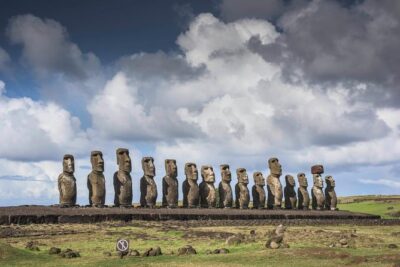
Private Tour: Full Day Easter Island Highlights
Read our review →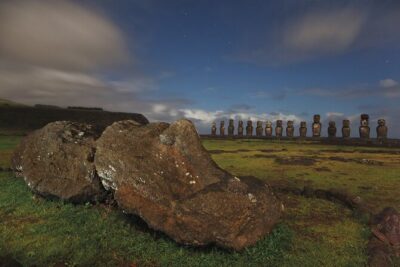
Browse the lists this tour appears in