
Reviewed · EASTER ISLAND TOURS
Super Saver: the best of Easter Island
Easter Island gets overwhelming fast. This Super Saver combo is interesting because it stitches together the island’s most important moai landscapes, plus Birdman-era Orongo and the big Rano volcano views, in just three days. You get a tight route that makes sense if you have limited time and want to see the best in the right order.
I especially like the hotel pickup and round-trip transfers from Mataveri Airport, because that removes the biggest headache on Rapa Nui. I also like that you’re not just stopping at one moai site, you’re seeing how the island’s quarry and ceremonial platforms connect to the same story.
The main drawback to plan for: it’s a group tour (not private) with short stops at many places, so you can feel moai overload if you’re craving slower, deeper exploration at each site. Bring water and sunscreen, too, because you do not have many chances to buy everything on the way.
Key highlights that make this package worth considering
- Ahu Akivi + Puna Pau + Ahu Tahai in one half-day, covering ocean-facing moai, the red-quarry “hats,” and a classic sunset spot
- Ahu Tongariki + Rano Raraku on the full day, from the island’s biggest statue lineup to the quarry where many moai were carved
- Orongo + Rano Kau + Ahu Vinapu on Day 3, mixing Birdman Ceremony lore with crater views and advanced stonework
- Small group size (max 16) and a professional guide, which helps you hear the explanations even on a packed schedule
- Lunch included (and it’s specifically on the Anakena Beach day trip), plus hotel pickup and drop-off
- Two tour rhythm options by day so you can build your week without guessing the schedule
Getting your bearings fast on Easter Island
If this is your first time on Easter Island, you’ll appreciate how the itinerary teaches the island in layers. Day by day, you move from where moai face the sea, to where they were built and topped, to where the Birdman-era rituals happened, and finally to the volcanic landscapes that tie the whole culture together.
You’ll also get a clear sense of how Rapa Nui sites relate to one another geographically. Ahu complexes sit on ceremonial platforms, quarries sit on the volcanic slopes, and crater areas like Rano Kau work like a natural stage. Seeing those connections in a tight package is practical, and it helps your photos look more meaningful, not just pretty.
One more plus: you’re not stuck figuring out transport. Round-trip transfers from/to Mataveri Airport and hotel pickup and drop-off are included, using an air-conditioned minivan or bus. That alone is a big part of the value when you’re paying for three days of guided sightseeing.
A few more Hanga Roa departures to weigh up
- From Hanga Roa: Rapa Nui Culture Sightseeing Tour
★ 4.6 · 307 reviews - From Hanga Roa: Easter Island Highlights 2-Day Tour
★ 4.3 · 205 reviews - Full Day Tour in Rapa Nui
★ 4.5 · 122 reviews
The real cost and what you still need to budget
Price is $294.00 per person for the three-day package. That’s reasonable for guided transport across multiple sites, especially because hotel pickup and airport transfers are included and you get a professional guide.
But you do need to budget two categories on top of that:
First, the Rapa Nui National Park entrance fee is not included at $100.00 per person. Even if some specific areas list free admission, the national park fee is still something to plan for.
Second, food and drinks are not included unless explicitly mentioned. Lunch is included, and the package notes it for the Anakena Beach day trip. Outside that meal, bring your own water and snacks, and plan to pay for drinks as you go.
In other words, if you’re doing the math, your “all-in” budget is closer to $294 plus the $100 park fee, then your own extra snacks and drinks.
Day 1: Ocean-facing moai, the red quarry, and a sunset stop that actually works
Day 1 is designed to give you a moai foundation plus an early look at why Rapa Nui craftsmanship mattered.
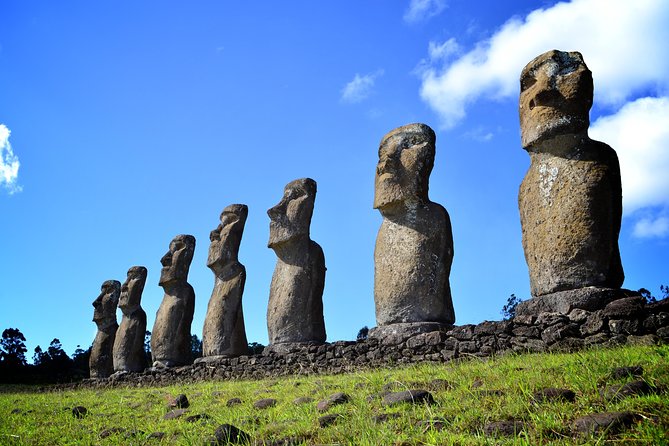
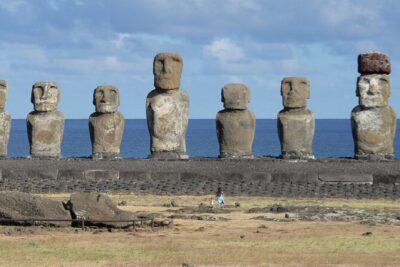
Ahu Akivi, the ocean-facing moai that change your first impression
You start at Ahu Akivi, which is described as the island’s only moai complex that faces the ocean. That detail matters because most moai are oriented more inland, so when you see Akivi, you notice right away how the placement is part of the concept.
You’ll spend about 45 minutes here. The seven statues are tied to ancestral guardians in Rapa Nui belief, and the guide’s job is to connect the physical layout to that spiritual purpose. Even if you’ve seen moai photos before, this stop helps you understand why the ocean orientation is not random.
The other half of a Hanga Roa week:
- 2-Day Private Tour Easter Island Highlights Complete Discovery
★ 5.0 · 110 reviews - Private Full-Day Easter Island Highlights North and West
★ 5.0 · 84 reviews - From Hanga Roa: Journey from Orongo to Ana Te Pahu
★ 4.3 · 75 reviews - Journey of the Ancestors: Tongariki, Rano Raraku & Anakena Beach
★ 4.5 · 70 reviews
Puna Pau, where the red pukaos were carved
Next is Puna Pau, the red scoria quarry linked to carving the pukaos. Those are the iconic “hats” that many moai are famous for. Seeing the quarry makes the moai feel more engineered, less mysterious. You can visualize how a ceremonial symbol depended on specific local stone and skilled work.
This is a shorter stop, about 30 minutes. The value here is context. You’re learning how the moai “look” connects to the place where key parts were produced.
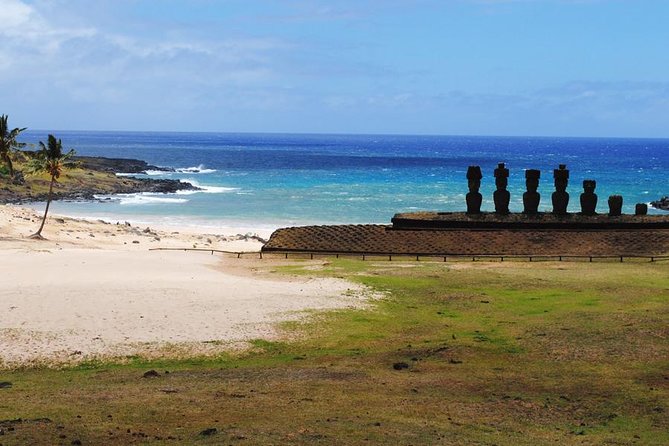
Ahu Tahai, a compact ceremonial complex that’s easy to enjoy
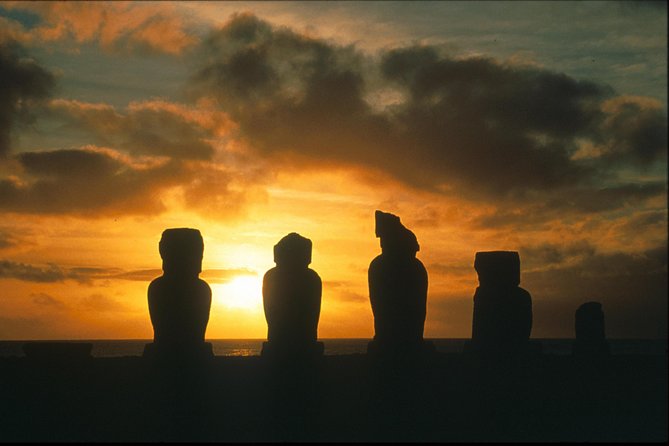
Finally on Day 1 is Ahu Tahai, a ceremonial site by the sea. It’s listed as an admission free stop, and it’s also the one that naturally lends itself to late-day atmosphere.
You’ll have around 30 minutes. This is a good photo stop, but it’s also a good “rest your brain” stop after the quarry and the bigger statue concept days start piling up. Tahai is the kind of site where you can take photos, watch the light shift, and compare it to what you’ll see later in the week.
Day 2: Tongariki’s size, Rano Raraku’s moai-in-progress, and Anakena’s shoreline break
Day 2 is the big one. It’s also where you’ll feel the schedule most, because the stop length is longer and the sites are more spread out.
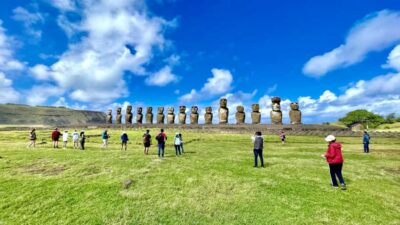
Ahu Tongariki, the island’s largest moai complex
You go to Ahu Tongariki, which is known for having 15 majestic statues. The size is the obvious draw, but the deeper point is that Tongariki represents lineage and ancestral protection, not just impressive monuments.
You’ll spend about 45 minutes. In that window, aim to walk around enough to see how the arrangement sits against the environment. This is where moai start feeling less like isolated sculptures and more like planned ceremonial architecture.
Rano Raraku, the quarry that shows moai construction stages
Then you head to Rano Raraku, the volcanic quarry where most moai were sculpted. You get about 3 hours here, so it’s your longest stop on the whole package.
This is one of the most educational parts of the itinerary because you can observe moai in different stages of construction. Even if you do not know the terminology, you’ll get the idea quickly: you’re seeing the process, not only the finished result.
Also, Rano Raraku matters symbolically. The quarry is where power and ancestral connection were made tangible through stone. For many first-time visitors, this stop is the “aha” moment, because the cultural meaning clicks into place.
Anakena Beach, the white sand break with real historic weight
You wrap the day at Anakena Beach, one of the few white sand beaches on Rapa Nui. It’s listed as a free admission stop and you’ll have about 2 hours.
Anakena isn’t just scenery. It’s historically significant as one of the first Polynesian settlements on the island. That matters because you get a beach day that still fits the larger story of Rapa Nui origins.
What to do with your time: relax, but also take a moment to look for how the shoreline relates to the ceremonial sites you’ve just toured. You’ll be surprised how often the sea keeps showing up as a key reference point.
Practical note: the package specifically recommends bringing a bathing suit and towel, plus sunglasses and sunscreen for Anakena. There’s time to swim and cool off, but sun is intense. Pack smart.
Day 3: Orongo’s Birdman Ceremony sites, Rano Kau crater views, and Ahu Vinapu’s stonework
Day 3 is about rituals, crater landscapes, and architecture skills.
Orongo, where the Birdman Ceremony lived
First stop is Orongo, a site linked to the legendary Birdman Ceremony, also known as Tangata Manu. You’ll spend about 20 minutes here.
The Birdman competition centers on retrieving the first egg of the manutara bird from Motu Nui. That ritual theme matters because it connects sea, sky, and ancestors into a seasonal contest of wisdom and power.
Because your time is short, come with one goal: understand that this isn’t a random tourist viewpoint. Orongo is part of a cultural system, and the guide’s explanation is what turns the stones into meaning.
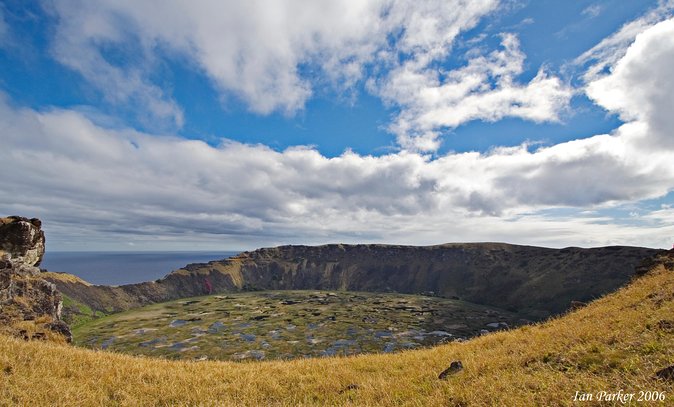
Rano Kau, crater lake views and Birdman-era setting
Next is Rano Kau, with about 30 minutes on-site. You’ll get panoramic ocean views and see the crater lake. The crater setting is also tied to the Birdman competition stage, making it an important follow-up to Orongo.
This is your “big view” stop. Even if you’ve seen volcanic craters before, Rano Kau’s scale and ocean backdrop give you a sense of why the Birdman story needed dramatic geography.
Ahu Vinapu, advanced stonework and cross-cultural hints
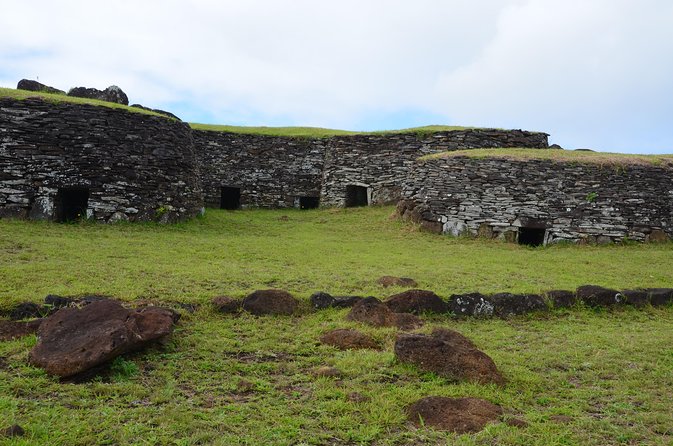
Last is Ahu Vinapu, an archaeological site with expert craftsmanship and architectural technique. It’s about 20 minutes here.
The description includes hints of pre-Incan influence, which is the kind of point you can watch for while you’re looking at stone joints and building precision. This stop gives you a different angle from the moai-heavy days. Instead of moai, you’re studying how people built and how their skills traveled through time.
How the group tour format affects your day
This is not a private tour, and it caps at 16 travelers. For most people, that’s an ideal size: small enough for questions, large enough to keep the logistics moving.
Still, two details can affect your experience.
One, you might share the tour day with language groups. The tour is offered in English, but it’s possible you’ll run into a split where Spanish explanations take longer than English, which can change the pace.
Two, time at each site is practical, not leisurely. Your stops range from about 20 to 45 minutes on most days, with one longer quarry day at 3 hours. If you want to spend extra time sketching, climbing around, or just absorbing, you may find the rhythm a little fast.
The upside is that you do not waste half your trip figuring out transportation and navigation. If you want a “see the highlights in order” plan, the structure works.
What to bring so this tour feels easy, not exhausting
Easter Island sun is the real boss fight. The package itself recommends water and snacks, and it specifically calls out sun protection for the Anakena day. I’d treat that as a baseline for every day, not just the beach.
Pack:
- Water and snacks (especially for gaps between stops)
- Sunscreen and sunglasses
- Comfortable walking shoes for uneven ground
- For Anakena, bathing suit, towel, and a way to keep belongings dry
Also, bring a light layer. On a few ocean-facing viewpoints, wind can change how warm you feel, even when the sun is strong.
Who this Super Saver combo is best for
This package fits best when you want:
- A short time plan that covers major moai ceremonial sites, quarries, and volcano crater scenery
- Guided context, so the sites feel connected instead of scattered snapshots
- Included logistics like airport transfers and hotel pickup, which makes your days smoother
It’s also a good pick if you like the idea of learning two different cultural “threads” on one trip: moai-era ceremonial spaces and Birdman-era ritual landscapes.
On the other hand, if you’re the type who wants to linger and read every carving in peace, you might feel rushed. In that case, you may want a more flexible, private or single-day-focused plan.
Should you book this tour?
Yes, if your priority is to see Easter Island’s must-do sites in three days without logistics headaches. The mix of Ahu Akivi, Puna Pau, Ahu Tahai, Ahu Tongariki, Rano Raraku, Anakena, Orongo, Rano Kau, and Ahu Vinapu hits the key landmarks that most first-timers come for, and it does it with included transport and a professional guide.
Book with a little caution if you hate group pacing or you’re very sensitive to sun and walking. Bring supplies, accept that some stops are short, and know that the full day can feel moai-heavy.
If you want a clean, high-value “highlights circuit” for Rapa Nui, this Super Saver package is a smart way to get your bearings fast and leave with a stronger sense of how the island’s stone, sea, and rituals connect.
FAQ
Is the $294 price for the full 3-day package?
Yes. The package is priced at $294.00 per person and covers three days of guided sightseeing with included transport and pickup. Lunch is included, with the lunch specifically noted for the Anakena Beach day trip.
Is the Rapa Nui National Park entrance fee included?
No. The entrance fee to Rapa Nui National Park is listed as not included and costs $100.00 per person.
Which days do the Anakena Beach and moai-orongo tours operate?
Anakena Beach operates on Tuesday, Thursday, and Saturday. Ahu Akivi and Orongo operate on Monday, Wednesday, and Friday. You choose which days at checkout using the special requirements box.
Does the tour include hotel pickup and airport transfers?
Yes. It includes hotel pickup and drop-off in Hanga Roa and also round-trip transfers from/to Mataveri Airport.
Are there site admissions included, like Tahai or Anakena Beach?
Tahai is listed as free for admission, and Anakena Beach is also listed as free. Other stops are listed as admission ticket not included. In addition, the Rapa Nui National Park entrance fee is not included.
What should I bring for Anakena Beach?
The tour recommends bringing a bathing suit and a towel, plus sunglasses and sunscreen. It also recommends that you bring water and snacks.
Freshly reviewed in Hanga Roa
- Astronomical Tour on Easter Island★ 3.5 · 3 reviews
- Full day Private Tour: Poike Walk through the abandoned area★ 4.5 · 3 reviews
- T1-THE GRAND TOUR (non-cruise visitors)★ 5.0 · 3 reviews
- 4-Days Trip to Discover Easter Island★ 4.0 · 3 reviews
- Private 2 Days Essential Tour of Easter Island★ 5.0 · 4 reviews
- T2-THE MUST-HAVES OF RAPA NUI (non-cruise visitors)★ 4.5 · 4 reviews
- Private Tour: Easter Island Caves★ 4.5 · 4 reviews
- Private Tour: The Highlights of Easter Island★ 5.0 · 4 reviews
Easter Island Tours, compared.
Two days of Full Day Tour of Rapa Nui + Sunrise in Tongariki
Read our review →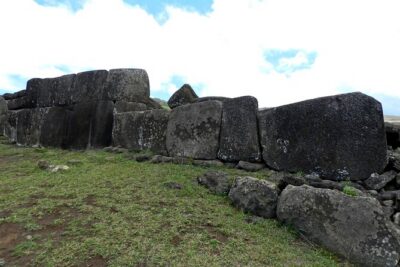
2-Day Private Tour Easter Island Highlights Complete Discovery
Read our review →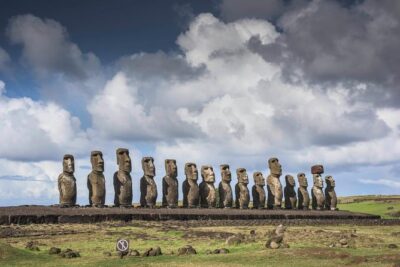
Private Tour: Full Day Easter Island Highlights
Read our review →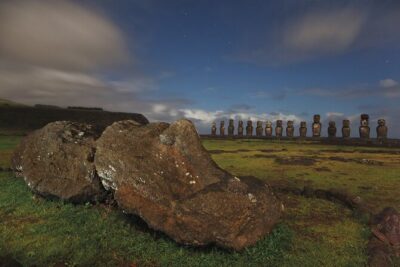
Browse the lists this tour appears in