
Reviewed · SHORE EXCURSIONS
Shore Excursion: Highlights of Easter Island
Easter Island is one of those places where the big ideas feel close to the ground, and this shore excursion does a good job of connecting the moai to the island itself, not just to the photos. I like the small group size, and I also like having a bilingual live guide who can explain what you are seeing in plain terms.
One thing to watch is the add-on cost: the National Park entrance fee is mandatory and not included in the tour price, so your day has an extra line item before you even buy snacks. Also, your start can shift if your ship docks late and the tenders run behind schedule.
Key things that make this tour worth your time
- Max 8 people per booking, which keeps the day from turning into a rushed photo sprint
- English and Spanish live guiding, so you can actually follow the story at each site
- Rano Raraku first, the quarry that explains how moai could be made at a larger scale
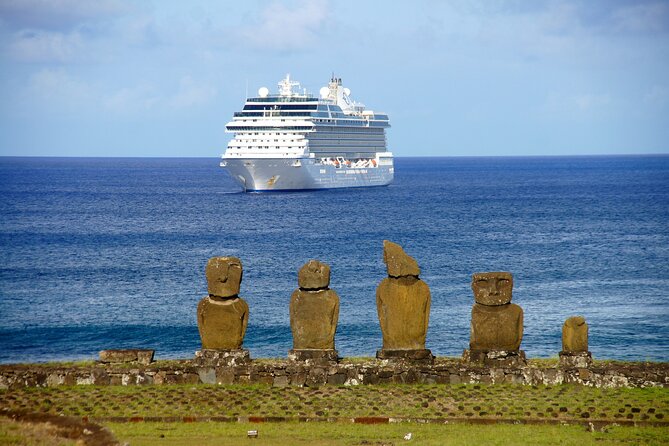
- Ahu Tongariki’s 15 standing statues, facing the Pacific with their backs turned
- Ahu Akivi’s astronomy, restored moai positioned for a setting-sun sightline
- Orongo and the Birdman ritual setting, with a visitor reception center on-site
Moai country, made understandable in 6 hours
This is a highlights circuit for a reason. Easter Island’s best-known sites are spread around the island, and a shore excursion like this gives you structure. You get a route that builds from the raw material of the moai to the ceremonial platforms where they were displayed.
What makes the experience click is the way the stops connect. You start at the quarry, so the moai do not feel like random statues. Then you move through major ahu, so you can see different layouts, different orientations, and different degrees of restoration.
And yes, you’ll still wonder how those massive figures were carved, moved, and placed. That question hangs in the air here, but a strong guide gives you theories and context that make your walking route feel logical.
Price and park fees: the cost reality check
The tour price is $285 per person for an approx. 6-hour outing. That includes pier pickup and drop-off, a professional guide, bilingual live guiding, and bottled water.
But do the math early. The National Park entrance fee is $100 per person and is mandatory for all travelers. So the practical total for the tour plus entry is $385, before food.
Also budget for a simple reality of island days: there’s no lunch included, and food and drinks are on you. If you want a smooth day, plan to bring water with you when possible and have snacks ready for the gaps.
A few more Easter Island departures to weigh up
- Shore Excursion: Petrohue Waterfalls, Frutillar & Puerto Varas
★ 4.5 · 554 reviews - Shore Excursion: Magellan Penguins Natural Reserve in Magdalena Island from Punta Arenas
★ 3.5 · 114 reviews - Pioneer Tour: Shore Excursion from Puerto Chacabuco
★ 4.0 · 32 reviews
Getting from the ship: pier pickup and an 8:00am start
The meeting point is Hanga Roa Pier area, with pickup organized at 8:00am. The team meets you at the pier early, before the first tender arrives, and you’re located at the docking area with a sign showing your name.
That matters because tender timing can make or break a shore day. One of the reviews you can learn from is the impact of a delayed docking. When a ship ran late and the tour started later, the guides still worked to cover the planned sites within the time available, and the day stayed strong.
So here is the practical tip: treat this as a guided day that depends on the ship schedule, not as a fixed-by-the-clock program. If you are the kind of person who likes buffers, be prepared for small timing changes.
The moai quarry story at Rano Raraku
Stop 1 is Rano Raraku, and it is the best way to start because it explains the moai from the source. Rano Raraku is the island’s only volcanic cone tuff quarry still relevant to the story, and that tuff material is what helped the moai be built on a larger scale.
You are not just looking at a scenic ruin. You’re standing where moai were built, and where they were later moved to the ahu, the ceremonial platforms around the island. That gives the rest of the tour a backbone.
This stop is about 1 hour, and while admission tickets are listed as not included, the day’s essential entry is handled by the mandatory park fee. I like this first stop because it sets up the rest of your questions in a useful way. When you later see how the statues are displayed, your brain already has the “how this could be done” link.
Ahu Tongariki: the Pacific-facing wall of standing moai
Next is Ahu Tongariki, opposite Rano Raraku in the overall route logic. This is the largest reconstructed platform on the island, and it is also one of the most dramatic, mostly because of sheer number and arrangement.
Here you can see fifteen visible standing statues, all overlooking the island while their backs face the Pacific Ocean. The orientation is the key detail. It changes how you read the whole scene. You are not only seeing faces in stone, you are seeing a layout designed to relate to wind, ocean views, and ceremonial movement.
Expect about 1 hour at this stop. The big practical point is photo timing. The statues are outdoors, and lighting changes fast. If you care about photos, give yourself a little time at the beginning before you settle into a route for your walking and viewpoints.
The other half of a Easter Island week:
- From Hanga Roa: Rapa Nui Culture Sightseeing Tour
★ 4.6 · 307 reviews - From Hanga Roa: Easter Island Highlights 2-Day Tour
★ 4.3 · 205 reviews - From Hanga Roa: Easter Island Sightseeing Full Day Tour
★ 4.5 · 189 reviews - Two days of Full Day Tour of Rapa Nui + Sunrise in Tongariki
★ 4.5 · 132 reviews
Anakena Beach and Ahu Nau Nau: royal connection plus coral sand
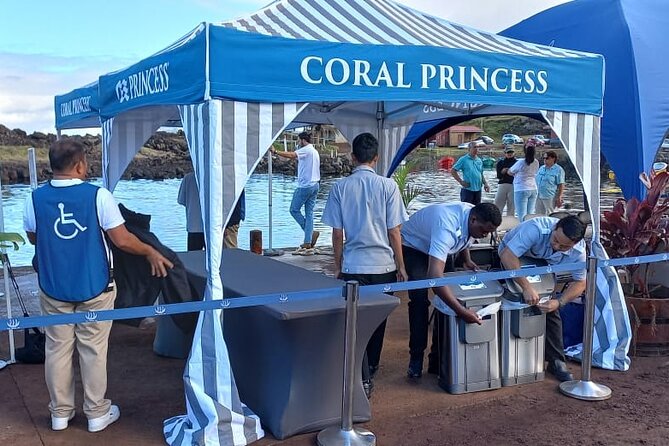
Then you shift from the big platform sites to the island’s best-known beach mood at Anakena Beach. This stop is known for warm turquoise waters and coral sand, and it also carries a living-in-people story.
Anakena was used as the ancestral residence of the Miru Araki royal family. You get the sense that this was not just a vacation spot for ancient society. It mattered.
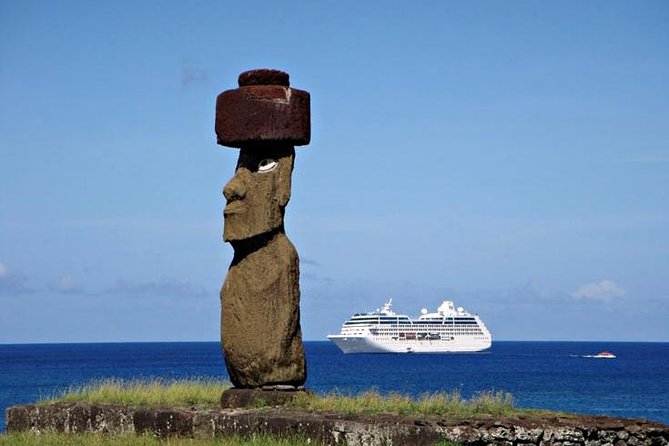
The moai connection here is Ahu Nau Nau, described as one of the more accomplished ahu on the island, with refined moai. This stop is about 1 hour. If you want a break, take it here. The beach section is where the day stops feeling like a checklist and starts feeling like a place.
Ahu Akivi: when the moai point to the setting sun
After the beach, you move inland to Ahu Akivi, one of the few ceremonial platforms not located right by the sea. This is also one of the most interesting stops because of what the moai are said to do.
You’ll see seven moai restored to standing position by archaeologists William Mulloy and Gonzalo Figueroa, along with the Rapa Nui community. The restoration story matters, because it frames Akivi as an active connection between past interpretation and community involvement.
The standout detail is astronomical positioning guidance. These moai are described as having a special alignment linked to the setting sun. That means your viewing angle matters more here than at some other stops.
You’ll get about 1 hour. Practical tip: if the group is moving fast, don’t be shy about stepping to a safer viewing position for a minute so you can understand the alignment the guide is explaining. The setting-sun concept only lands if you slow down just enough to look where the guide wants you looking.
Rano Kau crater: 1.5 km of volcanic context
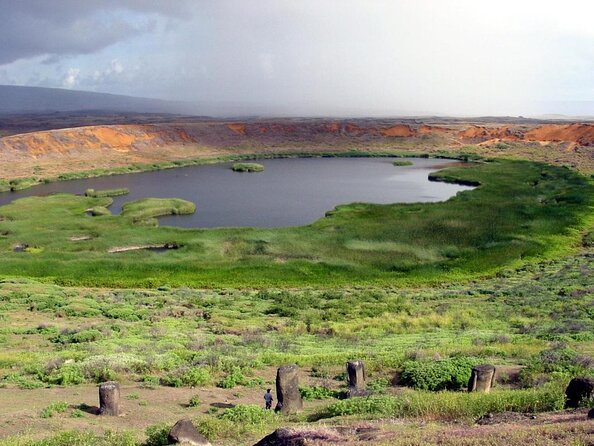
Stop 5 is Rano Kau, on the southwest side of the island. This is a volcano crater setting, and it’s one of the places where natural features do a lot of the storytelling.
The crater is about 1.5 km and is described as the biggest reserve of the island’s endemic flora. There’s also a historical water angle: the crater lake served as an important source of drinking water in ancient times.
You’ll have around 30 minutes here. That’s short, but it is enough time to grasp the shape and why Rano Kau would matter to people beyond the ceremonial world of ahu.
If you like scenery descriptions, focus on what the guide highlights: how the crater and water link daily life to ritual planning. Even with limited time, Rano Kau gives the day a sense of practical island survival.
Orongo and Birdman ritual: the sacred village viewpoint
Finally, you head to Orongo, the village located on one side of the Rano Kau crater. This is an archaeological and historic site with a strong “why you are here” explanation.
Orongo is especially tied to the Birdman ceremony, and it’s listed as one of the island’s two main sites for that event. You also have a visitor reception center with a permanent interpretive exhibition, which is useful if you want to process what the guide just covered.
This stop is about 2 hours, so it’s your chance to let the day settle into your head. In at least one account of the tour, the guide used the Orongo setting to tell Birdman competition stories in a vivid way, which is exactly what you want here.
And Orongo’s location helps. It is easier to picture ceremonial focus when you stand where ancient people staged their attention. Even if you do not catch every detail, you’ll leave with a clearer sense of the island’s competing cycles, ocean, rock, and ritual.
Why the small group and guides matter so much
This tour’s biggest strength is not the list of places. It is the ability to make those places click. With a maximum of 8 people, you get time for follow-up questions without the guide shouting over everyone.
The guiding quality shows up in the names people remembered. Hugo was singled out for being warm, knowledgeable, and proud of the island. Nikolas was praised for deep island roots and for telling Birdman competition stories while you were at Orongo. That kind of delivery turns a stone site into an explanation you can repeat later.
Also, you may encounter more than one person involved with the day’s movement, including guide and drivers. In one review, the two drivers supporting the vehicles were described as very informative and friendly. That matters because during a long day, the best moments often come in transit, when the guide can frame what you will see next.
So if you tend to get lost in museum-style tours, this small group format is a real advantage. The guide can tailor the pace, and you can catch the meaning behind the moai without feeling rushed.
What to wear and bring for comfort on the clock
The day is active enough that comfort matters. You are advised to wear lightweight, comfortable clothing, plus a hat and sunscreen, and to use flat comfortable shoes.
That advice is practical for Easter Island. Between outdoor sites, walking, and sun exposure, you want shoes that handle uneven ground without drama. Bring or use sunscreen early, not at the first moment you feel warm.
The tour includes bottled water, which helps a lot on a half-day outing. Still, if you’re prone to getting thirsty fast, keep your personal habits in mind and plan accordingly.
Who this shore excursion is best for
This fits well if you want a structured, guided sampler of Easter Island’s top moai and the most important natural sites. It is also ideal if you want context for each stop, not just a photo stop.
I’d especially recommend it if you:
- have limited time on the island and want to see multiple major sites in one day
- prefer a small group experience
- like explanations tied to how the moai were made, restored, and positioned
If you are the type who wants total freedom and long lingering time at one spot, you might find a fixed schedule limiting. But for most cruise-day travelers, this is a strong balance of coverage and explanation.
The value question: would I pick this over piecing it together?
For $285, plus the mandatory $100 park fee, you are paying for guided interpretation, pier logistics, and a tight itinerary across key sites. The value gets better because the tour limits group size and includes bottled water and bilingual guiding.
When it works, it saves you time. Easter Island sites are not hard to find, but they are hard to understand without someone connecting the clues. A good guide makes the difference between seeing moai and understanding why they are where they are.
Your main cost risk is not the tour price, it’s forgetting the park fee and then feeling surprised at the entrance. Your main timing risk is not the itinerary, it’s tender and docking delays. If you accept those two realities, this excursion is a smart use of a shore day.
Should you book Highlights of Easter Island?
Book it if you want the island’s moai highlights in one guided circuit, with a small group and bilingual live guide who can explain the story at each site. It is especially good if you care about meaning, like the quarry origin at Rano Raraku or the astronomy tied to Ahu Akivi.
I would skip it, or at least think twice, if you hate any chance of schedule slip and need every minute locked in by the clock. Also consider skipping if you prefer long free time at just one area, because the stops are time-boxed (with Orongo getting the most room).
If you’re somewhere in the middle, this one hits a practical sweet spot. You’ll come away with clear connections: material to moai, moai to platforms, and platforms to ritual and island life.
FAQ
How long is the Highlights of Easter Island shore excursion?
It runs for about 6 hours.
What is the price per person?
The price is $285.00 per person.
Is pickup included?
Yes. Pier pickup and drop-off are included, and you meet at the pier area with a sign showing your name.
What language is the guide speaking?
The tour includes a bilingual live guide in English and Spanish.
What is included in the tour price?
It includes a bilingual live guide, professional guide service, pier pickup and drop-off, and bottled water.
What costs are not included?
National Park entrance fees are not included and are mandatory for all travelers at $100.00 per person. Food and drinks are also not included, and lunch is not provided.
How big is the group?
There is a maximum of 8 travelers per booking.
Freshly reviewed in Easter Island
- Easter Island 2 Half Days and 2 Full Days Private Trekking Tour★ 5.0 · 3 reviews
- Astronomical Tour on Easter Island★ 3.5 · 3 reviews
- Full day Private Tour: Poike Walk through the abandoned area★ 4.5 · 3 reviews
- T1-THE GRAND TOUR (non-cruise visitors)★ 5.0 · 3 reviews
- Private Tour: Full-Day Easter Island Birdman Cult★ 5.0 · 3 reviews
- Moai Rise and Fall: Full Day Private Tour★ 5.0 · 3 reviews
- Rapa Nui Astrophotography and Stargazing Night Tour Combination★ 5.0 · 3 reviews
- 4-Day Easter Island Experience with Hotel, Tours & Dinner show★ 5.0 · 3 reviews
Shore Excursions, compared.
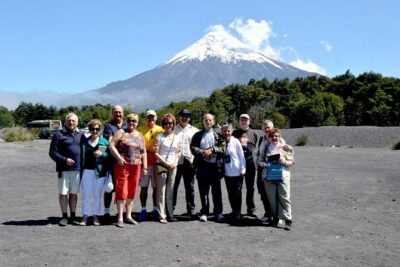
Shore Excursion: Petrohue Waterfalls, Frutillar & Puerto Varas
Read our review →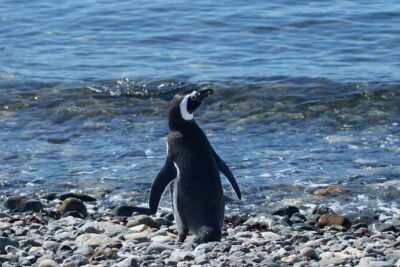
Shore Excursion: Magellan Penguins Natural Reserve in Magdalena Island from Punta Arenas
Read our review →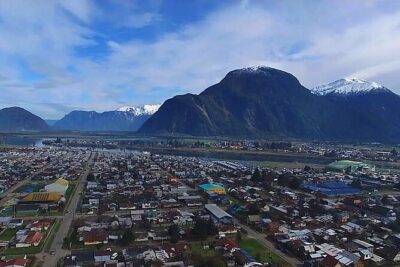
Pioneer Tour: Shore Excursion from Puerto Chacabuco
Read our review →Osorno Volcano, Petrohue Falls and Puerto Varas Shore Excursion
Read our review →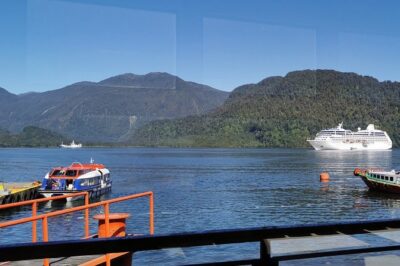
Coyhaique Tour Shore Excursion from P. Chacabuco, include lunch
Read our review →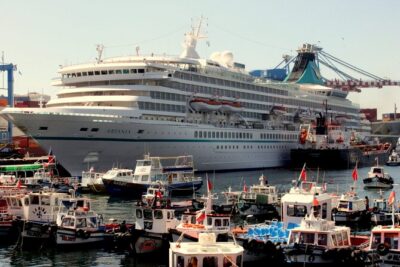
Guided Valparaíso Viña del Mar Shore Excursion with Pick Up
Read our review →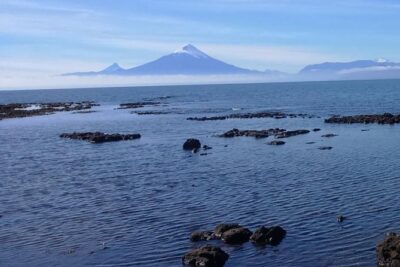
Private Shore Excursion Tour to Puerto Montt, Puerto Varas and Frutillar
Read our review →
Private Shore Excursion Valparaíso & Viña del Mar Airport Ride
Read our review →Browse the lists this tour appears in