
Reviewed · EASTER ISLAND TOURS
Rapa Nui Highlights Program: 3 incredible tours to discover!
Rapa Nui gets overwhelming fast, because every turn seems to promise another moai, another crater, another story. This 3-tour highlights program helps you stitch the island together in just two days, with a live guide driving the meaning behind each site, not just the photo spots.
I love how the route connects the dots between culture and landscape: Ahu Akivi and the moai at Orongo are not treated like random monuments. And I like the pacing promise, you get real time at each stop, plus sensible breaks along the way.
The main thing to consider is logistics. The program includes hotel pickup (except Explora), but you still need the National Park ticket on your own, and the driving plus uneven ground at archaeological sites can be tiring.
Key highlights worth planning for
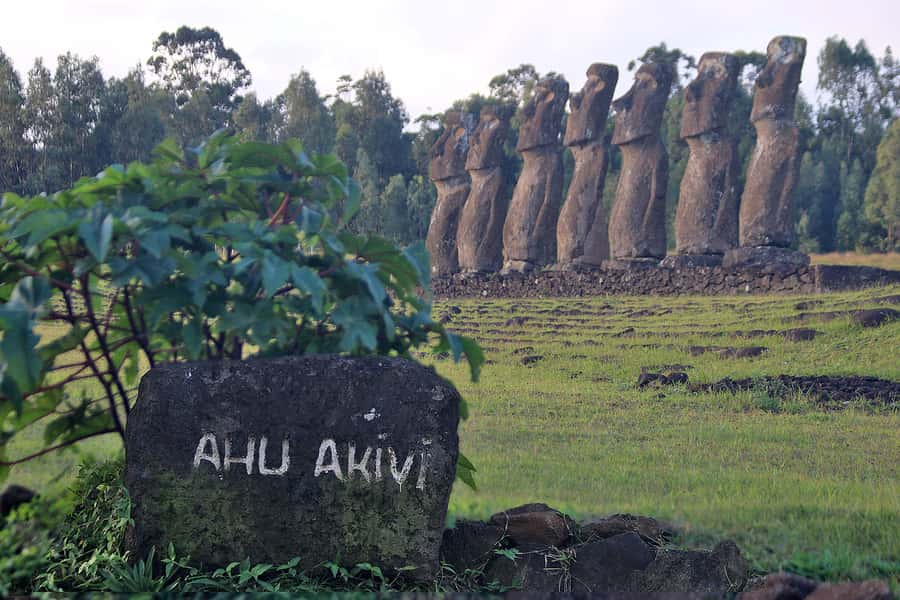
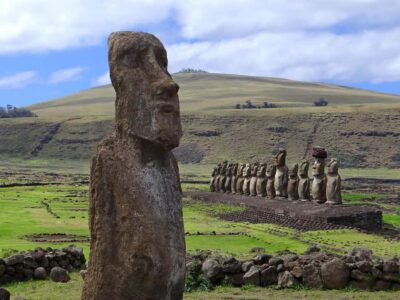
- Seven explorers at Ahu Akivi, one of the rare moai facing the ocean
- Puna Pau red slag crater, tied to how the pukao hats were made
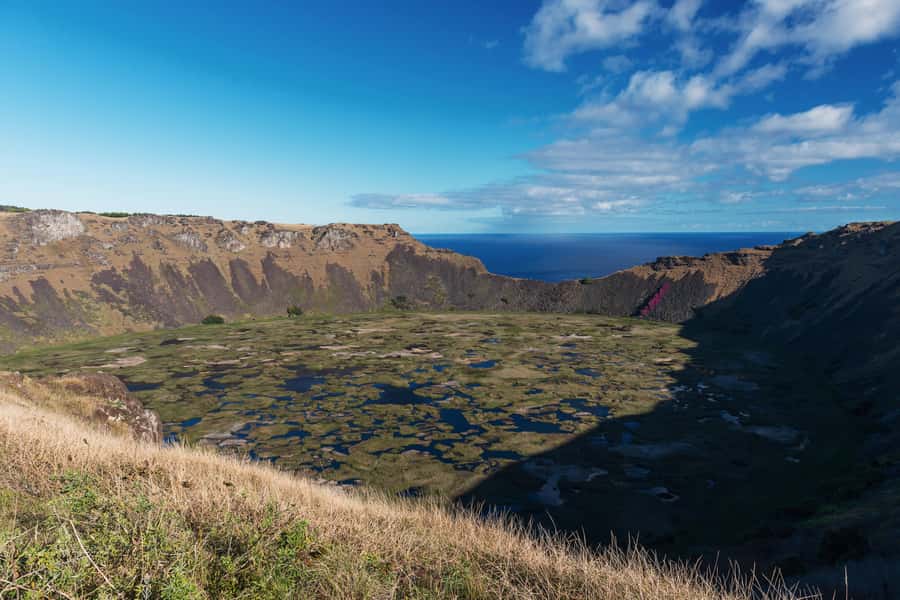
- Orongo and the Birdman ceremony, plus the Rano Kau lake setting
- Rano Raraku quarry, where 397 moai still rest in the volcanic crater
- Tongariki and Te Pito Kura, including the towering Moai Paro at 10 meters and 85 tons
- Small group size (max 15) with bilingual guiding in English and Spanish
Why this 2-day Rapa Nui highlights package makes sense
Rapa Nui is small on a map, but big on sensations. You need the right mix of iconic stops and the “why does that matter” context, or the island can feel like a checklist. This program tries to solve that by bundling three routes into a tight stay, so you see the moai world from multiple angles.
The best part is the storytelling thread. Instead of just naming places, the guide ties structures to the Rapa Nui people, their beliefs, and the island’s seasonal rules. That is why details like winter solstice orientation and the making of pukao hats matter, they explain what you are looking at.
You also get a small-group feel. The cap is 15 people, and the reviews mention how close to private it can get. That means more back-and-forth with your guide, plus easier listening when you are standing near the structures.
A few more Hanga Roa departures to weigh up
- From Hanga Roa: Rapa Nui Culture Sightseeing Tour
★ 4.6 · 307 reviews - From Hanga Roa: Easter Island Highlights 2-Day Tour
★ 4.3 · 205 reviews - Full Day Tour in Rapa Nui
★ 4.5 · 122 reviews
The Ahu Akivi circuit: ocean-facing moai, red pukao, and winter solstice taboos
This half-day tour is the most “starter pack” route for understanding how power and navigation showed up in carved stone. It starts with pickup from your hotel on Easter Island, then heads to Ahu Akivi, one of the few platforms where the moai face the ocean.
At Ahu Akivi, the guide frames the seven moai as the seven explorers sent by King Hotu Matu’a before the colonization voyage. Standing there, you get why “facing the sea” is a big deal, it is not just a design choice, it’s a statement about looking outward and expecting return.
Next comes Puna Pau, a small crater of red slag. This stop is valuable because it connects the finished moai to the materials and the work behind them. The red slag is tied to where the pukao, the hat-like top pieces, were made.
Then you reach Ahu Uri Aurenga, which has a single statue and a very specific astronomical orientation. It is aligned with the line of the winter solstice, marking the beginning of tonga, and also the time of taboos that regulate fishing and other activities. On this stop, your best move is to pay attention to how the guide links the stone to seasonal life, because it changes the way you interpret the structure.
If you like tours that explain what you are seeing, this circuit does that well. It also tends to fit nicely into a short stay because it is focused, not rushed through ten more stops for the sake of it.
Orongo and Rano Kau: basalt roofs, lake ecology, and the Birdman contest
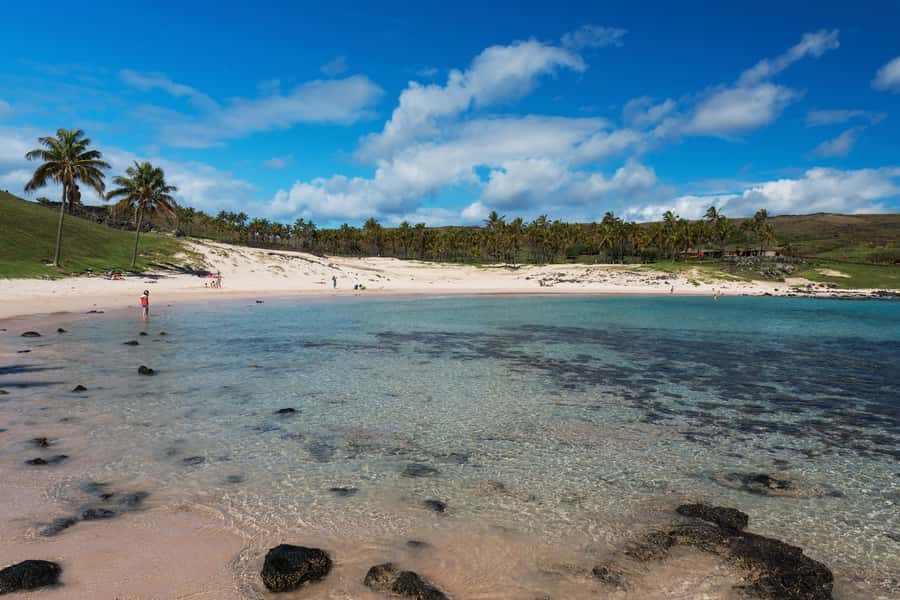
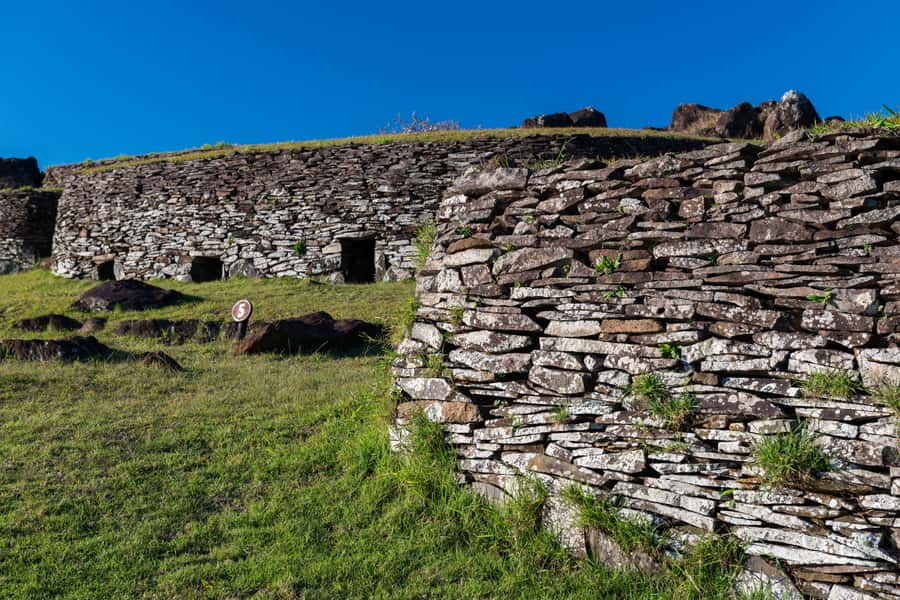
The second half-day route focuses on the ceremonial heart of the island: Orongo. It begins in the Vinapu sector, known for large basalt roof tiles fitted together in a way that is compared to Inca-style construction at Machu Picchu.
This is a great place to look at technique, because you can see how the blocks and tiles were shaped and set. Even if you do not know the full technical story, you’ll understand why people compare it to other ancient building methods. It’s a reminder that human ingenuity shows up everywhere, even on far-off islands.
From there you move to Rano Kau, where the guide points out a lake with small islands of reeds and areas of exuberant vegetation. You also hear the attention-getting part, the lake supports micro fauna, which helps explain why this volcanic crater is not just scenic, it’s alive in its own way.
Finally, you reach the Orongo ceremonial village, tied to the Birdman contest ceremony. Here, you are not only viewing buildings, you’re stepping into a ritual system tied to the island’s beliefs. If you want Rapa Nui to feel like a living culture rather than a museum of stone, this stop does that.
In the reviews, this overall day is praised for time spent at sites and for explanations delivered in both languages. One guide name you may run into is Jaime, and the common theme is clear, patient interpretation rather than a hurried walk-through.
The full day Anakena and Rano Raraku moai quarry circuit
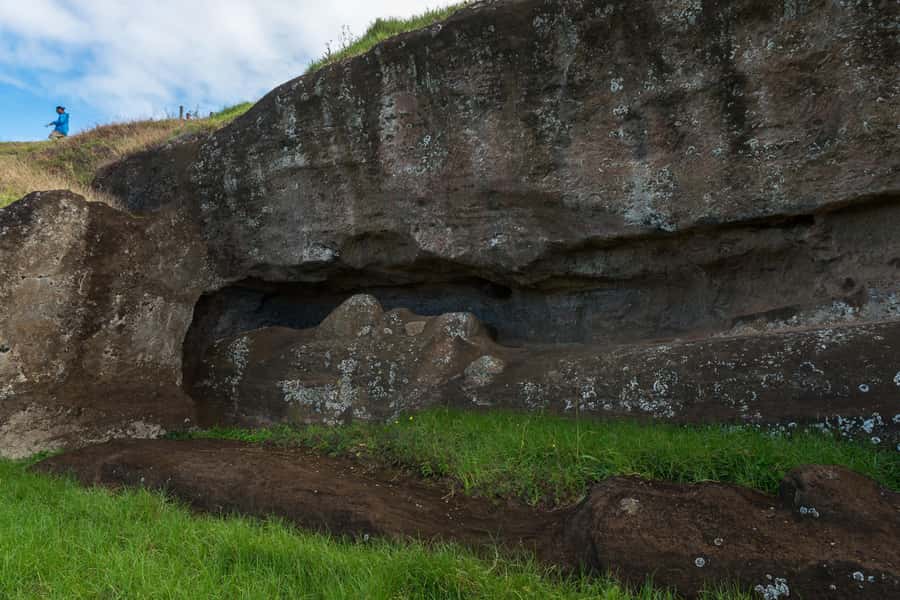
This is the big day, built to give you the most famous moai moments without leaving you guessing how they connect.
The route starts on the east side of the island with Ahu Vaihu and Ahu Akahanga. These are temples formed by platforms and stone altars where moai and pukao gathered. I like this opening because it reminds you that moai are not just single sculptures. They belong to an arrangement system, and that system had meaning.
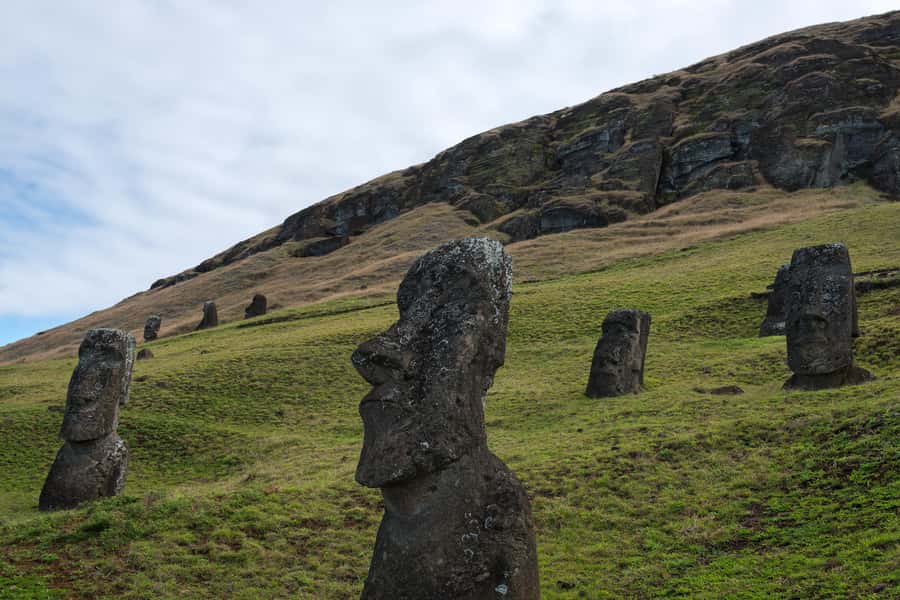
Next you go to Rano Raraku, the volcanic crater formed by consolidated ash, with a lagoon inside. This is one of the most important stops on the whole program because the volcano’s slopes were where the moai were sculpted. The scale hits hard: 397 moai remain there, so it feels like you are looking at the island’s workshop and workshop rejects at the same time.
From Rano Raraku, you move on to the ceremonial platforms. This is where the program earns its highlight label.
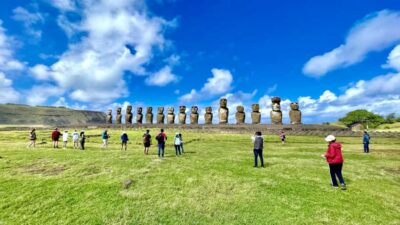
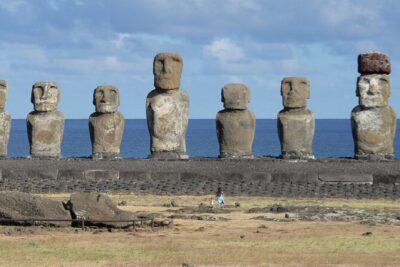
At Ahu Tongariki, you see 15 huge moai. It’s the kind of view that makes you step back without realizing it, because the line of statues creates a rhythm across the platform.
Then comes Te Pito Kura, where the program spotlights the Moai Paro. You’ll learn the numbers, it is a statue about 10 meters high and weighs 85 tons. Right next to it, there is a large spherical stone identified as Te Pito o Te Henua, often described as the navel of the world. Even if you treat myth as myth, the island’s belief system is part of the reason these objects were made and preserved.
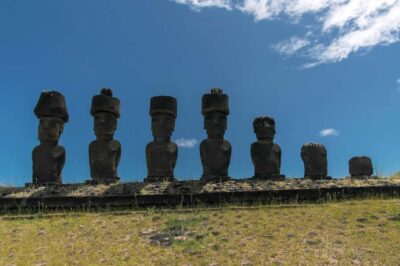
The day ends at Anakena, the island’s most popular beach. What makes it unique is a row of moai that turn their backs to the sea. That detail changes the feel of the beach. It’s not just a place to rest your legs, it is a final reminder that the moai are part of how Rapa Nui organized sacred space.
The other half of a Hanga Roa week:
- 2-Day Private Tour Easter Island Highlights Complete Discovery
★ 5.0 · 110 reviews - Private Full-Day Easter Island Highlights North and West
★ 5.0 · 84 reviews - From Hanga Roa: Journey from Orongo to Ana Te Pahu
★ 4.3 · 75 reviews - Journey of the Ancestors: Tongariki, Rano Raraku & Anakena Beach
★ 4.5 · 70 reviews
Moai orientation and seasonal rules, what to notice as you go
One reason this program feels satisfying is that it repeatedly shows you how moai sit within a larger system. If you only learn names, you’ll miss the point. Instead, focus on orientation and relationships between elements.
At Ahu Akivi, you’re learning how some moai face ocean travel routes. At Ahu Uri Aurenga, you’re learning how winter solstice orientation tied into the seasonal start of tonga and taboos that regulated fishing. At Anakena, you’re seeing moai placed in a beach setting but turned away from the sea.
You also learn the production chain. Puna Pau links the red slag crater to pukao creation, so the hats make more sense once you understand where the material came from. And Rano Raraku turns the moai into a process you can see, because you’re looking at quarrying and sculpture in one place.
This kind of pattern recognition is what makes the island feel coherent. You stop thinking about “random ruins” and start seeing how the island’s people organized meaning across time.
Guide quality, small-group feel, and real pacing
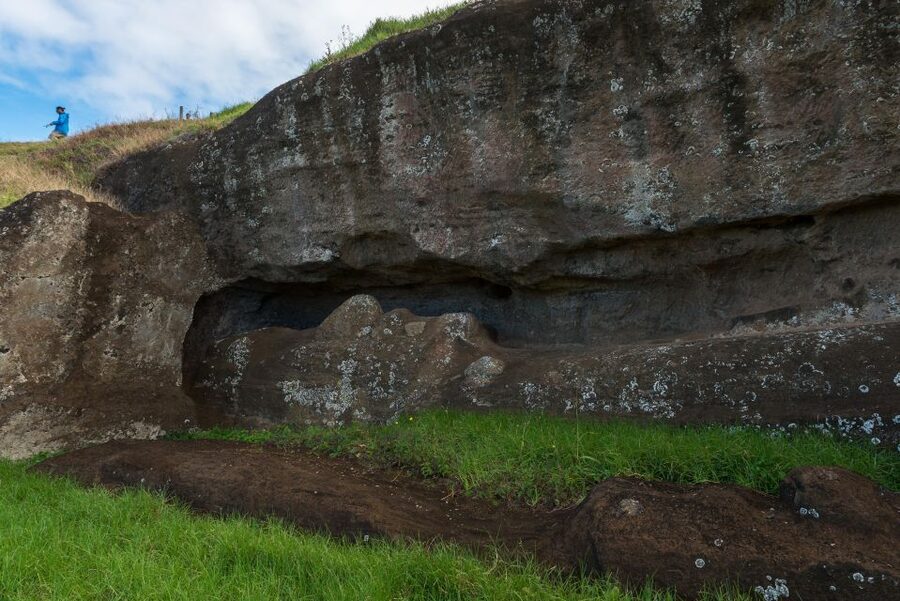
This is a guided package with a live tour guide in English and Spanish, and the group size is limited to 15 participants. That bilingual setup matters on Rapa Nui, because many guests want to confirm details without feeling lost.
The reviews also point to what I look for in guides: punctual pickup, solid explanations, and stress-free pacing. A German-language review praised good sanitation stops and said there was no stress. Another mentioned that they were picked up on time and that communication was smooth.
Two guide names come up in the feedback: Ugo and Jaime. Ugo is described as delivering incredible, passionate explanations that added depth to the culture and island sites. Jaime is praised for thorough guiding in both Spanish and English and for spending enough time at each spot.
A practical note from the same kind of feedback: communication about pickup time can be improved in some cases. My advice is simple. Confirm your approximate pickup window the day before, so you can relax instead of hovering in the lobby.
Price and value, plus what you must budget separately
The price is $220 per person for two days and includes three guided tours. For an island stay, that can be a good deal because you are bundling multiple day parts with transportation and interpretation.
What is not included is equally important for value math:
- National Park ticket
- Food and drinks
- Explora Hotel pickup and drop-off
That last item matters if you are staying at Explora. If you are not sure how pickup works for your hotel, check directly so you don’t arrive early to the wrong place or wait longer than planned.
Also remember: you are paying for more than driving. You are paying for an organized story across three different zones of the island, including the quarry and the ceremonial village. In other words, this is closer to a guided course than a quick drive-by.
Who this tour fits best, and who should skip it
This program is a strong match if you:
- want to cover the core Rapa Nui highlights in a short stay
- enjoy interpretation, not just pictures
- like small groups and bilingual guiding
- prefer a structured two-day plan instead of building your own schedule
It is not suitable for:
- wheelchair users
- pregnant women
- cruise ship guests
Also, the tours are described as departing from your hotel, so if you have a complicated accommodation setup, confirm pickup in advance.
Practical tips for getting the most from the two-day plan
Rapa Nui rewards a calm pace and good planning. A couple of moves will help you enjoy this package more:
- Wear comfortable shoes. You’ll be hopping between archaeological spaces, and the ground can be uneven and dusty.
- Bring sun protection. Even if you love history, you still need to survive the sun.
- Keep a little water and snacks budgeted, since food and drinks are not included.
- Expect the day to be active. Three tours in two days means you will not be lying around much.
- Confirm your pickup time the night before. One review flagged that approximate timing confirmation could be better.
If you do these small things, you’ll spend your energy on the fun parts, the orientation details, the moai scale, and the ceremonial village atmosphere at Orongo.
Should you book this Rapa Nui Highlights Program?
If you have about two days on Rapa Nui and you want the main sites explained in context, I think this is a solid booking. The mix of Ahu Akivi, Puna Pau, Orongo, Rano Raraku, and the moai platforms at Tongariki and Te Pito Kura gives you a well-rounded picture of how the island’s people built, carved, and believed.
I would only hesitate if you dislike structured itineraries or if you rely on accessibility support. Otherwise, the small-group size, bilingual guides, and the way the stops connect through story make it a good value for time-crunched travelers.
FAQ
What tours are included in the Rapa Nui Highlights Program?
The program includes three guided tours: a half-day Ahu Akivi tour (with Puna Pau and Ahu Uri Aurenga), a half-day Orongo tour (with Vinapu and Rano Kau), and a full-day tour covering Anakena, Rano Raraku, Tongariki, Te Pito Kura, and related sites.
How long is the program and how does the timing work?
It is a 2-day program. Starting times depend on availability, so you’ll need to check available start dates.
What languages are the live guides?
The live tour guide speaks English and Spanish.
Is hotel pickup included?
Yes, pickup is included. You should wait in the hotel lobby about 10 minutes before your scheduled pickup time. Explora Hotel pickup and drop-off is not included.
How big is the group?
The group is limited to a small group of up to 15 participants.
Do I need a National Park ticket?
Yes. The National Park ticket is not included, so you will need to arrange it separately.
What is included in the price?
The tours include guided experiences and transport as part of the itinerary. Food and drinks are not included.
Who is this tour not suitable for?
It is not suitable for wheelchair users, pregnant women, and cruise ship guests.
Is free cancellation or pay later available?
Free cancellation is available, with a full refund if you cancel up to 24 hours in advance. There is also a reserve now and pay later option.
Freshly reviewed in Hanga Roa
- Astronomical Tour on Easter Island★ 3.5 · 3 reviews
- Full day Private Tour: Poike Walk through the abandoned area★ 4.5 · 3 reviews
- T1-THE GRAND TOUR (non-cruise visitors)★ 5.0 · 3 reviews
- 4-Days Trip to Discover Easter Island★ 4.0 · 3 reviews
- Private 2 Days Essential Tour of Easter Island★ 5.0 · 4 reviews
- T2-THE MUST-HAVES OF RAPA NUI (non-cruise visitors)★ 4.5 · 4 reviews
- Private Tour: Easter Island Caves★ 4.5 · 4 reviews
- Private Tour: The Highlights of Easter Island★ 5.0 · 4 reviews
Easter Island Tours, compared.
Two days of Full Day Tour of Rapa Nui + Sunrise in Tongariki
Read our review →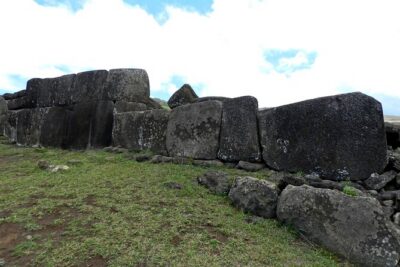
2-Day Private Tour Easter Island Highlights Complete Discovery
Read our review →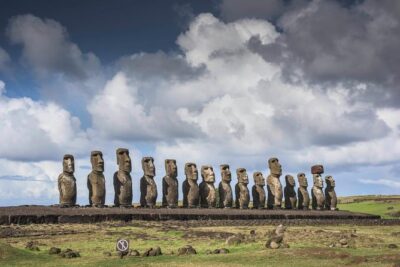
Private Tour: Full Day Easter Island Highlights
Read our review →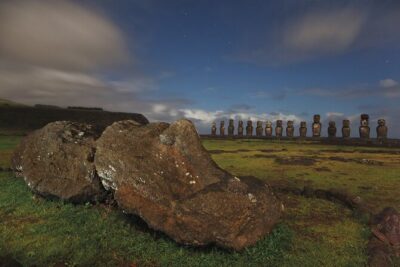
Browse the lists this tour appears in