
Reviewed · EASTER ISLAND TOURS
Easter Island: Tropical Diving
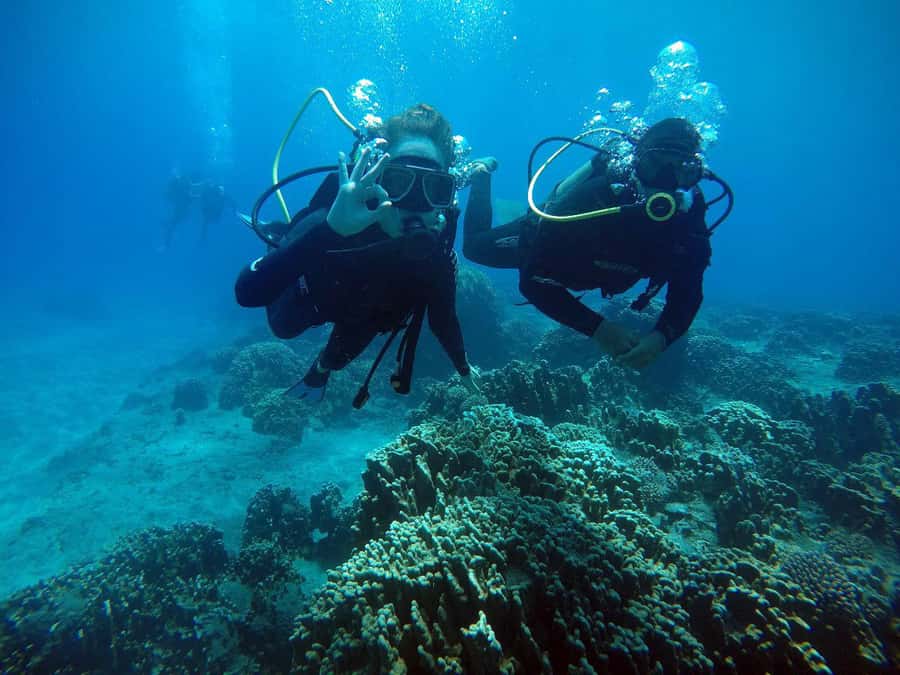
What makes this Rapa Nui underwater outing so compelling is the mix of tropical marine life and the chance to spot submerged moai in the same outing. You get that wow feeling of seeing real ocean colors up close, without needing advanced skills first.
What I love most is the clear intro approach and how personally you are guided. Second, I like that the water can be calm and clear, so you can actually make out fish and coral details instead of just seeing shapes in gray water.
One thing to think about up front: you should not fly in the 12 hours before your session. Also, reaching the deeper moai area may require scuba certification, depending on where you go during the day.
Key highlights you should know
- Small group of up to 10 means you are not lost in a crowd.
- Hanga Piko starts your day, with a full safety briefing before you go in.
- Excellent visibility makes the underwater views more than just a quick glimpse.
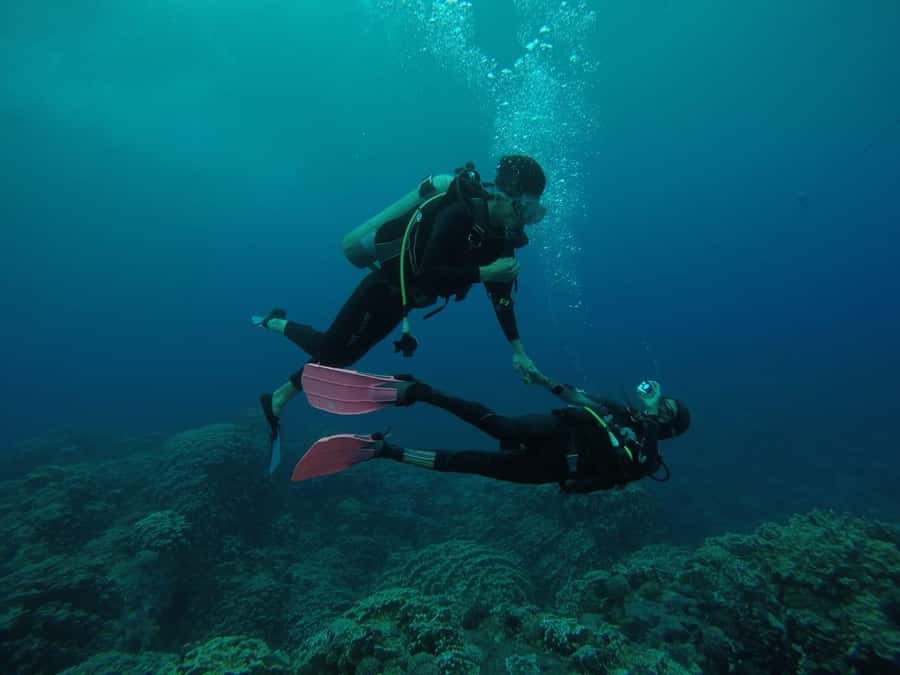
- Tropical fish and turtles are a realistic expectation, not wishful thinking.
- Submerged moai can be on the route, but depth can change what you need.
- Equipment plus photos and video are included, so you leave with more than memories.
Why Rapa Nui’s underwater swim feels like a “Pacific of its own”
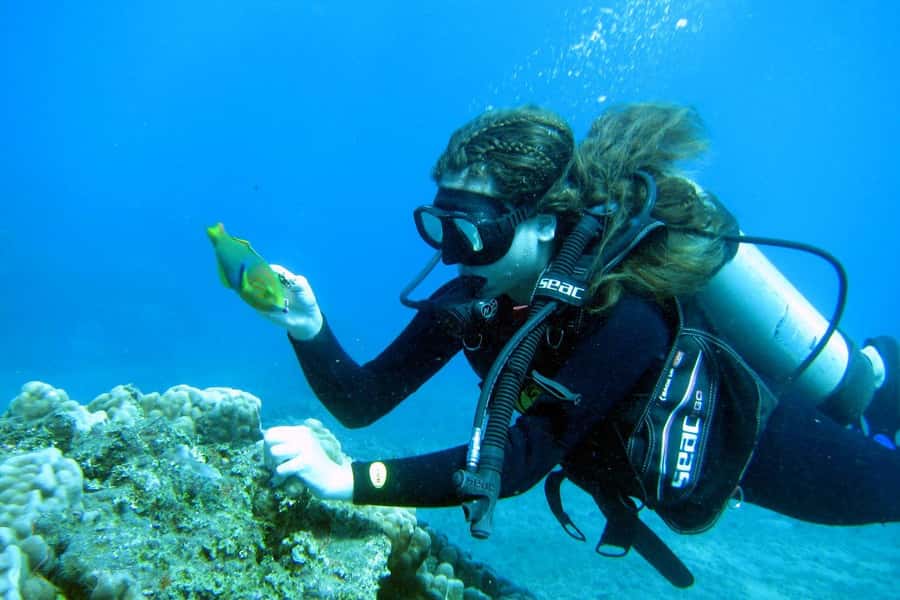
Rapa Nui is not trying to be like Hawaii or the Caribbean. The water here can be clear, and the underwater world feels distinct, with tropical fish and sea turtles that make the whole trip feel alive rather than staged.
If you are drawn to the idea of combining ocean time with the island’s story, this is one of the better ways to do it. The plan is built around exploring underwater scenery, but it also aims at connecting that ocean look to what is known to be under the surface, including the possibility of seeing submerged moai.
You do not need to be a fearless athlete. The emphasis is on a guided experience that matches the group’s comfort level, especially at the start of the day when you learn how to handle your gear and breathing.
You will also notice the pace is designed for beginners and first-timers. That matters here because a calm, coached start sets you up to enjoy what you paid for instead of feeling stressed by technique.
A few more Hanga Roa departures to weigh up
- From Hanga Roa: Rapa Nui Culture Sightseeing Tour
★ 4.6 · 307 reviews - From Hanga Roa: Easter Island Highlights 2-Day Tour
★ 4.3 · 205 reviews - Full Day Tour in Rapa Nui
★ 4.5 · 122 reviews
Hanga Piko to the underwater spot: how the 150 minutes really plays out
Your day starts at Hanga Piko, where you get a 30-minute safety briefing. This is not filler. It is where you learn the key rules, how the instructor will guide you, and what to do if anything feels off once you are in the water.
Next comes the transfer time. You spend about 30 minutes getting from the cove toward the underwater area. The exact route can switch between boat or vehicle, based on maritime conditions, so it pays to stay flexible.
Then you are back at the water access point for your main session: about 1 hour of underwater time. After that, there is another roughly 30 minutes of transport before the outing wraps. In other words, you are buying a full, paced half-day slot, not just time on the water.
That timing reality is useful for your trip planning. If you hate half-day activities that eat your schedule, factor in transfer delays and conditions, and keep the rest of your day light.
Gear is included, so you can focus on buoyancy and breathing
This is one of those tours that removes friction. Full equipment rental is included: suit, mascara, fins, vest, and a scuba bottle. You should still plan to wear sensible swimwear or a layer that dries fast, since you will likely spend time in and out of gear on a shoreline.
Also, you do not have to be a strong swimmer. The key is following the instructor and using the gear correctly. That is the main reason the safety briefing is so important here.
What you should expect is a guided rhythm. You get instruction before you go in, and the instructor stays with you throughout in a personalized way. That support style is a big part of why first-timers tend to feel comfortable and why people walk away with photos they are actually excited about.
One practical tip: if you get seasick easily, mention it and be honest about your comfort. The plan relies on boat or vehicle transfers depending on conditions, so it helps to set expectations early with the instructor.
What you see under the surface: fish, turtles, and coral detail
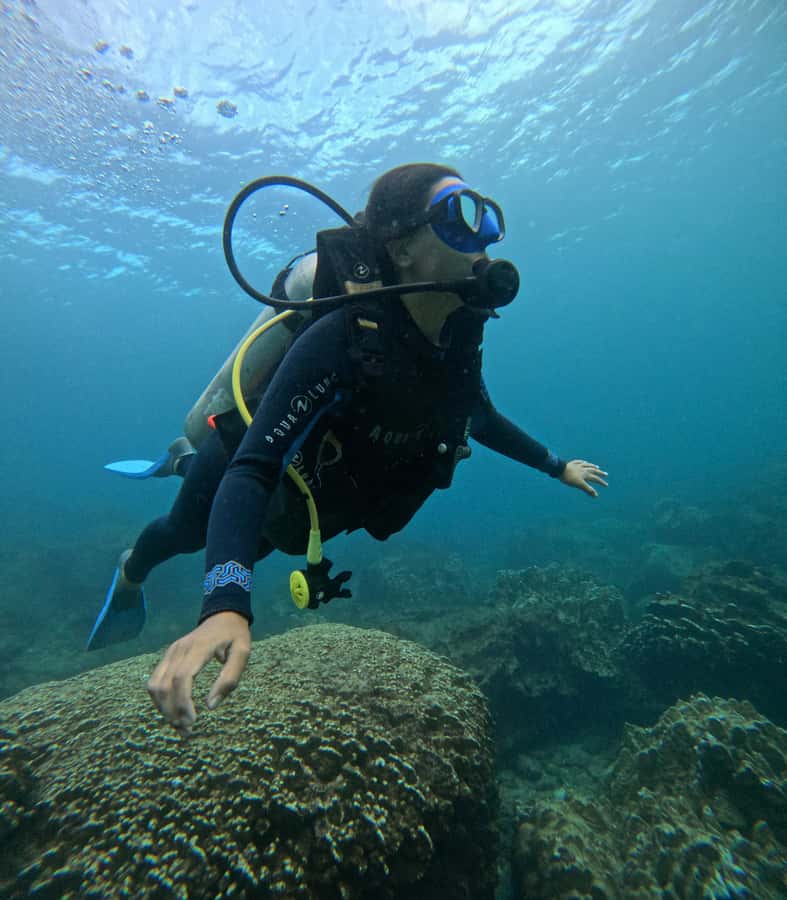
The headline promise is marine life, and it is not vague. You can expect a mix of tropical fish and turtles during your underwater time.
The other half of the experience is visibility. On days when the water is clear, you get views that feel structured, like you can track movements instead of just passing through a haze. That is when fish behavior becomes part of the fun, because you can actually see patterns, not just flashes.
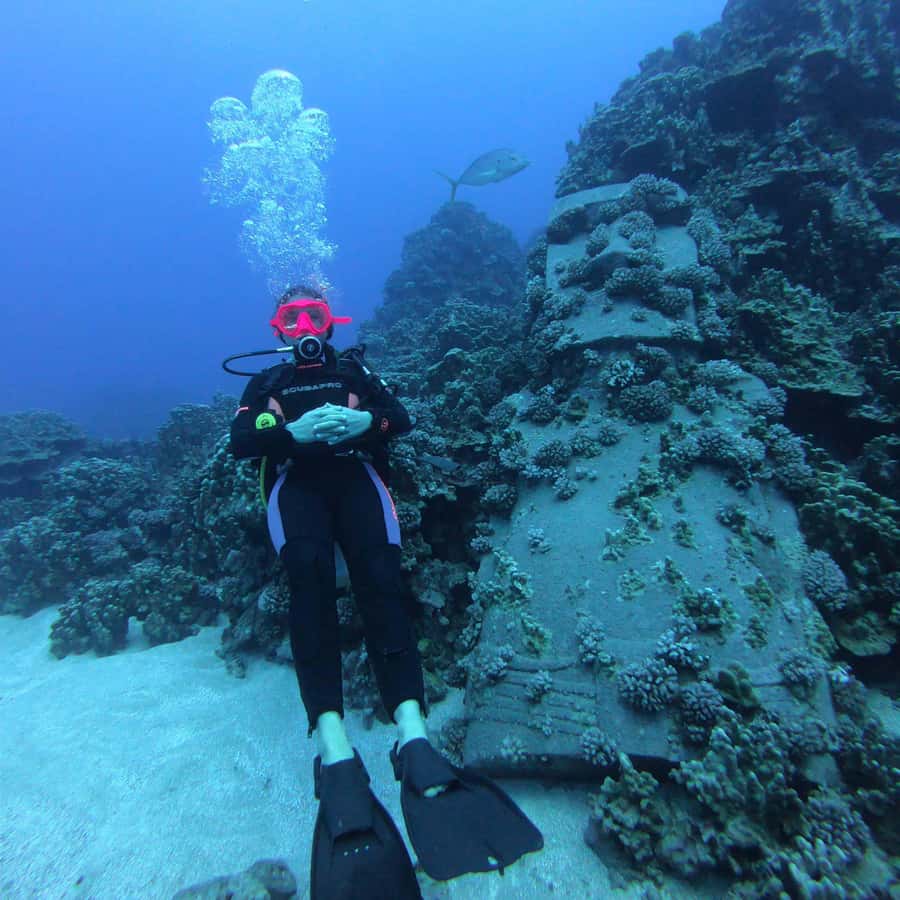
There is also an underwater archaeology angle. Part of what makes Rapa Nui special is the idea that not only animals are living in the sea, but human artifacts can be present too. The experience includes the possibility of reaching underwater moai, which adds a different kind of wow compared with a standard reef outing.
And yes, the water can feel warmer than you might expect in certain months, especially when you are wearing the provided suits. If you visit around late spring, plan as if you might not need heavy layering beyond the gear.
The other half of a Hanga Roa week:
- 2-Day Private Tour Easter Island Highlights Complete Discovery
★ 5.0 · 110 reviews - Private Full-Day Easter Island Highlights North and West
★ 5.0 · 84 reviews - From Hanga Roa: Journey from Orongo to Ana Te Pahu
★ 4.3 · 75 reviews - Journey of the Ancestors: Tongariki, Rano Raraku & Anakena Beach
★ 4.5 · 70 reviews
The moai question: why depth and certification matter
The submerged moai are the big story element, but they are not guaranteed in the same way for every participant. The key detail is that to reach the drowned moai area, you need scuba certification. If you are not certified, you should expect a plan that stays within beginner-friendly depth and limits.
This is one of those situations where knowing the rules helps you manage your expectations. If your goal is specifically the moai, pick this activity with the right certification level, or be ready for a more general marine-life focus.
You should also know that the underwater spot can vary based on the day’s conditions. That means the route to deeper features may not be the same for every group.
If you are certified and hoping for the moai, you will want to be comfortable with the idea that the day is not only about seeing fish. It is also about handling depth safely and following your instructor’s guidance.
Safety, skill levels, and who should skip it
Safety here is not optional. You start with a safety briefing, you have an instructor who stays with you, and the small group size helps the team keep an eye on everyone.
Skill-wise, it is designed for all skill levels. The experience specifically notes that you do not need to know how to swim, which is a relief if you are worried about being “good at water.”
But you should not go if you have certain health risks. It is not suitable for children under 12, people with heart problems, people with altitude sickness, or people with high blood pressure.
One more safety rule that is easy to miss: do not do this if you fly within 12 hours. That is a real constraint, and you should plan your Rapa Nui schedule accordingly. If your flights are tight, build in buffer time before your underwater session.
Also, alcohol and drugs are not allowed. This is a straightforward rule, but it matters because it keeps the safety focus where it belongs.
Price and value: is $139 worth it in Rapa Nui terms?
At $139 per person for about 150 minutes, you are paying for a full guided package, not just access to water.
Here is why that can be good value:
- Equipment is included, so you avoid rental hassles.
- You get guided instruction and supervision throughout.
- You get photos and video, which can be a big deal in a place like Rapa Nui where you want proof of the experience without relying on shaky phone shots.
- The group is capped at 10, so you are paying for attention, not just logistics.
The main potential cost to factor in is transportation. The outing notes that transportation is not included, but the meeting point is set shortly before the activity, informed 48 hours in advance. If you are staying far from the pickup area, you may want to budget local transport.
My practical take: if you want a guided underwater experience that mixes marine life with the chance of moai, this price feels reasonable for the kind of support and included gear you receive.
Timing, communication, and what to plan for on the day
This experience depends on conditions. Transfers can be by boat or vehicle, and the plan changes based on maritime conditions. That means your day might not follow a perfect clockwork schedule, even if you arrive prepared.
So, plan like a local: build in buffer time. If you schedule dinner or another activity immediately afterward, you might feel rushed.
Communication is also part of the value. The experience includes an instructor who accompanies you personally, and the team coordinates your transfers from the meeting point to the cove and then onward to the underwater location.
If you like structure, you will appreciate the straightforward flow: briefing, transport, one hour in the water, return transport. If you hate waiting, you will still want snacks or water before you meet, since the main time cost is the day’s sequencing.
Photos and video: bring a plan for saving your memories
One of the best “small” perks is the included photos and video. You are asked to bring a pendrive, memory card, or a cable to move images onto your Android or iPhone device.
That matters because otherwise you can end up at the end of the day unable to transfer files quickly. If you carry a small USB stick, you make the handoff painless.
It is also good to know you are not stuck with only stills. Video plus photos gives you options later, especially if you want to review the moai area attempt or catch turtles and fish that you might have missed underwater.
Dreams come Tour: what kind of operator you are dealing with
The provider is Dreams come Tour, and the overall feel is professional and safety-minded. The experience emphasizes that communication is clear and that the team pays attention to diver or participant safety.
You may meet instructors such as Joaquin and Carla, and one of the practical strengths mentioned is gear handling and supportive assistance around the boat and water access.
That kind of operational care makes a difference for first-timers. It reduces friction right when you are trying to learn breathing and comfort in the equipment.
Should you book this Rapa Nui underwater outing?
I think you should book this if you want:
- a guided introduction that helps you feel comfortable,
- a real chance at tropical fish and turtles,
- and the option of underwater moai if you are properly certified and conditions allow it,
- plus included gear and the practical bonus of photos and video.
I would not book it if:
- you flew within the last 12 hours,
- you fit the health exclusions (heart problems, altitude sickness, high blood pressure),
- you are looking for a short, low-commitment water stop, because this is a structured 150-minute experience with transfers.
If you are on the fence about the moai, be honest about your certification and comfort with depth. That one detail changes what you can realistically reach and enjoy.
If you get seasick easily or you have a tight schedule, also build in breathing room. When maritime conditions shape the boat or vehicle transfer, the day can run a little differently than you expect.
FAQ
Where is the meeting point for the activity?
The meeting point is set and communicated 48 hours before the start of the activity.
How long does the experience last?
The total duration is 150 minutes.
What language is the instructor?
The instructor speaks English and Spanish.
Is the group small?
Yes. It is limited to 10 participants.
Do I need to know how to swim?
No. The experience states it is not necessary to know how to swim.
What equipment is included?
Full equipment rental is included: suit, mascara, fins, vest, and a scuba bottle.
Are photos and video included?
Yes. Photos and video are included, and you should bring a pendrive, memory card, or cable to transfer them to your phone.
Can I drink alcohol or take drugs before the session?
No. Alcohol and drugs are not allowed.
Is there a rule about flying before the activity?
Yes. You cannot do this if you fly within 12 hours. Check this before booking.
Who should not do this experience?
It is not suitable for children under 12, people with heart problems, people with altitude sickness, or people with high blood pressure.
Freshly reviewed in Hanga Roa
- Astronomical Tour on Easter Island★ 3.5 · 3 reviews
- Full day Private Tour: Poike Walk through the abandoned area★ 4.5 · 3 reviews
- T1-THE GRAND TOUR (non-cruise visitors)★ 5.0 · 3 reviews
- 4-Days Trip to Discover Easter Island★ 4.0 · 3 reviews
- Private 2 Days Essential Tour of Easter Island★ 5.0 · 4 reviews
- T2-THE MUST-HAVES OF RAPA NUI (non-cruise visitors)★ 4.5 · 4 reviews
- Private Tour: Easter Island Caves★ 4.5 · 4 reviews
- Private Tour: The Highlights of Easter Island★ 5.0 · 4 reviews
Easter Island Tours, compared.
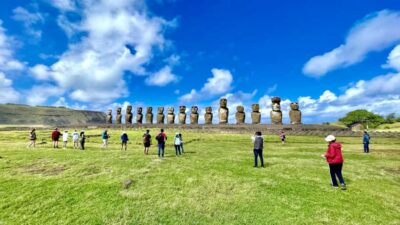
Two days of Full Day Tour of Rapa Nui + Sunrise in Tongariki
Read our review →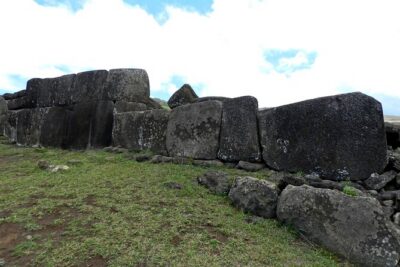
2-Day Private Tour Easter Island Highlights Complete Discovery
Read our review →
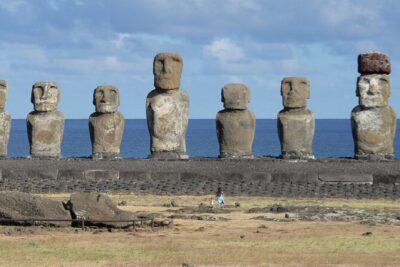
Private Tour: Full Day Easter Island Highlights
Read our review →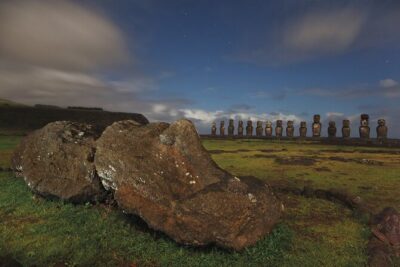
Browse the lists this tour appears in