
Reviewed · 2-DAY EXPERIENCES
2 Days Highlights Tour in Easter Island Moai and Nature
This is a great way to see Easter Island without stitching the whole plan together yourself. In two days you hit the island’s most famous moai settings, plus volcanic craters, lava tubes, and Orongo’s Birdman-era story, with pickup from your accommodation and a small-group size that keeps the day from feeling like cattle processing.
I like that the itinerary focuses on both the carved monuments and the geology behind them. I also like that the guides are local Rapa Nui voices, and you can feel that in how they explain what you’re looking at, from Ahu platforms to the quarry sites where moai were made. The tour has a simple rhythm that works well if you want “see the big stuff” while still learning.
One thing to plan around: the National Park ticket is not included and day 2 may not have a lunch stop, so budget for entry and pack snacks or lunch options in advance.
Key things to know before you go
- Small-group cap of 14 keeps the pace human, and it usually means more interaction time.
- National Park entry is separate and the operator does not sell tickets, so don’t assume admission is handled.
- Two guided days with different guides is possible, and quality can vary day to day.
- Cave time on day 2 can be dark and physically tricky, so wear grippy shoes and bring a small flashlight if you have one.
- Tongariki is the star for moai alignment, and it’s the kind of stop where timing and weather really matter.
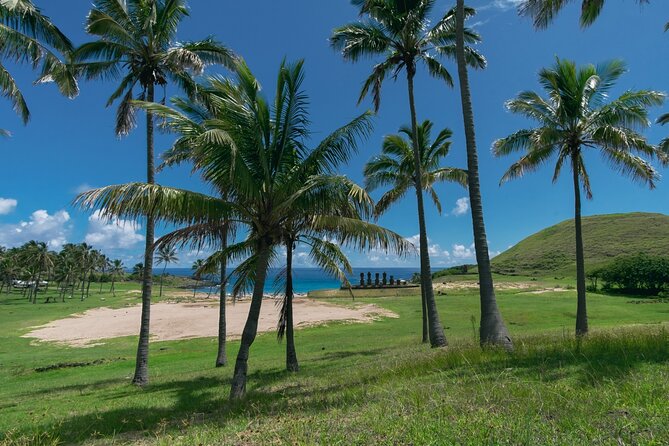
- Anakena adds beach time, and that break is one of the most refreshing parts of the route.
How this 2-day Rapa Nui highlights tour earns its spot
Easter Island is not hard to get around, but it is hard to get the right order and the right stories. This tour is built to hit key moai locations and the surrounding natural features that shaped Rapa Nui life. You get transportation plus a guide to connect the stonework to the island’s volcanic history.
The small group cap matters more than you’d think. On a crowded day, you can spend less time watching moai and more time waiting for a photo. Here, the group stays small enough that stops like Rano Raraku and Orongo feel like you’re moving with purpose, not getting rushed through.
The value is strongest if you want guided context. If you are the type who just wants photos, you might feel the cost more than the experience. But if you care about why each platform matters, and what the island’s geology explains, this format pays off.
A few more Hanga Roa departures to weigh up
- From Hanga Roa: Rapa Nui Culture Sightseeing Tour
★ 4.6 · 307 reviews - From Hanga Roa: Easter Island Highlights 2-Day Tour
★ 4.3 · 205 reviews - Full Day Tour in Rapa Nui
★ 4.5 · 122 reviews
Day 1: Vaihu, Akahanga, and the moai-making story begins
Day 1 starts with the kind of sites that help you read Easter Island like a map, not a pile of statues. You begin at Ahu Vaihu, a place that recreates the sense of an ancient village setting. The key is how the guide connects the moai platform to daily life and community, so you understand the monument as part of a living cultural landscape instead of isolated stone.
Next is Ahu Akahanga, known for carved faces and a spiritual aura that comes through in the setting. This stop is often where first-time visitors go from wow, those statues are big to oh, the expressions and placement were intentional. You also get panoramic ocean views nearby, which helps you see how Rapa Nui positioned meaning with both sea and sky.
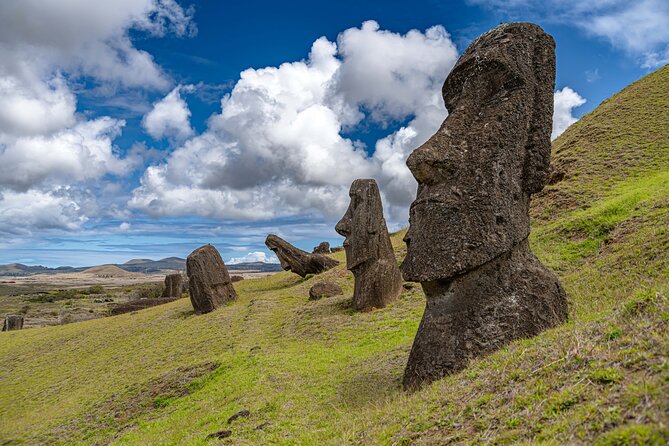
Then you head to Rano Raraku, the volcanic quarry where moai were carved. This is the stop that makes the whole moai story click. You are not just seeing finished pieces, you are seeing where they were shaped out of volcanic rock, including unfinished figures. Walking the area gives you a real sense of scale, and the crater setting makes the “worksite” feel physical, not theoretical.
Practical note: Rano Raraku has terrain and outdoor walking. Bring water and plan for sun and wind. If you’re sensitive to heights or uneven ground, take your time on the paths.
Day 1: Tongariki sunrise energy and the rest of the must-sees
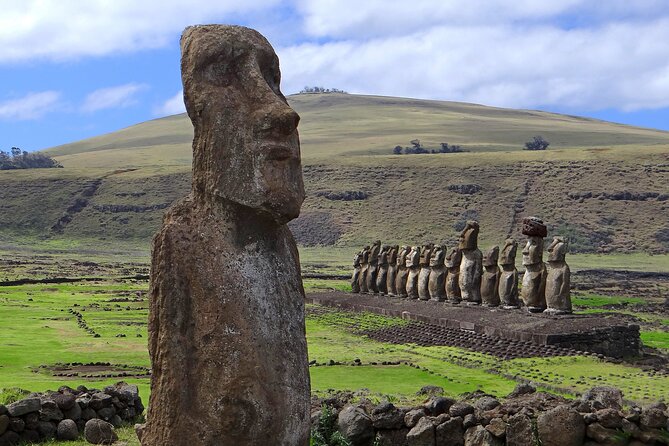
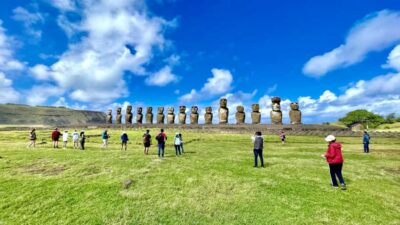
After the quarry comes Ahu Tongariki, the classic moai alignment that makes your jaw drop even if you’ve seen photos already. The draw here is the sense of order and mythic presence, where multiple moai look out together. Guides tend to emphasize the stories behind each statue and how the group arrangement signals beliefs and authority.
You should know this stop is also the most time-and-weather sensitive. If conditions are cloudy or foggy, the views can soften. Still, the alignment stays impressive because you’re reading the shapes and spacing directly on site.
From there the day continues to Ahu Te Pito Kura. This is the “navel of the world” kind of stop, tied to a large stone sphere called Te Pito o Te Henua. Even when you do not buy every legend as literal fact, the value is how the guide explains why people attached meaning to special stones.
The last cultural hit on day 1 is Anakena Beach with a stop at Ahu Nau Nau. This is your payoff break. You get moai in the sand and then time on the beach, with a chance to swim if conditions are right. People often remember this as the moment the trip feels relaxed again, not just educational.
A small practical reality: you may not get a long, leisurely meal break here. So if you’re sensitive to hunger or long walks, pack snacks for between stops.
Day 2: Akivi, Ana Te Pahu, and what nature adds to the moai sites
Day 2 leans more into the island’s “why here” story, especially how Rapa Nui related to ocean, caves, and volcanic features. You start at Ahu Akivi, famous for moai that face the ocean. The explanation centers on ancestral navigators, and the stop feels more reflective than the big lineup at Tongariki because the mood is softer and the setting is greener.
Next is Ana Te Pahu, also known as Banana Cave. This is one of the most memorable stops on the whole tour because it blends geology and human markings, including petroglyphs mentioned on site. You walk into dim passages where rock formations and cultural traces share the same space.
Here’s the key practical tip: cave walking can be dark, and some parts may involve bending, ducking, and tricky footing. A number of people appreciated the stop but flagged safety concerns like darkness and the absence of provided torches. If you have even a small headlamp or reliable flashlight, bring it. At minimum, wear shoes with good grip, and go slow.
You also want clothes that don’t mind getting a bit dirty. Even when you’re not crawling, the cave environment tends to be uneven.
The other half of a Hanga Roa week:
- 2-Day Private Tour Easter Island Highlights Complete Discovery
★ 5.0 · 110 reviews - Private Full-Day Easter Island Highlights North and West
★ 5.0 · 84 reviews - From Hanga Roa: Journey from Orongo to Ana Te Pahu
★ 4.3 · 75 reviews - Journey of the Ancestors: Tongariki, Rano Raraku & Anakena Beach
★ 4.5 · 70 reviews
Day 2: Puna Pau and Vinapu, where materials and architecture show up
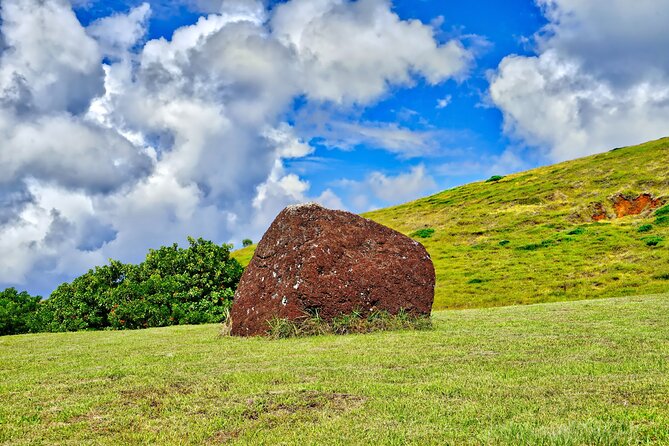
After the cave, you head to Puna Pau, known for its red scoria quarry. This is the moai “topknots” story, since Puna Pau is described as the source of the distinctive pukao that sit on many heads. The guide typically explains how the red material was carved and how it traveled from quarry to statues. It’s a great stop if you like hands-on thinking, because you start picturing the supply chain.
Then you go to Ahu Vinapu, where stone platform construction draws parallels to ceremonial architecture beyond the island. The standout here is the craftsmanship and the way the stonework is explained as part of Rapa Nui ceremonial life. You also get ocean-side scenery, which helps you understand why these places were chosen beyond just the moai themselves.
If you’re hoping for intense, nonstop narration at every moment, keep expectations realistic. One common theme is that your experience depends on how your group moves and how the guide handles multiple languages at once.
Day 2: Rano Kau crater and Orongo Birdman village
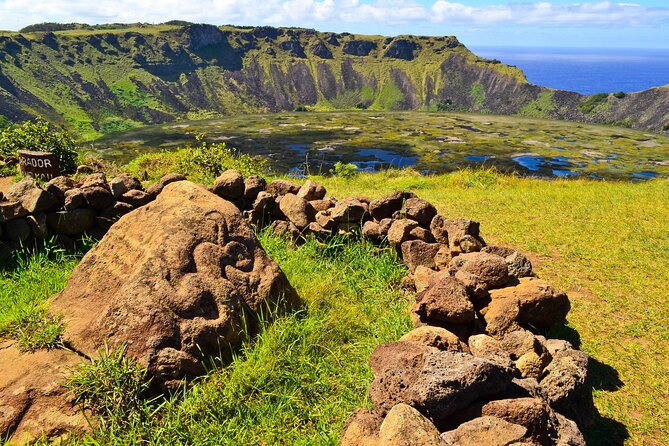
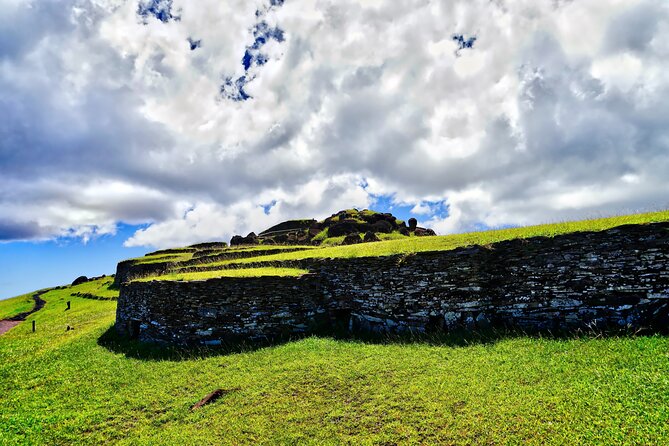
The day closes with volcanic drama. You visit Rano Kau, a crater with a lagoon in the center, and you walk around the rim to take in the crater’s form. The guide connects the crater to volcanic origins and the role it played for ancient islanders.
Then comes Orongo, the ceremonial village on the edge of the Rano Kau crater. Orongo is tied to the Birdman competition, described as the annual leadership event. On site you’ll see stone houses, petroglyphs, and remnants that make the story feel grounded in place.
This stop often hits hardest for people who like “the why.” You’re looking out over the Pacific while learning how ceremony, leadership, and environment intersect. It’s not just history in a textbook sense. It’s people trying to read the world around them and turning it into ritual.
Weather note: crater wind can be strong. Bring a light layer even if the day is warm.
Small-group travel, guide quality, and language expectations
This tour runs with a maximum of 14 travelers, which generally helps the day feel organized and responsive. Still, reviews show that guide quality can vary by day and that narration can shift depending on language needs in the group.
Some people loved their guides and singled out friendly, helpful explanations. Names that came up include Enzo, Fernanda, Zoe, Franco, Frank, David, and Simon, plus other support staff in some cases. The best experiences were the ones where the guide gathered people together before speaking and maintained a clear, consistent voice throughout walking segments.
On the flip side, a few issues popped up in reviews: delayed starts on day 1, pacing that leaves slower walkers behind, and bilingual narration where English speakers got less time. If English narration is important to you, I’d suggest confirming what languages are covered when you book. And if you’re sensitive to being separated from the guide, stay closer during the walking portions.
Transportation quality also can vary. Most people are fine with the vans or vehicles used for the day, but a couple of accounts mention late pickups or vehicles that weren’t as clean as expected. Build in flexibility in your planning.
Timing, comfort, and what to pack for Easter Island heat
Easter Island can feel intense when you’re walking between outdoor sites, especially if humidity rises or wind kicks up dust. The tour starts at 10:00 am, and day 2 can end in the mid-afternoon range based on how the schedule plays out.
Bring water, and keep sipping. One key point from cave and crater day is that heat plus uneven footing can hit harder than you expect. Also know there are not many bathrooms during the route, so use facilities when they are offered.
Shoes matter a lot. For the cave, you want grip and ankle support more than fashion. Even on surface sites, volcanic rock paths can be slippery after light rain, and wind can make sand and gravel feel like tiny ball bearings.
If you’re prone to motion sickness, plan for a lot of short driving segments plus walking. Take breaks when you can.
Price and value: what you are really paying for
The price is $210 per person for roughly 2 days. That sounds steep until you compare it to what this island costs you in time and logistics. You are paying for coordinated transport, local guidance, and access to multiple key sites that would otherwise take planning and driving stamina on your own.
The value is strongest for people who want guided interpretation, not just sightseeing. The biggest “are we getting our money’s worth” complaints were usually about what’s missing rather than the sightseeing: National Park ticket is not included, and day 2 may not have a lunch stop, leaving you to cover food yourself. Add those costs and you can see why some felt the total was less fair.
Still, plenty of people felt the route covered the island’s core highlights in a way that made the trip feel complete. If you’re using a two-day window and you want the classic moai plus the nature features, this format can be efficient and worth it.
Who this tour fits best
This tour fits best if you:
- Want a guided route that hits major moai sites and Rapa Nui nature in two compact days
- Prefer small-group travel with pickup and organized pacing
- Like culture and geology explanations, especially the moai carving quarry story and the volcanic crater stops
- Are okay with outdoor walking and a more physical stop at Ana Te Pahu
It may not fit if you:
- Need guaranteed full English coverage at every moment
- Have limited mobility or back and knee problems, because the cave can require bending and careful footing
- Want a fully self-paced day with lots of downtime between stops
Should you book this 2-day Easter Island moai and nature tour?
I’d book it if you want your time to count on a short Easter Island stay. The mix of moai sites, quarry origins at Rano Raraku, beach time at Anakena, and the Orongo Birdman setting makes the two days feel like a full story.
But book smart. Plan for National Park tickets you buy separately, bring snacks for day 2 in case lunch is not a stop, and pack for the cave with grippy shoes and some light source if you have one. If English narration is a must, message the operator ahead and ask how languages are handled in your group.
If you line those details up, this tour is a practical way to see the big Easter Island hits without losing your entire day to driving and guesswork.
FAQ
What time does the tour start?
It starts at 10:00 am.
How many people are in the group?
The tour has a maximum of 14 travelers.
What is included in the price?
Transportation and a native guide are included.
Do I need a National Park ticket?
Yes. The National Park ticket is not included and the provider does not sell it.
Is lunch included?
A lunch stop is not guaranteed, and day 2 can run without a lunch stop. Bring snacks so you are not caught hungry.
How physically demanding is it?
The tour is listed for travelers with moderate physical fitness. It includes walking and a cave stop that can involve dark, cramped areas.
Is pickup from accommodations included?
Yes. Pickup is described as hassle-free from your accommodation.
Freshly reviewed in Hanga Roa
- Astronomical Tour on Easter Island★ 3.5 · 3 reviews
- Full day Private Tour: Poike Walk through the abandoned area★ 4.5 · 3 reviews
- T1-THE GRAND TOUR (non-cruise visitors)★ 5.0 · 3 reviews
- 4-Days Trip to Discover Easter Island★ 4.0 · 3 reviews
- Private 2 Days Essential Tour of Easter Island★ 5.0 · 4 reviews
- T2-THE MUST-HAVES OF RAPA NUI (non-cruise visitors)★ 4.5 · 4 reviews
- Private Tour: Easter Island Caves★ 4.5 · 4 reviews
- Private Tour: The Highlights of Easter Island★ 5.0 · 4 reviews
2-Day Experiences, compared.

Cable Car, Funicular and Sightseeing Bus in Santiago two days
Read our review →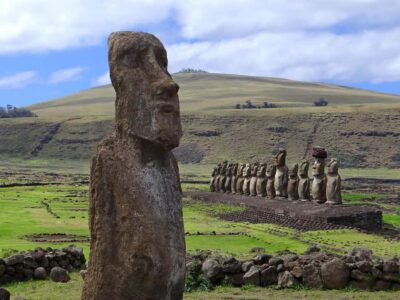
Two days of Full Day Tour of Rapa Nui + Sunrise in Tongariki
Read our review →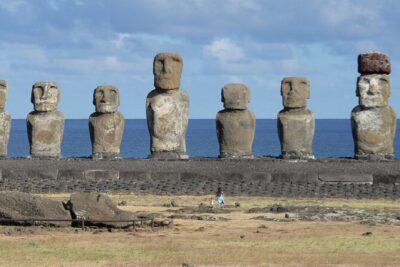
2-Day Private Tour Easter Island Highlights Complete Discovery
Read our review →Two days of Full Day Tour of Rapa Nui + Sunrise in Tongariki
Read our review →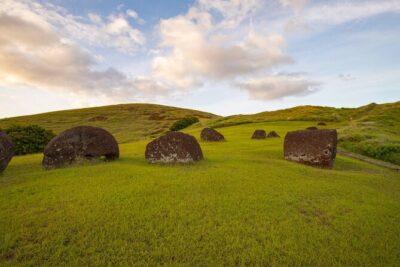
2 Day Private Tour: Easter Island’s Cultural Heritage
Read our review →
2 Day Small Group Tour in Moai Monuments and Historic Pathways
Read our review →Browse the lists this tour appears in