
Reviewed · DINNER SHOWS
4-Day Easter Island Experience with Hotel, Tours & Dinner show
Easter Island is interesting because you get the big moai moments, plus real clues to how Rapa Nui culture is still practiced today. I like the focus on UNESCO Rapa Nui Park, and I also like that the group size is capped at 15 people, so you get more time with your guide than on cattle-train tours.
I also like how the first evening is built around culture, not just sightseeing. The airport greeting starts with a traditional flower necklace, then your night at Te Ra’ai includes Takona body painting, Umu Hatu underground curanto, and the Haha Varua dance and music show.
One thing to keep in mind is price. At $1,890 per person, you are paying for hotel nights, guides, tours, and included admissions, but Easter Island is never a low-budget place, and park access fees can add up fast if you are doing things separately.
Key highlights worth your attention
- UNESCO Rapa Nui Park, guided day-by-day so you do not bounce around blind
- Te Ra’ai cultural evening with Takona, Umu Hatu curanto, and Haha Varua
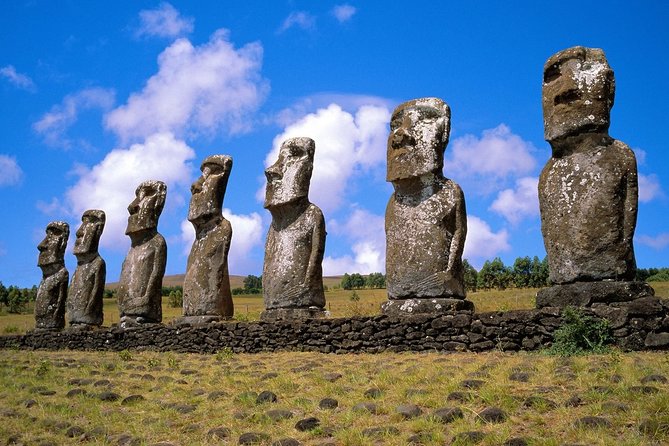
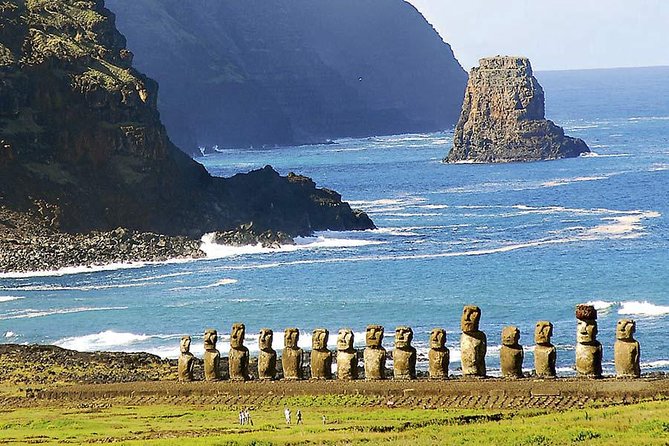
- Iconic moai platforms, from Tongariki’s 15 to Akahanga’s ocean-facing moai
- Rano Raraku quarry time on foot among hundreds of partially finished statues
- Ahu Akivi’s celestial timing (spring equinox and autumn sunrise alignments)
- Maximum 15 people, which makes questions and pacing easier
Moai, plus the living culture angle (what makes this package work)
This is a smart way to see Easter Island in a tight 4-day rhythm. Instead of only chasing photos, the program repeatedly connects the stone sites to Rapa Nui beliefs and present-day culture, so you understand what you are looking at while you are looking at it.
You will start with a proper welcome at Mataveri International Airport, then you will be moved to your hotel area and given time to reset. From there, the days are built around the island’s most important ceremonial platforms, quarries, and viewpoints, with the guide handling the pacing and translation so you can stay focused on the views.
A big plus for me is the small-group limit. On Easter Island, sites are spread out, and some stops involve walking on uneven ground. A smaller group helps avoid long waits and lets your guide keep the story flowing rather than constantly regrouping people.
Other folklore dinner nights in Easter Island:
- Easter Island Dinner Show with Transport
★ 4.0 · 13 reviews - Traditional Dinner Show in Santiago
★ 4.5 · 41 reviews - Dinner Show in Bali Hai with Wine refill and transportation
★ 4.4 · 21 reviews
Price and value: what you are really paying for
$1,890 per person is not cheap, but the package is doing several expensive things for you at once: hotel nights, meals, guided site access, and entry fees.
Here is how that adds up in practical terms:
- Hotel for 3 nights is a major chunk of the overall cost on Easter Island.
- Lunch and dinner are included, including a full dinner with the Te Ra’ai show on Day 1.
- Entrance fees are included. This matters because access to Rapa Nui’s protected areas is not a trivial add-on when you book everything separately.
- Guide and pickup are included. Easter Island driving time is real, and you do not want to spend your limited days on logistics.
If you are used to city travel where you can wing it, Easter Island is different. The moai sites are the reason you came, and the park fees and guided access can add up. Having admissions bundled into a guided plan tends to be better value than trying to piece together a DIY schedule once you account for time and transport.
Day 1: Mataveri airport welcome and Te Ra’ai dinner show
Your experience opens at Mataveri International Airport (IPC). A team member welcomes you with a traditional flower necklace, then you transfer to your selected hotel in a shared service. After that, you get time to rest. That rest is not wasted, because the next days are built around full sight sessions.
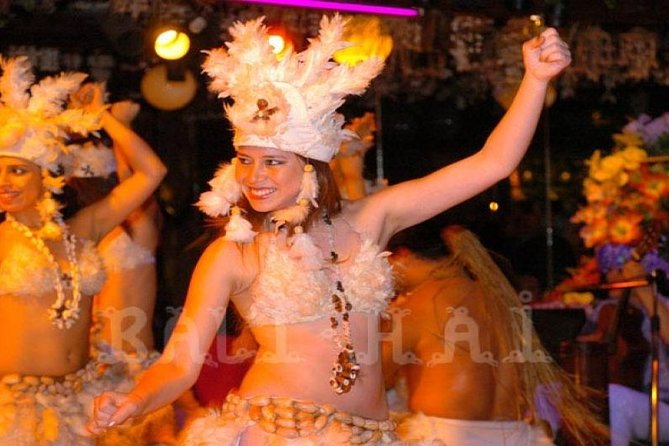
In the evening, the tour shifts into culture mode with pickup from your hotel for Te Ra’ai Restaurant. This is not a quick stop where you eat and leave. It is a program that starts with meeting the Te Ra’ai family, then includes a local drink while you learn about Takona, an ancient body-painting art. You are taught how symbols and colors communicate stories.
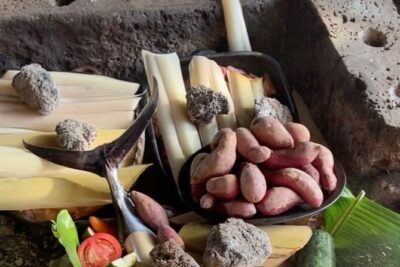
After that comes the centerpiece meal ritual: Umu Hatu, the traditional Rapa Nui underground curanto. Hot stones cook the food in the earth, and that ritual angle gives the dinner more meaning than a typical buffet.
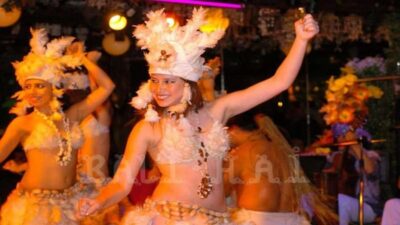
You then enjoy a buffet-style dinner featuring local dishes such as meats, root vegetables, salads, and tropical fruits, plus a glass of Chilean wine. The evening ends with Haha Varua, a live dance and music show that brings legends and mana (sacred energy) to the stage.
Why I think this first night is a good idea: it orients you emotionally. Even if you are tired after flights, it gives you a cultural baseline before you start walking among the moai sites the next day.
Day 2: Ahu Akahanga, Rano Raraku quarry, Tongariki, Te Pito Kura, and Anakena
Day 2 is a classic “moai greatest hits” day, but it is paced so it still feels coherent.
A few more Easter Island departures to weigh up
- Exclusive wineries in Casablanca Valley & Tanino Restaurant
★ 5.0 · 568 reviews - Santiago: Alyan Winery Sunset with Wine Tastings and Dinner
★ 4.7 · 75 reviews - Legacy Family Tour Lunch or Dinner Pairing 4 Strokes
★ 5.0 · 38 reviews - Santiago: Bali Hai Dinner & Show, Transport and Wine refill
★ 4.5 · 17 reviews
Ahu Akahanga: fallen moai facing the Pacific
You begin at Ahu Akahanga, where you will see fallen moai resting toward the ocean. The guide connects the platform to local legend, including Hotu Matu’a, described here as the island’s first king and linked with the burial place story. This stop sets a tone: on Easter Island, you are not only seeing monuments, you are seeing layered meanings.
Potential drawback: this is a viewpoint-based stop. If you hate walking or standing, you might feel restless, but most people enjoy the open air and the ocean-facing setting.
Rano Raraku: the moai quarry where the work started
Next is Rano Raraku, the volcanic quarry where most moai were carved. Walking among hundreds of partially finished statues is one of the most powerful ways to understand how the island’s stonework was made. You see the “in-progress” stage, not only the finished platforms.
This is also where your brain gets the best reality check. The moai are not magic that fell from the sky. They are labor, stone by stone, with all the mystery of why some statues were never completed.
Ahu Tongariki: 15 restored moai in a single row
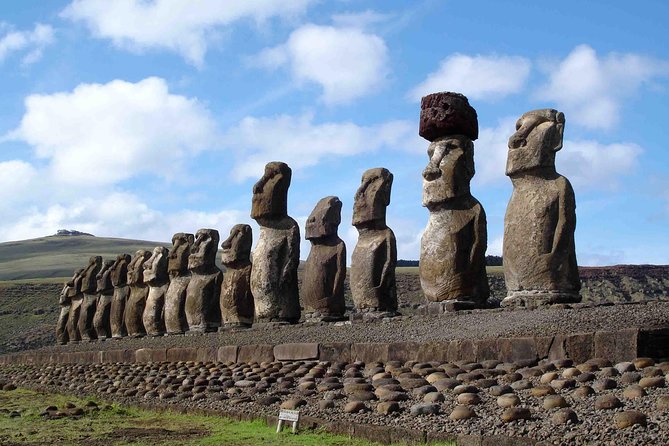
Then you reach Ahu Tongariki, the iconic row of 15 restored moai. It is one of the most photographed spots for a reason: the ocean, the long line of statues, and the scale feel dramatic even before you add any imagination.
One practical tip: bring layers. This coast can get breezy, and you may stand around for photos and guide explanations.
Ahu Te Pito Kura: the largest erected moai and the magnetic stone idea
After Tongariki, you move to Ahu Te Pito Kura, known for having the largest moai ever erected on the island, plus the “Navel of the World” magnetic stone. The spiritual framing here is part of why this platform matters, not just its size.
If you are the kind of person who likes explanations behind legends, this stop will feel satisfying. If you just want a photo, you might move quickly, but there is still plenty to take in.
Anakena Beach: white coral sand and Ahu Nau Nau moai
Finally, you end at Anakena Beach with its white coral sand, turquoise water, and palm-lined shore. This is a perfect way to finish a moai-heavy day. You can admire the moai of Ahu Nau Nau, relax, and if conditions allow, swim or simply enjoy the calm.
Why this ending works: you get a sensory reset. After stone and quarry, the beach gives your eyes a break and your body a chance to recover.
Day 3: Orongo and Rano Kau, then Puna Pau, Ahu Akivi, and Tahai’s coral-eyed platform
Day 3 shifts from the moai platforms to the island’s ceremonial drama and astronomy-linked sites.
Orongo Ceremonial Village and Rano Kau: the Birdman competition setting
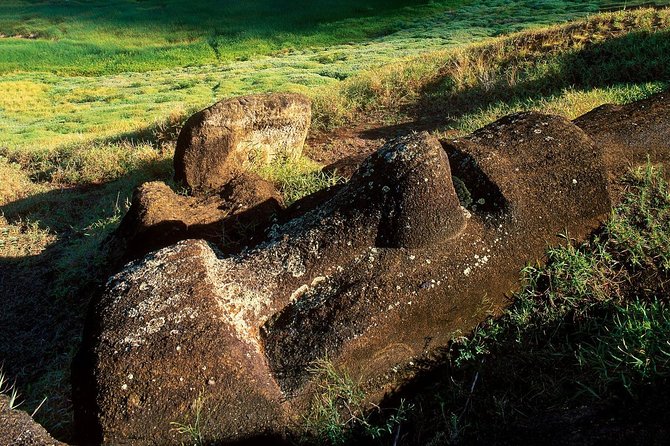
Your day begins with pickup from your hotel for history, culture, and scenery. First you visit Vinapu, an archaeological site that shows advanced stonework with constructions described as reminiscent of Incan precision. You will also see toppled moai statues, tied here to clan conflicts.
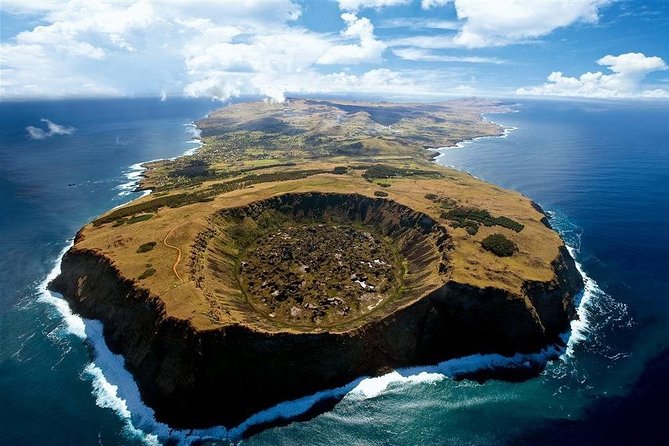
Then you head to Orongo Ceremonial Village, on the edge of Rano Kau volcano. Orongo is where the Tangata Manu, the Birdman competition, is described as playing out, and the guide explains how it decided which clan would rule each year.
After that, you get views from the Rano Kau lookout, over the volcanic crater and its lagoon. This stop helps you understand why these places were chosen, because the setting is part of the ritual story.
Possible drawback: this is the day that can feel most physically uneven. The viewpoints and ceremonial areas can involve uneven ground. If you have mobility limits, you should check with the operator beforehand.
Puna Pau: where red pukao topknots came from
Next you visit Puna Pau, the quarry where the red pukao topknots were carved from volcanic rock. This adds an important piece: not all moai are just stone torsos. The finishing elements change the look and meaning.
Ahu Akivi: seven ocean-facing moai with sun alignments
Then you reach Ahu Akivi, notable for having seven identical moai facing the ocean. The alignment story is the main hook here: the moai are said to line up with the setting sun during the spring equinox and the sunrise during autumn.
This stop is ideal if you like meaning tied to the sky. It also helps you see Easter Island as a place where people tracked time and ceremony together.
Tahai Ceremonial Complex: older restored platforms and coral eyes
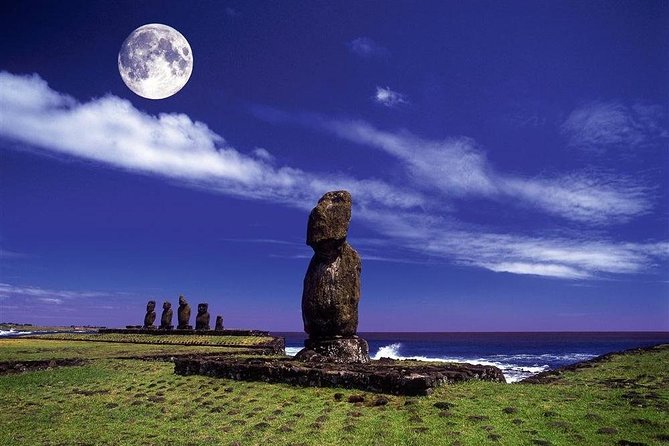
You finish at the Tahai Ceremonial Complex, featuring three restored platforms: Ahu Tahai, Ahu Vai Uri, and Ahu Ko Te Riku, recognized here by its restored coral eyes.
This is a calmer closing note before your final travel day. It is also a good spot to slow down and ask your guide what you should focus on when you start noticing details across sites.
Day 4: Hanga Roa morning time and the Mataveri airport goodbye
After breakfast at your hotel, you say ka oho and head to the airport. The team picks you up at the agreed time for transfer to Mataveri Airport for your return flight.
If your flight is afternoon, the program gives you free morning time. You can walk around Hanga Roa town, visit local craft markets, or just take ocean views one last time.
This last day is not about squeezing in another major site. It is about not feeling rushed. That matters because Easter Island travel can be intense, and you do not want your final hours to feel like a sprint.
Getting around, timing, and what to expect with a small group
The tour starts at 9:00 am. Pickup is offered, and pickup plus drop-off is part of the included service. The program also uses a mobile ticket, which means you should have your phone charged and accessible.
The group size limit of 15 is a big deal in practice. It usually means less time waiting for people, more time hearing explanations, and easier adjustments if someone needs a break.
Guide language is English, though the program can be operated by a multi-lingual guide. If you are traveling with someone who needs clear language support, it is worth confirming the guide language at booking.
Also, “most travelers can participate” is listed. That is broad, so if you have specific walking or health constraints, you should ask about how the days are managed in terms of pace and stops.
Who should book this and who should look elsewhere
This package is a strong fit if you want:
- Guided access to the core moai and ceremonial sites without building a complex plan yourself
- A balance of UNESCO park stops and culture-focused programming like Takona and Umu Hatu
- A small-group experience where your guide can actually respond to questions
- Included meals that reduce daily decision fatigue
It is less ideal if you:
- Want a totally DIY schedule with zero structure. This plan is guided and time-based for good reason, so you will not have total freedom.
- Are extremely tight on budget. Easter Island costs enough that you will feel the price tag even with inclusions.
For couples, solo travelers, and anyone who likes learning while walking, this feels like a good match. If you are traveling with family, it might still work, but you should factor in walking on uneven ground at several sites.
Should you book this Easter Island experience?
I would book it if your top goal is seeing the major moai sites in a logical order and you want the cultural story to go with it. The combination of guided UNESCO park days plus a full first-night cultural show at Te Ra’ai is the kind of pairing that makes the whole trip feel more complete.
I would pause before booking if you are mainly shopping for the cheapest way to tick off a few photos. This package is priced for comfort, organization, and included admissions, and it will not feel like a bargain if you were planning to do some things independently anyway.
FAQ
What does the $1,890 per person price include?
The package includes 3 nights of accommodation, lunch and dinner, a professional guide, private pickup and drop-off, airport reception with a flower necklace, guided tours (Orongo and Akiwi plus other Rapa Nui sites), and entrance fees.
Are hotel transfers and pickup included?
Yes. You get pickup and drop-off as part of the included service. You are also welcomed at Mataveri airport with a flower necklace and transferred to your hotel after arrival.
How many people are in the group?
The experience has a maximum of 15 travelers, which helps keep the experience less crowded and gives more attention from your guide.
What language is the tour guide?
The tour is offered in English. It may be operated by a multi-lingual guide.
Do I get a ticket for entry on my phone?
Yes. A mobile ticket is offered, and you also receive airport reception on arrival.
Can I change dates or get a refund if my plans change?
No. This experience is non-refundable and cannot be changed for any reason. If you cancel or request an amendment, the amount paid will not be refunded.
More Show in Easter Island
- Private Tour: Santiago at Night with Dinner and Show
★ 3.5 · 8 reviews - Viña Concha y Toro Nighttime: Dinner Show
★ 3.7 · 7 reviews - Small-Group Night City Tour: San Cristobal Hill and Dinner Show
★ 3.5 · 6 reviews - Private Night City Tour with San Cristobal Hill And Dinner Show
★ 3.0 · 5 reviews
More Dinner Experiences in Easter Island
- Santiago: Private Dinner & Chilean Folk Show with Transfers
★ 4.7 · 17 reviews - San Cristobal Hill Night Tour with Dinner Show
★ 3.0 · 17 reviews - Small-Group Tour: Night City Tour with Santa Lucia Hill and Dinner Show
★ 4.5 · 8 reviews - Traditional Chilean Show with Dinner and Private Transportation in Santiago
★ 4.5 · 8 reviews
Freshly reviewed in Easter Island
- Easter Island 2 Half Days and 2 Full Days Private Trekking Tour★ 5.0 · 3 reviews
- Astronomical Tour on Easter Island★ 3.5 · 3 reviews
- Full day Private Tour: Poike Walk through the abandoned area★ 4.5 · 3 reviews
- T1-THE GRAND TOUR (non-cruise visitors)★ 5.0 · 3 reviews
- Private Tour: Full-Day Easter Island Birdman Cult★ 5.0 · 3 reviews
- Moai Rise and Fall: Full Day Private Tour★ 5.0 · 3 reviews
- Rapa Nui Astrophotography and Stargazing Night Tour Combination★ 5.0 · 3 reviews
- 4-Days Trip to Discover Easter Island★ 4.0 · 3 reviews
Dinner Shows, compared.
Dinner Show in Bali Hai with Wine refill and transportation
Read our review →
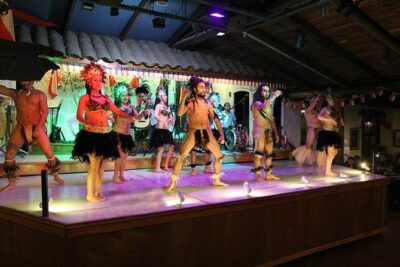
Small-Group Tour: Night City Tour with Santa Lucia Hill and Dinner Show
Read our review →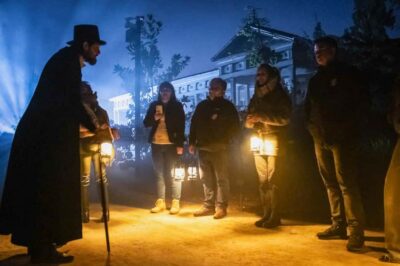
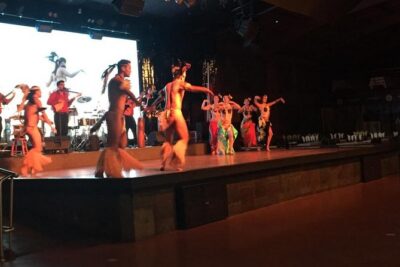
Small-Group Night City Tour: San Cristobal Hill and Dinner Show
Read our review →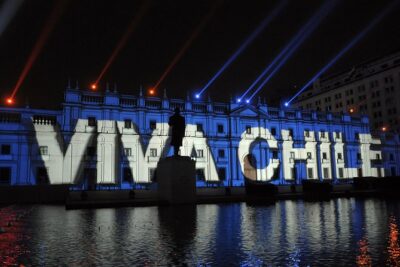
Private Night City Tour with San Cristobal Hill And Dinner Show
Read our review →Browse the lists this tour appears in