
Reviewed · CRUISES & BOAT TOURS
T3+T4-RAPA NUI ARCHAEOLOGICAL SITES (non-cruise visitors)
This two-day Rapa Nui program is interesting because it ties together Moai ceremony sites and the volcanic, coastal settings that shaped life on Easter Island. You do not just “see statues,” you move through the places people organized land, worship, and power.
I like that the route mixes big, iconic platforms with spots that explain how the system worked, like the inland Ahu Huri a Urenga (the one-moai platform with four hands) and the pointing line-up at Ahu Tongariki. I also like the private setup, because you get a real pace for long walks and photo stops, not a rushed bus schedule.
One thing to think about: the price does not include the main entrance ticket. You will likely add $80 USD per person (tickets cover all sites for 10 days), so budget for that total when you compare options.
Key highlights you should care about
- Private vehicle, private group: transport and guiding are just for your party.
- Astronomy shows up repeatedly: orientations at multiple ahus are part of what you learn.
- Orongo and Rano Kau together: volcanic crater views plus the Bird-Man ritual setting.
- Restoration and preservation contrasts: Anakena and Tongariki are some of the best examples you will see.
- The moai quarry experience: Rano Raraku gives context by letting you walk near the stone giants in production mode.
- One included admission site: Rano Kau is marked as included, while most others use the general ticket.
Two days, one island: how this Rapa Nui archaeology tour really plays
Rapa Nui is not small. Even if the island looks “all the same” from a distance, the culture centers are spread out, and each place has a reason to be where it is. This tour helps you connect those dots by moving in a logical sequence through ahus, ritual villages, panoramic viewpoints, and the moai quarry.
The day starts early. You meet at 9:30 am for day one and 9:15 am for day two, and pickup covers “whatever you’re staying in” in Hanga Roa. That matters because on an island this size, the first 30 minutes can be a lot, and starting on time helps you see more without sprinting.
A big practical plus: the guiding is offered in English (and also in French or Spanish). That is not a small detail. When you are looking at carved stone, restored platforms, and astronomy alignments, the meaning is in the explanation, not just in the photos.
The tour length is listed as about 2 days, and with the time spent at key locations, you will feel like you get a complete survey rather than a “greatest hits” skim.
More boat trips from Hanga Roa:
- Tour to the Motus: Boat trip and snorkeling in Rapa Nui
★ 5.0 · 8 reviews - T2-THE MUST-HAVES OF RAPA NUI (non-cruise visitors)
★ 4.5 · 4 reviews - T1-THE GRAND TOUR (non-cruise visitors)
★ 5.0 · 3 reviews
The route that makes the sites feel connected
This program is paced around how Rapa Nui society organized space. You start with ahus tied to settlement and older cults, then shift into the Bird-Man era at Orongo, and later into the “why these structures matter” layer, including astronomy orientation and the way people used stone across the island.
Here is what the flow accomplishes for you.
First, you move from tombs and early territorial life into places associated with different forms of authority. Then you add the geography of isolation through the crater of Rano Kau. Finally, you end in the production story and the oceanfront ceremonial line, with the quarry and the massive restored platform at Tongariki.
You do not need to memorize details. The guiding is built to make the island’s logic click.
Ahu Akahanga: the abandoned cult idea in one stop
Ahu Akahanga is the kind of site that changes how you look at the rest of Easter Island. You are told it may have been the tomb of the island’s first sovereign, and even more important, it was never restored. That “unfinished” feeling is the point.
What you will like here is the chance to compare “worked-on and fixed back together” sites with ones that show wear and history more plainly. Ahu Akahanga also gives you a clearer understanding of territorial arrangement typical of Neolithic villages, meaning it is not only about moai, it is about planning and community structure.
The watch-out is simple: because it is not restored, it may feel less “wow” than a fully rebuilt platform. If you need everything to look brand-new to feel satisfaction, this stop might feel more archaeological than emotional.
Ahu Vinapu: stonework you can actually inspect
Ahu Vinapu is essential on an Easter Island itinerary because of its finish. The description focuses on the quality of the stonework, and it is a good reminder that the island’s story is not only about what was carved, it is also about how it was put together.
This stop is valuable if you enjoy close observation. Even from a short duration (about an hour), you can pick out how the construction looks and why it became central to settlement theories. You are not expected to argue archaeology, but you are guided to appreciate the craft.
If you are traveling with someone who wants only the biggest photo moments, you might need to slow down a bit and focus their attention on the details. This is a “look at the stone, not just at the silhouette” type of stop.
A few more Hanga Roa departures to weigh up
- From Hanga Roa: Rapa Nui Culture Sightseeing Tour
★ 4.6 · 307 reviews - From Hanga Roa: Easter Island Highlights 2-Day Tour
★ 4.3 · 205 reviews - Full Day Tour in Rapa Nui
★ 4.5 · 122 reviews - 2-Day Private Tour Easter Island Highlights Complete Discovery
★ 5.0 · 110 reviews
Rano Kau: crater views plus the one included ticket site
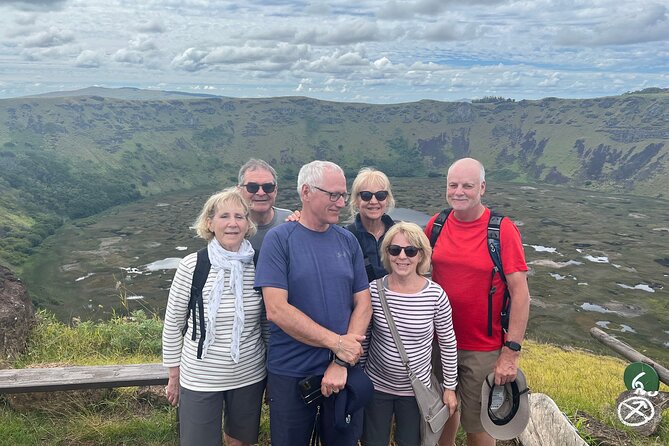
Rano Kau is short on the clock (about 20 minutes), but it plays a major role in understanding the island. You are at the large crater of an extinct volcano, with indentations that open out to the South Pacific.
That alone makes it a must. It helps you grasp the geographic isolation that shaped Rapa Nui life. The natural setting also gives your brain a break between dense archaeology stops.
Good news: admission is included for Rano Kau on this program. So if you are budgeting tickets, this is one less thing to worry about.
Potential drawback: because it is only about 20 minutes, you will not have time for a long linger unless your guide manages the group well. Bring water, wear sun protection, and be ready to move.
Orongo: the Bird-Man ritual village on the cliff edge
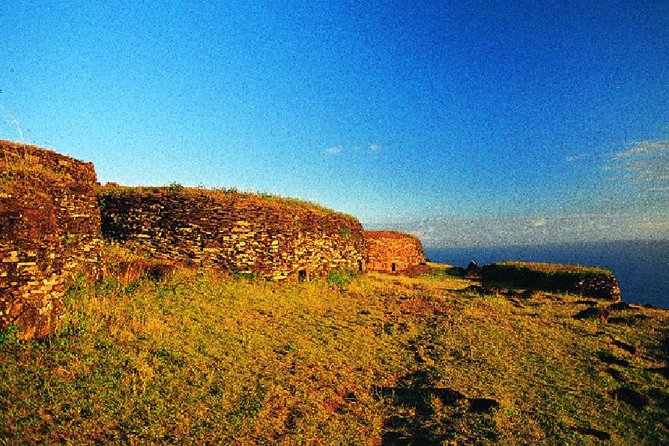
Orongo is where the tour shifts from moai authority to a different kind of ceremony. The stop centers on Tangata Manu, the Bird-Man cult, and the setting matters: the ceremonial village was built on the side of a cliff facing seabird islets.
You also learn how the religious authority of the year was linked to a quest for the first egg laid during the southern spring. That is a striking cultural detail because it shows how timekeeping, sea life, and leadership could connect.
A note on expectations: the village has been repeatedly restored. Restoration can make the structure easier to understand, but it can also mean the place feels more “reconstructed” than purely ancient rubble.
This is still one of the stops you will remember, especially if you like ritual landscapes, not just monuments.
Ahu Huri a Urenga: the four-handed moai and astronomy alignment
Ahu Huri a Urenga is brief (about 20 minutes), but it is one of the most specific stops on the list. It is restored and consists of a single platform with a single moai, and that moai is unusual: it is described as having four hands.
Even better for your understanding, the altar is also oriented astronomically. That detail gives you a way to interpret the “why” behind placement, not just the “what” of the platform.
Why this stop is worth your time: single-moai sites can feel less impressive at a glance, but they also reduce visual clutter. You focus on orientation, the carving style, and how the site layout guides meaning.
Puna Pau: hats, hairstyles, and red stone for style
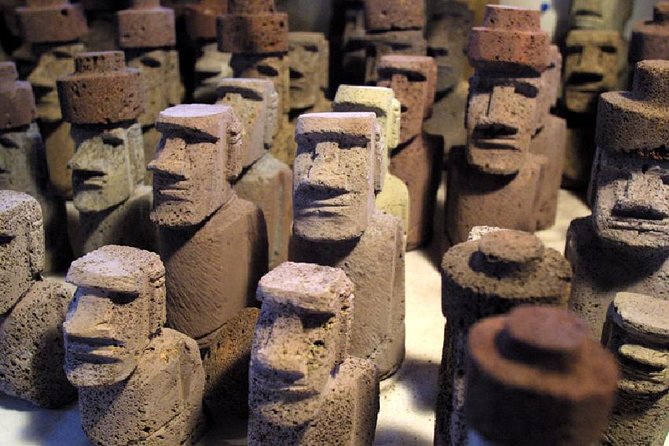
Puna Pau shifts the story from religion to aesthetics. You learn about Rapa Nui’s other “career,” using red stone for hats and hairstyles when moai gigantism alone was not enough.
This stop also gives you a panoramic view over the bay of Hanga Roa. That view works like a reset between heavier stops, and it helps you remember you are not trapped inside ruins. You are surrounded by the island that created them.
Admission is not included here, so if you are tracking the ticket, keep your timing and payment organized. Duration is around 30 minutes, which is enough for photos and a calm look.
Ahu Akivi: seven moai inland, facing the sea
Ahu Akivi is somewhat out of the village, well inland, which makes it more interesting than a coastal-only story. The restored platform holds seven moai, and they seem to be looking toward the sea.
Then comes another layer: it has a particular astronomical orientation. That means the placement is not accidental, even if your eyes initially think, “Why here inland?”
The mix of inland location plus sea-facing symbolism is a great teaching moment. It reminds you that Rapa Nui planners used geography and sky together.
Anakena Beach: the postcard coast with the best-preserved moai
Anakena Beach is on the other side of the island, opposite the only village, and it is described as where the first Polynesian settlers arrived. This is the stop where the tour turns scenic in the best way, with white sand, translucent water, and the only coconut grove of Easter Island.
The site is also completely restored, and the moai are described as the best preserved you can still admire. That matters because preservation affects how well you can see the carving and overall workmanship.
Duration is about 1 hour 30 minutes, which is generous compared to some other stops. You get time to enjoy the setting without feeling like you are only racing through.
Practical note: since admission is not included, plan to have your main ticket ready. Also expect sun and wind, and dress for both.
Ahu Te Pito Kura: the biggest moai, broken but still speaking
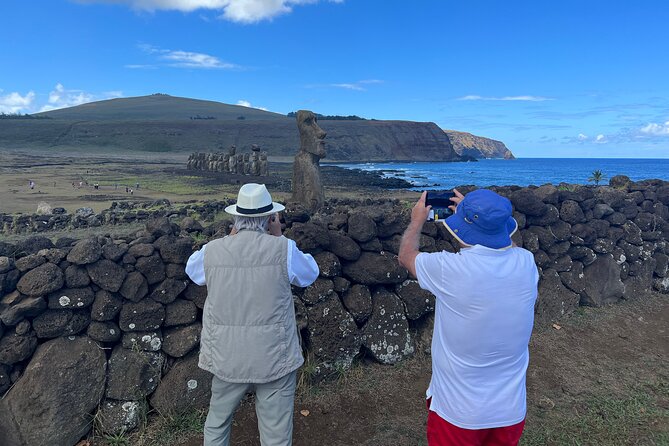
Between Anakena and the Poike peninsula in the northeast, you stop at Ahu Te Pito Kura. Here you see the largest moai raised on its altar.
You are told it was knocked down in the 19th century and broken in two, so the drama of the story is visible in the damage. Next to the platform, there is a stone with magnetic anomalies described as something that protects the giant stone.
This is a good stop for a different kind of curiosity: not only monument admiration, but also the “why do people think this matters” side of interpretation.
If you hate being moved along quickly, watch the timing since the stop is listed at about 30 minutes. Still, at this point you are likely to be ready for a shorter pause after the longer beach stop.
Papa Vaka and Pu o Hiro: petroglyphs and an aerophone stone
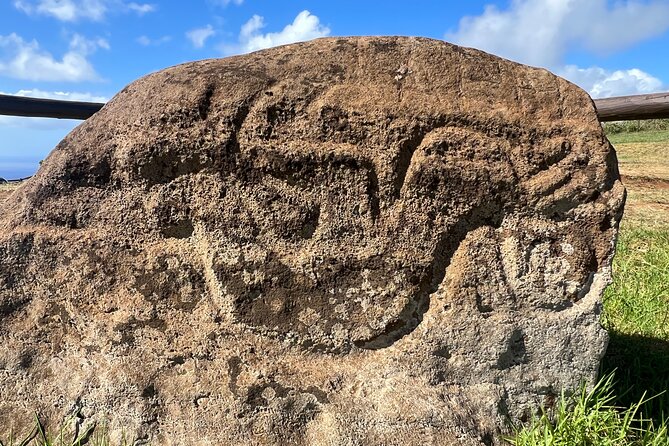
Papa Vaka is a short stop (around 20 minutes) on a basalt outcrop with petroglyphs. The theme here is marine life and fishery resources, with representations reminding you how essential the ocean world was in the Rapa Nui environment.
Then Pu o Hiro is just a few minutes, about 10 minutes, to appreciate an aerophone stone. Even though it is brief, it adds variety so the tour does not become only platforms and statues.
If you are someone who enjoys tiny details, these stops will feel like thoughtful extras. If you prefer major monuments only, they may feel quick, but they help fill in daily life and ritual sound with minimal time loss.
Rano Raraku: the moai quarry where the whole story starts
Rano Raraku is one of the most satisfying stops on the whole list. It is where almost all the stone giants were carved, and you will spend about 1 hour 30 minutes here.
The quarry is fascinating because you see hundreds of statues still there, which changes how you picture the moai. Instead of thinking only “finished monuments on platforms,” you get the production landscape, the place where the work began.
Admission is not included here, so your ticket plan matters. But once you are inside, the time is worth it. A quarry is also a natural “breather” because you can slow down and look without climbing on anything.
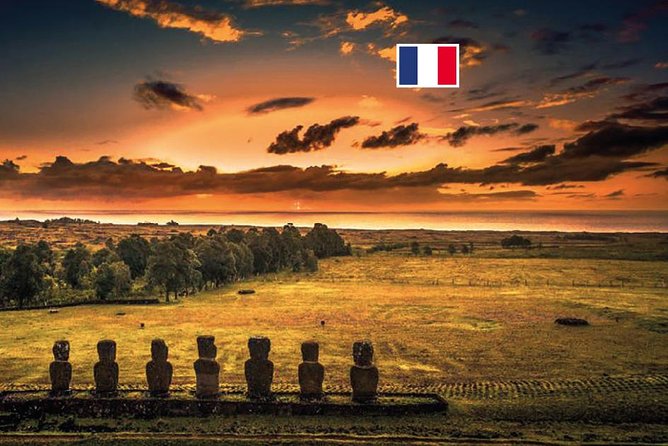
Ahu Tongariki: the restored line of 15 moai
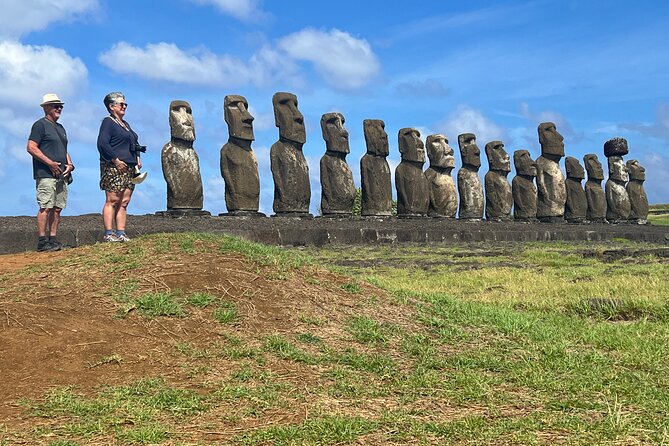
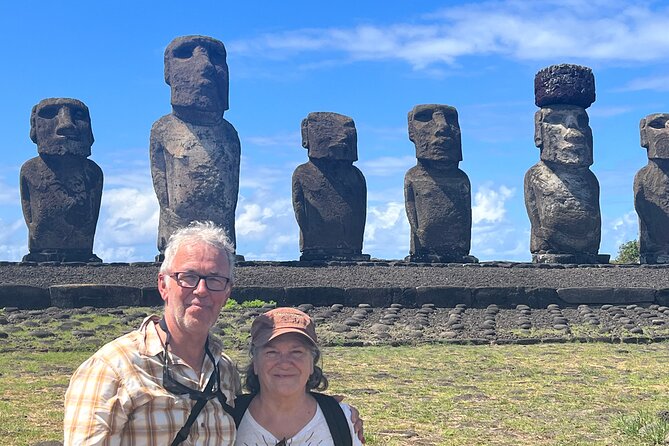
Ahu Tongariki is described as one of Polynesia’s architectural gems, and on the island it is a standout for restoration and scale. You see 15 moai facing visitors, and the site is noted for astronomical meaning, with special atmosphere during sunrises.
The stop is about 1 hour, so you do not linger all day, but you do get the structure and the rhythm of the scene. This is also one of those places where you can feel the tour’s theme come together: sky, stone, power, and placement.
If you are sensitive to crowds or want quiet, plan your photo timing. The site is popular by nature, but with a private group you should have more control than a large public tour.
Price and logistics: what you’re really paying for
The listed tour price is $330.40 per person, for roughly two days, with private transport in a vehicle and private guided tours in English (also available in French or Spanish). Group discounts are mentioned too, and averages show it is booked about 99 days in advance, so earlier planning helps.
Now the big budget item: the entrance ticket is not included. The ticket is $80 USD per person for entry valid for 10 days and for all sites. For kids 7 to 12, it is $40 USD. Because your schedule spans two days and includes multiple sites, this ticket usually makes sense rather than buying individual entries.
One site is a partial exception: Rano Kau admission is included. You can treat that as a small offset, but you still should budget for the main ticket for the rest.
Lunch is not included either, but you get a free lunch setup described as a choice of excellent small restaurants in Hanga Roa. That can be a real value add because it gives you local options without locking you into one meal at one place.
So is the $330.40 price “worth it”? If you care about learning, and you want private pacing rather than shared crowds, the math usually works. You are paying for transport across a spread-out island plus guiding at many stops, including the moai quarry and the restored ceremonial platforms where context matters.
Who should book this, and who might want a different fit
Book this tour if you want a full archaeology sweep of Rapa Nui that connects monuments, rituals, and the island’s geography. It is also a strong choice if you appreciate astronomy orientation details and want someone to explain what those alignments might mean.
It is also ideal for people who like that “big and small” mix. You get both restored showpieces and less-restored sites like Ahu Akahanga, plus the clay-and-stone production story at Rano Raraku.
Consider a different option if you want only the most famous moai photos and would rather move faster with fewer context stops. A few sites here are short and detail-focused, like Pu o Hiro.
A quick note on the vibe: archaeology plus calm
The two-day structure gives you time to feel the island, not just rush it. Between cliff views at Orongo, crater perspective at Rano Kau, and the long pause at Anakena Beach, the experience has room for both meaning and breathing space.
That combination is a big reason people love this kind of itinerary. You come away not only impressed, but also calmer and more aware of how separate Easter Island feels from the rest of the world.
Should you book AROHA TOURS RAPA NUI’s T3+T4 program?
If you want a private, guided, archaeology-heavy tour with a lot of stops that actually explain what you are seeing, I think this is a good booking. The inclusion of private transport and the careful mix of sites helps you understand Rapa Nui as a system, not a set of disconnected monuments.
Do it if you can handle the entrance ticket add-on and you are okay with a packed schedule across two long days. This is not a slow stroll daydream. It is a focused island education with strong scenic breaks.
If you want a simple beach-only trip, or if you dislike paying extra for site entry, you might want to compare other options.
FAQ
What is the tour price per person?
The price is listed as $330.40 per person.
How long is the tour?
It is listed as approximately 2 days.
Where does the tour start and how does pickup work?
Pickup is offered. You meet at 9:30 am on day one, and the pickup details list day two pickup at 9:15 am. The provider states they will pick you up from your accommodation location (hotel, residence, guesthouse, or campsite).
What’s included in the price?
Included items are transport in a private vehicle and private guided tours offered in French, English, or Spanish. The program also notes Rano Kau has admission ticket included.
Do I need an entrance ticket?
Yes. An entrance ticket is not included and costs 80 USD per person (7 to 12 years old: 40 USD). It is valid for 10 days and for all sites.
Is this a private tour just for my group?
Yes. This is a private tour, and only your group will participate.
When will I receive confirmation after booking?
Confirmation is received within 48 hours of booking, subject to availability.
What happens if I cancel or change plans?
The experience is non-refundable and cannot be changed for any reason. If you cancel or ask for an amendment, the amount you paid will not be refunded.
Freshly reviewed in Hanga Roa
- Astronomical Tour on Easter Island★ 3.5 · 3 reviews
- Full day Private Tour: Poike Walk through the abandoned area★ 4.5 · 3 reviews
- T1-THE GRAND TOUR (non-cruise visitors)★ 5.0 · 3 reviews
- 4-Days Trip to Discover Easter Island★ 4.0 · 3 reviews
- Private 2 Days Essential Tour of Easter Island★ 5.0 · 4 reviews
- T2-THE MUST-HAVES OF RAPA NUI (non-cruise visitors)★ 4.5 · 4 reviews
- Private Tour: Easter Island Caves★ 4.5 · 4 reviews
- Private Tour: The Highlights of Easter Island★ 5.0 · 4 reviews
Cruises & Boat Tours, compared.

Torres del Paine: 3-Hour Scenic Boat Tour to Grey Glacier
Read our review →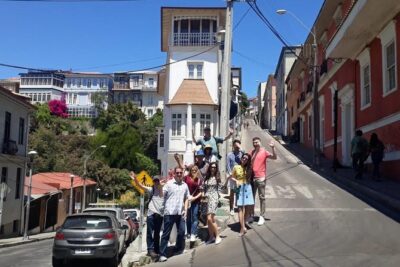
San Antonio after Cruise tour to Valparaiso and Casablanca Drop off in Santiago
Read our review →
Magdalena Island Penguin Tour by Boat from Punta Arenas
Read our review →
Transfer to San Antonio port prior cruise with tour in Valparaiso and Casablanca
Read our review →
Balmaceda & Serrano Glaciers Boat Tour and traditional lunch.
Read our review →Magdalena Island Penguin Tour by Boat from Punta Arenas
Read our review →
Private Cruise Transfer : Santiago → Valparaiso or San Antonio
Read our review →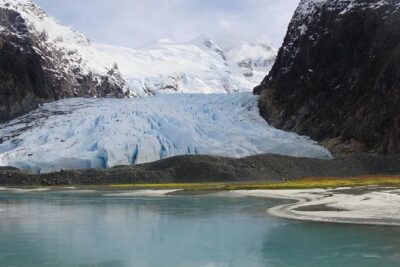
Balmaceda and Serrano Glaciers Sightseeing Cruise from Puerto Natales
Read our review →Browse the lists this tour appears in