
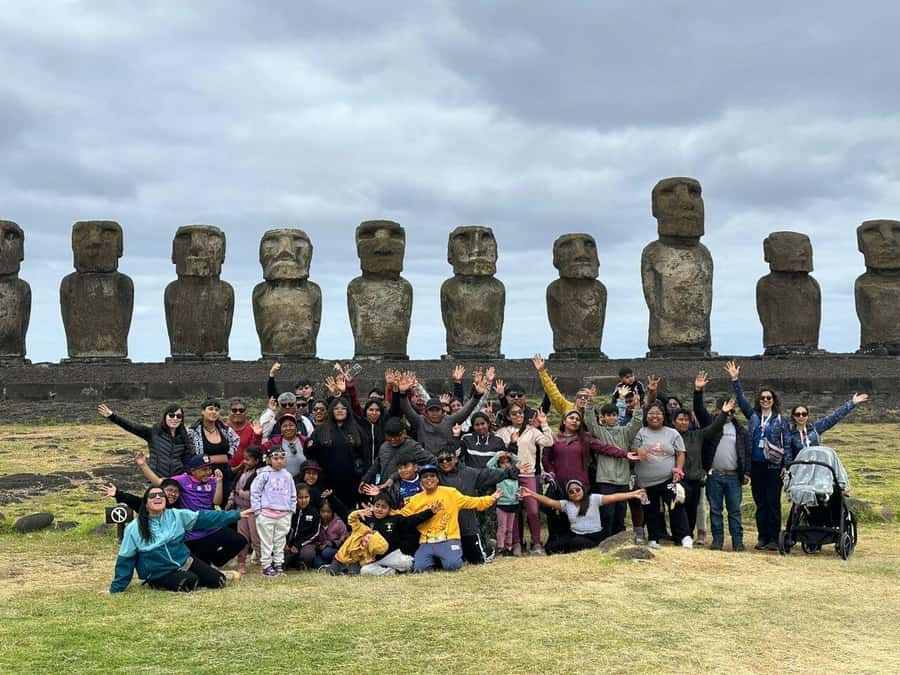
Reviewed · 3-DAY EXPERIENCES
Rapa Nui Dreams: Experiencie Pack 3 Days
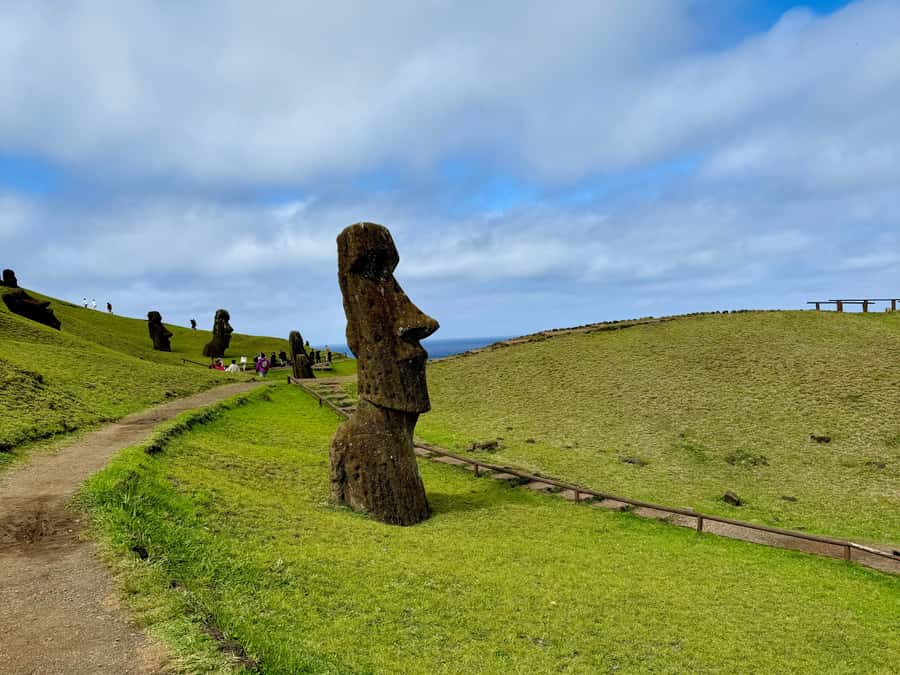
Rapa Nui is the kind of place that gets under your skin, and this 3 day package tries to do that in a practical way. You get set itineraries across the island, guided context for the moai sites, and a mix of monuments plus everyday culture.
What I like most is the focus on Ahu Tongariki sunrise, including the 15 moai view at dawn, plus a dedicated Ancestral Curanto ceremony that shows how local food is cooked. One thing to consider is that pickup and timing are built around shared transfers, so it can take a while to collect everyone, and a full day means a lot of walking on uneven ground.
Key highlights you can plan around
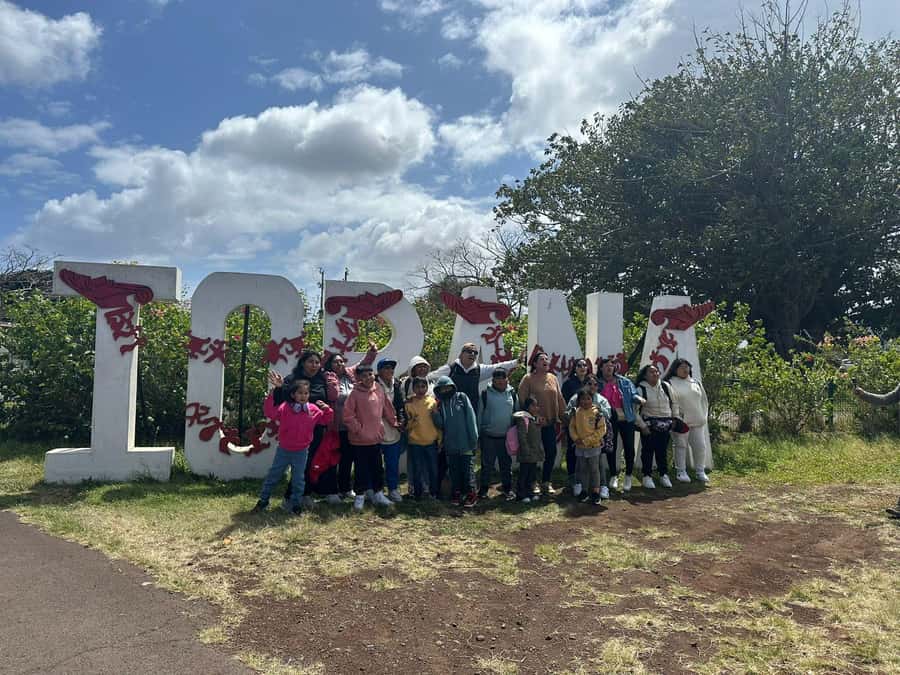
- Tongariki sunrise at dawn with the 15 moai backdrop, weather dependent
- Two full guided island days covering Vaihu, Akahanga, Rano Raraku, Orongo, Vinapu, and more
- Curanto ancestral ceremony plus an introduction to local food preparation
- Ceremonial Rapa Nui dance and ancestral prayers as part of the cultural programming
- Small group size (max 15) with a local certified guide in English or Spanish
- Transfers included for people staying in the central sector of Hanga Roa
Why Rapa Nui Dreams feels like a good fit for a tight 3 days
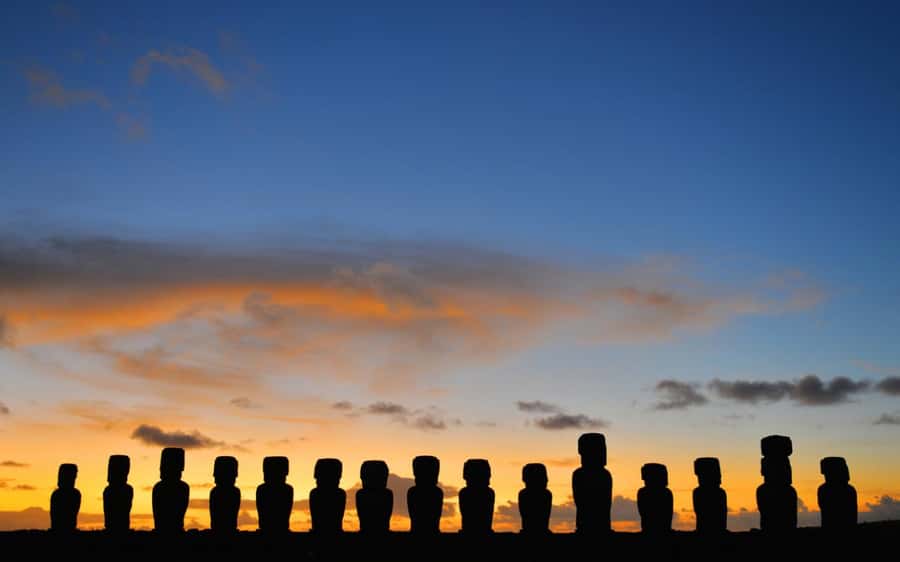
This package is interesting because it treats Easter Island like one connected circuit, not a grab-bag of photo stops. You are moving around the island in two structured blocks, then adding the special early-morning Tongariki moment. That matters, because Rapa Nui sites can be spread out, and doing them efficiently helps you spend your energy on the sights, not on logistics.
I also like that the experience is not just monuments. You get the cultural food element through Curanto and you also get evening programming with Rapa Nui dance and ancestral prayers. Even if you have only a passing interest in the history, these parts give you a more human feel for the island.
The possible drawback is physical and timing related. The itinerary includes multiple stops, some with uneven trails and cave-like areas. While the tour is listed as wheelchair accessible, the same information also says it is not suitable for people with mobility impairments, so it is worth checking what your specific movement needs are before you book.
A few more Hanga Roa departures to weigh up
- From Hanga Roa: Rapa Nui Culture Sightseeing Tour
★ 4.6 · 307 reviews - From Hanga Roa: Easter Island Highlights 2-Day Tour
★ 4.3 · 205 reviews - Full Day Tour in Rapa Nui
★ 4.5 · 122 reviews
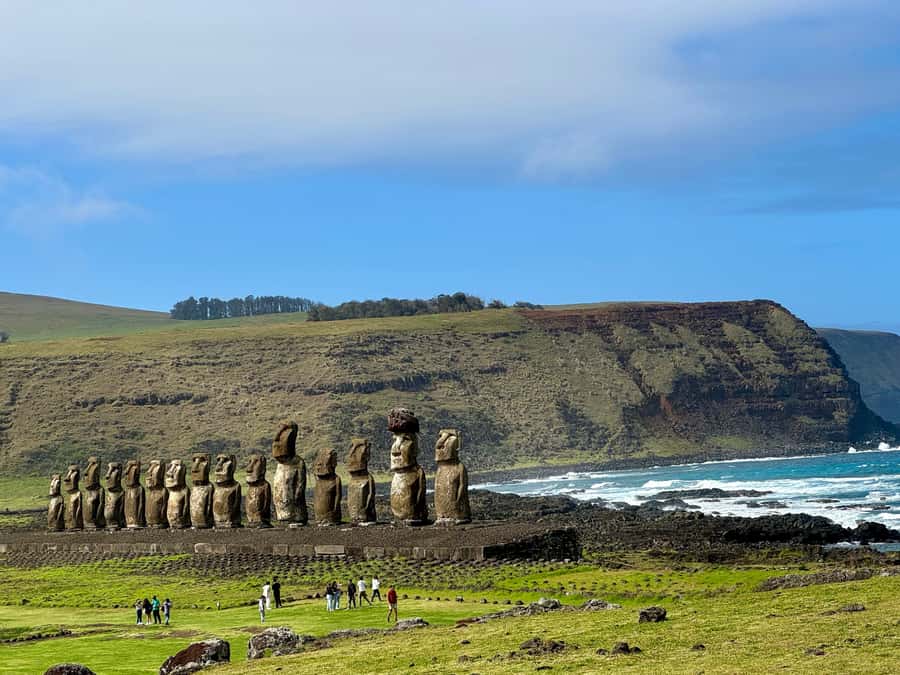
Sunrise at Ahu Tongariki: the 15 moai moment you should not rush
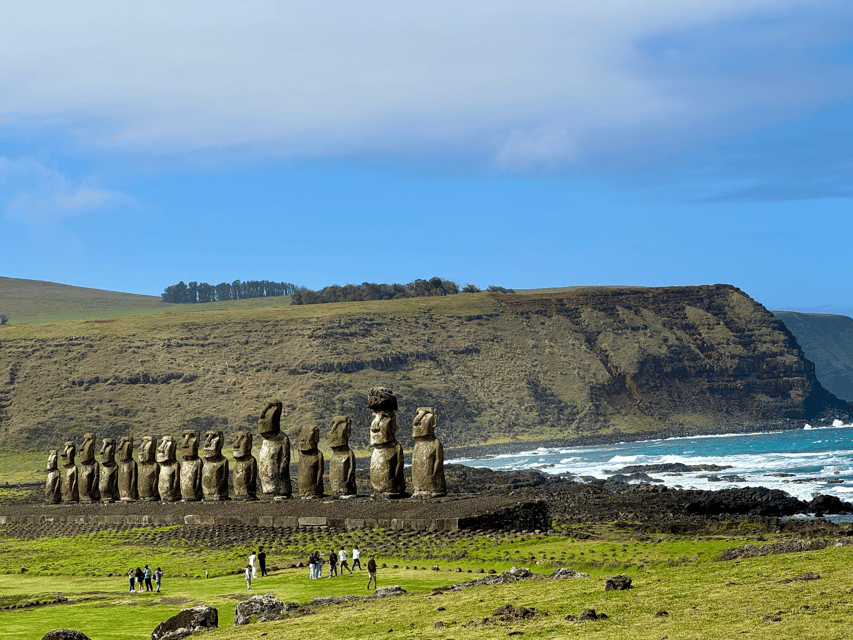
Ahu Tongariki is where the island flexes its dramatic side. Your sunrise route is designed to get you in place early enough to watch the light move behind the 15 moai statues. The route is explicitly subject to weather, so you should treat the sunrise as a “do your best” moment, not a guaranteed movie scene.
What you can expect is a dawn start, then a finish that leaves you time later in the day. In real life, one guest found the tour wrapped by around 9 am, which is perfect if you want a slower lunch, a nap, or a revisit to the beach areas of Hanga Roa without rushing. If sunrise is your priority, this is the part of the schedule that most clearly justifies a 3 day package.
Practical tips for this morning:
- Bring camera gear and keep it accessible, because you will want quick shots as the light changes.
- Wear layers. Rapa Nui mornings can feel cool, and you will be up early.
- If weather looks iffy, stay flexible. The route is weather dependent, and you will want to follow the guide’s call.
Day One: Vaihu, Akahanga, Rano Raraku, and the classic moai circuit
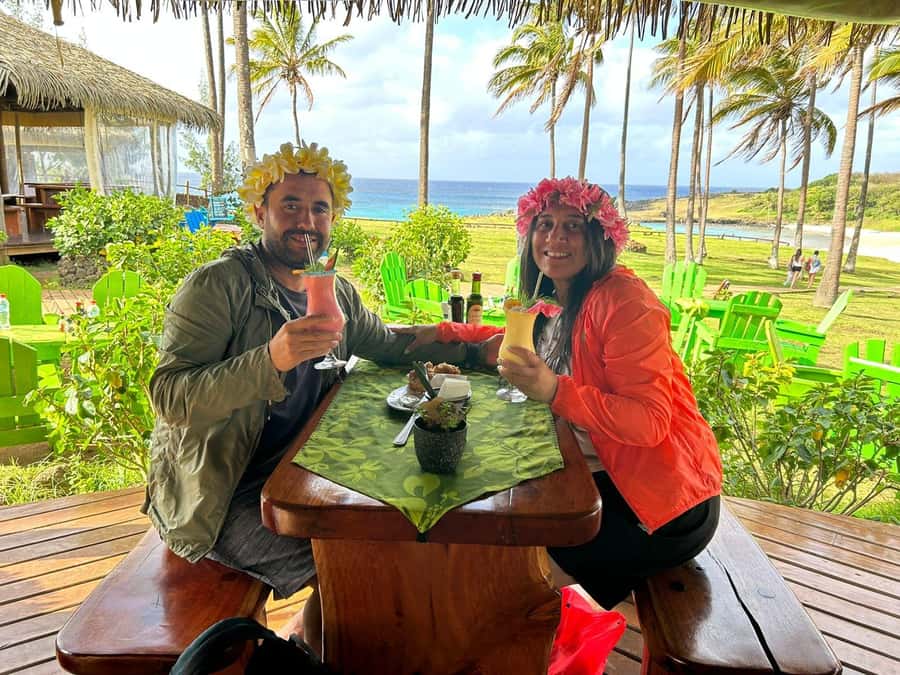
Day one is built around the best-known visual sweep of Rapa Nui. You will visit Vaihu, then Akahanga, then Rano Raraku, Ahu Tongariki again as part of the broader day plan, plus Te Pito Kura and Ahu Nau Nau, finishing at Anakena.
Here is what those stops mean for your experience.
Vaihu and Akahanga give you that “settlement and rock backdrop” feeling. Instead of only seeing moai on platforms, you get a sense of the wider setting these statues belong to, including how the volcanic terrain shapes where people built and lived.
Then you reach Rano Raraku, the famous quarry area. This is where the story behind the stone starts to make sense visually. Even if you already know the basics, being on site helps you connect the dots between how these carvings were made and what the island geography makes possible.
Next is Ahu Tongariki again within the full day programming. Yes, you already have the sunrise experience there, but having it on a full day gives you another angle: more time to look, more chance to understand how the platform sits in the setting, and less pressure to get perfect photos in a narrow dawn window.
Te Pito Kura and Ahu Nau Nau add variety. You are not only chasing large platforms. You are building a mental map of how different ceremonial spots were used, and how the island’s spiritual landscape is laid out in distinct points.
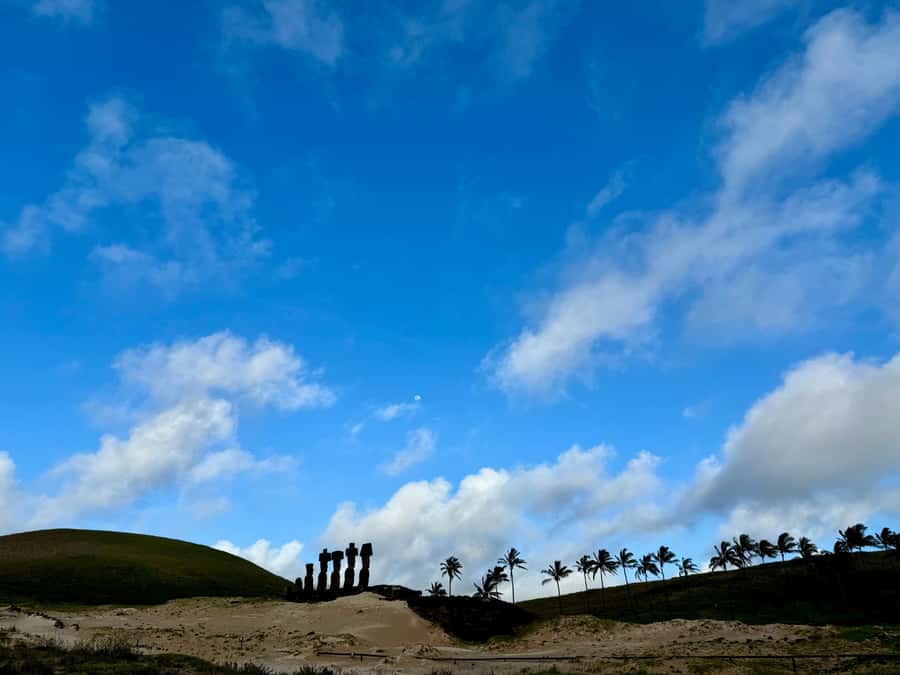
Finally, Anakena is a great closer for day one. It is a beach stop that naturally slows your pace. It also works well psychologically, because after a day of sites and stone, you get a visual break with water and sand.
Main consideration for day one: it is a lot of stops in one day. Comfortable shoes matter. Rapa Nui is not the place for stiff, blister-prone footwear.
Day Two: Rano Kau, Orongo, Vinapu, Ahu Akivi, and the cave circuit
Day two shifts the focus from classic platform viewing to volcanic features, a different ceremonial area, and several cave stops. Your itinerary includes Rano Kau, Orongo, Vinapu, Ahu Akivi, Ana Vai Teka, Ana Tapa Iri, Ana Ohoka, and Ana Te Pahu.
This is the day that feels most “hands-on” for understanding how varied the island is. You go from big views to smaller, more specific structures and natural features.
Rano Kau is your introduction to the island’s volcanic character from another angle. Then Orongo brings you into a ceremonial zone with a stronger sense of place and purpose, because you are moving through an area that feels tied to the island’s cliffs and viewpoints.
Vinapu is a visual change of pace. If you like architecture and stonework, this is one of those stops that can make the whole trip click, since it gives you something you can compare to other sites you have already seen.
Then you reach Ahu Akivi, which helps rebalance the day. It is another platform moment, but positioned so you can see how the island’s sacred points relate to each other around the island.
After that, you get the unique cave sequence. You will visit:
- Ana Vai Teka
- Ana Tapa Iri
- Ana Ohoka
- Ana Te Pahu
Those cave stops are exactly the kind of detail that can get skipped if timing runs tight or if a guide’s language causes confusion. So if caves are part of why you booked, pay attention to what is planned during the day and ask questions. The route is designed to include them, so your best move is to stay engaged and confirm you are moving through the listed stops as promised.
One more note based on real-world experience: pickup and guide assignments can vary. If day two is the day you most care about, take a few minutes during the transfer to make sure you understand what each stop is for. That usually fixes any early-day ambiguity.
The other half of a Hanga Roa week:
- 2-Day Private Tour Easter Island Highlights Complete Discovery
★ 5.0 · 110 reviews - Private Full-Day Easter Island Highlights North and West
★ 5.0 · 84 reviews - From Hanga Roa: Journey from Orongo to Ana Te Pahu
★ 4.3 · 75 reviews - Journey of the Ancestors: Tongariki, Rano Raraku & Anakena Beach
★ 4.5 · 70 reviews
Curanto ancestral ceremony, Rapa Nui dance, and buffet dinner that actually lands
This is where the package goes beyond sightseeing and gives you something you can feel. The Ancestral Curanto ceremony is a traditional cooking introduction. You get the ceremony plus an introduction to preparation of local products cooked the traditional way.
Even if food ceremonies are not usually your thing, Curanto has a strong value because it turns the island into something you can experience through taste and process. You are not only learning about the past, you are seeing how the island keeps traditions alive through everyday culture.
Then the evening includes ceremonial Rapa Nui dance and ancestral prayers. The point here is not just entertainment. It is a live window into cultural expression, and it pairs well with everything you saw earlier in the day. When the dancing and prayers connect back to what you just learned at the sites, the trip feels more coherent.
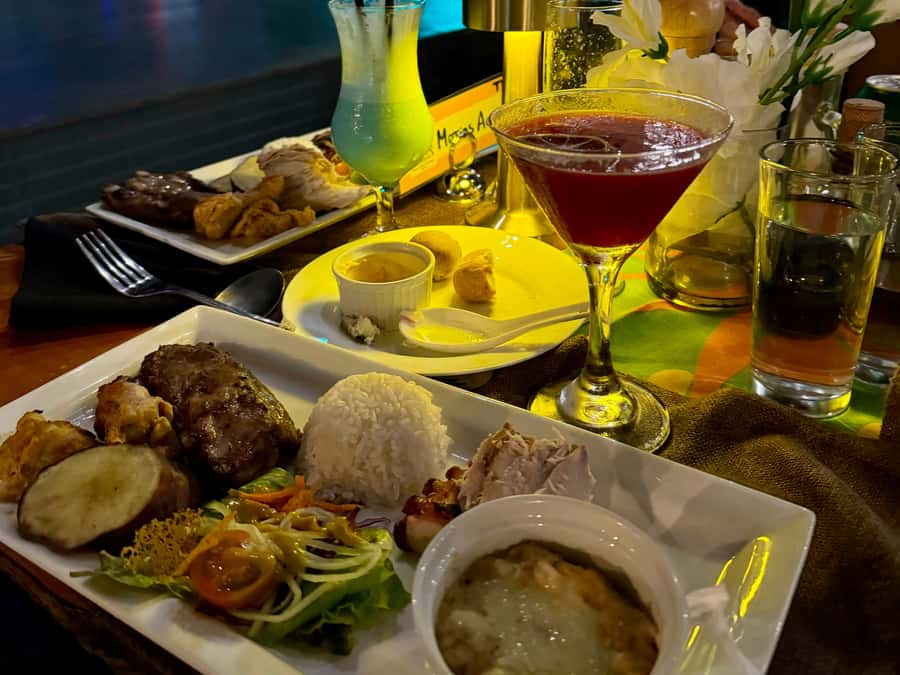
Dinner is a buffet style meal. You can choose between chicken and ribs, and drinks are not included. If you have dietary needs, this is one area where you should ask ahead or check details with your operator, because the provided info only specifies the main items and says drinks are excluded.
A practical expectation: island festivals can affect evening programming. During special periods like Tapati, evening plans can shift, and the provider may swap in an alternative activity you can choose. So if you travel during festival season, think of this portion as flexible by design, not as something guaranteed to look exactly the same every night.
Price and logistics in plain terms: what you pay for, and what can go off schedule
The price is $375 per person for 3 days. For Rapa Nui, that is the kind of rate you pay to reduce friction: guided transport, a local certified guide, set daily circuits, and included transfers for people staying in the central sector of Hanga Roa.
You are also paying for time efficiency. Easter Island has limited daylight, and travel between sites takes time. A small group format helps keep the pacing workable, and a guide helps you understand what you are looking at so it feels more than scenic driving.
About the transfers: transportation is included for accommodations in the central sector of Hanga Roa. Pickup is included too, and you wait at the entrance about 10 minutes before the pickup. Pickup timing is shared by WhatsApp, and it can take approximately 1 hour because they are collecting multiple people.
Here is the balanced view: the best version of this package runs smoothly, and guests have praised the organization, transport, and guides. But shared pickup means delays can happen, and you should expect that the first day could feel slower while everyone is gathered. Your best defense is communication. If you keep your WhatsApp contact ready and follow the timing messages, you reduce surprises.
Group size is capped at 15 participants, which is a big deal on Rapa Nui. It generally means you get easier guidance and fewer people fighting for attention in photo stops.
What’s not included, and how to plan for it without stress
Two items stand out as not included:
- Entrance to Rapa Nui National Park (about 80,000 Chilean pesos)
- Lunch
That means your day plan includes a lot of active time, and you will likely want to bring your own lunch solution. Since lunch is not included, plan snacks and water so you are not stuck hungry between stops. The tour includes dinner and a buffet meal, so you are not facing all-day meals on your own, but the midday gap is your responsibility.
Also, remember the park entrance fee is separate. If you want zero friction at entry points, plan to budget for it and bring whatever you need based on how the operator handles the paperwork and payment on the ground.
What to pack and how to stay comfortable on Rapa Nui
This is not a “forget everything and wing it” destination. Bring:
- Camera
- Sunscreen
- Rain gear
- Comfortable clothes
The climate is described as rainy subtropical, so pack for sun and for sudden wet weather. Even when rain showers do not last, wet ground can make trails slippery and change how comfortable walking feels.
You also need to follow basic site rules:
- No littering
- No feeding animals
And on the human side, respect the island culture and the limits of the trails. On Rapa Nui, trails are part of how the sites are protected, and staying within boundaries is also how you avoid turning the trip into a rushed scramble.
If you are altitude sensitive, note that it is listed as not suitable for people with altitude sickness. Rapa Nui’s conditions can affect individuals differently, so if you know you react to altitude, treat that warning seriously.
Who should book Rapa Nui Dreams Pack 3 Days, and who might choose something else

This package is a good match if you want:
- A guided way to see a lot of the island with less planning
- Early sunrise priority at Tongariki
- A cultural add-on beyond monuments, like Curanto and the dance program
- A small group pacing so you are not stuck in a huge bus crowd
You might think twice if:
- You need step-free, minimal-walking access. Even with the wheelchair listing, the tour is also marked not suitable for mobility impairments, and the itinerary includes multiple trail and cave-type stops.
- You only want a lighter, less structured experience. This schedule is full. If you prefer a slower rhythm, you might want fewer days or a different format.
Finally, if you have your heart set on a specific type of stop, like the cave sequence, communicate early and stay attentive to the day’s flow so you do not miss the details you booked for.
Should you book this 3 day package?
I would book it if your goal is to get a lot of the island’s top sites plus culture in a tight timeline, and you like having a guide that can explain what you are seeing while you focus on the views. The Tongariki sunrise, the Curanto ceremony, and the small group size are the big reasons this feels like real value, not just transport.
I would hesitate only if mobility limits are a concern for you, or if you hate the idea of shared pickup timing and a full packed schedule. If those risks fit your style, Rapa Nui Dreams is a solid way to experience Easter Island with structure, care, and enough cultural texture to make it memorable.
FAQ
Is the Rapa Nui National Park entrance included?
No. Entrance to Rapa Nui National Park is not included and is listed at approximately 80,000 Chilean pesos.
What is included in the 3 day package?
You get guided visits across both full day experiences, the sunrise Tongariki route, the Ancestral Curanto ceremony, ceremonial Rapa Nui dance and ancestral prayers, a buffet dinner (drinks not included), and transportation for activities for accommodations in the central sector of Hanga Roa. A local certified guide is included too.
Do I get lunch during the tour?
Lunch is not included.
What language are the tours in?
The live tour guide is listed as available in English and Spanish.
How does pickup work?
Pickup is included. You wait at the entrance about 10 minutes before pickup. Pickup time is sent by WhatsApp, and it may take approximately 1 hour because they pick up multiple people.
Is the Tongariki sunrise included, and is it guaranteed?
Sunrise at Tongariki is included. The route is subject to weather conditions.
Is it wheelchair accessible?
The information lists the tour as wheelchair accessible, but it also states it is not suitable for people with mobility impairments. If you have mobility needs, confirm with the operator before booking so you understand how the day’s walking and trail limits will affect you.
Freshly reviewed in Hanga Roa
- Astronomical Tour on Easter Island★ 3.5 · 3 reviews
- Full day Private Tour: Poike Walk through the abandoned area★ 4.5 · 3 reviews
- T1-THE GRAND TOUR (non-cruise visitors)★ 5.0 · 3 reviews
- 4-Days Trip to Discover Easter Island★ 4.0 · 3 reviews
- Private 2 Days Essential Tour of Easter Island★ 5.0 · 4 reviews
- T2-THE MUST-HAVES OF RAPA NUI (non-cruise visitors)★ 4.5 · 4 reviews
- Private Tour: Easter Island Caves★ 4.5 · 4 reviews
- Private Tour: The Highlights of Easter Island★ 5.0 · 4 reviews
3-Day Experiences, compared.


5 Fantastic Tours in the Atacama Desert in 3 Days
Read our review →
Atacama All inclusive 3 Days / 3 Nights / 3 Tours + Lodging
Read our review →Browse the lists this tour appears in