
Reviewed · STARGAZING & ASTRONOMY TOURS
Milky Way Sanctuary Stargazing Tour at Pangue Observatory
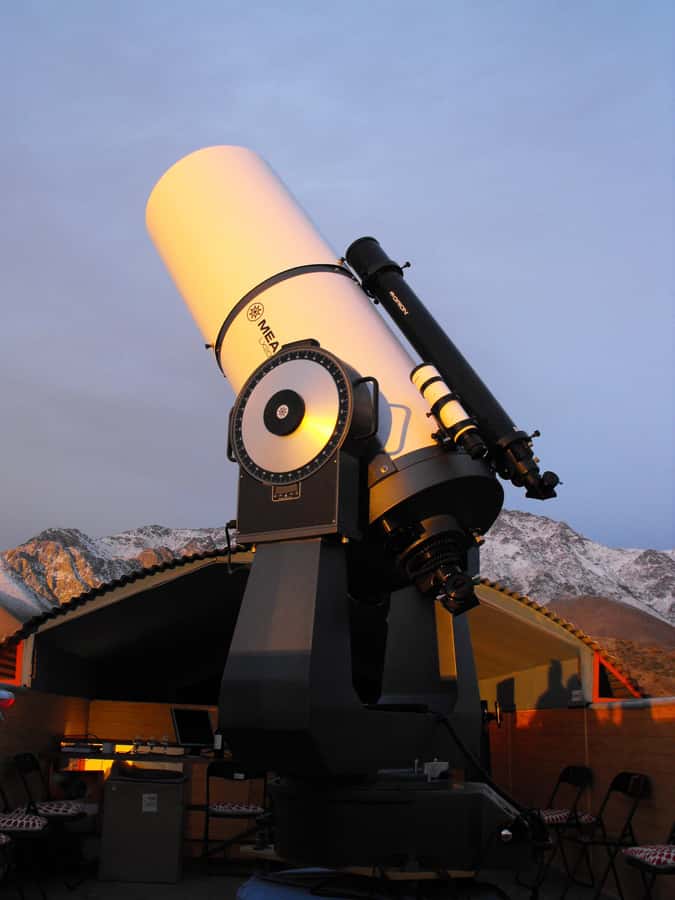
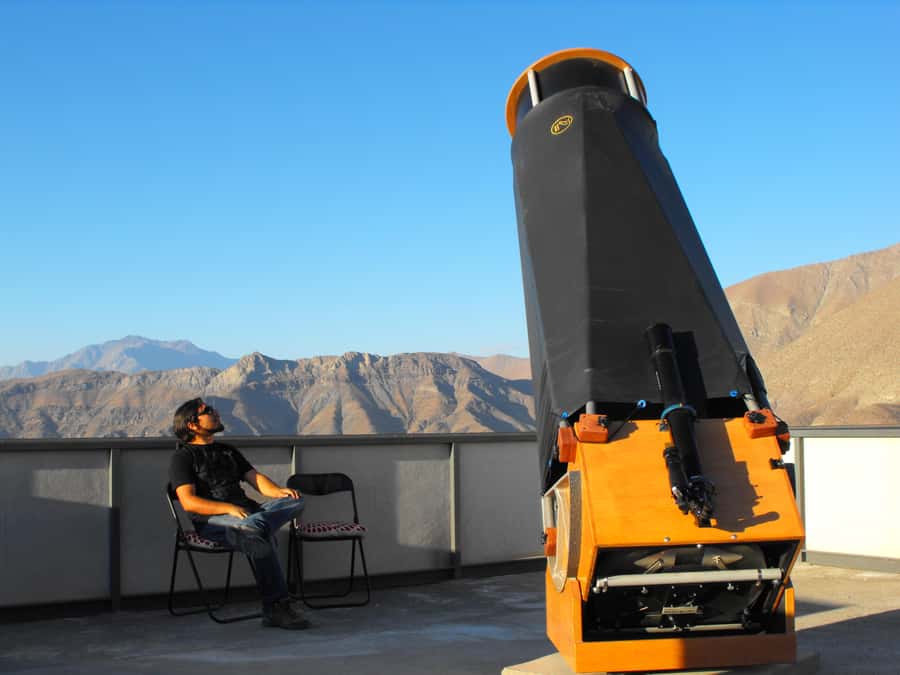
Stargazing is one thing. Stargazing under Chile’s Gabriela Mistral Dark Sky Sanctuary, where the sky stays clean and crisp, is another. This Pangue Observatory tour pairs that dark-sky setting with serious optics, including 16 and 25 inch telescopes designed for detailed views.
I especially like two things about this experience. First, you get an exclusive, up-close guided night at altitude, not a crowded cattle-call. Second, the guides and staff help you make sense of what you are seeing, and Cristobal is specifically mentioned as knowledgeable and accommodating. One consideration: it is not suitable for wheelchair users.
Key highlights you’ll remember
- Dark Sky Sanctuary skies in the Elqui Valley, with very dry, clear conditions
- 16 and 25 inch telescopes plus advanced eyepieces for detailed views
- More than 10 objects in one focused evening, across planets, nebulae, clusters, and more
- Small group size (up to 8) so you can ask questions and switch targets
- Moonlight awareness, since the tour is not run close to full moon
- Comfort breaks at Pangue, including coffee plus water or tea in a small seating area
Pangue’s dark skies and the observatories you can see
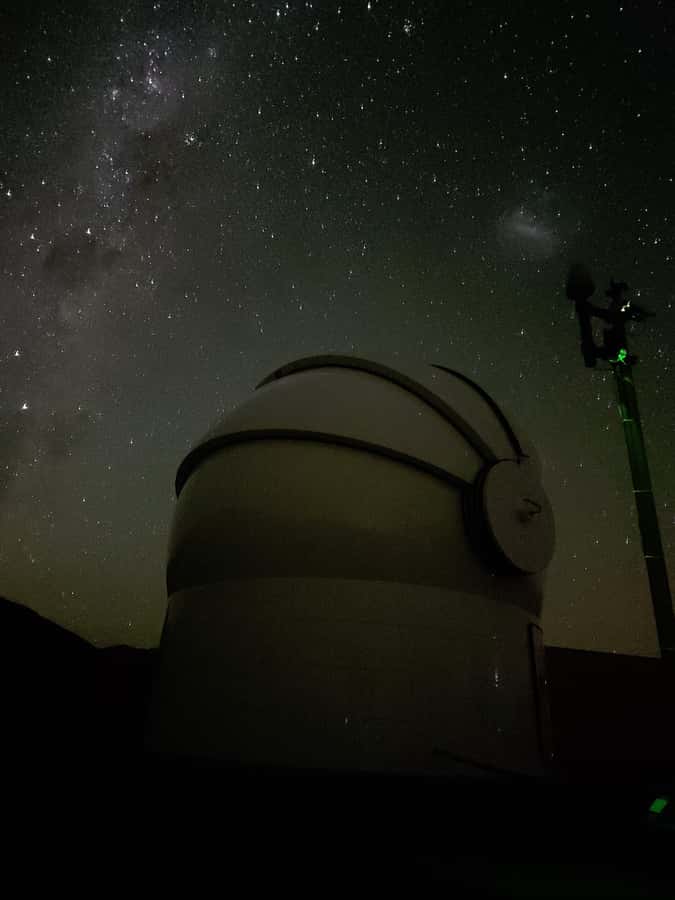
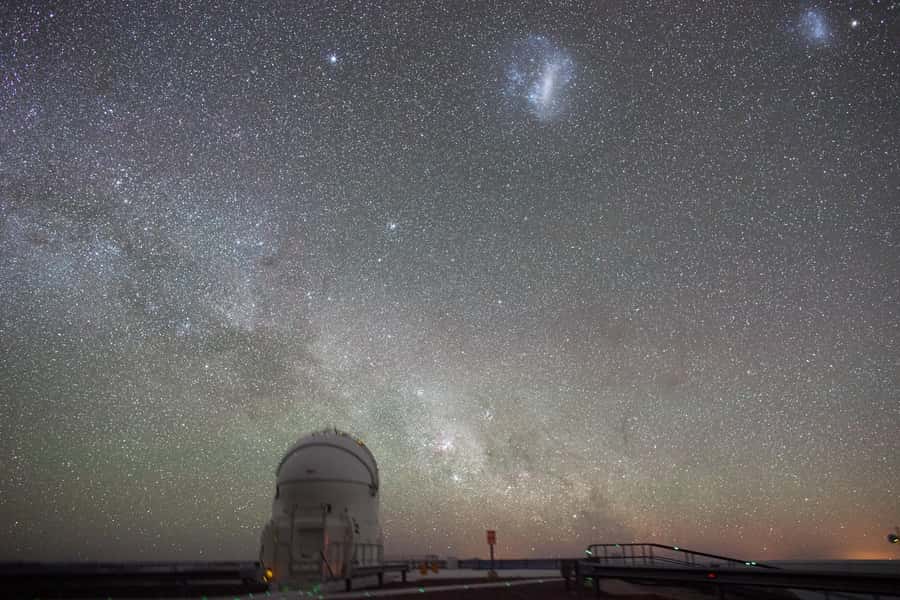
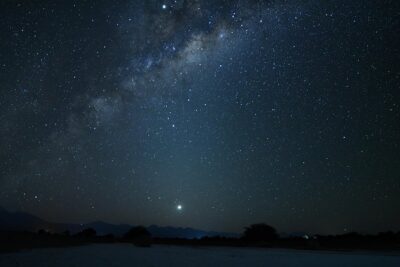
What makes Pangue special is not just that it is a stargazing stop. It is in the Elqui Valley at about 1,500 meters in the preandean mountain range, under the Gabriela Mistral Dark Sky Sanctuary. The setting matters because dark-sky places live or die by transparency, dryness, and clarity, and this one is built around those exact conditions.
There is also a rare sense of being on the edge of serious astronomy. Pangue sits in front of well-known facilities like Tololo, SOAR, Gemini, and Vera Rubin observatory, which is described as having the most powerful digital camera in the world. Even if you are not a tech nerd, it adds weight to the experience, like you are watching science happen in real time.
Other nights under the desert sky:
- Astronomical Observation Milky Way Sanctuary Pangue Observatory
★ 3.5 · 7 reviews - San Pedro de Atacama: Etno-Stargazing Tour with Transfer
★ 4.8 · 629 reviews - The Roofless Experience San Pedro de Atacama Stargazing Tour
★ 5.0 · 522 reviews
From La Serena to Vicuña, then up to Pangue
The tour starts with pickup in La Serena, or near it, with the team waiting at your accommodation reception. Then you head out with a scenic drive and a first stretch of travel that sets expectations: this is a half day, not a quick stop, and you are going somewhere higher and darker.
You also get a short break in Vicuña, with a visit and a little free time. In practical terms, this is where you can use the bathroom and reset your comfort level before the sky work starts. Even 15 minutes helps when you know you will be outside during evening light changes.
On the way back, you go through Vicuña again for a bus segment and then continue back to La Serena. The pacing is steady, and it keeps the stargazing window focused instead of feeling rushed.
Sunset at Pangue, plus the comfort of a small group
Once you reach Pangue, you get a guided visit and sunset time, plus scenic views along the drive. The visit portion is not just sightseeing. It helps you shift your brain from daylight expectations into the slower rhythm of looking carefully, letting your eyes adjust and letting the guide point out what matters.
A big part of why this works is the group size: no more than 8 people. In a small group, the guide can manage the flow between targets, and you are more likely to get your questions answered without waiting your turn forever.
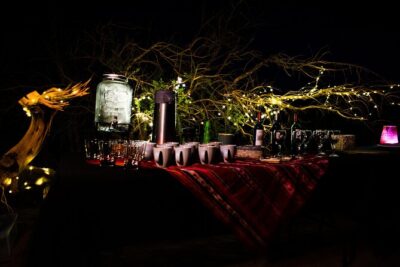
There is also a small coffee area at the observatory with comfortable seats. You get free coffee, water, or tea for visitors. That matters more than it sounds when you are out at night, because comfort keeps you alert, patient, and willing to keep looking.
The telescopes and eyepieces that make the night feel real
This is where the tour earns its price. The observatory uses advanced eyepieces and large telescopes, including 16 inch and 25 inch instruments. With that kind of gear, you are not just seeing bright dots. You are meant to view objects with enough detail to recognize what category you are looking at, and to understand why astronomers care about them.
The evening is built around an exclusive, specialized observation of several stellar objects, listed as more than 10. The guide works through targets like planets, nebulae, clusters, galaxies, and objects tied to stars at different life stages, including massive blue stars and red dwarfs. The goal is to show variety, not repeat the same view on loop.
If you want concrete examples, one set of observations includes Mars, Saturn, and Jupiter, with clear views through the telescopes. There is also mention of seeing a supernova and a dying star. Those are the kinds of moments that make people call this a once-in-a-lifetime night, because they shift the sky from decoration into something alive and changing.
A few more La Serena departures to weigh up
- Elqui Valley Tour: History and Flavors (NOT FOR CRUISES)
★ 5.0 · 139 reviews - Elqui Valley and Vicuna Private Tour Including Lunch
★ 4.5 · 18 reviews - Classic Elqui Valley (Between vineyards and fruit trees)
★ 5.0 · 16 reviews - Sailing and Hiking Isla Damas : Humboldt Penguin Reserve
★ 4.0 · 13 reviews
What you can expect to see in the sky
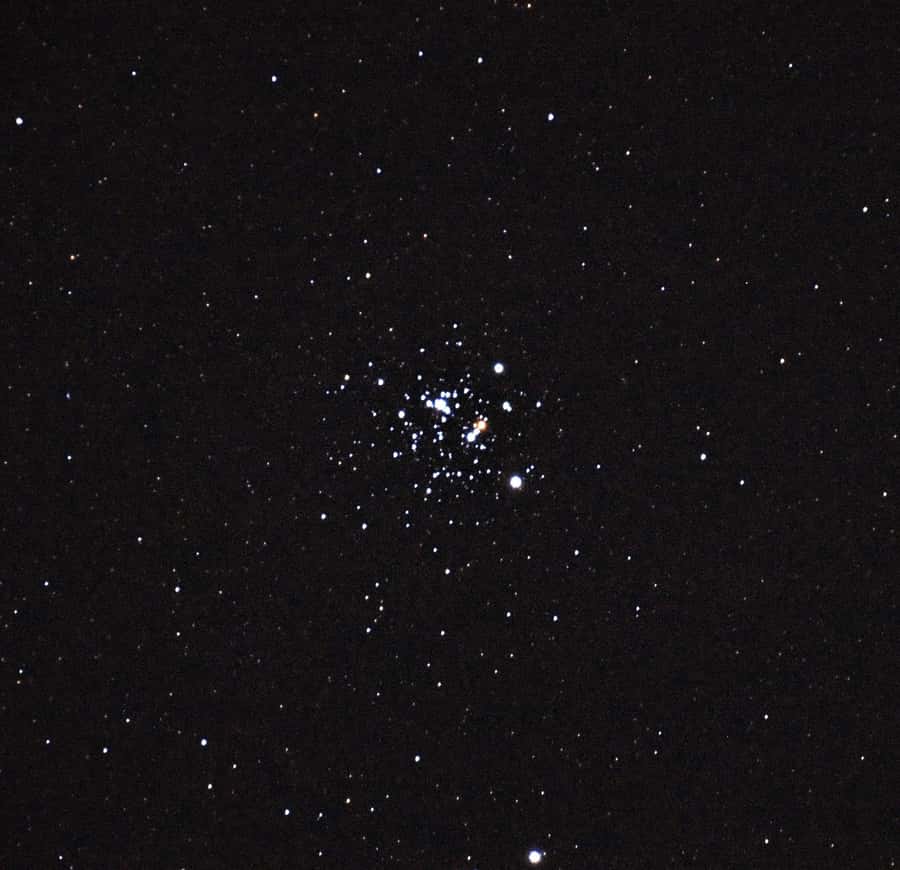
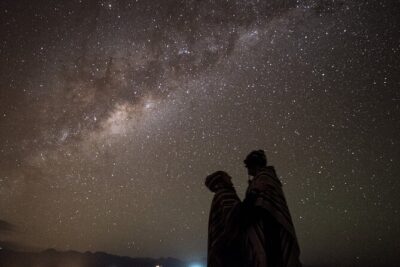
The tour is about more than the Milky Way as a photo subject. It is about seeing the Milky Way and then moving outward across different object types. You will look for planets, nebulae, star clusters, and galaxies, plus supernova remnants and other stellar phenomena.
Here is the useful way to think about it. When you use a telescope with the right eyepiece, you are essentially switching between different kinds of astronomy. Planets help you learn scale and motion in our solar neighborhood. Nebulae and clusters help you see how stars group and evolve. Galaxies and remnants point you toward the larger universe, including the aftermath of stellar explosions.
You may notice that the object list in the tour description mixes categories that most first-time stargazers assume are separate hobbies. That is exactly what makes the night feel complete. You are not only chasing one target. You are building a mental map of what the sky contains.
And because the guides are there to guide your eye, you are more likely to leave with real understanding instead of just a handful of blurry views. Cristobal is specifically called out as accommodating and good at explaining, and that kind of support matters when the objects are faint or small.
Moonlight, cold layers, and why you should follow the rules
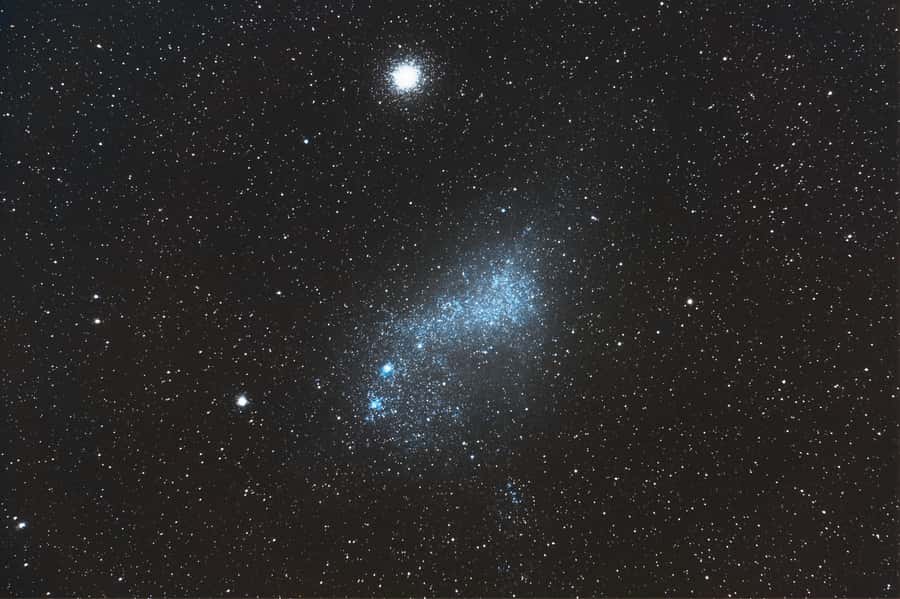
Stargazing is brutally sensitive to light. This tour avoids nights close to full moon, because moonlight light pollution washes out the faint details you came to see. If you are traveling around lunar timing, treat this as a key scheduling factor, not a minor note.
Dress for the altitude and night air with comfortable clothes and a long-sleeved shirt. The tour data does not call for heavy gear, but layering is smart because you will be outside during sunset and then into full night conditions.
One more simple rule: no alcoholic drinks in the vehicle. That likely keeps the group safe and focused, and it also helps the tour stay comfortable as everyone moves through the night together.
How the $225 price makes sense for what you get
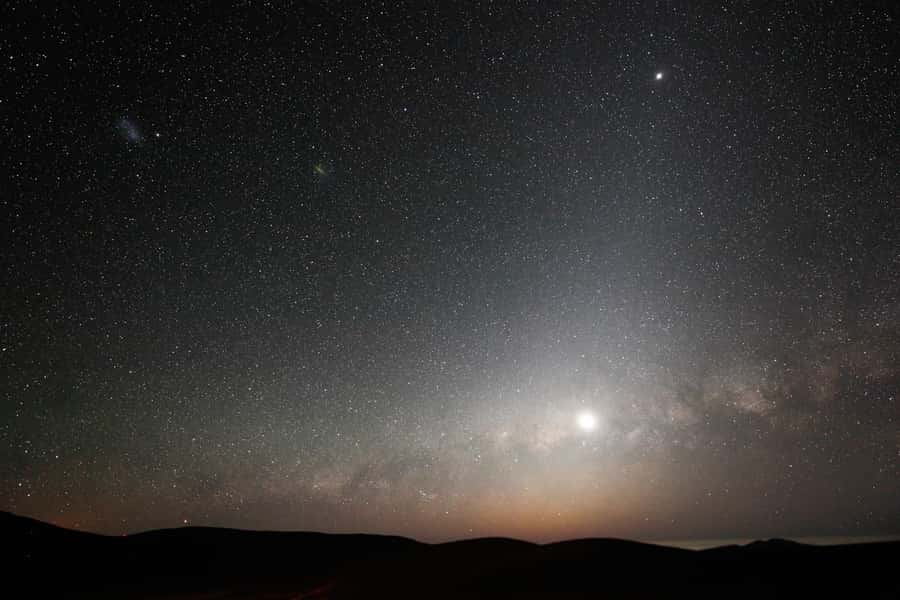
At $225 per person for a 6-hour experience, you are paying for a specific kind of access. This is not a generic bus-and-wait setup. You get an exclusive observation session with advanced telescopes, specialized eyepieces, and a small group cap of 8 people.
What you are really buying is attention. In a small group, you spend less time waiting and more time actually looking at objects through the instruments. You also get guided help to connect what you see to what it means, which turns a night under the Milky Way into a learning experience instead of a quick snapshot moment.
Pickup is included from La Serena or nearby, and you get transport time built into the day. You also get a small observatory comfort stop with free coffee, water, or tea. None of that is flashy, but it improves the odds that you will enjoy the full evening instead of feeling wiped out halfway through.
Who should book this tour, and who should pass
This tour makes a lot of sense for first-time stargazers who want more than a beginner lecture. If you want the southern sky with proper optics, plus enough variety to feel like you actually covered the topic, Pangue is a strong match.
It is also a great fit for people who like asking questions. The cap of 8 participants means your questions are more likely to land while the guide is still at the telescope.
But it is not suitable for wheelchair users. If mobility is a concern for you, you will need to look for a different format that can meet your needs.
And if you are extremely sensitive to cold nights or dislike being out after dark, plan to dress for it. The tour includes sunset and nighttime viewing, so comfort matters.
Should you book Milky Way Sanctuary Stargazing at Pangue?
If you are choosing between a simple stargazing outing and something more structured, I would book this. The combination of Chile’s dark-sky sanctuary location, large telescopes (16 inch and 25 inch), and a small group with guided observing is exactly what you want for a night that feels meaningful, not random.
Do book ahead if you can. The observatory is described as a top stargazing location in Chile, and confirmations are needed, so availability can tighten when you book last minute. Also check your timing around the moon phase, since the tour is not made near full moon.
If you want a Milky Way experience that includes planets, nebulae, clusters, galaxies, and even supernova related sights, this is a very direct way to get it.
Freshly reviewed in La Serena
- Night walk with astro photography★ 4.5 · 3 reviews
- Activity in Fray Jorge National Park★ 5.0 · 3 reviews
- The Magnificient Elqui Valley Grand Tour★ 5.0 · 4 reviews
- Spas and Beaches Tour: La Herradura -Totoralillo – Guanaqueros -Tongoy★ 5.0 · 4 reviews
- La Serena and Coquimbo Private City Tour Including Lunch, Shore Excursion★ 5.0 · 5 reviews
- Astronomical Observation Milky Way Sanctuary Pangue Observatory★ 3.5 · 7 reviews
- Grand Tour Elqui Valley Heavenly Paradise of Sacred Mountains★ 4.5 · 10 reviews
- La Serena: Full day Tour to Elqui Valley★ 5.0 · 11 reviews
Stargazing & Astronomy Tours, compared.
The Roofless Experience San Pedro de Atacama Stargazing Tour
Read our review →
Astronomical Tour with Guide and Pick Up San Pedro de Atacama
Read our review →
“Astronomical Adventure in San Pedro de Atacama”
Read our review →Browse the lists this tour appears in