
Reviewed · ELQUI VALLEY
Grand Tour Elqui Valley Heavenly Paradise of Sacred Mountains
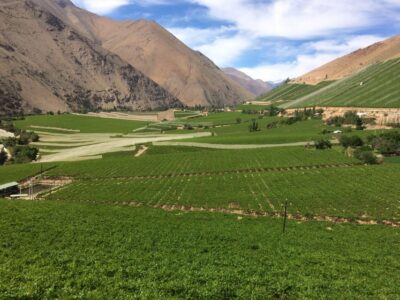
If you want one day that mixes Elqui Valley sights with real-life culture, this tour hits a lot of the right buttons. You ride from coastal La Serena up into grape country, stop at iconic towns tied to Gabriela Mistral, and throw in serious food and drink stops along the way.
What I like most is how the day balances big highlights with small places that feel local. The solar-oven lunch is a standout, and it’s paired with tastings that explain what you’re actually drinking instead of treating it like a checkbox. The other big plus is the chance to learn Elqui’s story through viewpoints, plazas, and historic sites rather than just speed-watching scenery.
One thing to consider: while the tour is offered in English, communication quality can vary by day and guide. One low rating flagged an English-language mismatch, so if language support is a must for you, it’s worth confirming it at booking and being ready to ask clarifying questions on the bus if needed.
Key things to know before you go
- A tight 10-hour loop that packs historic stops, viewpoints, and multiple tastings without feeling random
- Solar-oven cooking lunch in a small mountain town, with a full meal included
- Gabriela Mistral locations in Vicuña and Monte Grande, plus poet-related monuments and public spaces
- Pisco and cooperative tastings, including muscatel grape products from a Capel cooperative or similar
- Puclaro dam viewpoint with a practical angle on water, agriculture, and even wind sports
Entering the Elqui Valley: what this day trip actually feels like
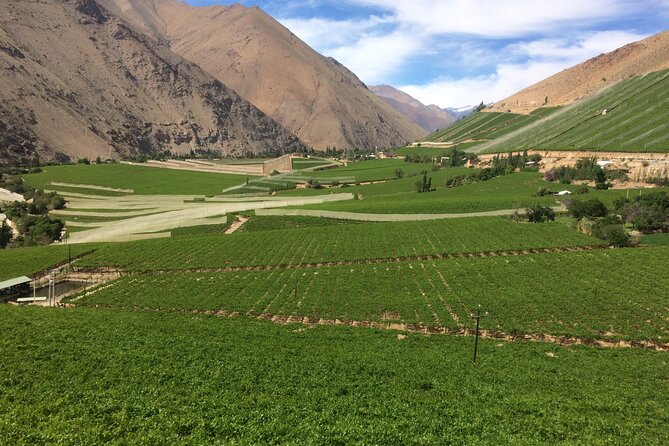
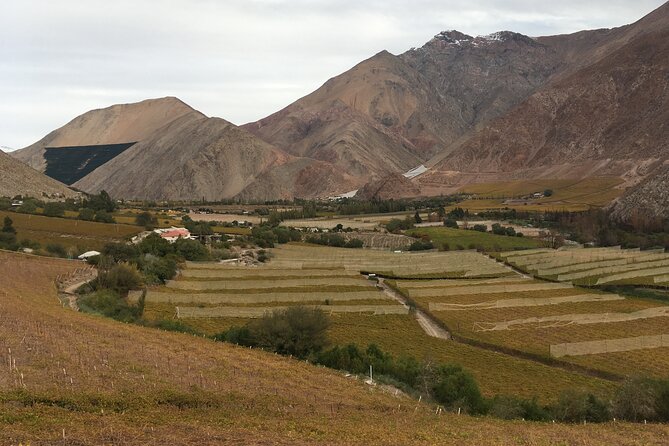
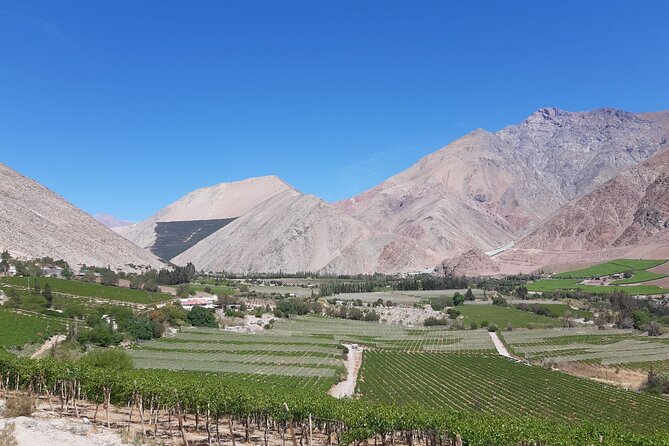
This is one of those Chilean valley days where your bus is your timeline. You start in La Serena, then the terrain gradually changes as you climb into Elqui’s sun-baked towns, vineyards, and viewpoints. The tour style is active, not sleepy: you hop out, look around, taste something, and get back on the road.
At the same time, it is not just a shopping run. The stops are chosen so you can connect a few themes: how early settlers and landowners worked coastal valleys, how Elqui became famous for pisco and grapes, and how Gabriela Mistral shaped the cultural identity of the region. If you like learning while you travel, this format works.
Group size stays small, with a maximum of 17 travelers, which helps you actually hear your guide and move as a unit through towns.
Other days in the Elqui Valley:
- Elqui Valley Tour: History and Flavors (NOT FOR CRUISES)
★ 5.0 · 139 reviews - Elqui Valley and Vicuna Private Tour Including Lunch
★ 4.5 · 18 reviews - Classic Elqui Valley (Between vineyards and fruit trees)
★ 5.0 · 16 reviews
Getting going from La Serena: pickup, start time, and pacing
The tour starts at 8:30 am. Pickup is offered, but the exact pickup time can shift based on where you stay. Plan for an early morning and a full day, because the total run is about 10 hours.
The pacing is designed to cover a lot of ground, and that means every stop has a purpose. Some stops are quick, like a viewpoint or a brief museum visit. Others give you breathing room, like lunch and the longer town time in Vicuna.
If you are the type who needs a slow walk with no schedule pressure, you might find the day fast. But if you want value and variety in one go, the structure is built for you.
From terraces and old towns to Coquimbito’s early conquest sites
Your day begins with a mix of classic La Serena and the surrounding story. You’ll visit foundational terraces, the old town, and main monuments in the Plan Serena area. It’s a good way to get your bearings, even before you head inland.
Then you shift to the historical layer that many visitors miss. You stop to observe old indigenous sites and the later encomiendas, plus early churches and hacienda houses connected to the first conquest captains in the coastal valley of Coquimbito. This is the kind of stop that adds meaning to everything you’ll see later, because it frames the region as worked land, not just postcard land.
This section is also where you should pay attention to how your guide explains continuity. When the bus rolls out again, you’ll realize many later wine and pisco stories connect back to land ownership, irrigation, and trade routes.
Embalse Puclaro viewpoint: why this dam stop matters
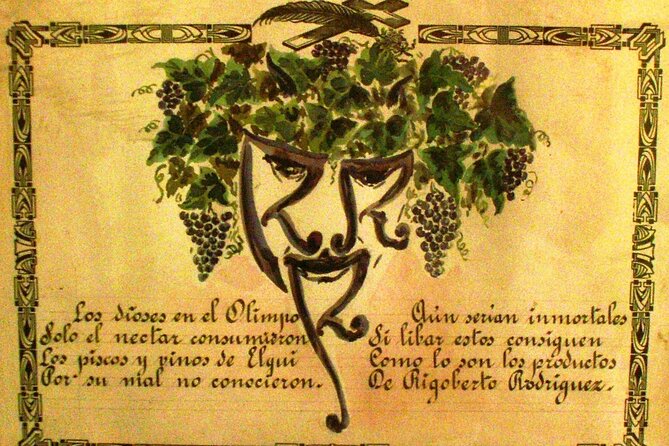
One of the most practical stops is Embalse Puclaro. Yes, you get a viewpoint. But you also get the reason it exists. The dam stores water used for agriculture and mining, and it even ties into wind sports. That mix makes the place feel modern and useful, not just scenic.
The stop is short, about 25 minutes, so you’re not hiking. You’re observing, learning what the infrastructure does, then continuing. If you like engineering details and how water reshapes arid regions, this is a good moment in the day to slow down.
Tip: bring sunglasses. Elqui light can be intense, and this is a stop where photos will probably be frequent.
A few more La Serena departures to weigh up
- Sailing and Hiking Isla Damas : Humboldt Penguin Reserve
★ 4.0 · 13 reviews - La Serena: Full day Tour to Elqui Valley
★ 5.0 · 11 reviews - La Serena: Full day to Isla Damas & Humbolt Pinguino National Reserve
★ 4.5 · 11 reviews - Whales & Humboldt Penguins: Chañaral or Damas island hiking
★ 4.3 · 10 reviews
Vicuña and the Gabriela Mistral sites: poetry you can point to
A big reason people book this tour is the connection to Gabriela Mistral. You’ll visit the Museo Gabriela Mistral de Vicuna, tied to the national monument area where she lived, grew up, studied, and taught. This isn’t a random museum stop. It’s a location-based way to understand why her legacy is woven into local identity.
You also get the town time in Vicuña, about 45 minutes. The highlight here is the public square, known for having a large number of sculptures, and described as one of the liveliest and most beautiful squares in Chile. Even if you don’t read much poetry, strolling through a sculpture-heavy plaza gives you a sense of how the poet is honored in everyday space.
From the reviews I read, guides like Cristobal and Martin lean into this section with energy. Cristobal in particular stood out for being friendly and switching between English and Spanish so both groups could follow along. That matters here, because if you miss the explanation, you lose half the point of a place like this.
Vicuna’s pace and the solar-oven lunch in Entre Cordilleras
Lunch is one of the strongest parts of the day. You stop in a small town called Entre Cordilleras for a meal at a restaurant that uses solar ovens. In real terms, that means you’re eating while watching a local solution to limited resources: using the sun to cook.
The lunch is included, and it’s not a tiny snack. You get a starter, a main, and dessert plus a soft drink. The experience is a mix of food and how the community thinks, which is why it lands so well for people who want more than tastings.
If you’re a foodie, this is your chance to try a Chilean mountain-style meal without feeling like you are in a tourist factory. And if you’re not a foodie, the story still pulls its weight because it explains local adaptation in a tangible way.
One practical note: your day is sun-focused. Eat, hydrate, and take a moment before dessert if you get sun-sleepy.
Pisco stops: Capel cooperative tasting and the walk into Pisco Elqui
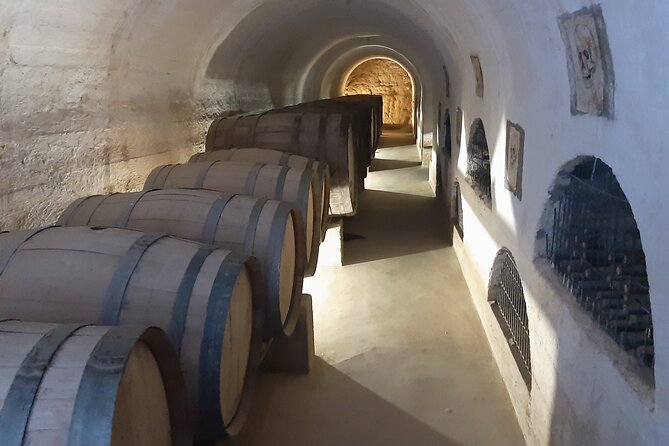
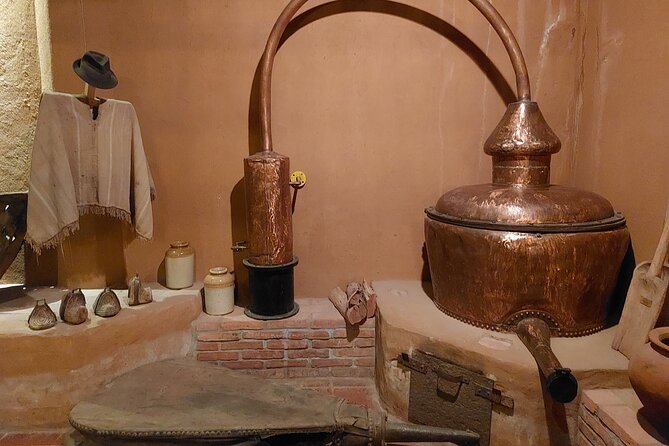
Elqui is famous for pisco, and this tour treats it like more than a souvenir. You visit Centro Turistico Cooperativa Capel, where you’ll see a distillery and pisco factory belonging to the Capel cooperative, or a similar operation. Then you taste muscatel grape products tied to that heritage and equipment.
After that, you reach Pisco Elqui and get a short walk through the historic town on foot. The story here is trade and routes. You relive the walk of old alcohol merchants who came to the area for sweet, aromatic wines, pisco, and grape spirits. The day also highlights that caravans of merchants and muleteers left from here to supply alcohol to Potosí in the early 17th century. That trade-route context makes the pisco taste feel grounded.
One review highlight focused specifically on the Pisco Manufacturer and museum area. If you care about process, not just flavor, you’ll likely enjoy the combination of tasting plus historic explanation.
Paihuano and Monte Grande: viewpoints plus Mistral’s second hometown mood
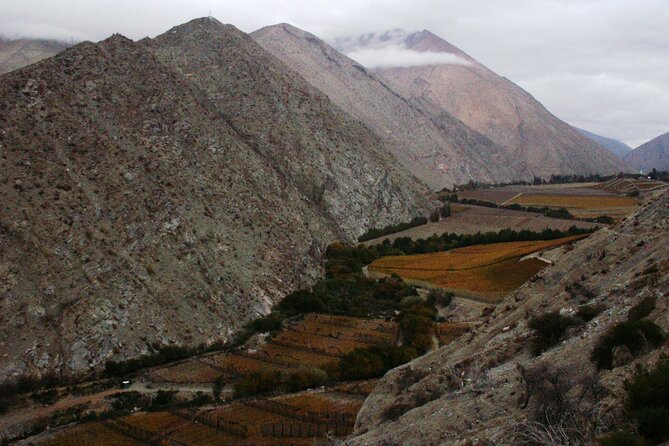
You get a brief stop at Paihuano for viewpoints and mountain-town energy. This is where you see why Elqui is associated with wine culture, with references to grape harvests and festivals.
Then you head to Monte Grande, another Gabriela Mistral related stop. You’ll visit the town where the indigenous mountain valleys of Cochihuaz and Alcohuaz meet, plus you’ll see her church, plaza, sculptures, and the poet’s house area. These elements are described as a national monument as a whole, so you’re not only passing through. You’re looking at a protected cultural space.
The Monte Grande stop is shorter, about 20 minutes, so come ready to wander a bit. If you’re photographing, keep an eye on the light direction since this part of the day is bright and contrast-heavy.
Price and value: is $135 a good deal for this much ground?
At $135 per person for about 10 hours, this tour is priced as a full-day experience with transport, lunch, and admissions/tastings. What makes the value feel real is that you are not paying just for riding around. You’re paying for structured stops, included meals, and multiple drink or product tastings.
Most stops are free admissions, while key experiences include tickets like the Gabriela Mistral museum and the solar-oven lunch, plus tastings at the cooperative and pisco-related stops. In practical terms, that means you avoid extra budgeting at each stop.
Also, the tour max is small, which can matter when you want your guide to handle a group without losing time. With a maximum of 17 people, you tend to get more attention than with large bus tours.
The only value risk is the language one. If you strongly need English interpretation at every stop, you should consider that one low rating mentioned an English tour mismatch. That may be an outlier, but it’s still a good reason to confirm expectations early.
Who this tour fits best, and who might want a different plan
This tour fits best if you want:
- A single-day loop that covers Elqui’s history, Gabriela Mistral landmarks, and pisco culture
- Included food, including a memorable solar-oven lunch
- A guide-driven day with explanation at multiple stops
You might rethink booking if:
- You dislike schedule density and want long free time in just one or two towns
- English support is non negotiable for you at every stop, because one review flagged a communication gap on their day
If you enjoy mixing culture with tastings, this is a strong match. If you want a slow wine country day with lots of independent exploration, you might prefer a more flexible alternative.
Should you book the Grand Tour Elqui Valley for your trip?
I’d book it if you want a high-coverage day that still feels intentional: pisco, Mistral, viewpoints, and that solar-oven meal. The structure makes it easy to see what Elqui is about, without needing to plan transport between towns yourself.
If you are sensitive to language quality, book with a clear expectation that the tour is offered in English and be ready to ask questions during stops. And if you love food and process, lean in during the pisco cooperative and Pisco Elqui parts of the day.
For many visitors, this is one of the most efficient ways to turn Elqui Valley into an experience, not just a location.
FAQ
What time does the tour start in the morning?
The tour starts at 8:30 am.
Is pickup available from hotels or other places in La Serena?
Pickup is offered, but pickup time can vary depending on your accommodation location.
Is the tour offered in English?
Yes, it is offered in English.
What’s included with the tour besides the transportation?
It includes air-conditioned vehicle, lunch, tickets and tastings, and photographs in landscapes and historical sites.
Where do tastings happen on the tour?
Tastings are included at stops such as the Capel cooperative pisco factory/distillery (muscatel grape products) and the pisco-related areas in the Elqui region.
How long is the tour, approximately?
The duration is about 10 hours.
How large is the group?
The tour has a maximum of 17 travelers.
What happens if the weather is poor?
The experience requires good weather. If it’s canceled due to poor weather, you’ll be offered a different date or a full refund.
Can I get a full refund if I cancel?
Yes. You can cancel up to 24 hours in advance for a full refund.
Freshly reviewed in La Serena
- Night walk with astro photography★ 4.5 · 3 reviews
- Activity in Fray Jorge National Park★ 5.0 · 3 reviews
- The Magnificient Elqui Valley Grand Tour★ 5.0 · 4 reviews
- Spas and Beaches Tour: La Herradura -Totoralillo – Guanaqueros -Tongoy★ 5.0 · 4 reviews
- Milky Way Sanctuary Stargazing Tour at Pangue Observatory★ 4.2 · 5 reviews
- La Serena and Coquimbo Private City Tour Including Lunch, Shore Excursion★ 5.0 · 5 reviews
- Astronomical Observation Milky Way Sanctuary Pangue Observatory★ 3.5 · 7 reviews
- La Serena: Full day Tour to Elqui Valley★ 5.0 · 11 reviews
Elqui Valley, compared.
Elqui Valley Tour: History and Flavors (NOT FOR CRUISES)
Read our review →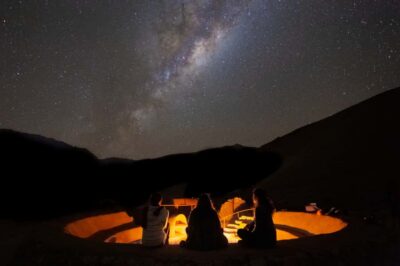
Pisco Elqui: Mountaintop Stargazing and Night Portrait
Read our review →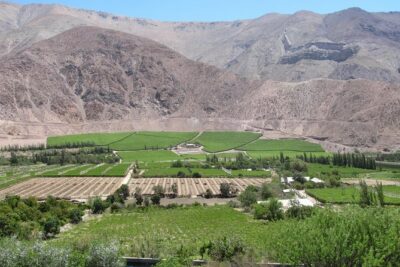
Elqui Valley and Vicuna Private Tour Including Lunch
Read our review →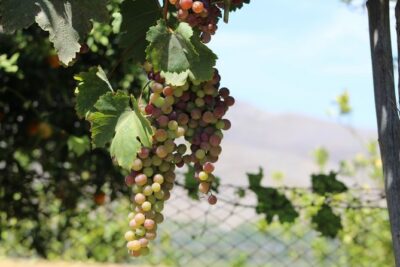
Classic Elqui Valley (Between vineyards and fruit trees)
Read our review →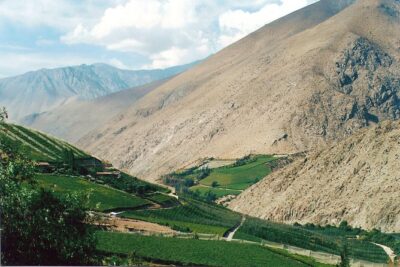
Browse the lists this tour appears in