
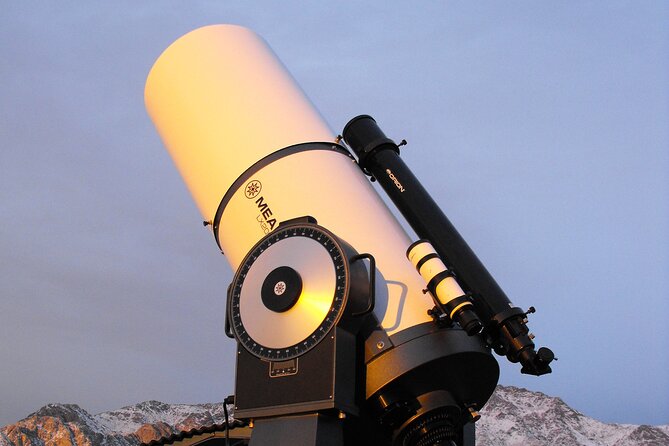
Reviewed · STARGAZING & ASTRONOMY TOURS
Astronomical Observation Milky Way Sanctuary Pangue Observatory
This tour is interesting because it mixes daytime Chilean scenery with an evening built for real dark skies at El Pangue Observatory. You start in La Serena, roll through the Elqui Valley, pause in Vicuña, then head south for panoramic views before the telescope session begins.
I like the way the schedule builds from “what you see in the daylight” to “what the sky looks like after dark,” and I also like the small size, max 8 travelers. The tour is offered in English with a guide who explains what you’re seeing as you go.
One consideration: the observatory is closed on days close to a full moon (about 6 days a month). If you’re trying to lock in specific dates near that window, you might need flexibility.
Key things that make this night-sky tour worth it
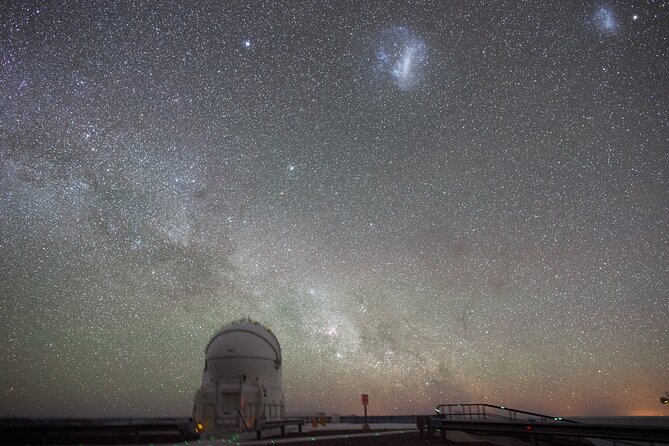
- Dark-sky route plus telescope time: You’re not just driving out there, you’re doing an organized viewing session at the observatory.
- Small group feel (8 max): Better chances to hear the explanations and ask quick questions.
- Top observatory views from Ruta Antakari: You get panoramic looks at Tololo, SOAR, Géminis Sur, and Rubin.
- A wide menu of objects: Planets, comets, star types, nebulae, clusters, and supernova remnants are on the program.
- Worth it even with some moonlight: On nights with light contamination, you can still pull in major targets like the Orion Nebula.
The 5:30 pm start, and why it matters for seeing the Milky Way
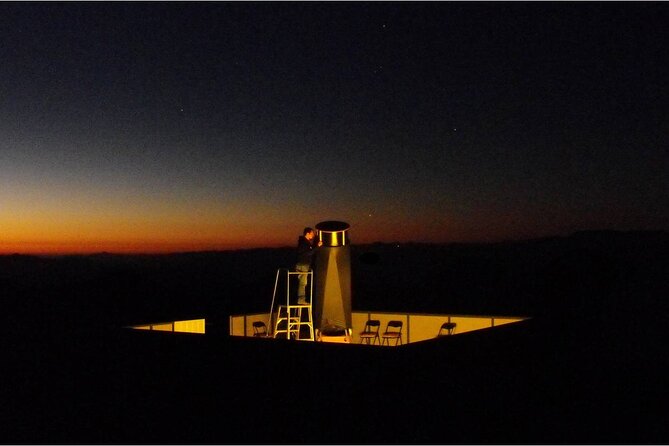
You’ll begin at 5:30 pm, which is a smart time to start if your goal is astronomy. It gives you daylight and early evening for the drive and sightseeing, then enough time for the sky to darken before you’re looking through telescopes.
Expect a total time of about 6 to 7 hours, so plan your day around this. If you have dinner plans in La Serena afterward, keep them flexible, because night tours can run a little long when weather is involved.
This is also the kind of experience where being present matters. You’ll get more out of it if you treat the evening like a slow guided watch, not a quick photo stop.
Other nights under the desert sky:
- Milky Way Sanctuary Stargazing Tour at Pangue Observatory
★ 4.2 · 5 reviews - San Pedro de Atacama: Etno-Stargazing Tour with Transfer
★ 4.8 · 629 reviews - The Roofless Experience San Pedro de Atacama Stargazing Tour
★ 5.0 · 522 reviews
Stop 1: Museo de Avenida Francisco de Aguirre and that “Serena Plan” avenue
The first stop is the Museo de Avenida Francisco de Aguirre, where you can visit the founding terraces and walk part of one of the most beautiful avenues in Chile. The museum area is free, and it’s a great way to stretch your legs before the darker part of the day.
What I like about this start is that it grounds you in place. Before you chase stars, you’re learning the look and feel of La Serena, including marble statues and monuments connected to the Serena Plan.
The only drawback is time. This is a brief stop, about 20 minutes, so think of it as a “set the scene” moment rather than a full museum visit.
Elqui Valley drive: adobe churches, haciendas, and indigenous towns
Next you head into the Elqui Valley on an international route, where the scenery shifts from city streets to small towns and rural landscapes. You’ll see old adobe churches, hacienda-style houses from early Spanish settlement, and parcels of land tied to indigenous communities.
This part of the day is where you start understanding the region’s personality. The Elqui Valley is famous for clear skies, but you’ll also notice the human side of the valley, the architecture, and the way towns are tucked into the terrain.
It’s timed for about an hour, so it’s not a slow scenic drive where you get out constantly. Still, it’s enough to make the later “dark skies” moment feel earned.
Vicuña square break: the town’s literature and astronomy links
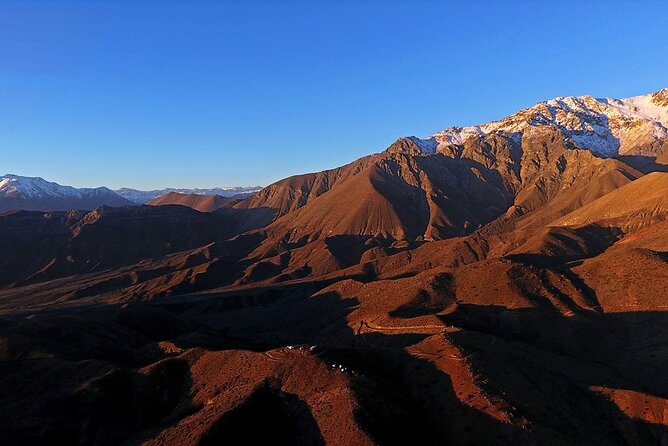
When you arrive in Vicuña, you get a short city pause, around 20 minutes. The big draw here is that Vicuña is linked to major Latin American literature, and it also has a strong connection to astrophysics because it sits close to observatories.
There’s an emblematic tower in the city tied to the story of Albert Einstein. The tour describes it as a notable Einstein connection, so you’ll likely see it pointed out as part of the local identity.
After that, you’ll spend time around one of the squares known for artistic expression and craft fairs in the surrounding area. This is a nice contrast to the busier city start, and it’s also where you can do a quick snack check before night viewing.
The practical downside: the stop is short. If you want deeper time in Vicuña, this tour won’t replace a longer independent visit, but it does give you the highlights in a way that keeps the night on schedule.
A few more La Serena departures to weigh up
- Elqui Valley Tour: History and Flavors (NOT FOR CRUISES)
★ 5.0 · 139 reviews - Elqui Valley and Vicuna Private Tour Including Lunch
★ 4.5 · 18 reviews - Classic Elqui Valley (Between vineyards and fruit trees)
★ 5.0 · 16 reviews - Sailing and Hiking Isla Damas : Humboldt Penguin Reserve
★ 4.0 · 13 reviews
Ruta Antakari to Gabriela Mistral Dark Skies Sanctuary viewpoints
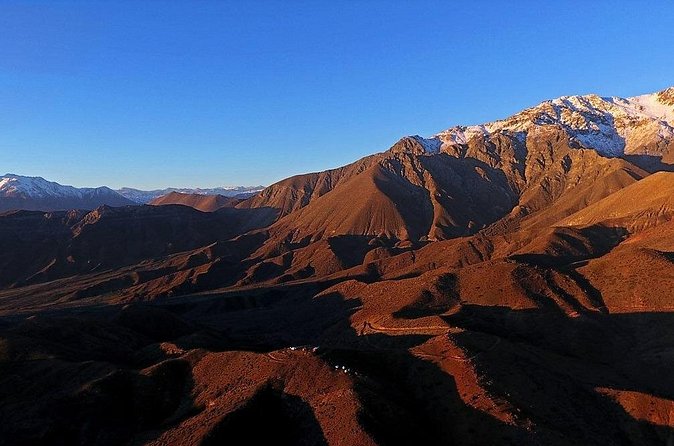
From Vicuña, you head south along a mountain road toward the Gabriela Mistral Dark Skies Sanctuary, via Ruta Antakari. This is where the tour shifts into “you’re going up and getting darker” mode.
On the drive you get first panoramic views of several major scientific observatories: Tololo, SOAR, Géminis Sur, and Rubin Scientific Observatories. The experience frames these as some of the world’s most recognized astronomy hot spots, and even if you only catch them from a distance, you’ll feel the scale of what’s happening here.
This portion is about 30 minutes to reach El Pangue Observatory, but the viewing windows can be the best part for people who like landscapes. You’re seeing why this region is a magnet for astronomy.
One thing to keep in mind: these mountain roads can be cool and breezy at nightfall. Even if it’s warm in La Serena earlier, dress as if it will get colder once you’re higher up and the sun drops.
At El Pangue Observatory: what you’ll actually look for through the telescope
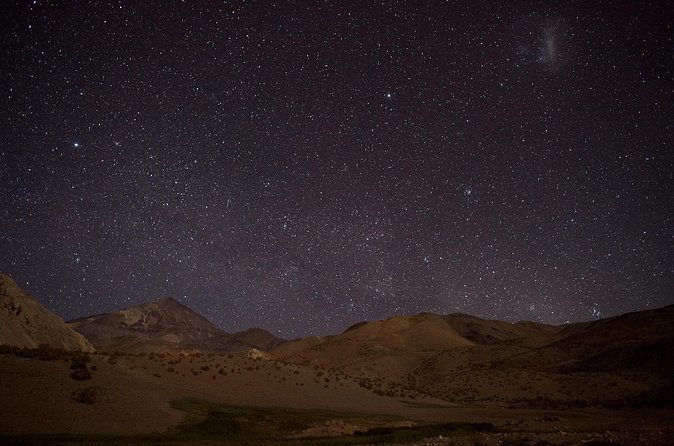
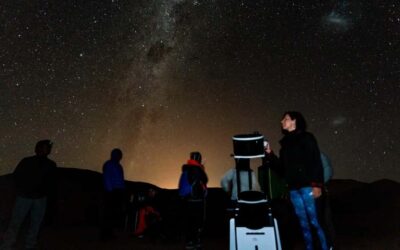
Once you arrive at Observatorio del Pangue, the tour turns fully into astronomy mode. You’ll start an exclusive observation session that lasts about two hours.
The viewing program is broad, and that variety is one of the best parts of the night. You’ll observe planets, comets, red dwarf stars, blue giants, binary stars, nebulae, star clusters, and supernova remnants among other targets.
This matters because it changes what “seeing stars” means. A lot of people expect just point lights, but the guide-led session is designed to help you recognize different types of objects and understand what makes them interesting.
From the experience feedback, I’d also expect a strong focus on guiding your attention. Even when there’s some moonlight causing light contamination, you can still catch major targets. For example, the Orion Nebula is called out as something you can still make out on less-than-perfect nights.
Also, keep expectations realistic about the moon. The observatory closes on days close to full moon, which is meant to protect viewing quality. Still, depending on your exact date, you may get conditions where the sky is not totally pristine, and the guide’s job is to help you adapt and find what’s visible.
Small-group comfort, pickup, and what to bring for a Chilean night sky
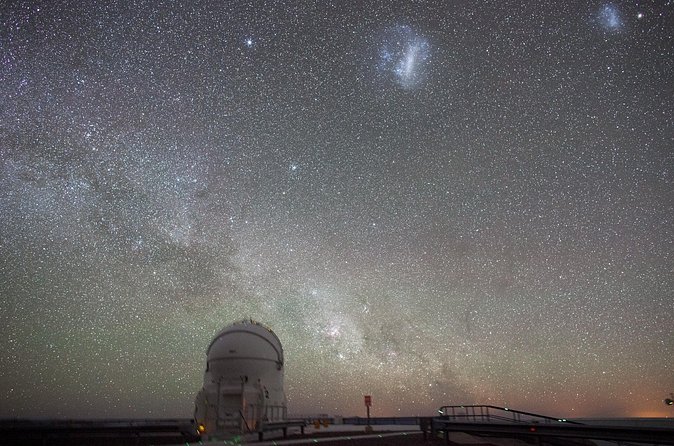
This tour caps at 8 travelers, and that number changes the whole vibe. With a small group, you spend less time waiting and more time concentrating on the sky and the guide’s explanations. It also makes it easier to get good positions during the telescope session.
Pickup is included with personalized service. The tour description says you can be picked up from Avenida del Mar or from the old town and city center of La Serena. If you’re staying near the water or closer to the historic center, it should be straightforward.
Here’s what I recommend you bring, based on the nature of the experience and the fact that astronomy sessions are outdoors for long stretches:
- A warm layer, even if you think you won’t need it
- Comfortable shoes for standing and moving around during viewing
- A flashlight or phone light with low brightness, so you don’t blast your night vision
- A light snack or water plan before the night begins, since the day stops are short
Because this is an astronomy-focused evening, your eyes are part of the “equipment.” The more you can protect night vision, the more you’ll enjoy the targets the guide points out.
One more note: the tour is offered in English. If you’re comfortable with that, you’ll likely follow the explanations and the transitions between objects faster.
Price and value: what you’re really paying for at $185
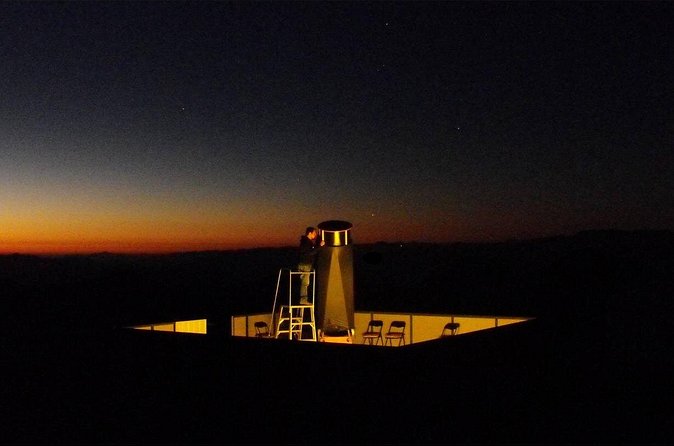
At $185 per person, the price looks reasonable once you break down what’s included. You’re paying for transportation out of La Serena, the structured itinerary, and, most importantly, the two-hour telescope observation session at El Pangue.
This isn’t the kind of astronomy activity where you just show up and look around on your own. The session is organized around different kinds of objects, and the guide helps you connect what you see to what it is.
The value also comes from the small group size. For some tours, “small group” is a marketing line. Here, it matters because the experience depends on visibility, attention, and time at the telescope.
One factor that can affect your cost-per-experience is date selection. The observatory closes near full moon, and the tour needs good weather. If you’re booking close to that moon window, it increases the odds you’ll need to shift dates.
Booking earlier helps. The tour is typically booked about 54 days in advance on average, which tells me it’s not a last-minute impulse sort of activity. If you care about hitting a specific week in Chile, reserve sooner rather than later.
Who should book this Milky Way Sanctuary and who might skip it
This tour is a strong fit for you if:
- You want an astronomy evening that’s more than basic stargazing
- You like structured guidance, with a guide helping you identify objects
- You’re traveling with a small group or prefer low-crowd experiences
- You’re staying in or near La Serena and don’t want to plan logistics to remote observatories
It’s not ideal if:
- You’re traveling with kids under 9, since children are not accepted except over 9 years old
- You want a super long free-form day with lots of independent wandering
- You’re set on traveling during a near-full-moon window and you don’t want to reschedule
Also consider your goals. If your main priority is only local culture, you might prefer a more time-flexible day trip. But if your priority is a night focused on planetary and deep-sky objects, this is built for that.
Should you book the Milky Way Sanctuary Pangue Observatory tour?
I think you should book it if you want an organized, telescope-centered evening that doesn’t require you to become an astronomer first. The combination of route scenery plus a focused two-hour observation session makes it feel like a complete experience, not just a drive out to look at darkness.
I’d only hesitate if you have fixed dates near a full moon or you know your travel window often brings unpredictable weather. In that case, flexibility becomes part of the deal.
If you can align a clear night with the dark-skies schedule, this tour is a great way to experience the southern sky in a guided, understandable way, and not just as a vague photo opportunity.
FAQ
What time does the Milky Way Sanctuary Pangue Observatory tour start?
The start time is 5:30 pm.
How long does the tour last?
It runs about 6 to 7 hours.
Is pickup available, and where does it usually pick you up?
Yes. Pickup can be coordinated from Avenida del Mar or from the old town and city center of La Serena.
Is the tour offered in English?
Yes, it is offered in English.
What is the maximum group size?
The maximum is 8 travelers.
Are children allowed?
Children are not accepted, except for those over 9 years old.
What kinds of objects can you observe at El Pangue Observatory?
The program includes planets, comets, red dwarf stars, blue giants, binary stars, nebulae, star clusters, and supernova remnants, among other objects.
What happens if the sky conditions are poor or you need to change plans?
The observatory is closed on days close to or with a full moon (about 6 days per month). The tour also requires good weather, and if it is canceled due to poor weather, you will be offered a different date or a full refund. You can cancel for free up to 24 hours in advance for a full refund.
Freshly reviewed in La Serena
- Night walk with astro photography★ 4.5 · 3 reviews
- Activity in Fray Jorge National Park★ 5.0 · 3 reviews
- The Magnificient Elqui Valley Grand Tour★ 5.0 · 4 reviews
- Spas and Beaches Tour: La Herradura -Totoralillo – Guanaqueros -Tongoy★ 5.0 · 4 reviews
- Milky Way Sanctuary Stargazing Tour at Pangue Observatory★ 4.2 · 5 reviews
- La Serena and Coquimbo Private City Tour Including Lunch, Shore Excursion★ 5.0 · 5 reviews
- Grand Tour Elqui Valley Heavenly Paradise of Sacred Mountains★ 4.5 · 10 reviews
- La Serena: Full day Tour to Elqui Valley★ 5.0 · 11 reviews
Stargazing & Astronomy Tours, compared.
The Roofless Experience San Pedro de Atacama Stargazing Tour
Read our review →
Astronomical Tour with Guide and Pick Up San Pedro de Atacama
Read our review →
“Astronomical Adventure in San Pedro de Atacama”
Read our review →Browse the lists this tour appears in