
Reviewed · TORRES DEL PAINE TOURS
Full-Day Hiking Tour to the Base of Paine Towers at Torres del Paine National Park
One of the most iconic hiking days in all of Patagonia, the trek to the base of the Paine Towers mixes big granite payoff with real walking through forests and river country. I love the way this route layers views across the morning climb and the later river-and-woods section, and I also love the small-group size that keeps the day from feeling like a cattle pen. One consideration: this is a serious hike with steep rocky bits both ways, so if your fitness is borderline, plan for pain.
Here’s the practical part. You start early from Puerto Natales, ride into Torres del Paine National Park, and then work your way to the viewpoint of the famous towers before heading back the same way. You’ll spend around 10 hours walking, depending on pace, and the total distance is often described around 19 km round trip (with some variability). If you’re comfortable hiking on uneven ground for a long day, you’ll get a memorable reward.
Key points that make this Base Torres tour worth your time
- The base-of-the-towers payoff: you’re not just passing by, you reach the viewpoint and get time to pause and photo
- Route variety: climbs through open stretches, then lenga forests, then rocky final terrain
- Ascencio Valley and river crossing: you get the quieter, wilder Patagonia feel beyond the main landmark
- Early start and full-day structure: you use daylight well, with a break at Refugio Chileno before the hardest section
- Small-group intent: described as limited to six, with a stated maximum of 10, so expect a more personal pace
- Transport plus lunch included: hotel pickup and drop-off, plus a boxed lunch, means fewer hassles on a long day
Why the Base Torres hike is a Patagonia bucket list day
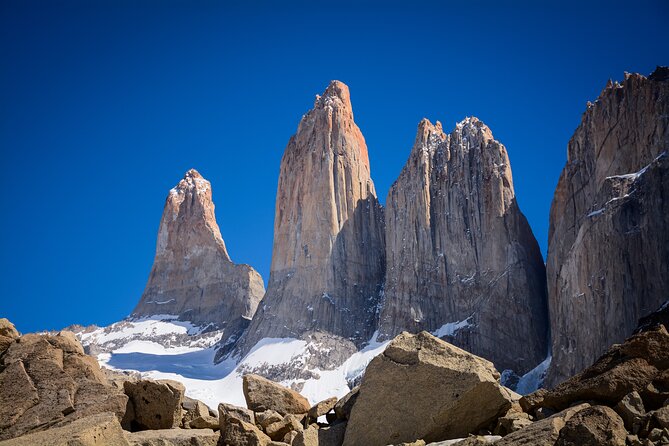
The Torres del Paine National Park is famous for a reason, and the base-of-the-towers viewpoint is the kind of scene that makes you stop doing math and just look. This full-day tour is built around that moment. You hike into and through the park in a way that feels like Patagonia, not a quick drive-by photo stop.
I like that the day has clear pacing beats. You climb, you take a short break at Refugio Chileno, you cross the Ascencio River area, and then you hit the steep rocky “get-ready for your legs” finale. That structure matters because it gives you a mental rhythm. You’re not guessing when the hard part arrives, even if your body still has opinions.
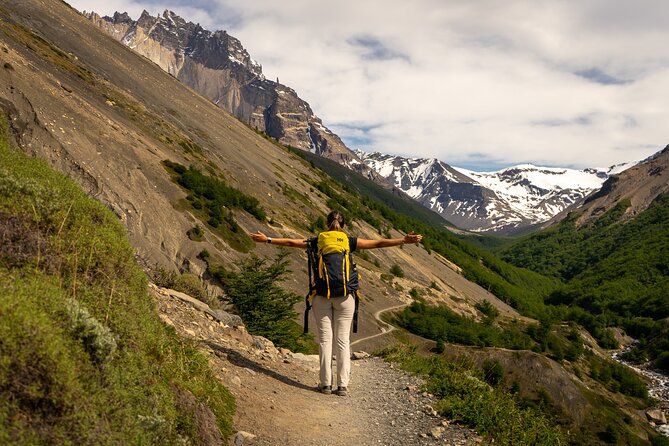
The other big win is the route’s variety. You go from valley views at Paso de los Vientos to lenga forest walking, then into uneven rocky terrain toward the base of the towers. If your ideal Patagonia day includes more than one type of scenery, this delivers.
More Hiking & Trekking in Puerto Natales
- Puerto Natales: Base of the Towers Day Hike
★ 4.8 · 727 reviews - Puerto Natales: Base of the Towers Trekking Experience
★ 4.8 · 191 reviews - Puerto Natales: Base Torres Small Group Trekking
★ 4.9 · 106 reviews
Getting started in Puerto Natales and riding into Laguna Amarga
Your day begins at 6:30 am with hotel pickup in Puerto Natales. That early start is not a luxury. It’s what makes it possible to hike, reach the towers, and still have daylight left for the return.
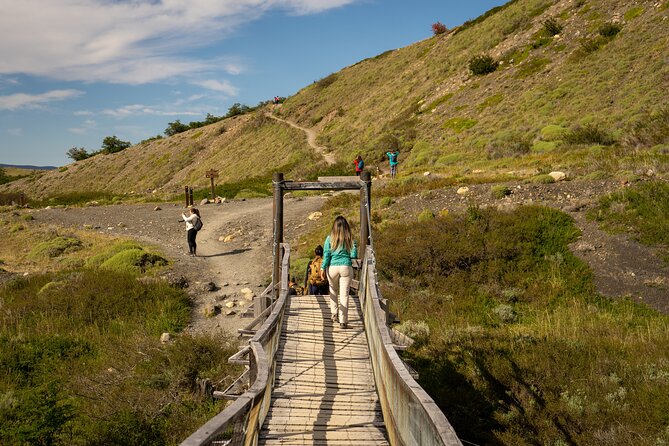
After pickup, you travel by air-conditioned vehicle into Torres del Paine National Park. You enter through Laguna Amarga, then continue to the starting area in the Cerro Paine Reserve. That matters because it reduces stress for you. Instead of planning a complicated transport setup on your own, you show up, get briefed, and start moving.
One small practical note. The hike distance in the day’s marketing can vary a bit from what you actually walk. Some people report extra walking from parking areas and access points. So I treat this as a full-day effort even if your mind wants the hike to be exactly 19 km.
The morning ascent toward Paso de los Vientos and Refugio Chileno
Once you’re at the trailhead, you’ll get equipment prep and a safety briefing from your guide, then begin the ascent. The first major segment climbs steadily toward Paso de los Vientos. Expect a lot of uphill momentum. It’s not usually a technical climb, but it is relentless enough to test whether you chose a sustainable pace.
The reward during this section is the valley viewpoint. Patagonia here feels open and exposed, so if the wind is up, you’ll feel it. Bring what you need for cold and wind early in the morning, even if you expect the day to warm later.
At some point you descend to Refugio Chileno for a short break. This stop is important for two reasons. First, it helps you reset before the next terrain shift. Second, it breaks up the day so your body doesn’t just march uphill for hours.
I also picked up a useful trail tip from the way people describe the day: there can be a mid-route rest stop where the water is treated as drinkable. Don’t assume that applies everywhere, but it’s a reminder to stop, check, and ask what’s safe before you dump your whole plan into your bottle count.
Ascencio Valley walking: lenga forests, streams, and the river crossing
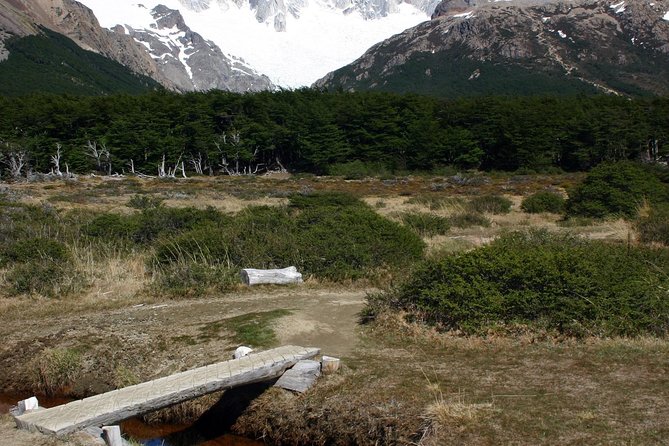
After Refugio Chileno, the hike continues along lenga forests and across the Ascencio River area. This portion is a nice change from the earlier open climb. Trees and river terrain can make the day feel more “Patagonia lived-in” and less like a stair-step workout.
You’ll also encounter streams along the way. Even if it’s not a dramatic crossing, plan for wet footing and occasional slippery patches. Reviews repeatedly point out that runners can become a bad idea here, mainly because you need grip on rocky, uneven steps.
This is also a section where pace matters. A strong guide keeps everyone moving steadily without turning the hike into a race. If you’re easily delayed by uneven ground, be honest about your pace from the start. The route is demanding enough that waiting too long to adjust your effort can snowball into a tough descent later.
And yes, the day includes the reality of facilities. One person noted restrooms mid-route come with a cost at the rest area or campsite. So if you’re thinking of stopping, keep a little cash handy in case that’s true on your date.
Other ways into Torres del Paine:
- Full Day Tour to Torres del Paine National Park
★ 5.0 · 513 reviews - Torres del Paine: 3-Hour Scenic Boat Tour to Grey Glacier
★ 4.5 · 283 reviews - Full-Day Tour Torres del Paine National Park from Puerto Natales
★ 4.5 · 251 reviews - Puerto Natales: Full Day Torres del Paine + Milodon Cave
★ 4.8 · 250 reviews
The steep final push to the Base of the Paine Towers
This is the part everyone remembers because it’s the hardest, and it leads to the main goal. The final stretch is described as the most challenging: a steep rocky path that brings you to the base of the three Paine Towers, the famous viewpoint that anchors the whole Torres del Paine hiking experience.
Here’s how to handle it without getting miserable. Don’t try to match the fastest hikers in your group. Instead, keep your breathing steady and aim for consistent foot placement. Rocky terrain punishes sloppy steps on the way up, and it punishes them even more on the way down.
Gear matters a lot in this phase. More than one hiker emphasized that trekking shoes help with grip in sections that can feel slick or unstable. If you only have running shoes, you can still finish, but you’re choosing to gamble with traction.
If you’re the type who benefits from a little extra balance support, consider trekking poles. One guide-focused tip from the feedback: poles were provided for some people, while others were pointed toward renting or picking up poles in the Puerto Natales area. Since the instructions suggest bringing poles and a steep rocky finale makes balance helpful, I’d treat poles as part of your core gear, not an optional add-on.
Time at the towers: photos, rest, and the return down
Once you reach the viewpoint, you’ll rest, enjoy the scenery, and take photos, then return via the same trail. This return is not a victory lap. It’s when tired legs can turn into shaky steps, especially if you’ve been moving fast uphill and now your focus is fading.
Expect two steep sections each way. If you’ve got a history of slipping on downhill terrain, slow down on the descent even if the climb felt okay. Uneven stepping can make you feel like you’re negotiating the ground instead of walking through it.
The “how long does it take” question is where real life shows up. The day is commonly described as a 10 hour trek and around 19 km round trip, but people report times varying based on pace and small access differences. One person said they completed it under the average and felt their body tested. Another said their group walked a longer distance than expected, likely because of how far the vehicle drops you from the trailhead. So for planning, I budget a long day and treat the schedule as flexible.
Boxed lunch and what to expect from the fuel
Lunch is included as a boxed lunch, and it’s a nice convenience on a full hiking day. But don’t treat it as your only food plan. Multiple descriptions emphasize that you may need extra snacks and beverages to keep energy stable, especially if you’re someone who eats often while hiking.
If you have dietary needs, this is the area where it can matter most. I saw an example where a coeliac traveler requested a gluten free lunch box and it was prepared without hesitation. The takeaway for you: if you have a requirement, ask ahead during booking and then confirm again close to departure. A boxed lunch is great, but you still need to know it will match your needs.
Also, think about water. The walk includes areas where you might not have refill options, so bring enough and plan for cold and wind early, plus warmer conditions later if they hit.
How hard is this 12-mile climb, and who should take it
This hike is for people with strong physical fitness. It’s not just distance. It’s the combination of uphill climbing, uneven rock footing, and steep final terrain.
The minimum age is 13 years, and walking is involved throughout. If you have back problems, heart complaints, or other serious medical conditions, it’s not recommended. If you’re unsure, this is one of those days where you should consult your doctor rather than guessing.
Here’s how to self-check. Ask yourself:
- Can you hike for a long stretch on uneven ground?
- Do you feel stable on rocky downhill steps?
- Are you ready for a steep section that feels like work, not a scenic stroll?
The good news is that the route rewards consistent effort. The better news is that you’ll likely feel proud when you get to the towers, because the day is built around reaching that specific goal.
One more factor: group pace. The tour is described as small-group, limited to six, and the activity has a stated maximum of 10. Some people experienced larger groups than the six-person idea, and that can create delays because uneven paces are hard to manage on steep terrain. If you’re quick but also calm, you’ll cope. If you’re slower and need steady time between rocky sections, you’ll want a guide who actively manages pace.
Price and value: what $196 covers, plus the park entrance fee
At $196 per person, this is a mid-range day trip for Patagonia. The value comes from the structure: hotel pickup and drop-off, transport by air-conditioned vehicle, a professional guide, and your boxed lunch.
The one extra cost is the Torres del Paine National Park entrance fee, listed at CLP34,000.00 per person. That means the true day cost is slightly higher than the headline price, so budget for it. The good part is you’re not paying for transportation logistics. You show up, and the day runs.
Think of it this way. If you tried to plan this on your own, you’d spend time arranging entry, transport to the trail, and guiding support. For many people, paying for a guide is what turns the hike from stressful into doable, especially when the terrain gets steep and rocky at the end.
Small-group pacing, guide attention, and what to watch for
Small groups are a big selling point here. In theory, limiting the group size helps the guide manage pace and check in on each hiker. I like that the day is set up for personalized attention, not just a line of people moving at whatever speed they brought from home.
The reality can vary. The information says small-group limited to six, but it also lists a maximum of 10 travelers. When you get a wider capability mix in steep terrain, you can lose time because the group has to regroup. If you’re sensitive to delays, choose your hike day with realistic expectations and plan to be patient.
Guide quality seems to matter. One person mentioned a guide named John who was attentive and cheerful, checked pace, and shared tips and mountain context. That kind of attention makes a difference on a long day because you’re not guessing about route timing or what to focus on.
If you have special needs, like dietary restrictions, this also matters. There’s an example where a gluten free request was handled with no trouble. So it’s worth reaching out in advance, then having a clear message ready for the day.
Weather matters more than you think for this Torres trek
This experience requires good weather. If it gets canceled due to poor weather, you’re offered another date or a full refund.
Here’s what that means for you in practical terms. Patagonia weather can turn quickly, especially around open passes and exposed stretches like those near Paso de los Vientos. Even if you’re not afraid of rain, plan for wind chill and wet rock.
Bring layers you can adjust, and pack for changing conditions. A jacket, gloves, and a hat are recommended, plus sunscreen. In windy exposed areas, sunscreen matters more than people think.
Should you book this Base Torres full-day hike?
Book it if you want the classic Torres del Paine experience, and you’re genuinely ready for a long, steep, rocky hike. This tour makes it simpler by bundling transport, a guide, and lunch into one day, and it delivers the main reward: time at the base of the three Paine Towers.
Skip it, or at least reconsider, if you’re not steady on uneven rocky downhill terrain. This is not a relaxed day hike, and the steep final push plus the return down are where fatigue can bite. If your fitness is solid, your shoes are grippy, and you can keep a steady pace, you’re in the right place.
If you do book, I’d treat trekking poles as a smart move, pack extra snacks beyond the boxed lunch, and ask about your park entrance fee plan early so there are no last-minute surprises.
More Trekking out of Puerto Natales
- Trekking Base Torres – Torres del Paine trek from Puerto Natales
★ 4.5 · 80 reviews - Torres del Paine: Full-Day Trekking Excursion
★ 4.7 · 34 reviews - Trekking Base Torres sin almuerzo
★ 5.0 · 28 reviews - Puerto Natales: Cerro Benitez Half-Day Hike with Condors
★ 4.9 · 15 reviews
More National Parks in Puerto Natales
- Full-Day Tour of Torres del Paine National Park from Puerto Natales
★ 4.0 · 33 reviews - From Puerto Natales: Torres del Paine National Park Trip
★ 4.5 · 12 reviews - Trekking Base Torres Torres del Paine National Park
★ 4.5 · 8 reviews - From Puerto Natales: Torres del Paine National Park Day Tour
★ 3.9 · 7 reviews
Freshly reviewed in Puerto Natales
- Trekking Base Torres Del Paine from Puerto Natales★ 4.5 · 3 reviews
- Trekking Base Torres del Paine★ 5.0 · 3 reviews
- Puerto Natales Trekking Base Torres★ 5.0 · 3 reviews
- Ice Hike Grey Glacier in Torres del Paine★ 5.0 · 3 reviews
- Full Day Paine (Minimum 2 pax)★ 3.5 · 3 reviews
- Full Day Torres del Paine Tour★ 5.0 · 3 reviews
- Full-Day Hiking Base Las Torres – Torres del Paine National Park★ 5.0 · 3 reviews
- Full Day Private Tour to Torres del Paine★ 5.0 · 3 reviews
Torres del Paine Tours, compared.
Full Day Tour to Torres del Paine National Park
Read our review →
From El Calafate: Torres del Paine Full Day Tour
Read our review →
Torres del Paine: 3-Hour Scenic Boat Tour to Grey Glacier
Read our review →
Full-Day Tour Torres del Paine National Park from Puerto Natales
Read our review →
Torres del Paine & Milodon cave. Day tour from Puerto Natales
Read our review →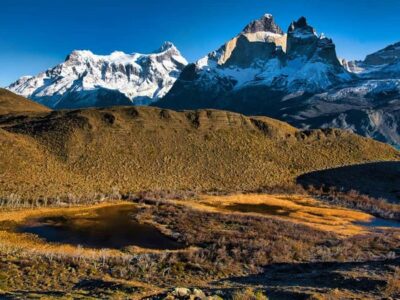
Browse the lists this tour appears in