
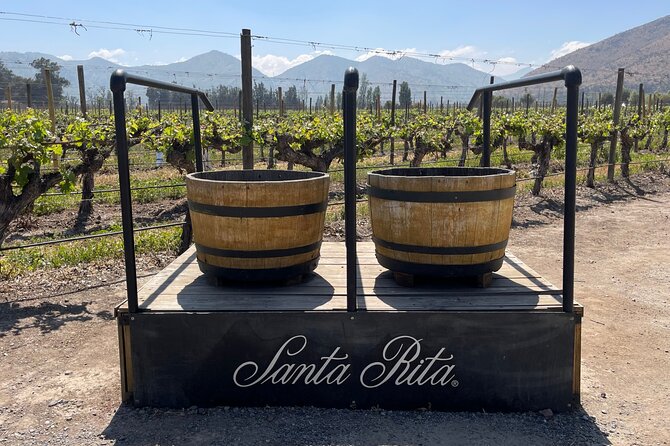
Reviewed · MAIPO VALLEY WINERIES
Tour Viña Santa Rita: History, Wine and Picnic Outdoors
Maipo Valley is close enough to Santiago to feel easy, but the day still has that out-in-the-vineyards feeling. I like the mix of bike time and winery learning, plus the specific focus on Carmenere, Chile’s signature grape. It also gives you a bonus culture stop in the Andean Museum if you want more than wine and views.
My favorite parts are practical and hands-on. I love that you ride through working areas like orchards, vineyards, and traditional farms, and that the guide uses the stops to explain what you’re seeing. I also like that the tour includes a real tasting flow, with 3 wines along the way, not just one quick pour.
One thing to consider: the bike experience can feel more like a guided vineyard stroll on wheels than a long, fast ride. If you expect a big athletic day, or if you’re picky about bike condition, set your expectations early and plan to ask about fit and comfort.
Key takeaways before you go
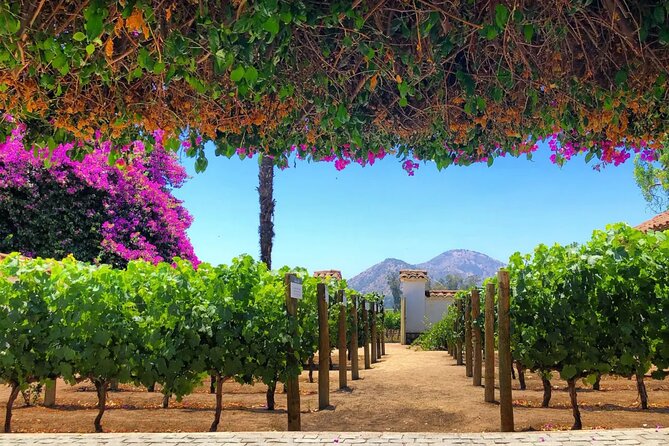
- Small-group feel (up to 10 people), with bilingual (English-Spanish) guide support.
- Carmenere lesson at Carmen Winery, tied to what grapes actually look like and how wine is made.
- Three wine tastings for adults plus outdoor picnic snacks and a Santa Rita wine glass.
- Santa Rita winery tour highlights include fermentation and bottling areas, and stops tied to the Dona Paula Restaurant story and Bodega 1.
- Andean Museum time in a modern building with about 3,000 pre-Columbian artifacts.
- Expect a relaxed bike route, often more focused on learning and photos than speed.
Getting to Maipo Valley from central Santiago, the Arauco Park starting feel
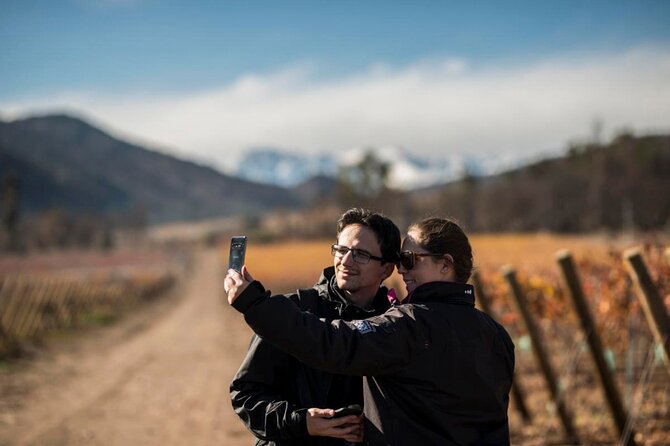
This tour is built around an all-day rhythm that starts with pickup and a van ride south of Santiago. You’ll head toward the Maipo Valley, where the day’s schedule gives you a chance to settle in before you get in the saddle. The big advantage of this format is simple: you do not have to figure out transit, parking, or how to connect winery visits on your own.
Most days start at a central pickup setup, and the tour also references Parque Arauco, a major mall area in Santiago (it’s listed as a stop point, with nearby Parque Araucano offering fresh-air walking and picnicking). The practical lesson for you is to confirm where you’re meeting, because “close by” can still mean a confusing walk when you’re new to the city.
The trip itself is about getting you to the wineries with less hassle, then letting the wineries do the heavy lifting once you arrive.
More Maipo Valley cellar doors:
- Maipo Valley Wine Tour with 4 vineyards from Santiago.
★ 5.0 · 1,983 reviews - Marquis de Casa Concha: Wine tasting in Concha y Toro
★ 5.0 · 1,086 reviews - Viña Concha y Toro: Premium Wine Center Tour
★ 5.0 · 714 reviews
Santa Rita arrival, safety briefing, and what to expect from the bike portion
When you reach Santa Rita, the day kicks off with a safety briefing before you put on a helmet and start cycling. The route runs along roads that pass working landscapes, including orchards and vineyard rows, with occasional stops for rest and quick historical context from the guide.
Here’s the honest expectation check: several people felt the ride was shorter or slower than they hoped, with frequent stops and a more structured pace. In other words, this is not the kind of tour where you automatically get a long, steady grind through the valley. It’s more like you’re moving between points on a vineyard campus and nearby areas while learning the story of how the land becomes wine.
Practical tips for making this part better for you:
- Wear comfortable shoes that work on dirt and gravel surfaces.
- If bike fit matters to you, ask for quick adjustments right away and speak up if the bike feels wrong.
- If you have any preference on how much you want to stop for photos, tell your guide early. The day has photo moments, but it’s still guided and timed.
Once the cycling begins, you’re rewarded with a close-up view of the vineyard environment, not just a bus window view. That up-close detail is where the day feels worth it.
Carmen Winery and the Carmenere focus, from grape color to production process
The standout theme of the day for many wine beginners is the Carmen Winery stop and the Carmenere lesson. Your guide shows you what makes this grape special, including the deep-purple look that signals what you’re tasting later. Even if you only know a little wine vocabulary, this part is structured to connect the grape you see to the wine you’ll smell and sip.
After the initial tour, you move through the winery story, including production-focused areas described as part of an enclave called Nativa. You also learn about manufacturing methods for Cabernet Sauvignon and Chardonnay, which helps you place Carmenere in the wider picture of what Chilean producers grow and make.
Then comes the tasting piece with a hilltop setting and panoramic views of the valley. If the weather is cloudy, you may lose some mountain visibility, and that can change the mood of the stop. I’d still go, but I’d treat the views as a bonus rather than the core guarantee of the experience.
Why this winery stop is valuable: it turns Carmenere from a label into something you can picture. You see the crop logic, you hear the production story, and then you taste.
Riding back to Santa Rita: red clay roads, fermentation cells, and Bodega 1
The return bike section is part scenery, part pacing, and part museum-like exploration. You cycle back along roads described as vivid red clay, and the guide keeps the storytelling going while you move.
Back at Santa Rita, the tour shifts from the outdoors to the technical side of winemaking. You get to explore fermentation cells and bottling plants. That kind of access matters if you like wine more than you like marketing. Seeing barrels, tanks, or bottling workspaces turns wine from a product into a process you can visualize.
Several memorable story stops are built into this phase:
- The Dona Paula Restaurant area, where the day’s narration connects the site to battle-weary soldiers seeking refuge there.
- Bodega 1, a significant colonial building you stand before as part of the winery’s historical thread.
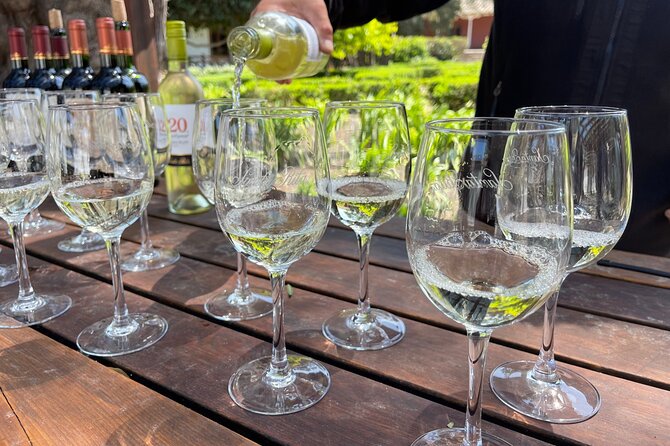
After the tour walk-throughs, you toast the day with tastings in an elegant bar setting. This is where the “three tastings” structure becomes clear, and you’ll get a chance to compare flavors in a way that feels more deliberate than a one-shot sip.
If your schedule is tight, the key value here is you are not just drinking. You’re learning how Santa Rita thinks about craft, timing, and place.
More wine tasting from Santiago:
- Valparaiso Port and Viña del Mar with Casablanca Wine Tasting
★ 5.0 · 6,110 reviews - Andes Range Tour at Inca Lagoon & InSitu Winery Snack Included
★ 4.5 · 703 reviews - Cajon Del Maipo Including Wine with Picnic and Empanada
★ 5.0 · 612 reviews - Santiago: Maipo Valley Wine Tasting Tour with 4 Vineyards
★ 4.8 · 450 reviews
Outdoor picnic snacks, then 3 wine tastings for adults: how the timing tends to feel
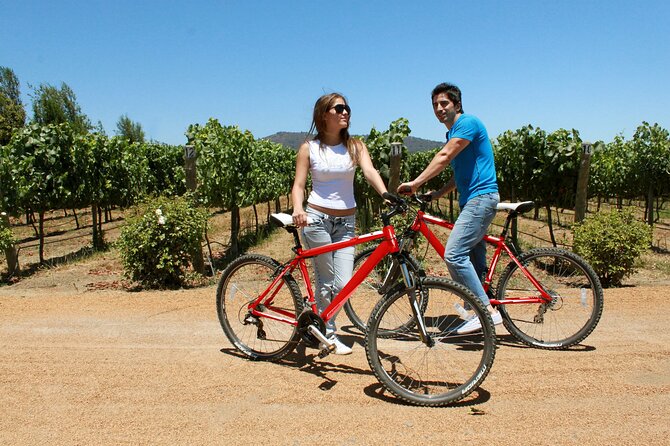
The tour includes outdoor picnic snacks, plus the wine tasting experience with 3 wines for adults only. The day also includes a Santa Rita wine glass, which is a small souvenir but also signals you’ve completed the official tasting flow.
One practical note from the way the day is structured: lunch time might not feel like a long relaxed meal. You may have quick moments to eat and then move on. That can work well if you’re happy with snacks and want to keep moving, but if you love sitting down for a full lunch at the winery restaurant, plan to do that either earlier or later on your own.
For your wine enjoyment, I’d approach tastings as comparisons, not as a finish line. Try to identify what changes between the wines you taste during the day, because the tour is set up so you build context. Carmenere focus first, then Santa Rita’s wider range and process.
And yes, you should drink water alongside wine. It’s easy to get swept up in the day and then realize you’re thirsty at the wrong time.
The Santa Rita grounds and the Andean Museum with around 3,000 artifacts
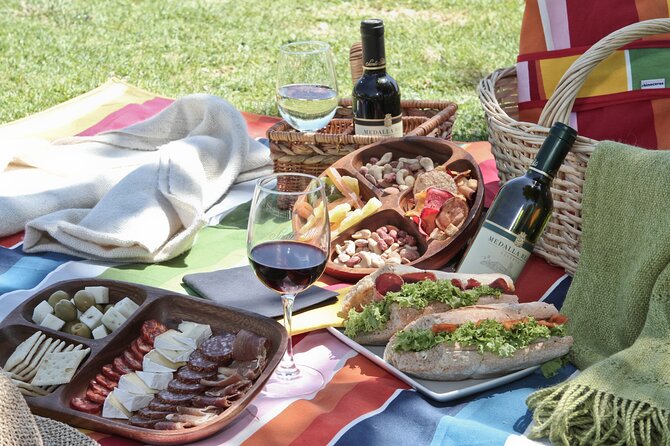
After the main wine and production stops, the tour includes free time on the Santa Rita grounds. This is where you can shift from guided talking to your own pace.
One highlight is the Museo Andino, housed in a modern building with a collection of about 3,000 archaeological and ethnographic pieces from pre-Columbian peoples. If you’re the kind of person who likes culture that’s not just architecture and street views, this stop is a smart add-on. It also gives your senses a rest from wine and sun while still keeping you on-site.
You’ll also have time for the landscaped gardens and the wine shop, where you can pick up souvenirs or more bottles if the tasting hit your taste buds.
How to spend the free hour:
- If you love the museum, prioritize it first so you do not lose momentum later.
- If you love photo time, do gardens and shop second, when your brain already feels less “on the clock.”
This is a rare winemaker day that also gives you a meaningful culture stop, not just a gift shop and a ride back.
Bikes, helmets, pacing, and the bilingual guide setup: make it work for you
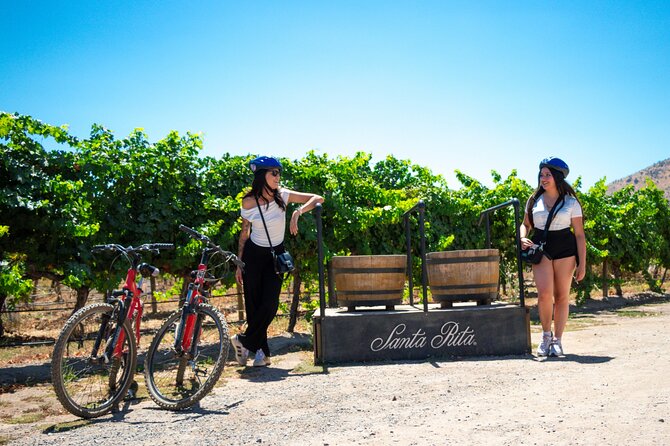
This tour is set up for a small group and a smooth flow, but the details that matter most to your comfort are bike and timing.
From what’s been described about the day, people who loved it often praised the bike ride as fun and easy, with guides stopping in shaded spots to explain the vineyard sections. Others felt the ride was too short, too frequent in stopping, or too fast for comfort. You can’t control other people’s opinions, but you can control how you prepare.
Do this before you start pedaling:
- Confirm your pickup point if the meeting location is near a large mall. City scales matter when instructions are vague.
- Check that you have the right bike size and that the saddle feels safe and stable.
- Put on the helmet correctly and do not let it ride loose. (A safe ride is part of the tour promise.)
- Expect a guided pace where explanations can mean you stop often.
On the language side, the tour uses a bilingual guide setup (English-Spanish). In some formats, there may be moments where language repeats back-to-back. That’s not wrong, it’s just how guided bilingual days can run, and it can affect how fast the schedule feels.
If you’re the type of person who needs uninterrupted explanation time, tell the guide at the start what you prefer, English first or Spanish first.
Price and value at $123 per person for a 9-hour winery day
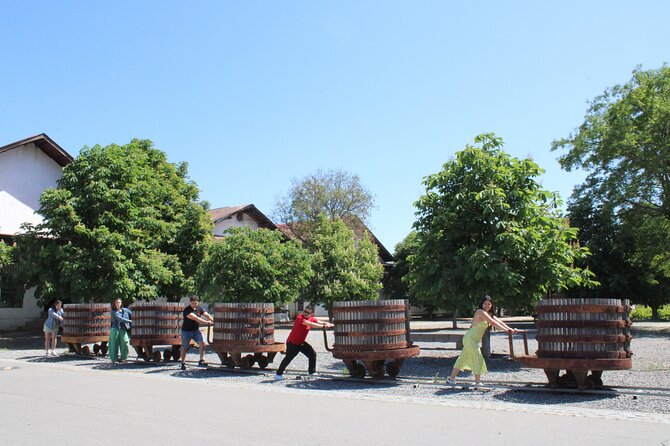
At $123 per person for about 9 hours, the value depends on what you want most: wine access, guided winery storytelling, and low-stress logistics.
For the price, you get a lot bundled:
- Round-trip transport to and from your Santiago hotel pickup area
- Bilingual guide support
- Santa Rita wine tour experience
- Carmen Winery stop
- Bike and helmet use for the cycling portion
- Outdoor picnic snacks
- 3 wine tastings for adults
- A Santa Rita wine glass
- Museum access included, about an hour
If you tried to stitch this together yourself, you’d pay for transportation, then pay for separate winery tours, then deal with scheduling between two wineries. The tour’s real money-saving advantage is time and coordination, not just the tasting.
Who it’s best for:
- First-timers to Chile wine who want structure and explanation.
- People who like active travel but want it gentle.
- Anyone who wants both Santa Rita culture and a Carmenere-focused lesson in one day.
Who might want to think twice:
- You want a long cycling workout and a steady ride.
- You care deeply about bike maintenance details and prefer a very polished rental bike experience.
- You need lots of independent time for a deep museum visit, since the day is timed and shared.
Who should book this Maipo Valley day, and who should skip it
I’d book this if you like the idea of connecting grape to place, then place to people and history. Santa Rita is old enough to carry strong stories, and the museum add-on gives you something to do besides wine.
I’d skip it or choose a different format if your top goal is a long-distance bike ride with big open-road time. This tour is more guided vineyard movement than long-distance cycling.
If your trip timing matters, note that it’s commonly booked about 38 days in advance and operates with a maximum group size of 10. That small-group limit is part of the appeal, so waiting for the last minute could cut your options.
Should you book Viña Santa Rita: History, Wine and Picnic Outdoors?
Book it if you want an easy, structured day that mixes two wineries plus a real culture stop, with 3 wine tastings and transport handled for you. It’s especially good if you’re curious about Carmenere but do not want to self-plan a two-winery itinerary.
Before you go, do two things to protect your day:
- Confirm where you meet at the start, since big-city pickup points can get confusing around malls.
- Check bike comfort early, because you will feel every bad adjustment during the cycling portion.
If you’re open to a guided ride, clear wine explanations, and a museum visit in the middle of a winery day, this is a fun way to see Maipo Valley without turning it into a logistics project.
FAQ
How long is the Viña Santa Rita bike and wine tour?
The tour is about 9 hours.
What is included in the wine and picnic experience?
You get Santa Rita wine tour time, a picnic with outdoor snacks, and tasting of 3 wines for adults only. You also receive a Santa Rita wine glass and use of a bicycle.
Do I get picked up in Santiago?
Yes. Round trip transfer from centrally located Santiago hotels is included, and you’ll travel in an air-conditioned minivan.
How many people are in the group?
The tour has a maximum of 10 travelers.
Is the Andean Museum included?
Yes. Museo Andino is included and you have about 1 hour there, with around 3,000 pre-Columbian artifacts.
Can I get a full refund if I cancel?
Free cancellation is available up to 24 hours in advance for a full refund. If you cancel later than that, the amount paid is not refunded.
More Historical Tours in Santiago
- Santiago: Guided Walking Tour of the Historical Old Town
★ 4.8 · 459 reviews - Viña Del Mar and Valparaiso world heritage site.
★ 4.5 · 89 reviews - Essence of Santiago : History, Flavors and Panoramic Views
★ 5.0 · 45 reviews - Santiago Walking Tour: Heart of Santiago, Queer History & Culture
★ 5.0 · 27 reviews
Freshly reviewed in Santiago
- Colchagua Full Day Wine Tour: Casa Silva & L’Apostolle Wineries★ 4.0 · 3 reviews
- Santiago De Chile Highlights Walking Tour with a Guide★ 5.0 · 3 reviews
- Santiago de Chile: Half-Day City Tour with Local Cuisine★ 4.5 · 3 reviews
- Portillo & Laguna del Inca with Lunch at the Hotel Portillo★ 5.0 · 3 reviews
- Cajon del Maipo & Embalse El Yeso Tour from Santiago★ 3.5 · 3 reviews
- Full day hike to the viewpoint of Condores, Cajon del Maipo★ 5.0 · 3 reviews
- Kayaking Day Trip in the Andes from Santiago★ 5.0 · 3 reviews
- Private Transportation from Santiago or Santiago Airport AMB to Valle Nevado★ 3.5 · 3 reviews
Maipo Valley Wineries, compared.
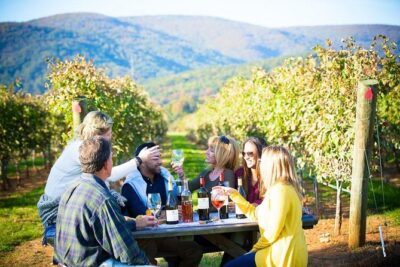
Maipo Valley Wine Tour with 4 vineyards from Santiago.
Read our review →
Marquis de Casa Concha: Wine tasting in Concha y Toro
Read our review →

Concha y Toro Vineyard Tour w/ Transfer & Tasting
Read our review →
Maipo Valley Wine Tasting Tour with 4 Vineyards
Read our review →
Santa Rita Vineyard Tour with Lunch An unforgettable experience!
Read our review →
Traditional Wine Tour in Viña Cousiño Macul Official English
Read our review →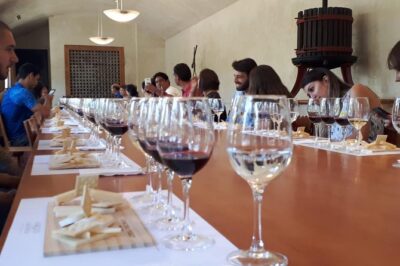
New Concha y Toro Tour Marques with class, extra tasting y food
Read our review →Browse the lists this tour appears in