
Reviewed · WALKING TOURS
Santiago Walking Tour: Heart of Santiago, Queer History & Culture
Santiago’s streets can feel like they’re telling one official story. This tour is interesting because it slows you down and reads the city through Queer History & Culture, tying what you see in public spaces to what happened in Chile’s recent past.
I like the way the route starts at La Moneda Palace, a practical place to orient yourself fast, and then turns into real conversation about democracy, cultural change, and LGBT life. I also like that guides can be like Freddy and Mauricio, warm and inclusive, with enough city context to make you feel comfortable walking on your own afterward.
A possible drawback: this is a walking tour and it depends on good weather, so if you hate being outdoors for a few hours, bring a rain layer just in case and plan for steady steps.
Key highlights you’ll care about
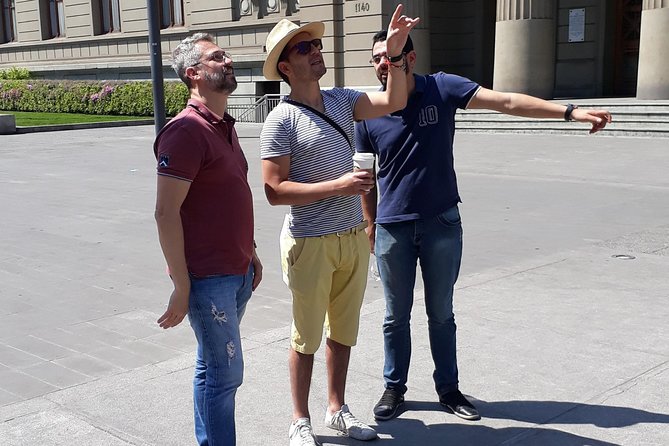
- A tight 10-person group keeps the tone welcoming and the Q and A actually works.
- Historic stops with free entry at key sights means you spend time learning, not ticket lines.
- One route, two stories: Chile’s political turning points plus how they shaped LGBT acceptance and community spaces.
- Photography-friendly viewpoints at La Moneda and Santa Lucía Hill.
- Central-city pacing that starts at La Moneda and ends in Lastarria, where you can keep going for food.
Heart of Santiago, Queer History, and the Politics Behind the Side Streets
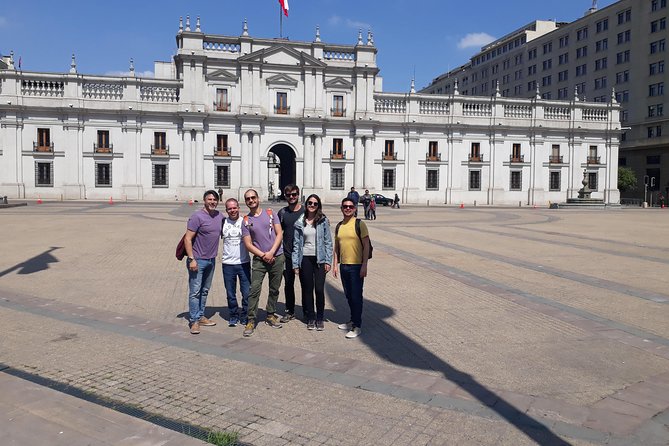
This Santiago walking tour is built for people who want the city’s big landmarks, but also want the missing context. You’ll move through central Santiago and get the through-line between public power, public culture, and how LGBT community life found ways to survive and be visible.
I like that it’s not just names and dates. The focus is on how public spaces in the city became stages for acceptance, protest, and everyday meeting points, including where LGBT people used to gather in earlier times.
The group stays small, so it feels more like walking with a knowledgeable friend than being herded. And you finish near Lastarria, which is handy if you want a simple plan for dinner and a pre-game walk through a lively neighborhood.
More Walking Tours in Santiago
- The best walking tour in Santiago de Chile
★ 5.0 · 629 reviews - Santiago Half-Day Walking Tour with Hotel Pick up & Food Sample
★ 4.5 · 467 reviews - A Fabulous Walking tour by the Old Santiago of Chile –
★ 5.0 · 466 reviews
La Moneda Palace: Democracy, Photo Stops, and Why This Building Matters
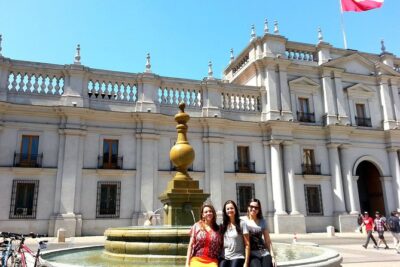
You start at La Moneda Palace, the kind of place you notice immediately because it’s so tied to state power. You’ll learn about the building’s role in Chile’s democracy story and how the country’s development changed since the 1970s, with specific attention to the political breakdown in 1973 and its wider cultural effects.
This is also your first practical break for photos. The stop is short, about 15 minutes, but it gives you a good chance to frame the palace and orient yourself with the surrounding streets.
One thing to keep in mind: because this is the opening stop, you’ll get a lot of context quickly. If you like taking notes, bring a phone notes app or a small notebook so you can capture the key ideas before the pace moves on.
Plaza de La Constitución: 1973, Cultural Shifts, and LGBT Development
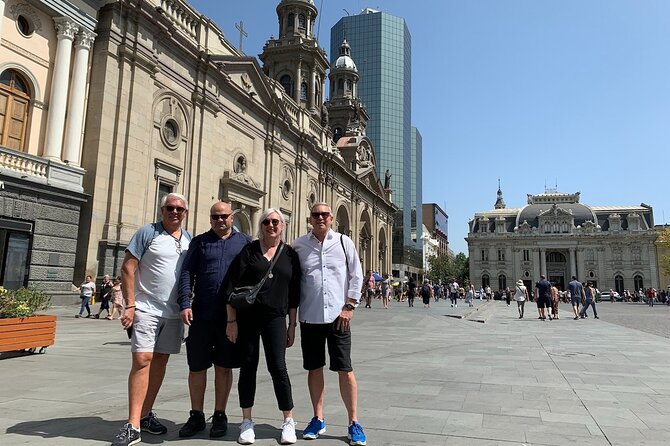
From La Moneda you cross to Plaza de La Constitución, opposite the palace, and the tour zooms in on the aftermath of Chile’s 1973 democracy breakdown. You’ll connect the political shock to the cultural climate that followed, including how that affected LGBT development in Chile.
This stop is also about 15 minutes, so think of it as “important context, clear and direct,” not a long lecture. You’re standing in a civic space, so the story makes sense physically. You can almost feel the contrast between public life and the changes that came next.
If you’re the kind of traveler who likes to understand what you’re actually seeing, this section pays off. You’ll start noticing how monuments and plazas can act like signals, even when they’re not explicitly labeled.
Palacio de Tribunales de Justicia: Architecture, Quick Stops, and Hidden Messages
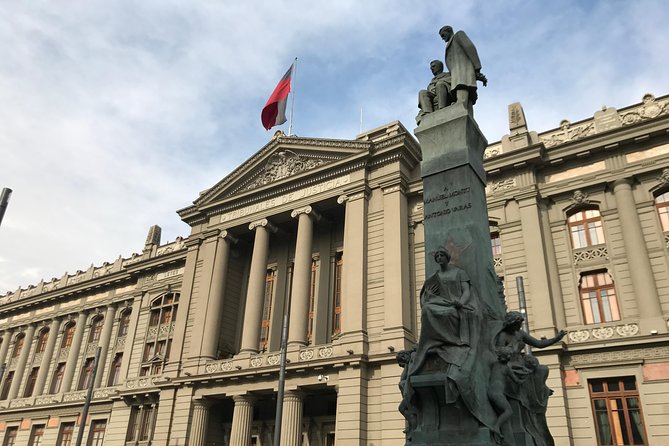
Next comes a quick appreciation stop at the Palacio de Tribunales de Justicia area. The tour is brief here, around 5 minutes, but it’s designed to get you to look harder at what’s around the court palace.
You’ll focus on architecture and on the idea that buildings can carry hidden messages through their design and construction. Even if you’re not an architecture nerd, this short stop is useful because it teaches you a way to see the city beyond the postcard angle.
The tradeoff is time. This portion won’t feel long enough if you’re craving a deep dive into the building itself. But as a piece of the overall narrative, it keeps the tour moving without losing the theme.
A few more Santiago departures to weigh up
- Santiago: Guided Walking Tour of the Historical Old Town
★ 4.8 · 459 reviews - Tour Viña Santa Rita: History, Wine and Picnic Outdoors
★ 4.5 · 141 reviews - Viña Del Mar and Valparaiso world heritage site.
★ 4.5 · 89 reviews - Essence of Santiago : History, Flavors and Panoramic Views
★ 5.0 · 45 reviews
Plaza de Armas: Origins of the City and the Spot Linked to Early LGBT Protest
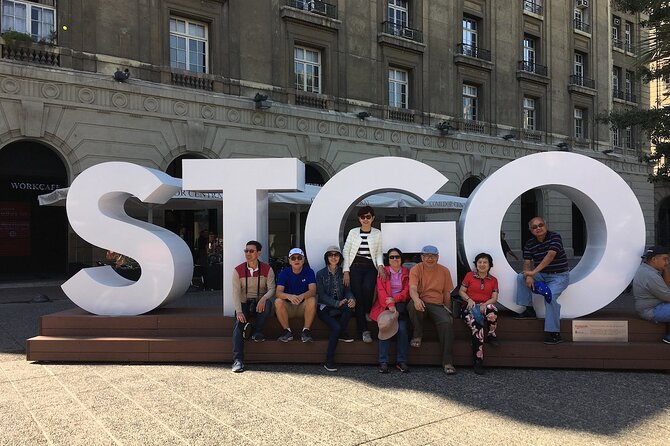
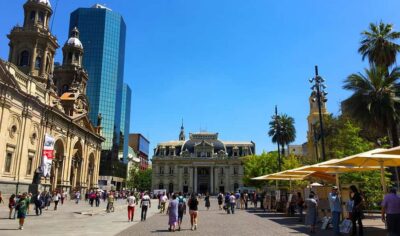
Plaza de Armas is where the tour slows down the most. You’ll spend about 30 minutes here, starting with the city’s origins and talking about the difference between official history and what people choose to highlight or question.
This is also where you get the LGBT-specific stories tied to public life in Santiago. The tour includes time at the spot where the first LGBT protest took place in Chile, plus context about diversity and acceptance in the country.
And yes, there’s plenty to explore while you’re there. You’ll have time to look around nearby buildings like the cathedral and the National Museum, so this stop works as both a lesson and a mini walking break.
Practical tip: Plaza de Armas can be busy at peak times. If you prefer calmer photos, keep your camera ready but don’t stress about getting every shot. The story matters more here than any one angle.
Santa Lucía Hill Walk: Views, First Inhabitants, Spanish Conquerors, and LGBT Connections
After Plaza de Armas, you move to Santa Lucía Hill. The walking time here is about 40 minutes, and it’s one of the best parts for views and atmosphere because you’re using the parks and paths of the hill as a moving classroom.
You’ll learn why the hill mattered to the first inhabitants of Chile, how Spanish conquerors related to it, and how the hill connects to the LGBT community. The LGBT link is presented as a thread across the broader meaning of the place, rather than a detached fact.
This is also a strong photo stop. You’ll get a different skyline perspective compared with the flat central streets, and it’s a good moment to pause and take in how Santiago sits together.
One more practical note: because this is park paths and hill walking, wear shoes with grip. Even on a good-weather day, you’ll feel the steps and uneven ground.
From La Moneda to Lastarria: Finishing With City Bearings and Food Options
The tour meets at La Moneda and ends in the Lastarria area, near José Victorino Lastarria. That ending location matters because it turns a “culture lesson” into an “I can keep exploring” advantage.
In particular, the tour ends with help finding your way around Lastarria and pointing you toward main restaurants. If you’re trying to avoid decision fatigue after a few hours of walking, that’s a genuine benefit.
Guides also tend to tailor the final moments to your interests. In the feedback I saw, people liked that Freddy and others could make recommendations based on what they cared about, whether that was sights, nightlife, or how to move around with safety in mind.
And there’s one small extra you might be offered near the end. One guest mentioned tasting a pisco sour at CH-PE as a perfect close, which sounds like the kind of local break that can make the whole tour feel more memorable.
Price and Value: What You Get for $65 and About How Long You’ll Be Walking
At $65 per person for a 2 to 4 hour experience, you’re paying for a specialized guide-led route through central Santiago. That can sound steep until you compare it to what you’d spend on your own time trying to figure out the right places and then searching for the missing context.
Here, the value is in three areas:
- A curated route that ties political history to LGBT community stories, using real city spaces.
- Small-group size up to 10, which usually means more interaction and fewer awkward pauses.
- Efficient pacing across major points in central Santiago, from La Moneda to Santa Lucía Hill and into Lastarria.
Duration flexibility matters too. If you have limited time, you still get the core stops. If you can linger, the guide can often adjust pacing so you don’t feel rushed out the door.
If you want a safe bet for your first day, this tour also helps you build bearings fast, which makes the rest of your Santiago time easier.
Guides, Tone, and Inclusivity: What the Experience Feels Like in Real Life
A standout theme is the guide style. People consistently highlighted Freddy for being engaging, passionate, and balanced in how he shared history and LGBT stories, with a clear emphasis on making everyone feel comfortable.
You may also run into other guides connected to Pride Tours. Mauricio and Ivan were both mentioned in feedback, and the common thread was attentive care, friendly energy, and practical guidance.
One detail I really appreciate from that feedback: a guide can coordinate the meeting point clearly and even share a safety-friendly reference like a photo. That reduces the usual stress of meeting someone new in a busy central area.
This tour also works well if you’re traveling solo. Multiple people described it as feeling like walking the city with a friend who knows the right places and who can help you shape next steps.
Who Should Book This Tour, and Who Might Prefer Something Else
I think this tour is a good match if you want:
- LGBTQ+ history and culture connected to real places, not just generic background.
- A route that starts with big landmarks and ends in a neighborhood where you can eat afterward.
- A small group experience with room for questions.
It might be less ideal if:
- You strongly dislike walking outdoors for a couple of hours.
- You prefer purely celebratory storytelling and want to avoid context related to political breakdown and its consequences.
- You want long, slow museum-style time at a single venue, because several stops are intentionally short.
Should you book this Santiago Walking Tour?
If you care about understanding how Santiago’s public spaces connect to Chile’s modern political story and LGBT community history, this is an easy yes. The small group size, free entry at key stops, and the way the tour builds you toward Lastarria make it feel like good value, not just a themed walk.
Book it if you want a first-day win: clear city bearings, thoughtful context, and a friendly guide who helps you feel comfortable moving around. Skip it only if you can’t handle steady walking or you prefer a tour with fewer context-heavy stops.
FAQ
How much does the Santiago Walking Tour: Heart of Santiago, Queer History & Culture cost?
It costs $65.00 per person.
How long is the tour?
The tour lasts about 2 to 4 hours.
What is the maximum group size?
The tour has a maximum of 10 travelers.
Where does the tour start and where does it end?
It starts at La Moneda in Santiago and ends around José Victorino Lastarria, in the Lastarria District area.
When will I get confirmation after booking?
You receive confirmation within 48 hours of booking, subject to availability.
Are service animals allowed?
Yes, service animals are allowed.
What is the cancellation policy?
You can cancel for a full refund up to 24 hours before the experience starts. If you cancel less than 24 hours before, the amount paid is not refunded. The tour also requires good weather. If it’s canceled due to poor weather, you are offered a different date or a full refund.
Freshly reviewed in Santiago
- Colchagua Full Day Wine Tour: Casa Silva & L’Apostolle Wineries★ 4.0 · 3 reviews
- Santiago De Chile Highlights Walking Tour with a Guide★ 5.0 · 3 reviews
- Santiago de Chile: Half-Day City Tour with Local Cuisine★ 4.5 · 3 reviews
- Portillo & Laguna del Inca with Lunch at the Hotel Portillo★ 5.0 · 3 reviews
- Cajon del Maipo & Embalse El Yeso Tour from Santiago★ 3.5 · 3 reviews
- Full day hike to the viewpoint of Condores, Cajon del Maipo★ 5.0 · 3 reviews
- Kayaking Day Trip in the Andes from Santiago★ 5.0 · 3 reviews
- Private Transportation from Santiago or Santiago Airport AMB to Valle Nevado★ 3.5 · 3 reviews
Walking Tours, compared.

Walk with Penguins on Magdalena & Marta Island
Read our review →
Santiago Half-Day Walking Tour with Hotel Pick up & Food Sample
Read our review →
A Fabulous Walking tour by the Old Santiago of Chile –
Read our review →
Santiago Half-Day Walking Tour with Hotel Pick up & Brunch
Read our review →
Santiago Skyline: Cable Car & San Cristobal Walking Tour
Read our review →Browse the lists this tour appears in