
Reviewed · NATIONAL PARKS
From Punta Arenas: Pali Aike National Park
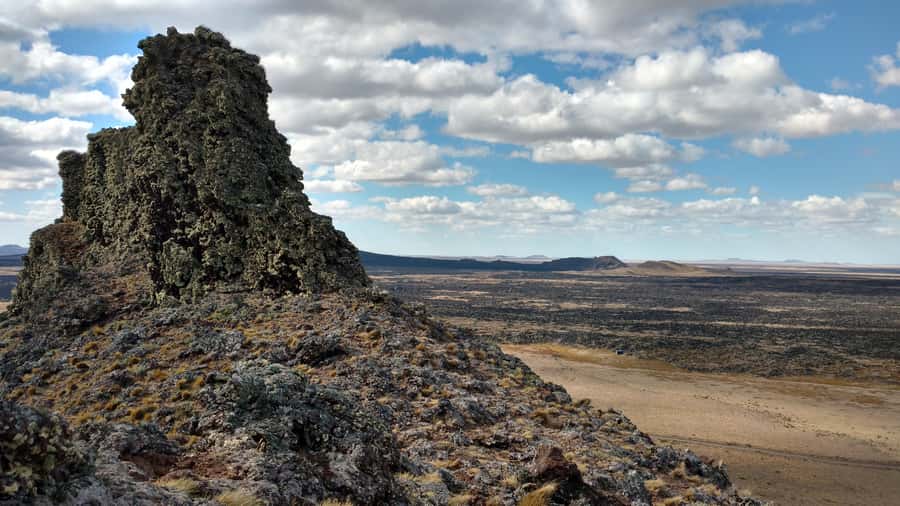
Pali Aike National Park is interesting because it feels like Patagonia’s volcanic “leftovers,” a steppe of black basalt, odd craters, and stories tied to the Tehuelche language. The big draw is the mix of geology and human presence, from Magellanic evidence to places named with a hint of old fear: Escorial del Diablo and La Morada del Diablo.
I love the chance to walk across basaltic lava terrain that shaped everything around it. I also love that the route ties that scenery to people, including a stop at Pali Aike Cave, where evidence of Magellanic inhabitants has been found.
One drawback to keep in mind is logistics. This tour uses a shared transfer, and the park entrance fee is not included, so you will want to plan for extra costs and make sure pickup details are clear before you count on them.
Key highlights to know before you go
- Basaltic lava walking on a terrain formed by multiple eruption periods
- Escorial del Diablo and La Morada del Diablo craters as the headline stops
- Pali Aike Cave with evidence of Magellanic inhabitants
- Pozos del Diablo and Laguna Ana for variety beyond the lava fields
- Small group format, limited to 10 participants, with bilingual guidance (English and Spanish)
Pali Aike From Punta Arenas: why this tour can feel like a full-day “science trip”
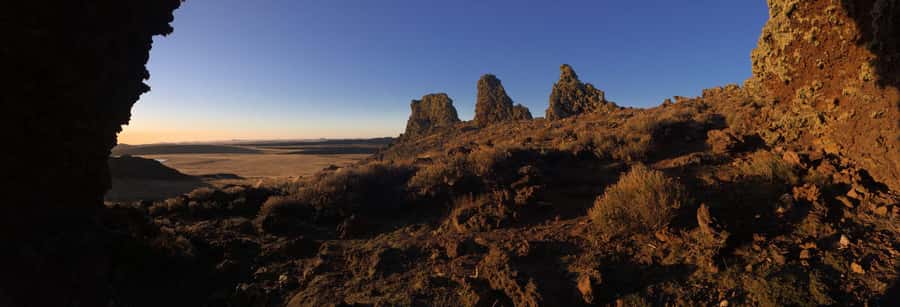
Pali Aike National Park sits in north Patagonia’s arid steppe zone, and the tour is built around one main idea: the land’s volcanic past explains the scenery you see today. Even if you do not consider yourself a geology person, you’ll start noticing patterns fast, because the basaltic lava creates hard edges, dark ground textures, and crater-like forms that look almost man-made.
The day is also about timing. You depart Punta Arenas and spend a good chunk of the time trekking, about 3 hours, to hit the park’s standout points in a single run. The total duration is listed as 690 minutes, so it is a true full-day outing, not a quick stop.
A few more Punta Arenas departures to weigh up
- King Penguin Nature Reserve – Tierra del Fuego Island
★ 4.0 · 73 reviews - 4-Days Trip to Puerto Natales & Torres del Paine National Park
★ 5.0 · 9 reviews - Self Drive Experience in Torres del Paine National Park – 6 Days
★ 4.5 · 3 reviews
The Tehuelche name, and why the park feels like it has stories
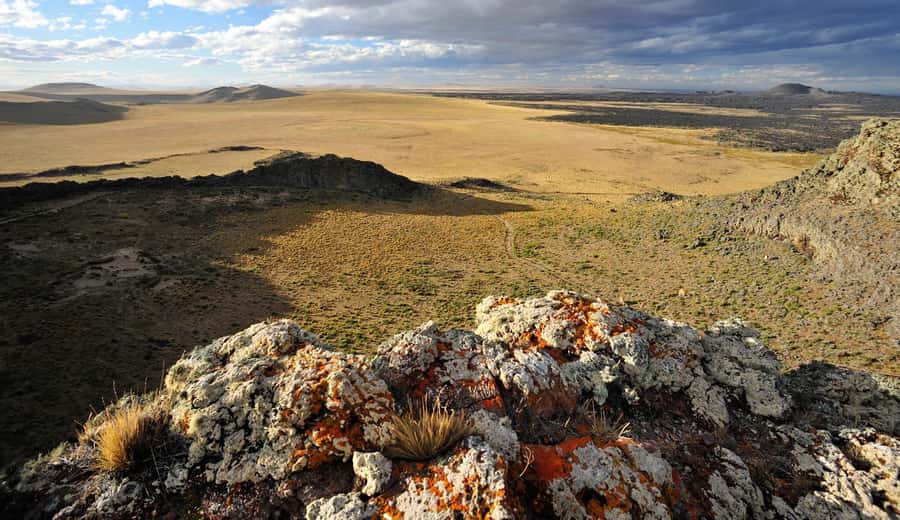
The name Pali Aike comes from the Tehuelche language, and it has been translated as desolate place, or place of evil spirits. That matters because the park’s special points are not just physical. They are named with atmosphere, especially the Diablo sites, and those names help you connect what you see with the way different groups have interpreted this harsh terrain.
You will also hear the timeline that makes the park more than scenery. Evidence suggests that about 12,000 years ago, the first humans arrived here and used shelters connected to the environment, described as some airplanes. The tour frames this alongside a period when mega fauna were present, and some of those animals could serve as food.
If you like tours that give you a “why,” Pali Aike fits. The volcanic ground is the stage, and the human and animal stories are the plot.
Basaltic lava terrain: what you are walking on (and why it looks lunar)
Here’s what I find most convincing about this park: the scenery is not random. You are told that volcanic activity happened in three periods of strong eruptions, and the terrain is largely dominated by basaltic cones and lava flows. That explains why so much of the area looks dark, rough, and oddly shaped, like a weathered version of another planet.
On your walk, you can expect the feeling of moving through volcanic ground with a “set” path of features, rather than a smooth trail through greenery. This is a steppe environment, so you are likely to spend most of the time in open, exposed terrain with wide sightlines.
Practical note: because you are trekking in a dry steppe and volcanic surfaces can be uneven, you should plan on a steady, careful pace. The tour focuses on covering key points, not on long, slow hikes through varied forest.
Escorial del Diablo and La Morada del Diablo crater: the must-sees
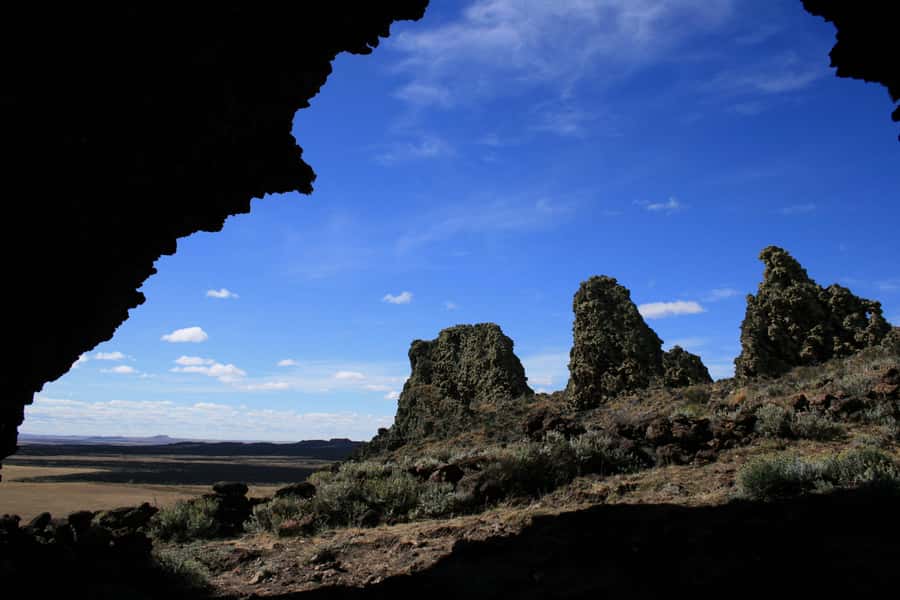
If you only care about the “wow” factor, start with the Escorial del Diablo and La Morada del Diablo stops. These are highlighted as unmissable, and the names line up with the visual impact.
Escorial del Diablo is presented as a signature stop within the park’s volcanic world. The word escorial is tied to volcanic output, and in practice that usually means you are looking at textured volcanic material shaped by eruptions. Even without technical vocabulary, you can usually read it as a place where lava hardened into distinctive forms.
Then comes La Morada del Diablo, which is described as the crater area that you should not skip. A crater setting is one of the few things in nature that automatically changes your perspective. You go from walking across open surfaces to standing in a bowl-like depression, and that shift helps you understand how volcanic forces carved space into the land.
This is where the tour earns its reputation as more than a casual walk. You are not just strolling, you are visiting the park’s most dramatic structures.
The other half of a Punta Arenas week:
- Punta Arenas: Walk with Penguins on Magdalena & Marta Island
★ 4.6 · 611 reviews - Punta Arenas: Full-Day Whales, Penguins, and Glaciers Tour
★ 4.9 · 325 reviews - Whale and Glacier Watching from Punta Arenas Francisco Coloane Park
★ 5.0 · 254 reviews - Punta Arenas: Full Day Tierra del Fuego & King Penguins
★ 4.3 · 179 reviews
Pali Aike Cave, Magellanic evidence, and what that adds to the scenery
One of the best reasons to take this guided day is the stop at Pali Aike Cave. The tour specifically mentions that evidence of Magellanic inhabitants has been found there, which gives you a direct human anchor to the volcanic ground.
When you are standing somewhere like a cave site, geology alone can feel abstract. But the moment you hear about people using the location, the textures of the ground and shelter logic become easier to grasp. Instead of just seeing “black rock,” you start picturing survival needs in an arid steppe.
The tour also frames the cave within a broader story of exploration, ranchers, and scientists over time. That means the day can feel like a guided walk through layers of interpretation, from prehistoric use to later study.
Pozos del Diablo and Laguna Ana: variety when the ground gets repetitive
Even in a place known for lava, it helps to have stops that change what you see. Two of the highlighted ones are Pozos del Diablo and Laguna Ana.
Pozos del Diablo adds another named landform category. In volcanic regions, “pozos” can suggest pit-like features or depressions, and the tour presents it as part of the key set of sites you will walk through. That gives you a reason to look for dips, holes, or uneven ground rather than treating everything as the same lava field.
Then you have Laguna Ana, which is a welcome contrast. A lagoon setting usually changes both views and the way you feel the terrain, because water features create a different focal point. Even if it is not a long stay, having a stop like that helps break up the “all lava, all the time” feeling.
The trek rhythm: about 3 hours of walking, and how to make it easier
The tour includes a trekking time of about 3 hours, designed so you can see all the places of interest without turning the day into an endurance event. Still, you should treat this as active walking through uneven volcanic ground and open steppe conditions.
A few things to plan around:
- You will likely be exposed more than you expect, so bring sunscreen even if the day feels cool.
- Wear footwear with grip, because volcanic surfaces can be slick or irregular.
- If you get tired easily, set your own pace early. This is the kind of landscape where slowing down a little makes the features more enjoyable, not less.
Since it is a small group limited to 10 participants, you can usually expect the guide to keep people together, but you should still be ready for a steady day rather than lots of long stops.
Price and value at about $140 per person: what you get, what you still pay
The price is listed as $140 per person. For a day trip that includes a shared transfer and a bilingual guide, that can make sense, especially if you do not want to figure out transportation and route planning on your own.
Here’s the tradeoff. The park entrance fee is not included. Meals are also not included, and accident insurance is not included. Those missing pieces matter because they change your total cost once you are already in Punta Arenas.
So the real value equation looks like this:
- Included: shared transfer, bilingual guide (English and Spanish)
- Not included: park entrance fee, meals, accident insurance
If you are the type who likes guided interpretation and a focused route, you are paying for convenience plus explanation. If you want to keep costs tight and you are comfortable arranging transport, you might prefer a different setup.
Small group, bilingual guide, and what that means for your day
This is listed as a small group, limited to 10 participants, and the guide works in both English and Spanish. That matters because small groups can keep the pace humane and give the guide room to answer questions during the walk.
Also, a bilingual guide is practical here because the park names and local meanings can be confusing if you only get partial context. Clear interpretation helps you understand why a stop is called Escorial del Diablo or what makes La Morada del Diablo distinct.
Rules that actually affect your comfort and planning
The park day includes a few restrictions that can affect how you pack:
- Pets are not allowed.
- Drones are not allowed.
- Alcohol and drugs are not allowed.
You should also remember that the tour is not suitable for wheelchair users. That is usually about uneven ground and the nature of trekking through volcanic terrain, so plan on bringing a body that can handle a 3-hour walk on irregular surfaces.
Practical “before you go” checklist for Pali Aike
Based on what is clearly stated for the tour, here is what you should do to avoid last-minute issues:
- Pack sunscreen.
- Leave pets and drones at home.
- Skip alcohol and plan for hydration as part of your own meal plan since meals are not included.
- Plan for park entry costs since entrance fees are not included.
Also, for a shared transfer day, I suggest you confirm your pickup details clearly before the morning. There have been cases where people waited and were not picked up, with no communication, and that kind of failure can turn a planned day into wasted time.
Who should book this tour (and who should not)
This is a strong fit if you like:
- Geological terrain and named volcanic features
- Short-to-medium trekking with a guided story
- A day that connects landforms to human timelines, including evidence tied to Magellanic inhabitants
It might be a weaker fit if you:
- Cannot do a 3-hour walk on uneven volcanic ground
- Need a fully included package with meals and entrance fees
- Rely on flawless pickup and communication with no room for contingency
If you are traveling solo and prefer group structure, the small group size can be comforting.
Should you book the Pali Aike day from Punta Arenas?
If what you want is a guided, focused way to see the park’s top volcanic and historical stops, this tour makes sense. You get the core set of highlights like Escorial del Diablo, La Morada del Diablo, Pali Aike Cave, Pozos del Diablo, and Laguna Ana, all tied together with bilingual guidance and a manageable trekking block.
That said, I would treat it as a “confirm logistics twice” kind of booking. Shared transfers can be convenient, but when pickup goes wrong, it can wreck the day. If you can verify pickup expectations in advance and you are comfortable with extra costs for entrance fees and meals, this is a worthwhile way to experience Pali Aike’s dark volcanic world with real context.
FAQ
Where does the tour depart from?
The tour departs from Punta Arenas, with a full day experience in Pali Aike National Park.
How long is the Pali Aike Park tour?
The duration is listed as 690 minutes.
Is the trek inside the park long?
You will trek for approximately 3 hours to visit the park’s places of interest.
Is the park entrance fee included in the price?
No. The entrance fee to Pali Aike National Park is not included.
Are meals included?
No. Meals are not included.
Is the tour group small?
Yes. It is limited to 10 participants.
What languages does the guide speak?
The tour includes a bilingual guide in English and Spanish.
Is the tour wheelchair accessible?
No. It is not suitable for wheelchair users.
What should I bring?
The tour lists sunscreen as what you should bring.
Freshly reviewed in Punta Arenas
- Punta Arenas: Magallanes National Reserve and City Tour★ 5.0 · 3 reviews
- Private Punta Arenas Pioneers and Palacios City Tour★ 5.0 · 3 reviews
- Self Drive Experience in Torres del Paine National Park – 6 Days★ 4.5 · 3 reviews
- Full day Private Paine★ 5.0 · 4 reviews
- Torres Del Paine and Milodon Cave Full Day Tour★ 4.5 · 4 reviews
- Torres del Paine & Tierra del Fuego ( king penguis)★ 4.0 · 4 reviews
- Punta Arenas: Austral Dolphin & Wildlife Watching Boat Tour★ 5.0 · 4 reviews
- Private Patagonian Forest Hike in Punta Arenas: 8 Hour★ 5.0 · 5 reviews
National Parks, compared.
Full Day Tour to Torres del Paine National Park
Read our review →
Full-Day Tour Torres del Paine National Park from Puerto Natales
Read our review →
Full-Day Torres del Paine National Park from El Calafate
Read our review →
King Penguin Nature Reserve – Tierra del Fuego Island
Read our review →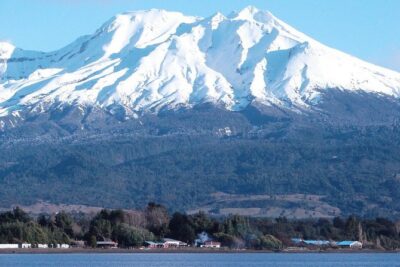
Private Tour: Puerto Montt, Puerto Varas and Vicente Peres Rosales National Park
Read our review →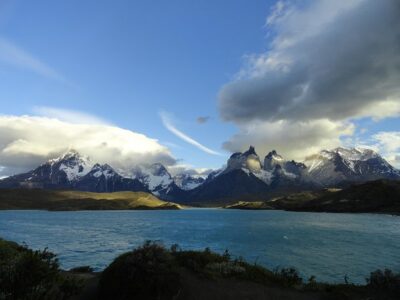
Full-Day Tour of Torres del Paine National Park from Puerto Natales
Read our review →
Osorno Volcano and National Park Shore Tour for Cruisers
Read our review →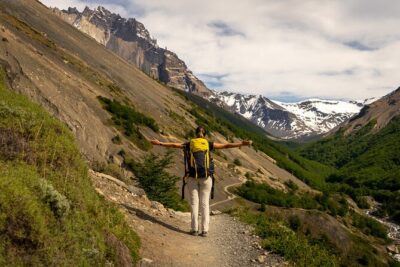
Full-Day Hiking Tour to the Base of Paine Towers at Torres del Paine National Park
Read our review →Browse the lists this tour appears in