
Reviewed · HISTORICAL TOURS
Discover Santiago, where modernity merges with history
This tour is interesting because it shows you how Santiago works, where new buildings sit next to streets shaped by centuries of events. You get a steady rhythm of stops and pass-bys, so you finish with a clear mental map of the city, not just a list of sights. I especially like the small-group feel and the fact that you’re with a local guide who connects the dots between neighborhoods, architecture, and history.
I also like how the tour turns panoramic spots into real context, like the views from Santa Lucía Hill and the government area around La Moneda. Past guides have included people like Carlos and Rodrigo, and they tend to meet questions with clear, human explanations, even if your interests go off-script (football came up in one case).
One drawback to plan for: the Santa Lucía Hill segment involves a walking climb, and on some days it may be closed for maintenance. If you need to avoid stairs or extended walking, build that into your decision early.
Key things to know before you go
- Small-group pace keeps the tour from feeling rushed, and questions stay part of the flow.
- Hotel pickup and drop-off plus an air-conditioned minivan make the short time window feel more useful.
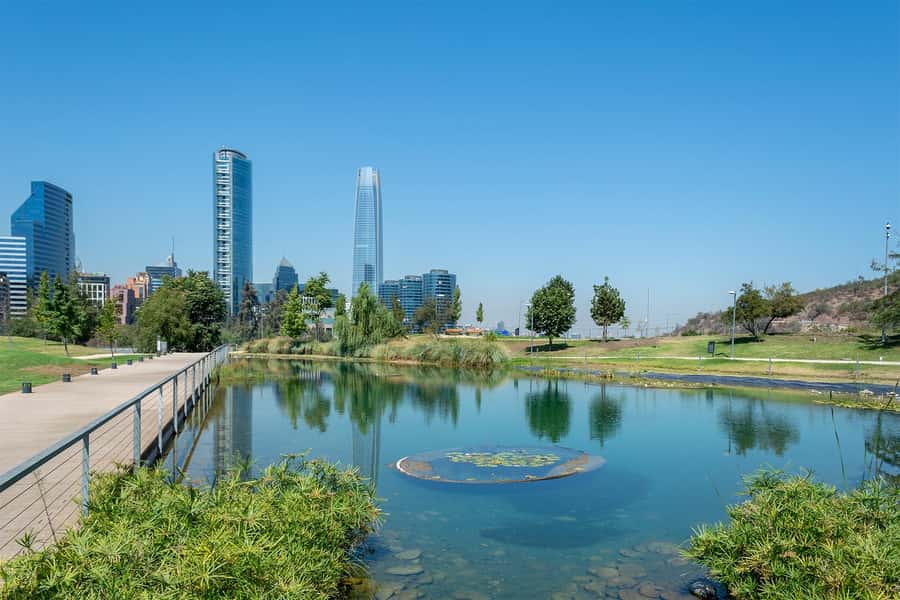
- Bicentenario Park to Santa Lucía Hill gives you big city viewpoints plus street-level context.
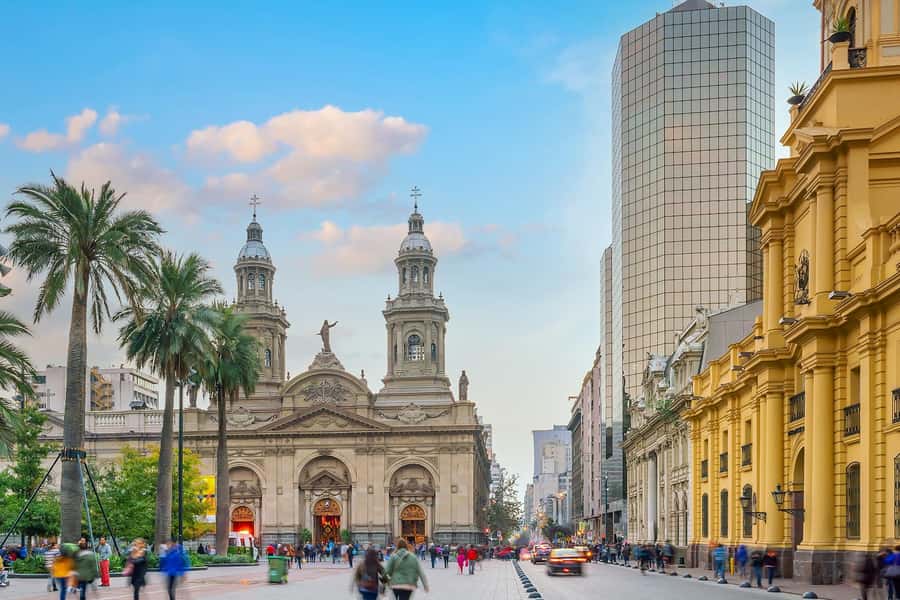
- Downtown stops like Plaza de Armas and La Moneda help you understand how the city’s power and religion shaped its layout.
- San Francisco Church and older landmarks show you how Santiago’s architecture has survived repeated earthquakes.
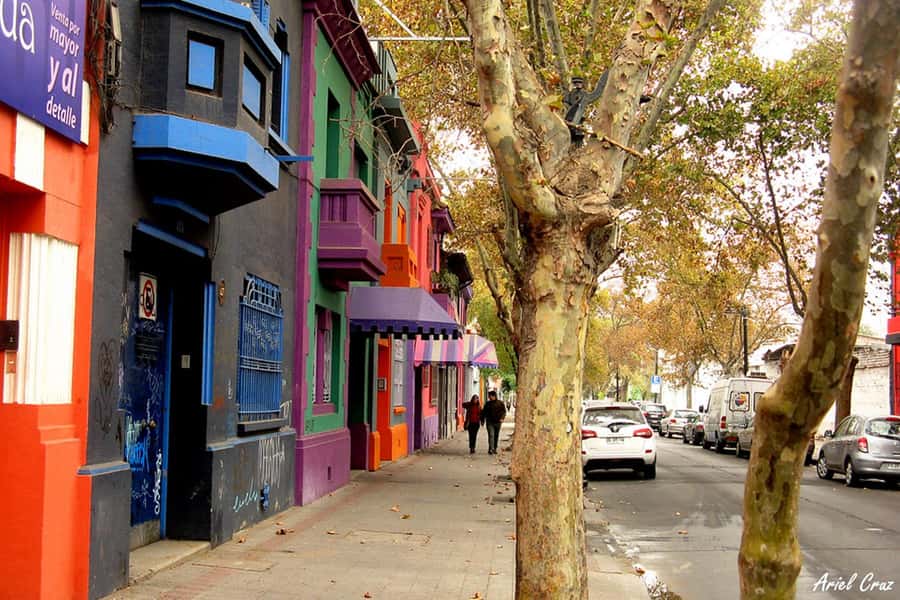
- Local districts like Bellavista and Lastarria help you see where people actually go for culture and dinner.
Why this 4-hour Santiago loop works so well
Santiago is spread out, and a first visit can feel like you’re driving in circles. This tour fixes that by stitching together the city’s main “anchors” in one half-day, then adding a few neighborhood passes so you can picture where everything sits.
The time balance is smart. You get enough time at viewpoints and key downtown areas to make the stops worthwhile, like a longer pause at Bicentenario Park and a dedicated segment on Santa Lucía Hill. At the same time, you see major modern sights fast, like the Costanera Center skyline pass, so you do not spend the whole day sitting in traffic.
I like that you are not trapped in one single theme. The route includes modern Chile (financial district and government buildings), older Chile (historic churches and colonial-era squares), and everyday Chile (pedestrian streets and cultural districts). By the end, you can decide what to revisit the next day.
A few more Santiago departures to weigh up
- Santiago: Guided Walking Tour of the Historical Old Town
★ 4.8 · 459 reviews - Tour Viña Santa Rita: History, Wine and Picnic Outdoors
★ 4.5 · 141 reviews - Viña Del Mar and Valparaiso world heritage site.
★ 4.5 · 89 reviews
Bicentenario Park to Costanera Center: getting your bearings fast
The tour starts with Bicentenario Park, a great first move because it gives you a visual “orientation” over Santiago. You spend about 20 minutes here, and it’s not just a photo stop. You also get a sense of what the city looks like from above and how the green spaces fit into the urban sprawl.
From there, you pass Costanera Center in the financial district, often described as the tallest building in South America. Even if you are not into skyscrapers, this matters because it shows you the modern Santiago story in one look. It is the kind of contrast that makes the rest of the route click later when you’re standing in older parts of town.
This is also where the guide’s style really helps. Guides on this route tend to translate what you are seeing into practical context, so the skyline becomes more than a background. If you are the type who likes to understand the “why,” this opening sets you up well.
Bellavista and Forestal Park: culture districts you can actually feel
Next, the tour slides you through Bellavista, one of the city’s better-known cultural neighborhoods. You drive through the area, with a pass-by of La Chascona, Pablo Neruda’s house, and you get the vibe of where people go for nightlife and after-dinner plans.
La Chascona matters even if you do not plan to go inside. Neruda’s connection gives you an entry point into Chilean arts and identity, and the neighborhood pass helps you picture where that cultural legacy lives in today’s Santiago street life.
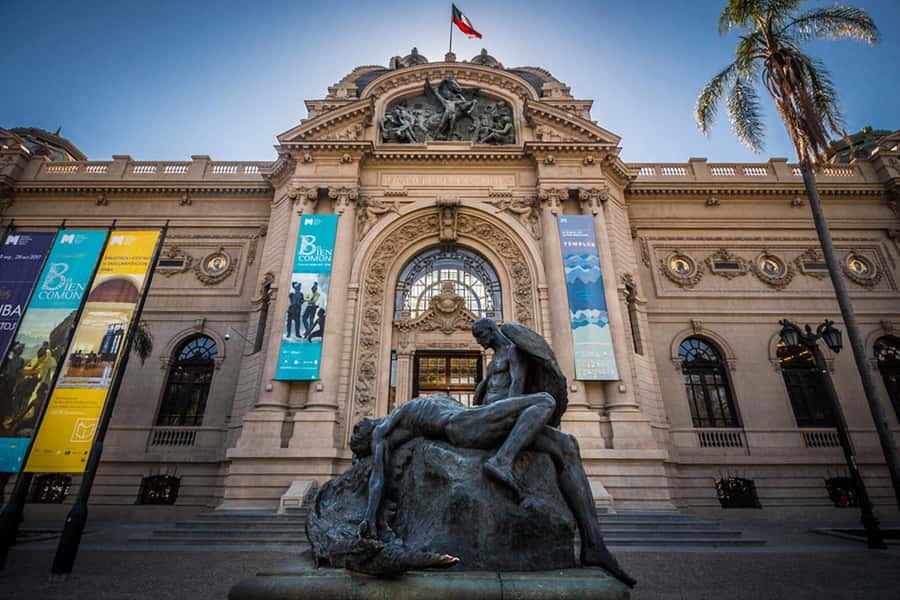
Then you reach Forestal Park, described as French-style and home to Latin America’s first fine art museum. Again, you might not spend long inside, but the pass-by tells you what this area is known for. It’s one of those spots that makes you want to return later, but it also works perfectly as part of a short, first-visit tour because you learn where the art scene clusters.
Old Santiago highlights: San Francisco Church and the oldest layers of the city
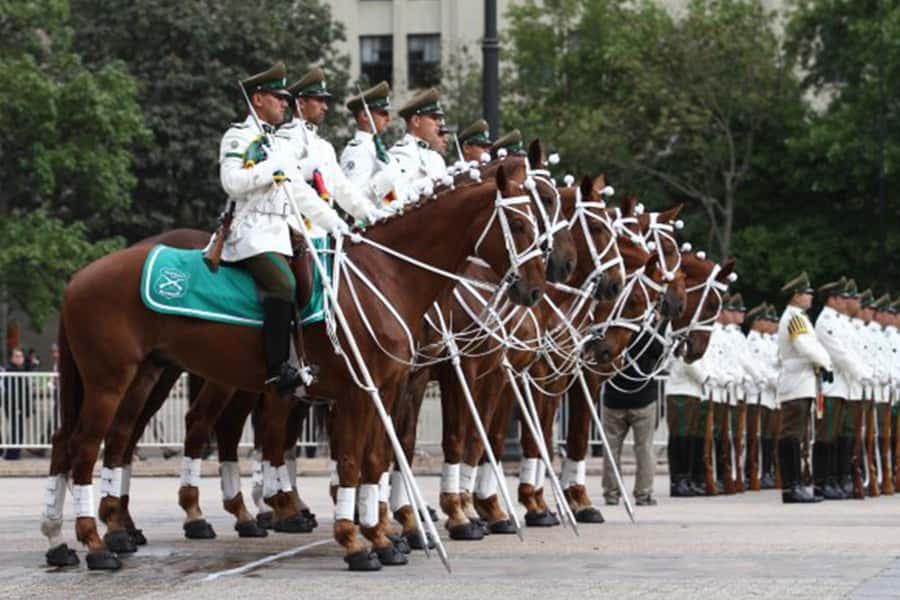
One of the most meaningful pass-bys is San Francisco Church. This is noted as the oldest building in Santiago that has withstood many earthquakes over the centuries. That fact alone changes how you look at the structure. You stop seeing it as just an old church and start thinking about the durability of the city’s built environment.
You also pass the National Library, called the main bibliographic center of Chile. Even if you do not go in, it is a useful landmark because it reminds you that Santiago’s importance is not only political or financial. It’s also about ideas, books, and national memory.
These pass-bys work best when the guide gives you quick context. On this tour, the guides tend to explain enough to make the buildings feel tied to real events. That is what turns a drive-by into something you remember later.
The other half of a Santiago week:
- Valparaiso Port and Viña del Mar with Casablanca Wine Tasting
★ 5.0 · 6,110 reviews - Santiago: Cajon del Maipo/Embalse del Yeso Tour with Picnic
★ 4.3 · 3,789 reviews - Santiago: Vina Del Mar, Valparaiso, Casablanca & Reñaca Tour
★ 4.2 · 2,838 reviews - Cable Car, Funicular and Sightseeing Bus in Santiago one day
★ 5.0 · 2,325 reviews
Santa Lucía Hill: the best 30-minute stretch of walking
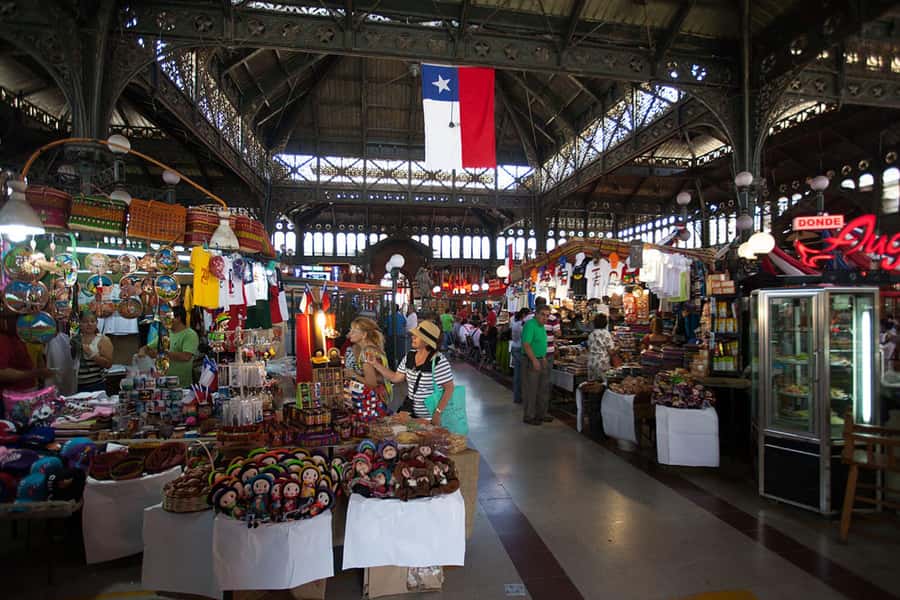
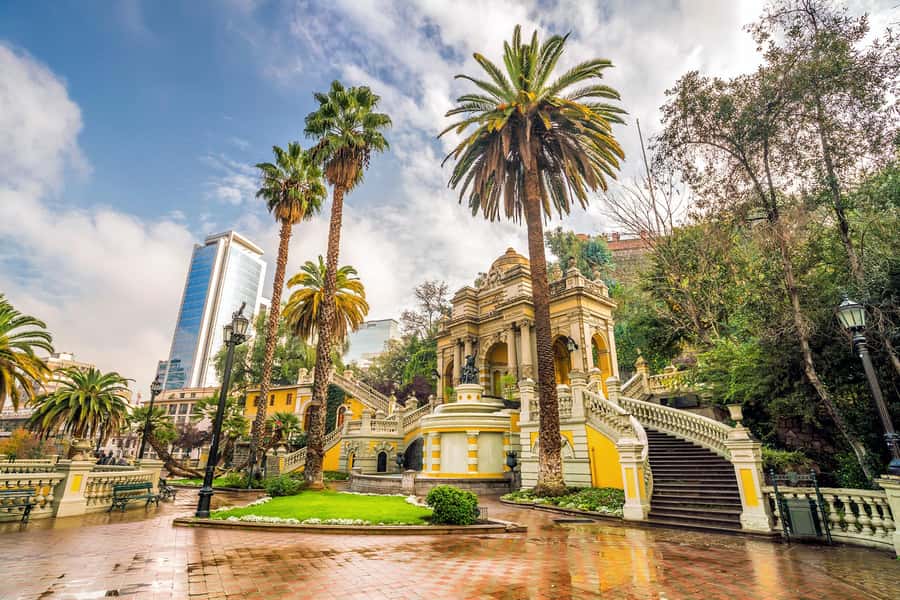
Santa Lucía Hill is the tour’s main “on foot” chunk, about 30 minutes. You climb it on foot, and that is where you get panoramic views plus a history lesson tied to the hill itself.
This is one of the stops you will likely feel most. From up top, you can see how different parts of Santiago relate to each other. Down below, the streets and architecture start to feel less random and more planned.
Here’s the practical consideration: the climb may be closed for maintenance on some days. If that happens, the overall schedule can shift based on access. I’d treat Santa Lucía as a bonus when conditions are good, but keep your expectations flexible if you’re visiting right during a maintenance window or a city event.
Lastarria, Plaza de Armas, and Paseo Ahumada: streets with history and daily life
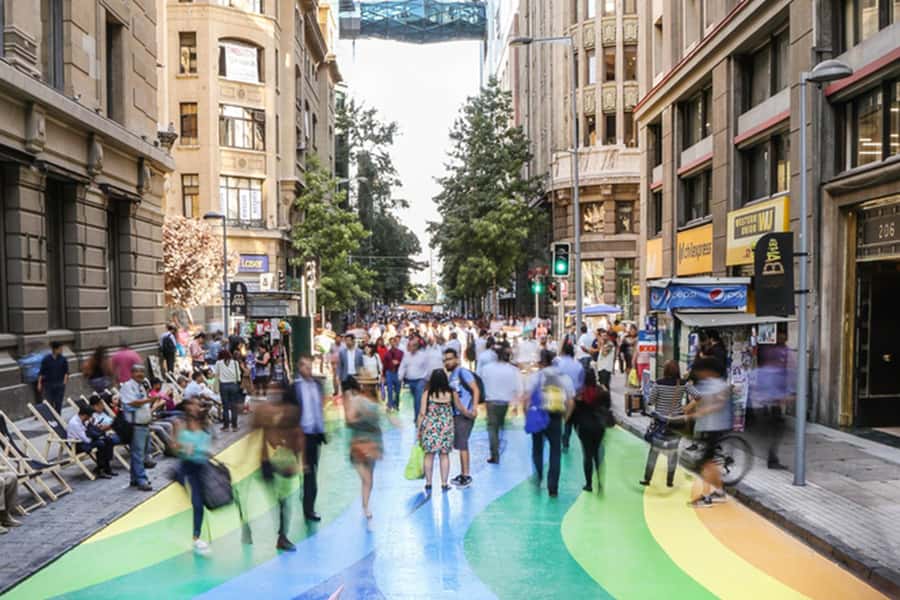
After the hill, you pass through Lastarria, known as a museum district and a good area for dining and evening entertainment. Even on a short tour, a neighborhood pass like this helps you find your footing for a later return, especially if you want a simple dinner plan in a walkable area.
Then you enter the heart of old Santiago with stops around Plaza de Armas and nearby landmarks. You spend about 20 minutes at Plaza de Armas, and that’s the kind of time window that actually lets you slow down. You see the Metropolitan Cathedral as part of this area, plus other colonial-era buildings nearby, so you understand the old city’s layout as more than just a square with photos.
The tour also includes Metropolitan Cathedral, with about 15 minutes on site. The value here is architectural and atmospheric, not speed. You get to stand in one of the city’s main Catholic landmarks and notice details that you might miss if you were just walking through.
Paseo Ahumada is another highlight, with about 15 minutes to walk along Santiago’s main pedestrian street. This is where the tour shifts from “history landmarks” to everyday commerce. You see how people move, shop, and talk, which helps your brain connect the iconic sights to real daily rhythms.
The National Congress area and the presidential story at La Moneda
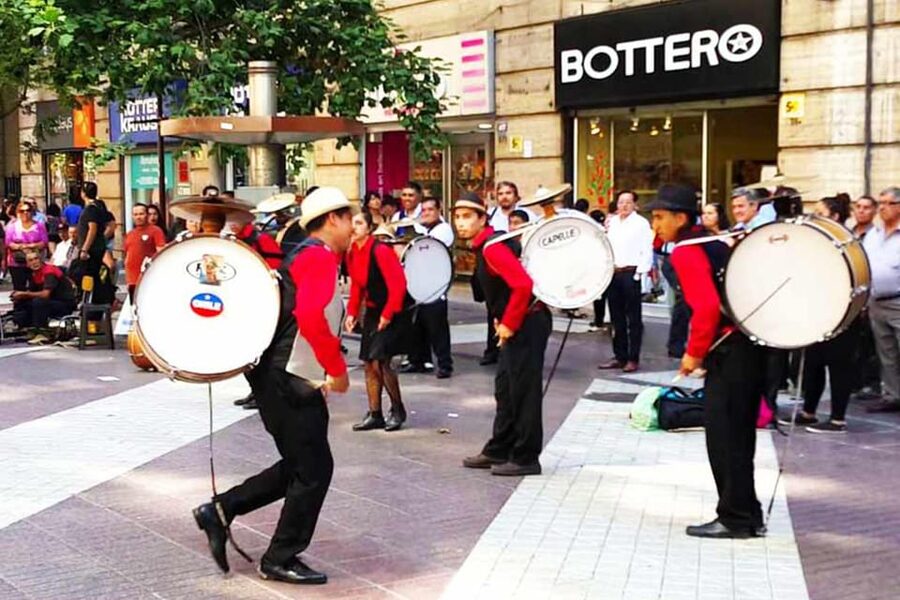
The route then moves toward the political center, starting with the former National Congress building area for a short 5-minute view. This stop is quick, but it’s a useful reminder that Santiago’s power geography has changed over time, including the move of the Congress to Valparaíso.
Next comes a key cultural and political moment: La Moneda. You spend about 15 minutes here, visiting the presidential palace area and learning about its role in the 1973 coup that marked the beginning of the military dictatorship. This is heavy subject matter, so I appreciate that the stop time is long enough for the guide to explain it clearly without turning it into a lecture.
Directly after, you reach Plaza de la Constitución for about 15 minutes to witness the ceremonial changing of the guard at La Moneda. If you time your trip well, that little ritual adds color and structure to what would otherwise be a purely informational stop.
This whole sequence is valuable because it teaches you how Santiago’s identity is tied to institutions. You do not just see buildings, you understand why these exact locations matter.
A quick look at Santiago’s financial core and why it matters
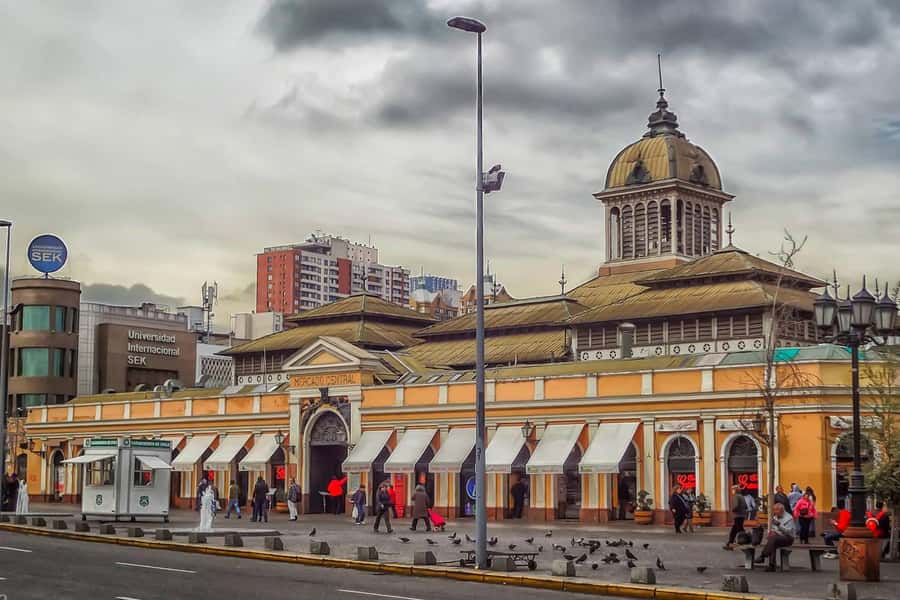
The Santiago Stock Exchange stop is short, about 5 minutes, and it’s part of the broader look at where modern Chile makes decisions and money. Even a brief stop can be helpful if you are trying to understand the city’s layout from a practical viewpoint.
Paired with the earlier Costanera Center pass, it gives you a balanced image. You see the symbolic modern skyline, then you see the working financial sector. That contrast helps you build a fuller mental map, which is exactly what you want on a first visit.
Price and logistics: what you get for $60
At $60 per person for a 4-hour tour, the value is largely in three things: a live guide, hotel pickup and drop-off, and transport by air-conditioned minivan. You also get coverage of major cultural and historical points, which saves you from piecing together multiple rides on your own.
The one thing to plan around is lunch. It is not included, so build in time to eat before or after. If you’re coming straight from a morning activity, consider grabbing something quick nearby before the tour starts, so you are not hunting for food when the route ends.
Also note that the schedule can change due to availability, street closures, or events in the city. That does not automatically make the day worse. In big cities, a flexible route is often what keeps the most important areas reachable.
What the best guide performance looks like here
The guides on this route tend to be the main reason people rate it so highly. Names that have shown up include Carlos, Rodrigo, Cristian, Julio, Juan, Maurício, and Daniel. The consistent pattern is clear explanations and friendly, responsive pacing.
I love when a guide is not only repeating facts, but connecting sights to meaning you can remember. One example from guide behavior: if you have a special interest, like football, some guides shape their stories to your questions. That kind of personal touch turns a standard city tour into a more satisfying one.
If you want the most out of the experience, come with a few prompts. Ask what each area is “for” in the city today, or how the architecture survived major earthquakes. You do not need to be an expert. Just ask curious questions, and the guide should meet you there.
Who should book this tour, and who should consider skipping
This tour is a good fit if you:
- Are seeing Santiago for the first time and want a solid overview in half a day
- Want a small-group experience with pickup and drop-off
- Like both old landmarks and modern city contrasts
- Prefer having a guide connect the dots, instead of trying to figure everything out alone
You might skip or modify it if:
- You cannot do the on-foot climb at Santa Lucía Hill, especially with the possibility of maintenance closures
- You want lots of time to go inside museums, since several stops are pass-by views
Should you book this tour?
If your goal is orientation plus meaningful highlights, I think it’s an easy yes. The 4-hour format is practical, the mix of neighborhoods is well chosen, and hotel pickup plus minivan transport removes a lot of friction for a new visitor.
Book it if you want to understand Santiago’s big picture quickly, then build your own day plans from there. Skip or plan carefully if mobility or stair-free needs are your top priority, since Santa Lucía Hill is on foot and may also be affected by day-of access.
FAQ
How long is the Santiago city tour?
The tour runs for 4 hours, with timing based on available starting times.
What does the tour cost and what is included?
It costs $60 per person. Included are a local guide, hotel pickup and drop-off, transport by air-conditioned minivan, and visits to main cultural and historical points of Santiago. Lunch is not included.
What are some of the main stops and viewpoints?
You’ll start at Bicentenario Park (20 minutes), visit Santa Lucía Hill (30 minutes), and spend time at key downtown areas such as Plaza de Armas (20 minutes), Metropolitan Cathedral (15 minutes), La Moneda (15 minutes), and Plaza de la Constitución (15 minutes). The route also includes pass-by views like Costanera Center, Bellavista, Forestal Park, San Francisco Church, the National Library, and the Santiago Stock Exchange.
Is there a lot of walking?
There is a walk involved, especially at Santa Lucía Hill, where the climb is on foot for about 30 minutes. Other parts include short stops and some walking along the main pedestrian street.
Will I be picked up from my hotel or Airbnb?
Yes. Pickup is available from most centrally located hotels or Airbnb locations. If your place is outside the available areas, you’ll be given the nearest meeting point and pickup time.
What languages are offered for the live guide?
The live guide is available in English, Spanish, and Portuguese.
Is the tour wheelchair accessible?
The tour is listed as wheelchair accessible. However, Santa Lucía Hill includes an on-foot climb, so it’s smart to discuss your needs with the supplier when confirming your reservation.
Can the itinerary change on the day?
Yes. The route may change based on availability, street closures, or city events. Santa Lucía Hill may also be closed for maintenance on some days.
What if the tour does not reach the minimum number of passengers?
If a minimum number of passengers is not met, the supplier will offer a change of date, a change of tour, or a full refund.
What is the cancellation and payment flexibility?
You can cancel up to 24 hours in advance for a full refund. You can reserve now and pay later to keep your plans flexible.
Freshly reviewed in Santiago
- Colchagua Full Day Wine Tour: Casa Silva & L’Apostolle Wineries★ 4.0 · 3 reviews
- Santiago De Chile Highlights Walking Tour with a Guide★ 5.0 · 3 reviews
- Portillo & Laguna del Inca with Lunch at the Hotel Portillo★ 5.0 · 3 reviews
- Santiago de Chile: Half-Day City Tour with Local Cuisine★ 4.5 · 3 reviews
- Cajon del Maipo & Embalse El Yeso Tour from Santiago★ 3.5 · 3 reviews
- Full day hike to the viewpoint of Condores, Cajon del Maipo★ 5.0 · 3 reviews
- Kayaking Day Trip in the Andes from Santiago★ 5.0 · 3 reviews
- Private Transportation from Santiago or Santiago Airport AMB to Valle Nevado★ 3.5 · 3 reviews
Historical Tours, compared.

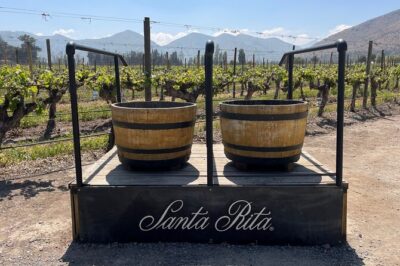
Tour Viña Santa Rita: History, Wine and Picnic Outdoors
Read our review →
Elqui Valley Tour: History and Flavors (NOT FOR CRUISES)
Read our review →
Viña Del Mar and Valparaiso world heritage site.
Read our review →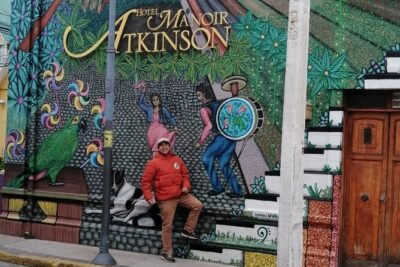
Walking Tour Valparaiso, History & Art – Private Optional
Read our review →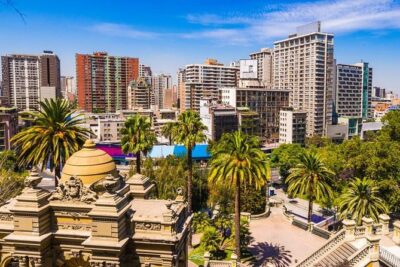
Essence of Santiago : History, Flavors and Panoramic Views
Read our review →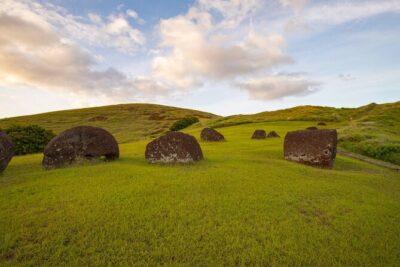
2 Day Private Tour: Easter Island’s Cultural Heritage
Read our review →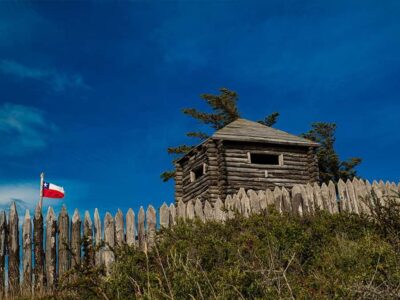
Browse the lists this tour appears in