
Reviewed · STARGAZING & ASTRONOMY TOURS
Stargazing in the Andes from Santiago
The Andes stargazing run from Santiago is interesting because it trades city light for seriously dark skies, then pairs that sky time with an astronomer who explains what you see in plain language. What I like most is the calm, low-key flow, plus the traditional once chilena dinner before you start observing. You also get a thoughtful mix of western astronomy and Andean cultural context. One possible drawback to plan for: this depends on dark, clear conditions, so weather can affect when you go, and the night at altitude is usually not the place for light layers.
Two things you should count on that make the night feel worth it: a private, self-built observatory experience, and telescopes guided by an astronomer. The timing is also practical, with hotel pickup and a season-based schedule (early evening in summer, earlier in winter). Just be aware the drive time is part of the deal, and the exact pickup moment is set by the astronomer after booking.
Key Highlights Worth Planning For
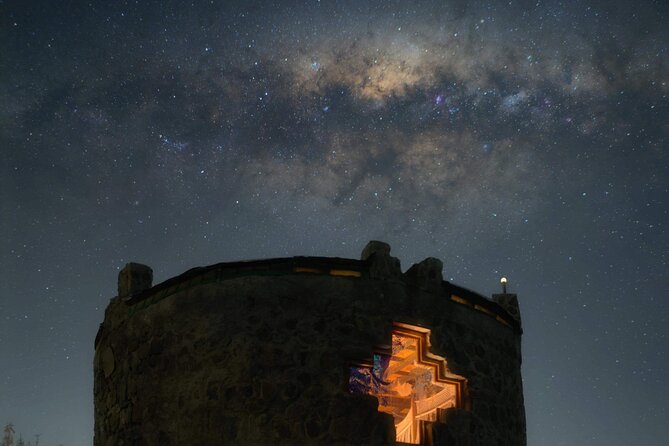
- Private self-built observatory 105 km north of Santiago with dark skies that work even for naked-eye watching
- Traditional once chilena meal included, with homemade bread, local treats, and drinks like tea, coffee, juice, and wine
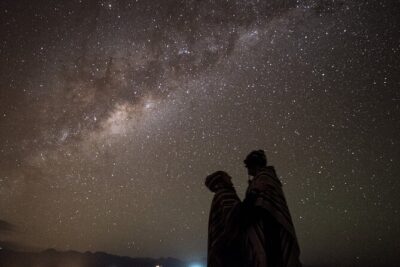
- Astronomer-led talk connects western astronomy with Mapuche and Incan sky ideas
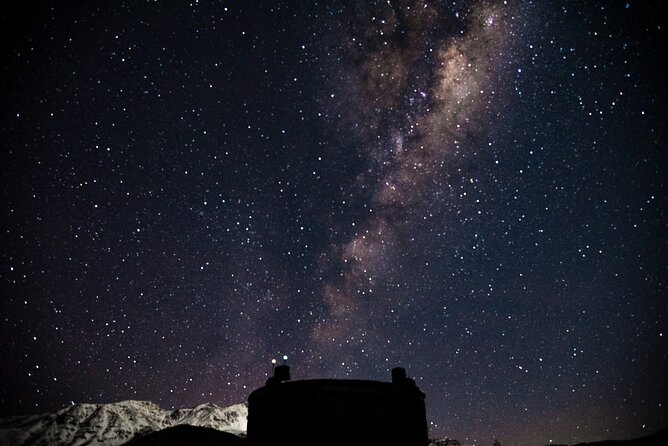
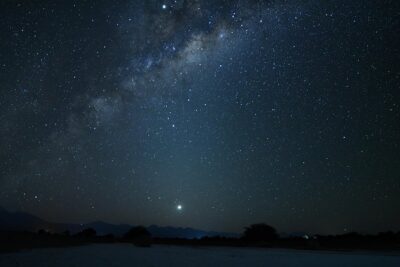
- Milky Way viewing built around “negative space”, the shape you notice rather than only the stars you count
- Telescope time plus flexible observation pacing that leaves room to focus, ask questions, or try astrophotography
- Bilingual guide and English availability, so you do not have to guess what you are looking at
Why Andes Dark Skies Make This More Than a Quick Stroll
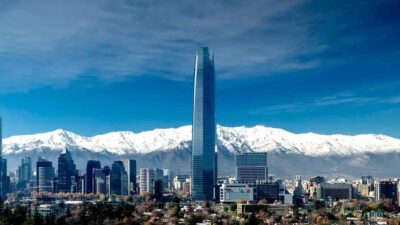
Santiago is great, but it is still a city. This tour pushes you well into the Andes, about 105 km north, where the goal is simple: get away from stray light so the sky shows its real personality. The pitch is not just that it is “good stargazing,” it is that the conditions are built for it. With around 260 clear nights per year and very dark skies, you are much more likely to see the Milky Way as something you can actually read, not just a vague smudge.
I also like that the experience is designed around observation, not a hard sell. After the meal, you get an astronomer explanation that gives you a framework for what you are seeing, then you move through different ways to observe. That reduces the most common frustration with stargazing tours, the feeling that you are just pointing up with no context.
One more practical point, you are not stuck in a huge bus group. It is private to your group and the tour includes private transport, so you spend your limited evening time on the sky, not waiting around.
Other nights under the desert sky:
- Santiago: Sky Costanera Observatory Admission Ticket
★ 4.3 · 208 reviews - Observatory Stargazing Tour from Santiago
★ 4.5 · 32 reviews - Santiago: Sky Costanera Observatory Skip-the-Line Entry Ticket
★ 4.0 · 27 reviews
From Your Hotel to the Mountain Observatory, The Timing That Matters
The whole experience runs about 7 hours. That sounds long until you remember you are leaving Santiago, driving into the mountains, eating, learning, and then observing after dark. The “real” stargazing does not start instantly, and the drive time is part of how you get the conditions that make the night work.
Pickup is built around the seasons:
- In summer, pickup is around 17:00 to 17:30
- In winter, pickup is around 15:00 to 16:30
The exact time is determined by the astronomer and shared after booking. That detail matters because telescope sessions and sky conditions are time sensitive. If you are the type who hates waiting with nothing to do, this schedule makes more sense than you might think. You are not just killing time in the dark. You have a meal first, then learning, then observation.
Also note the tour is listed as English offered with a bilingual guide. If you want clear explanations without language stress, this setup is a strong match.
The Once Chilena Dinner Before You Look Up
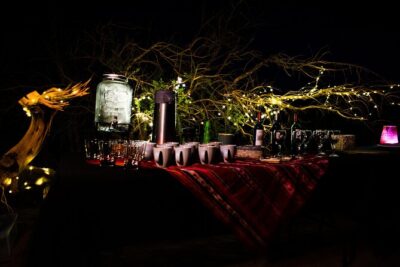
This is not just a snack. You get a traditional once chilena dinner, with homemade bread, confections, and local products, plus tea, coffee, juice, and wine. It is a proper start to the evening, so you are not stuck trying to enjoy the stars while you are hungry or distracted.
I like that it feels local and human. One of the big strengths of this night is how the hosts treat the group like family for the meal and warm-up. In the experience, the astronomer and hosts welcome you first, then shift into the sky talk. That sequence matters. It keeps the evening from feeling like a lecture that only exists because you paid money. It also makes it easier to relax once you step outside with the sky overhead.
One practical consideration: this is an evening built around food and astronomy, so plan to eat normally earlier in the day. You do not want to arrive already stuffed, but you also do not want to show up with a big lunch that makes a long mountain drive uncomfortable.
Entering the Andes Observatory With Telescope Time Built In
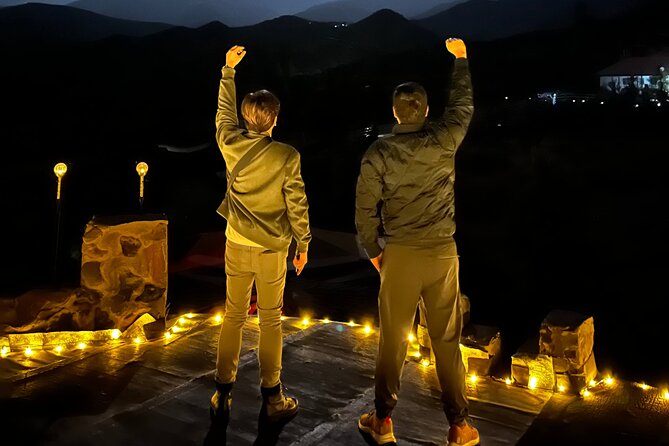
The main stop is a private, self-built observatory in the Andes, and the location is far enough from Santiago that the sky should be noticeably darker. Every structure there is described as being aligned with astronomical phenomena, which is exactly the kind of small detail that can change the feel of a night. You are not just visiting a random building with a telescope. The place is set up to support observation.
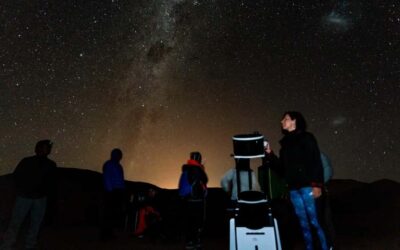
After the meal, the astronomer walks you through how to think about the sky. Then the group moves to the observation area, where you learn to observe the negative spaces in the Milky Way. That phrasing is useful because it tells you what to focus on. Instead of chasing every single point of light, you learn to look for gaps, shapes, and structure. That is often the difference between seeing a Milky Way band and actually feeling like you understand what you are looking at.
Then the telescope session starts. You get guided viewing through telescopes, with the astronomer explaining current western cosmology so the objects you see make sense in a bigger story. This does a lot for first-timers, especially if you are not sure where to start.
A few more Santiago departures to weigh up
- Valparaiso Port and Viña del Mar with Casablanca Wine Tasting
★ 5.0 · 6,110 reviews - Santiago: Cajon del Maipo/Embalse del Yeso Tour with Picnic
★ 4.3 · 3,789 reviews - Santiago: Vina Del Mar, Valparaiso, Casablanca & Reñaca Tour
★ 4.2 · 2,838 reviews - Cable Car, Funicular and Sightseeing Bus in Santiago one day
★ 5.0 · 2,325 reviews
Learning the Sky Through Andean Cosmology, Not Just Telescopes
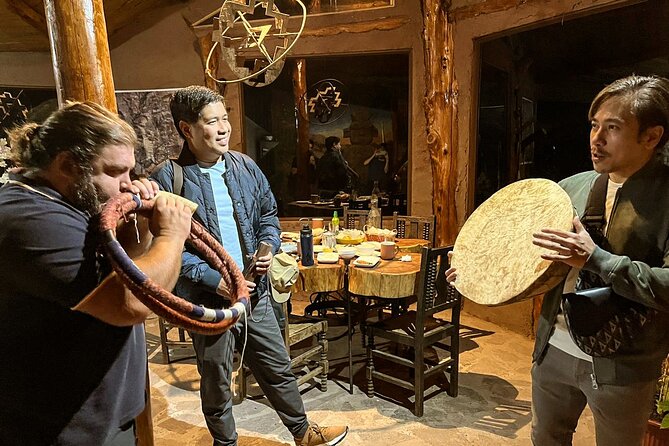
A big part of the value here is that the night is not only about equipment. You get an explanation that ties celestial objects to how Andean ancestors understood the sky, including Mapuche and Incan cosmology, and also connects that to western astronomy.
That mix is what makes the experience feel more meaningful than a checklist of planets. If you only learn western names, you can end up looking up with no emotional or cultural connection. If you only get cultural storytelling without a western framework, you might still enjoy it but struggle to connect the dots as a modern visitor. This tour tries to bridge both, and the payoff is you come away seeing the sky as a shared human subject.
The astronomer also introduces cosmology in a way that is meant for real observation. You hear about what the sky meant historically, then you literally train your eyes to notice the features of the Milky Way. After that, you shift to the western view to contextualize what you are looking at through telescopes. For many people, that order helps. It turns the sky from random points into something you can interpret.
How the Milky Way Lesson Changes What You See
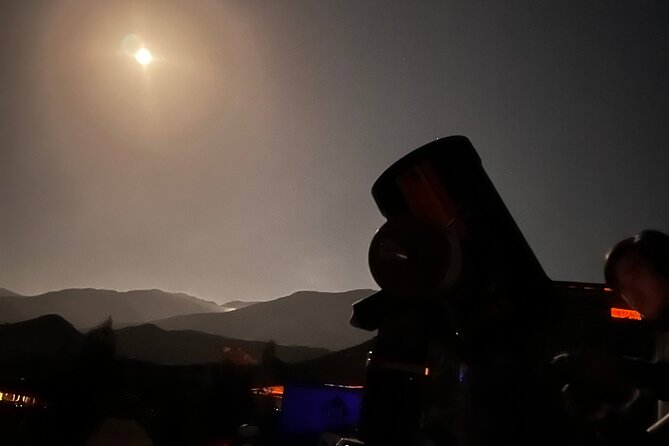
The Milky Way is the star of this kind of evening, but it can also be confusing. Many people go out expecting to instantly recognize a dazzling “galaxy picture.” In reality, your brain needs help to read it.
That is why the lesson about negative space is such a strong idea. When you are shown how to notice dark lanes and gaps, the Milky Way becomes structured. You start seeing it as a pattern, not a haze. That also makes naked-eye observing more satisfying, because you are not waiting for a telescope view to have something to understand.
I also like that the astronomer ties this into Andean cultural relevance. You are not only learning astronomy. You are learning why certain sky features mattered to communities that depended on the sky for understanding time, seasons, and meaning. The goal is not to replace western science. It is to give you a broader way to look.
If you care about photography, this phase can also help you decide how you want to frame the sky. The descriptions and the pacing suggest there is time for astrophotography, not only rigid viewing.
Price and Value: What $286.40 Really Buys
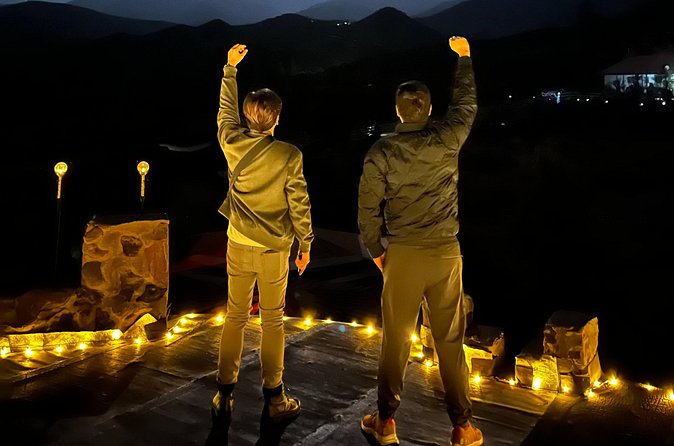
At $286.40 per person, you are paying for more than a bus ride and a telescope. You are paying for: private transport, a meal that is fully part of the experience, an astronomer-led explanation, and admission included for the observatory session.
In value terms, the meal matters. Once chilena includes not only food but also drinks like tea, coffee, juice, and wine. That means you are not budgeting extra dinner while you are far from town. You also get the benefit of showing up fed and ready to focus.
You are also paying for the interpretive part. Stargazing without a guide can be fun, but you often spend the night hunting for what you already know exists. Here, the astronomer gives you context from Andean cosmology to western cosmology. That context can turn a standard sky into a memorable learning night.
Finally, the experience is private to your group. That can reduce the awkwardness of being stuck with people who do not share your interest level. It can also mean more responsive pacing, especially since the tour rhythm can be adjusted to the group’s needs.
What to Expect During the 7-Hour Evening
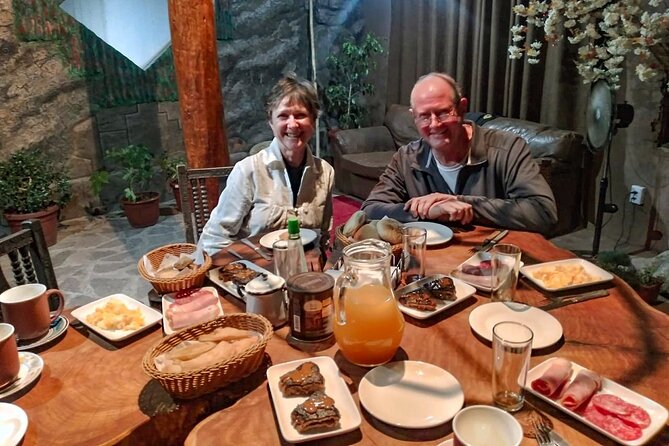
Here is the practical flow as you plan your day:
- You get pickup from your Santiago hotel, with times set by the astronomer based on season.
- You drive up to the observatory area, about 105 km north, trading city light for darker skies.
- You begin with once chilena, a traditional dinner with homemade bread, local sweets and savory items, and drinks including tea, coffee, juice, and wine.
- The astronomer explains cosmology and connects it to western astronomy, plus Mapuche and Incan perspectives.
- You move to the observation area and learn to see the Milky Way using negative space.
- Then you shift into telescope viewing, guided and contextualized.
- The remaining time is mostly the driving and the evening observing window, since the tour runs about 7 hours overall.
The tour description also notes 3 hours for the observatory portion and explanation time, with admission included. That matters because it means you are not just standing around. You get a structured astronomy session built around observation.
Who This Tour Is Best For (And Who Might Rethink It)
This is a good fit if you want:
- a guided night where you learn what you are seeing
- cultural context alongside astronomy, not only western naming
- telescopes plus the chance for naked-eye viewing
- a calmer, more personal experience than big group tours
It also suits people who enjoy photography, because the pacing includes time that can be used for astrophotography.
You might consider a different option if you are mainly looking for a quick stop with minimal learning. The night includes multiple parts: meal, cosmology talk, Milky Way observation lesson, and telescope time. If you hate structure and prefer unguided wandering, this might feel like more “program” than you want.
Also, bring the basics of common sense for any nighttime mountain activity: wear layers that you can adjust, and be ready for the fact that your comfort matters once you step outside.
Should You Book This Andes Stargazing Tour From Santiago?
Yes, I think you should book it if your priority is a guided astronomy night that does not feel sterile. This experience earns its price with the combination of dark-sky access, a real traditional meal, and an astronomer who connects sky science to Andean cosmology. The private observatory setting and the fact that every structure is built to align with astronomical phenomena also make it feel intentionally designed for watching the sky, not simply visiting a site.
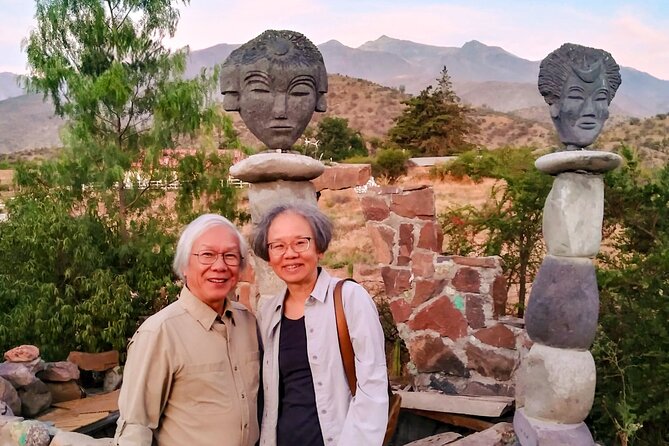
Book it with special confidence if you want your first stargazing experience to be understandable fast. The Milky Way negative-space lesson plus telescope guidance is exactly the kind of support that helps you see more than you expected. It is also a strong choice if you value a low-key, kind hosting vibe, including the sense that hosts like Ali and Yerko welcome you like family.
If you are still on the fence, ask yourself one question: do you want the sky explained, or do you just want to look? If you want the explanation, this is a very solid pick for an unforgettable Santiago night away from the city lights.
FAQ
How far is the observatory from Santiago?
The observatory is located in the mountains about 105 km north of Santiago.
How long does the experience take?
The tour lasts about 7 hours.
When do you pick up guests in summer and winter?
In summer, pickup is around 17:00 to 17:30. In winter, pickup is around 15:00 to 16:30. The exact time is communicated upon booking by the astronomer.
What is included in the once chilena?
It includes homemade bread, confections and local products, plus tea, coffee, juice, and wine.
Is telescope time included?
Yes. Observation with telescopes is part of the experience, and admission is included.
What languages are used during the tour?
English is offered, and the tour includes a bilingual guide.
Do I need good weather for this to run?
Yes. The experience requires good weather. If it is canceled due to poor weather, you will be offered another date or a full refund.
What is the minimum group size?
A minimum of 2 people per booking is required.
What is the cancellation policy?
You can cancel for a full refund up to 24 hours in advance of the start time. If you cancel less than 24 hours before, the amount you paid is not refunded.
Are travel insurance and gratuities included?
No. Travel insurance and optional gratuities for guides and drivers are not included.
Freshly reviewed in Santiago
- Colchagua Full Day Wine Tour: Casa Silva & L’Apostolle Wineries★ 4.0 · 3 reviews
- Santiago De Chile Highlights Walking Tour with a Guide★ 5.0 · 3 reviews
- Portillo & Laguna del Inca with Lunch at the Hotel Portillo★ 5.0 · 3 reviews
- Santiago de Chile: Half-Day City Tour with Local Cuisine★ 4.5 · 3 reviews
- Cajon del Maipo & Embalse El Yeso Tour from Santiago★ 3.5 · 3 reviews
- Full day hike to the viewpoint of Condores, Cajon del Maipo★ 5.0 · 3 reviews
- Kayaking Day Trip in the Andes from Santiago★ 5.0 · 3 reviews
- Private Transportation from Santiago or Santiago Airport AMB to Valle Nevado★ 3.5 · 3 reviews
Stargazing & Astronomy Tours, compared.
The Roofless Experience San Pedro de Atacama Stargazing Tour
Read our review →
Astronomical Tour with Guide and Pick Up San Pedro de Atacama
Read our review →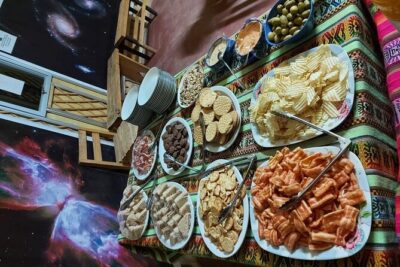
“Astronomical Adventure in San Pedro de Atacama”
Read our review →Browse the lists this tour appears in