
Reviewed · HIKING & TREKKING
Juncal Andean Park: Hiking over a Glacial Tongue
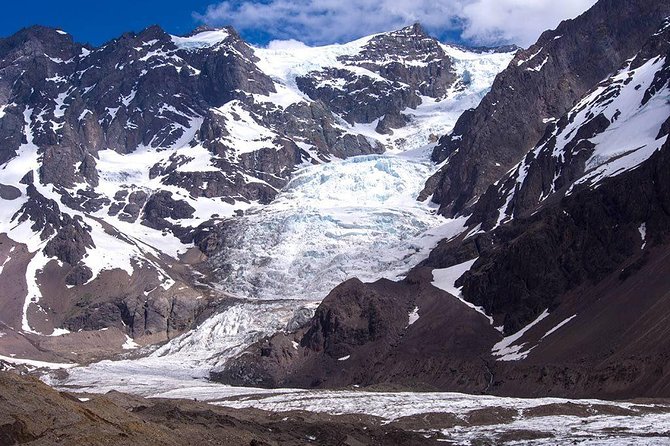
Juncal Andean Park is the kind of day trip that feels like it has two lives. You start in Andean wetlands with constant water and wildlife, then you finish with a hike that climbs onto the edge of one of Chile’s biggest glaciers. It’s a private, well guided outing with round trip hotel transport, and it mixes scenery with real understanding of how this harsh valley stays alive.
Two things I like a lot: the chance to see the park’s Ramsar wetland setting up close, and the fact that you get hiking poles and binoculars so you can move better and actually look at what is around you. The only drawback to plan for is that the last stretch gets steeper and less straightforward, so you want to be comfortable with a moderate hike.
Key Things You’ll Care About
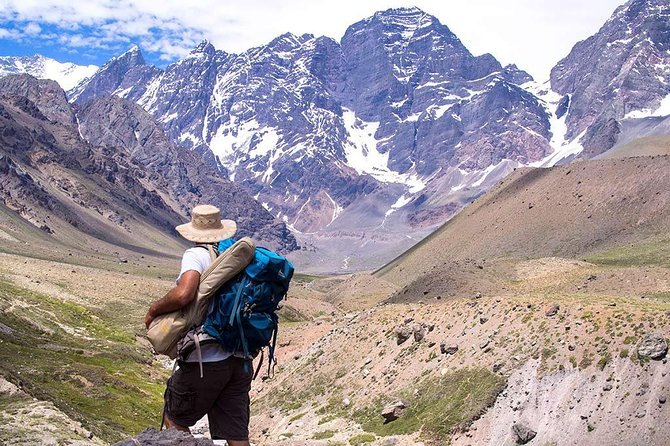
- Juncal glacier views on a full day hike without needing ropes, just good boots and steady legs
- Ramsar wetlands in the Juncal valley, with water present through the year
- Guide-led geology and ecology talk, with room for quiet when the scenery takes over
- Hotel pick up and drop off plus comfortable transportation from Santiago
- Binoculars and trekking poles included, plus a first aid kit
- Box lunch timed near Monos de Agua River, so you eat before the steepest section
Juncal Andean Park: Ramsar wetlands and a 1911 ecological reserve
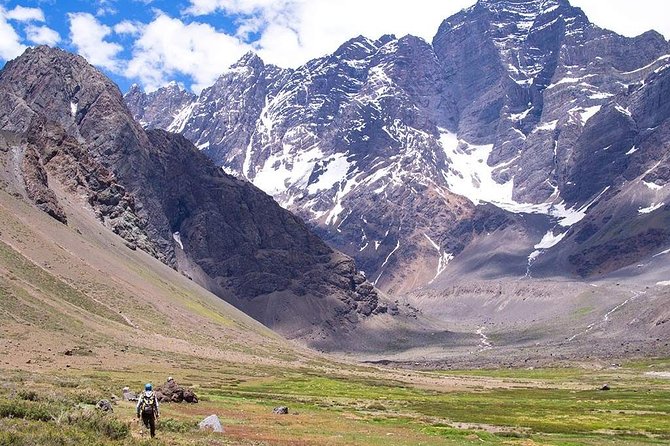
Juncal Andean Park is an ecological reserve created in 1911, run as a private property that works to protect the Andean ecosystem in one of the toughest settings around. This matters because the Juncal valley is not a gentle playground. It is an environment where water and life are always a little bit hard won, and the park’s wetlands are officially recognized under the Ramsar convention as wetlands of international importance.
That Ramsar detail is not just paperwork. It explains why you will spend real time walking through a mountain oasis. When water is present year round, life follows. Expect to notice how the wetland area changes the feel of the hike, with a greener, more active sense of place compared with higher and drier slopes you might imagine.
You’ll also learn how this ecosystem hangs together, from geology to plants and fauna. The guide, often mentioned as Nicolás, has a way of talking just enough to make the day click, then stepping back so you can hear the quiet.
More Hiking & Trekking in Santiago
- From Santiago: Cajón del Maipo and Volcán San José Hike 8K
★ 4.9 · 418 reviews - Glacier Hike at El Morado Glacier, from Santiago
★ 5.0 · 51 reviews - Private Half-Day Andes Hiking Experience from Santiago
★ 5.0 · 24 reviews
Morning logistics from Santiago: early start, smooth ride, real time outside
The tour starts at 7:30 am, and it is designed as a long, outdoors first day. You’ll get hotel pick up and drop off, plus comfortable transportation out of Santiago toward the park. Transfers are approximate and depend on timing and traffic, so you are smart to plan for a day that runs close to its full 10 hour window.
One of the underrated parts of a day hike like this is energy management. With pickup handled, you avoid the stress of figuring out where to meet, how to get there, and what time you will arrive. You also start early enough to get the best light shifts for glacier viewing later.
Your first notable stop is at Paso Internacional Los Libertadores. Even if you don’t obsess over mountain passes, this is one of those moments where the Andes start to feel close up, and the day’s big theme becomes clear. Then you continue to the park entrance.
From a forgotten train railway to the Juncal valley trail
Reaching the park entrance comes with a small piece of history. You will get there alongside a forgotten train railway that once crossed the Andes. It’s not the main event, but it adds texture. It is the kind of reminder that this region has always been tough to travel through, and people have always tried anyway.
From the entrance you begin the hike into the Juncal valley. The early route is described as a low slope trail by the eastern bank of the Juncal River. That is good news for your pacing. Instead of diving into steep climbing right away, you ease into the day along moving water and valley terrain, which helps if you want to enjoy the views rather than fight for breath from minute one.
This first section is also where your guide’s approach matters. In the best moments, you get information that connects what you are seeing to why it is there, and then you get silence when it feels right. One review really captured the balance, chatting when needed, listening to the silence when you want that too.
Following the river bank to the huge wetland oasis
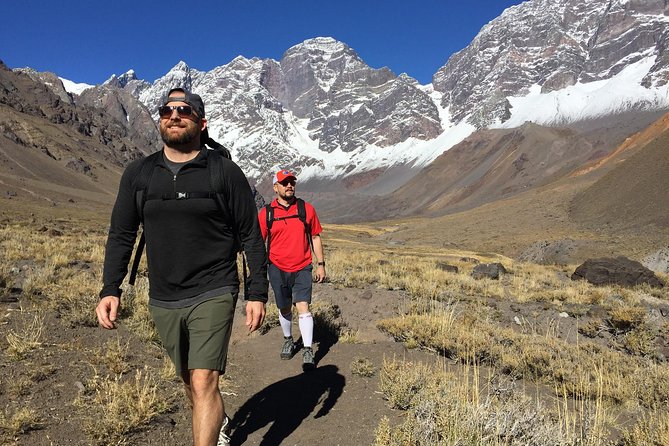
As you hike, the trail leads you to a huge wetland area, sometimes described as a mountain oasis. This is the heart of why the day is more interesting than just a glacier stamp.
Wetlands here are conservation priority zones because they sustain life in harsh conditions. You will feel that on the ground. The presence of water shapes the path, the vegetation feel, and the overall atmosphere. It’s also where you are more likely to spot signs of life, since constant water supports animals and plant cycles throughout the year.
Practical tip: bring your attention for this part. On many hikes, the early segments blur into the background. Here, the wetland section is a payoff on its own. If you are using the included binoculars, this is where you will get the most use out of them, because you’re not just looking at distant mountain rock, you’re looking at active, water-fed habitat.
You’ll also get a sense of scale. “Huge” is used for a reason. The wetland area is large enough that it changes how you measure distance. One moment you feel like you’re simply hiking along a valley, the next you are walking into a space that feels like its own world inside the Andes.
More trekking out of Santiago:
- Half-Day Private Andes Hiking Tour from Santiago, carbon neutral.
★ 5.0 · 24 reviews - Epic Patagonia: Torres del Paine – ‘W’ Trek
★ 4.5 · 11 reviews - Hiking Tour in the Andes Mountains – Half Day Trip from Santiago
★ 4.5 · 9 reviews - Andes Hike 12k – Private
★ 5.0 · 9 reviews
Crossing Monos de Agua River and resetting for the steep push
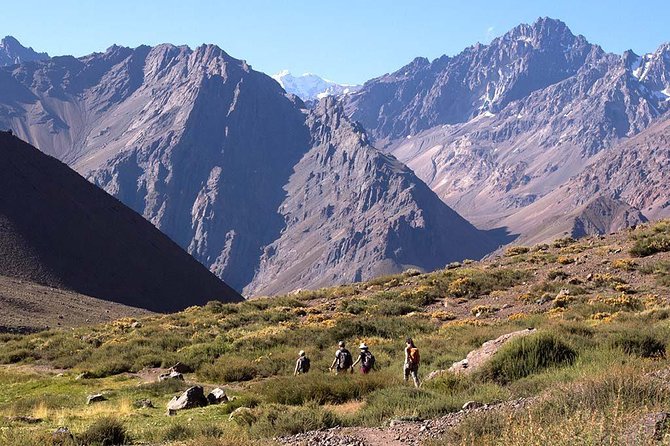
After you spend time in the wetland zone, the hike brings you to Monos de Agua River. This is where the day shifts from a steady valley rhythm into a more focused climbing mission.
First, you eat. Lunch is included as a box lunch per person, and in at least one account you also get water alongside the meal. The timing is smart because after lunch the trail becomes less clear and steepest as you continue through a draw that reveals the huge ice body ahead.
Second, this is a mental reset point. By the time you reach Monos de Agua River, you’ve already done the easier walking and seen the wetland oasis. Lunch then becomes a bridge between the day’s two moods: living water, then ice and moraine.
A small caution: this is when you should check your energy and footwear. The last part is where mistakes show up, like an untied bootlace or a pole tip that keeps sinking. Spending a few seconds to get ready here makes the steeper portion more enjoyable and safer.
Over Juncal Glacier: steep moraine, ice body reveal, and photo timing
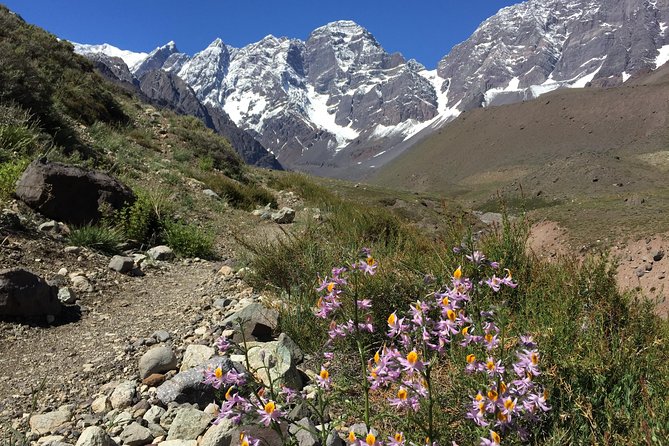
The final stretch is where you get the glacier. The trail becomes harder, steeper, and less defined as you continue through the draw toward the glacier. The description is clear about what happens next: you start realizing the terrain is shaped by moraine configuration, and you understand you are already over Juncal glacier.
That moraine detail matters. It means the walking surfaces can feel more uneven and broken up than the earlier valley trail. It can also make footing feel less predictable, especially if conditions are cold or damp. The included trekking poles are made for this kind of terrain, giving you stability on steeper angles and helping you keep control on your descent later.
This is also where the views start turning from pretty to unforgettable. You’ll have opportunities for photos and video as the perspective changes and as light shifts during the day. Glacier hikes are often about angles, and the trail positioning gives you multiple chances to see ice in different ways, not just one single view.
If you’re the type who likes to watch how a landscape changes with time, this is built for you. The glacier section is not just a destination, it is a progression. You notice it more gradually: first the terrain signals it, then the ice body reveals itself, then the scale hits you.
How the guide improves the hike (not just the walking)
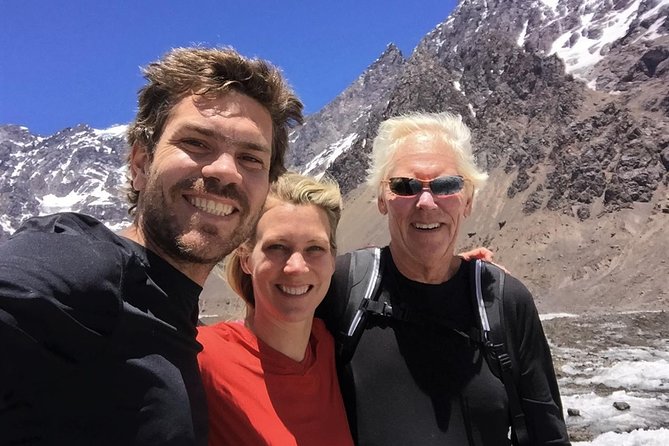
With a hike like this, the guide is not only for safety and logistics. You come away with a better mental map of what you experienced.
Nicolás, for example, is described as friendly, professional, and extremely knowledgeable about local geology, flora, and fauna, with a rhythm that makes space for both conversation and quiet. That style helps you read the environment instead of just passing through it.
For you, the value is simple: you get context during the hike itself. When you understand what wetland status means, or why water is so critical here, the scenery stops being scenery and becomes evidence of a functioning ecosystem. That is what turns a good hike into a memorable day.
Price and value: is $220 for 10 hours a fair deal?
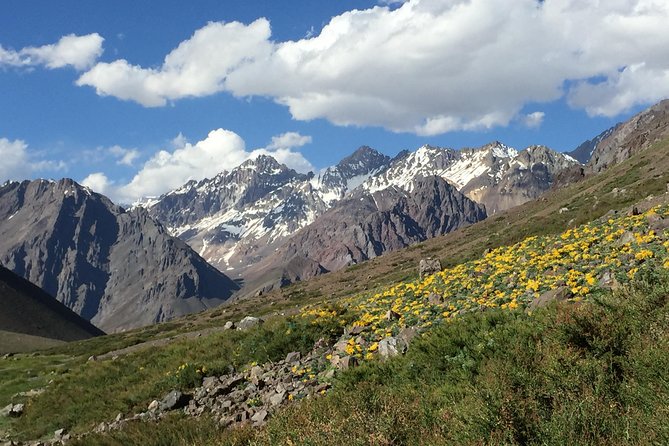
At $220 per person for a roughly 10 hour day, this hike may or may not sound “cheap” depending on your travel style. Here’s the value math that matters.
You are paying for:
- Round trip hotel pick up and drop off plus comfortable transport
- A professional guide
- Entrance fees
- Included hiking gear: trekking poles and binoculars
- First aid kit
- Box lunch (and in practice, you should expect water with it based on one account)
If you were to arrange transport, pay park fees, and rent poles, the day costs start adding up fast. The big value is that you show up and walk, with the gear you need already handled. You also get binoculars included, which is rare for many outdoor day trips where you bring your own optics or do without.
So does it feel worth it? For me, it feels worth it when you want a glacier hike that also teaches you what you’re standing in. If you are only after a quick photo stop and you don’t care about the wetland ecosystem, you might find the spend harder to justify. But if you like seeing the Andes as more than a backdrop, this is strong value.
What’s included, what’s not, and how to pack like a pro
Included items are clearly set up for the hike:
- Professional guide
- Comfortable transport with hotel pickup and drop off
- Binoculars and trekking poles
- First aid kit
- Box lunch per person
Not included:
- Accident insurance
- Personal clothing
You should plan on bringing your own hiking clothes and layers. Even in a sunny mountain day, glacier country can feel cold once you get elevation and wind. Wear something you can adjust, and bring what you need for your own comfort in potentially changing conditions.
Also, this is a day that asks for moderate physical fitness. That means you should be able to handle a steep, less clear final stretch and uneven moraine terrain. You do not need to be a mountaineer, but you should go into it ready to hike.
Who this is best for, and who should rethink it
This is best for:
- People who want a full day nature outing that includes both wetlands and glacier terrain
- Travelers who enjoy guided interpretation, especially geology and ecology
- Anyone who wants the convenience of pickup and drop off, without arranging anything on their own
- Hikers who can handle moderate difficulty and steep sections
Minimum age is 14 years, and children must be accompanied by an adult. If someone in your group needs a very gentle walk, this may not fit, because the last part is explicitly the steepest and less clear.
One more practical filter: good weather matters. The experience requires good weather, and if it gets canceled due to poor conditions, you’ll be offered a different date or a full refund.
Should you book the Juncal Andean Park glacier hike?
Book it if you want a glacier encounter that is built on more than a summit moment. You get a full arc: a Ramsar wetland oasis, a lunch stop at Monos de Agua River, then a climb into steeper moraine terrain as the Juncal glacier comes into view. The included gear, especially poles and binoculars, and the hotel transport make it feel effortless logistically.
Skip it or think hard if you hate steep hikes, you prefer easy footing throughout, or your schedule does not tolerate weather dependence. Also, remember you are paying for a guided, gear included day, so it fits best when you value that structure.
If you like quiet attention to nature, plus real explanations from guides like Nicolás, this is the kind of day trip that can end up being a highlight from your time in Santiago.
FAQ
How long is the Juncal Andean Park hike?
The experience lasts about 10 hours.
What time does the tour start?
The start time is 7:30 am.
Where is this tour located?
It’s in Juncal Andean Park, near the Juncal valley, about two hours north from Santiago.
What’s included in the price?
The tour includes a professional guide, comfortable transport with hotel pick-up and drop-off, binoculars, trekking poles, a first aid kit, entrance fees, and a box lunch per person.
What should I bring since personal clothing is not included?
You’ll need to bring your own personal clothing for the hike.
Is accident insurance included?
No, accident insurance is not included.
What fitness level do I need?
The tour is for travelers with moderate physical fitness.
What’s the minimum age for the tour?
The minimum age is 14 years, and children must be accompanied by an adult.
What happens if the weather is bad?
The experience requires good weather. If it’s canceled due to poor weather, you’ll be offered a different date or a full refund.
Freshly reviewed in Santiago
- Colchagua Full Day Wine Tour: Casa Silva & L’Apostolle Wineries★ 4.0 · 3 reviews
- Santiago De Chile Highlights Walking Tour with a Guide★ 5.0 · 3 reviews
- Portillo & Laguna del Inca with Lunch at the Hotel Portillo★ 5.0 · 3 reviews
- Santiago de Chile: Half-Day City Tour with Local Cuisine★ 4.5 · 3 reviews
- Cajon del Maipo & Embalse El Yeso Tour from Santiago★ 3.5 · 3 reviews
- Full day hike to the viewpoint of Condores, Cajon del Maipo★ 5.0 · 3 reviews
- Kayaking Day Trip in the Andes from Santiago★ 5.0 · 3 reviews
- Private Transportation from Santiago or Santiago Airport AMB to Valle Nevado★ 3.5 · 3 reviews
Hiking & Trekking, compared.
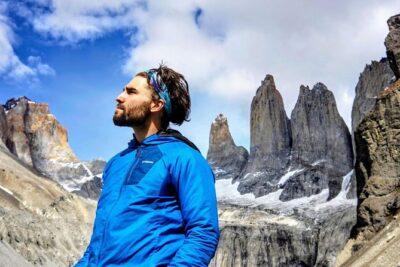
Trekking Base Torres – Torres del Paine trek from Puerto Natales
Read our review →
Glacier Hike at El Morado Glacier, from Santiago
Read our review →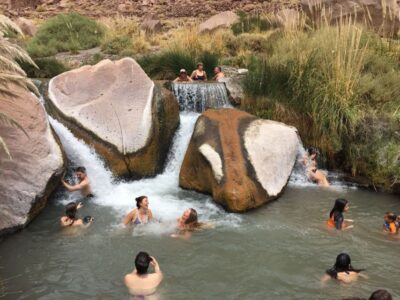
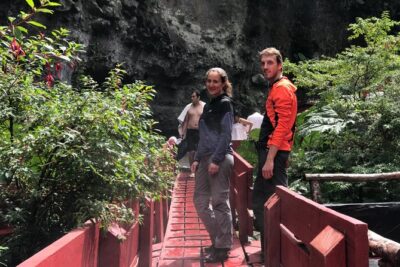
Trekking Mirador el volcano + Geometric hot springs
Read our review →Browse the lists this tour appears in