Reviewed · SANTIAGO TOURS
Darwin’s Route: Traversing the Chilean Palm Forest
Darwin’s Route, in Chile’s coastal mountain hills, is interesting because it turns one long day into a moving picture of the plants and habitats that make central Chile special. You follow the story of Jubaea chilensis (Chilean palms) through a UNESCO Biosphere Reserve landscape. Two highlights I really like: you get a guided trek with actual field gear (binoculars and trekking poles), and the route mixes dry mountain scrub with shaded forest as you drop toward Olmué.
The main thing to consider is effort and timing. This is a long, full-day hike, with a noticeable climb early on, and you should plan for variable wildlife sightings since the day is mostly about plants and terrain, not constant animal action.
Key highlights you’ll feel on the walk
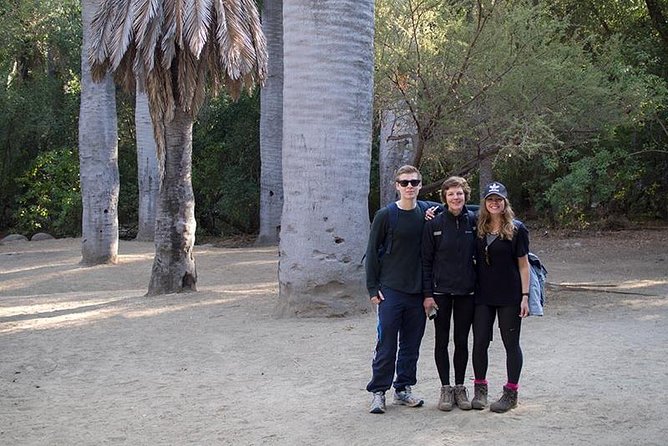
- Chilean palm forest in La Campana, one of the country’s last strongholds for Jubaea chilensis
- Biosphere Reserve setting declared by UNESCO in 1985, so you’re trekking in a protected natural laboratory
- Two-part trail rhythm: an upward push toward viewpoints, then a longer descent through contrasting woods
- Lunch at Ocoa Hill pass with a built-in rest stop and big sky views
- Comforty transport plus included hiking support, including binoculars and trekking poles
Darwin’s Route and La Campana’s UNESCO Biosphere Reserve
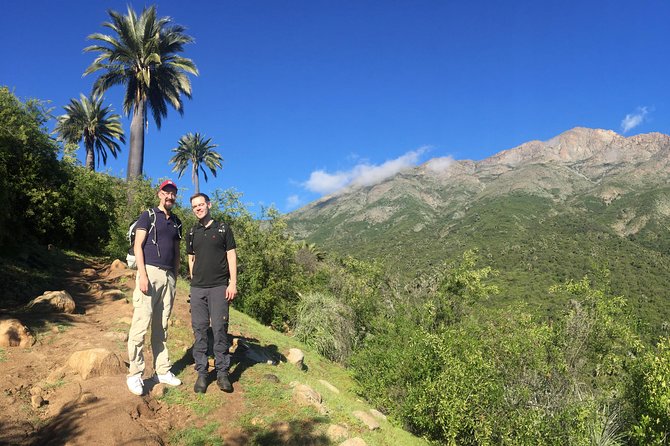
If your idea of Chile is mostly cities and big Andes peaks, this day trip is a smart switch. You get an hour and a half style drive from Santiago into the Coastal Mountain Range, then you spend the day moving through a protected biosphere where the plant life is shaped by the Chilean mediterranean climate.
What I like most is how the hike is clearly designed around habitats. You start in a park sector with sclerophyll species and palms, then you head south, and the vegetation changes with the elevation and exposure. That shift is not just pretty, it helps you understand how plants survive here.
Also, the tour is not just a random walk. It follows Darwin’s route through La Campana National Park, and you get context from your guide as you go. The day feels like a guided nature circuit, not a drop-off and hope for the best situation.
One practical note: this is not sold as a wildlife safari. Wildlife can happen, but your best rewards are the views, the forest textures, and the chance to see palms where they still grow.
A few more Santiago departures to weigh up
- Valparaiso Port and Viña del Mar with Casablanca Wine Tasting
★ 5.0 · 6,110 reviews - Santiago: Cajon del Maipo/Embalse del Yeso Tour with Picnic
★ 4.3 · 3,789 reviews - Santiago: Vina Del Mar, Valparaiso, Casablanca & Reñaca Tour
★ 4.2 · 2,838 reviews
Getting there from Santiago: early start, easy pickup, real comfort
The day starts early, with pickup in Santiago at 7:30 am. Your driver can collect you from any hotel in the city, which is one of those small details that makes the whole day easier. Instead of figuring out buses, you just walk out the door.
The drive is part of the experience, but in a good way. On this route, you’re typically looking at around 110 km NW from Santiago each way, and it can take roughly an hour and 45 minutes to reach the park. If you’re prone to getting grumpy on long rides, having a comfortable car rather than a cramped minibus matters. Your ride is set up for a full day, not a rushed shuttle.
Once you’re in the park area, you begin in the northern sector of La Campana, specifically around Ocoa. That matters because it frames the hike. You start with dry scrub and palms, then you work toward viewpoints and eventually down toward Olmué.
Finally, I love that it’s a private tour for your group. Private does not always mean tiny, but it does mean the pace and attention tend to be more under control.
What you’re hiking: palms, sclerophyll, and a changing plant story
La Campana National Park was declared a UNESCO Biosphere Reserve in 1985, and that label is more than a sticker. It signals ongoing protection and a focus on ecology. For you, it means you’re walking in an area where different plant communities are still intact enough to teach you something.
The first big star is the Chilean palm, Jubaea chilensis. In the Ocoa area, you can walk through Palmar de Ocoa, described as one of just two remaining natural groves in the country. That’s the kind of fact that makes the palms feel more meaningful than just scenic plants.
You’ll also see sclerophyll species around the trail. In plain terms, these are plants adapted to dry summers and hard conditions. When your guide points them out, you start noticing textures, leaf types, and how the vegetation holds together.
Later, you’ll shift into a different world. As you descend toward Olmué, you pass through a Santiago oak forest, including Nothofagus obliqua var. macrocarpa, which is described as one of the northernmost relict oak trees. That “relict” idea is useful, because it hints that these forests survived where other conditions might have changed. It’s nature history you can walk through.
If you like your travel days to teach you something, this is a strong choice. If you only want dramatic mountain peaks, you might find the focus more botanical than Alpine.
Stop 1: Parque Nacional La Campana and starting at Ocoa
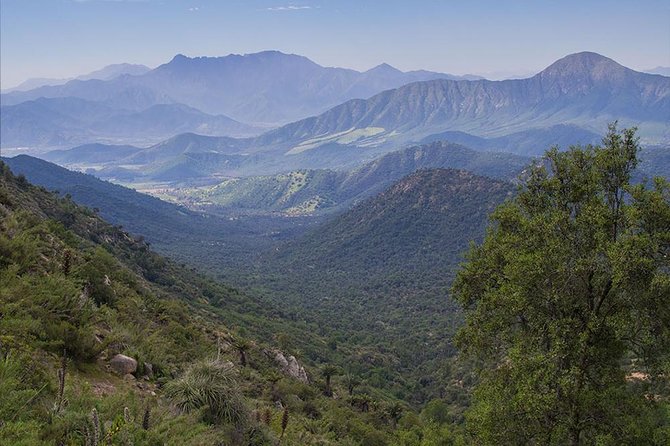
The day’s first major stop is Parque Nacional La Campana, and your hiking route begins in the northern sector, centered on Ocoa. This is where the day’s pacing makes sense.
The hike starts with a three-hour ascent through trail surrounded by sclerophyll vegetation and palms like Jubaea chilensis. Early on, you’re getting your legs working, but you’re also getting time to adjust to the terrain. The walk is long enough to feel like a real trek, but it is not so rushed that you lose the landscape changes.
In the field, you should pay attention to how your guide handles the route. One guide I met in this area, Nicolas, was described as enthusiastic and the kind of walking companion who shares local insights that make the environment feel less generic. You’ll likely get that same approach here: heaving the day along, but stopping when something is worth seeing.
Expect dust and dry conditions in the coastal mountains. The route is described as dry and dusty, so bring the right expectations: this is outdoors hiking, not a lush rainforest walk.
And since this is a biosphere reserve, it’s still natural. That means the trail can feel quiet. You might get long stretches to yourself.
The other half of a Santiago week:
- Cable Car, Funicular and Sightseeing Bus in Santiago one day
★ 5.0 · 2,325 reviews - Small-Group Cajón del Maipo Full-Day Tour and Picnic
★ 4.5 · 2,277 reviews - Tour to Valparaíso, Viña del Mar, Pablo Neruda Museum and Vineyard
★ 5.0 · 2,273 reviews - Maipo Valley Wine Tour with 4 vineyards from Santiago.
★ 5.0 · 1,983 reviews
Palmar de Ocoa trail to Portezuelo Ocoa viewpoint: the climb phase
Once you’re moving, you’ll follow a trail through Palmar de Ocoa. In one walkthrough description, it’s about 7 km on the Sendero, with a section that includes a steepish climb. That “steepish” word is important because it’s not a technical scramble, but it will require effort and steady footing.
You’ll reach the Portezuelo Ocoa viewpoint. Viewpoints are not just for photos here. They’re where the terrain reveals itself. You can look out over the coastal mountain setting, and you get a sense of why the vegetation looks the way it does at different heights and exposures.
Then the route transitions into a descent segment. From a practical standpoint, descent is when people feel their knees. If you’re the type who forgets to pack simple basics for legs, this is where it can catch up with you.
The good news: trekking poles are included, which can make a real difference on steep parts and when you’re stepping down for the next phase.
Wildlife is a mixed bag. On one trek, bird sightings were limited. That doesn’t mean you should skip looking, just don’t plan your whole day around nonstop animal spotting. Your best “wins” are the plants, the shade shifts, and the quiet moments on the trail.
Stop 2 and lunch at Ocoa Hill pass: a view break that’s actually useful
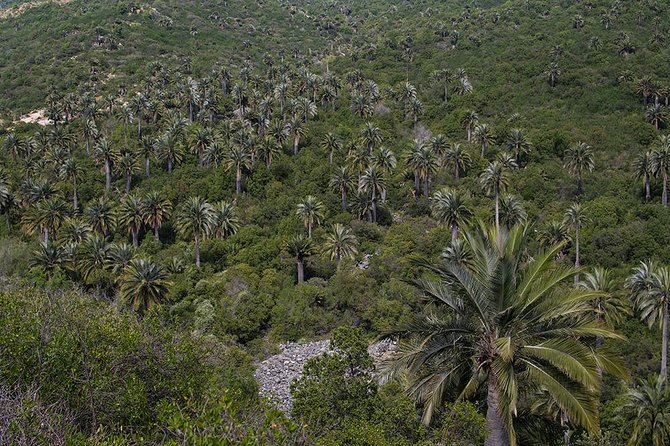
At some point during the hike, you reach Ocoa Hill pass, described as an excellent spot for lunch and rest with beautiful views. This is your mid-day checkpoint, and it matters because it breaks the day into two manageable chunks.
Lunch here is not a random sandwich stop. You’ll be able to breathe, regroup, and refuel while the landscape opens up. It’s also a good time to take inventory of your energy. If you’re feeling good, you’ll settle into the descent. If you’re dragging, you can adjust pace for the second half.
Your box lunch per person is included, along with the park fees and the rest of the trail support. But here’s a practical tip: pack an eye on water. In one full-day account, bottled water was recommended as a must. Even with breaks, a dry hike can drain you faster than you expect.
Also, consider sun protection. In the guidance notes, sunscreen and clothing advice is emphasized. If you’ve ever ended a sunny hike with dry skin and a headache, you already know why that matters.
After the lunch stop, you begin your descent toward Olmué, passing among a Santiago oak forest. That’s one of the day’s best contrasts, because it shifts you away from the dry scrub vibe and into more shaded-feeling woods.
Descent toward Olmué and the shaded forest experience
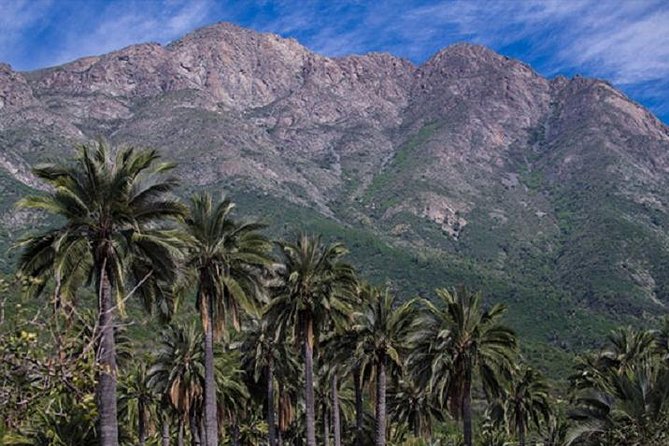
The later portion includes a descent where the trail moves through contrasting woods. In one route description, the descent is part of a 5.5 km Sendero segment through a southern sector called Cajon Grande, noted as being in shade.
This is where the day gets emotionally easier. The first part asks you to climb and focus on steps. The second part asks you to watch where you place your feet, but it’s more about enjoyment than grinding effort.
As you approach Olmué, keep an eye out for the oak forest details. The Nothofagus obliqua var. macrocarpa is described as one of the northernmost relict oaks, which makes it feel like more than just scenery. Your guide can likely explain what makes that tree line special in this region.
The overall arc of the day is also satisfying. You start in the northern sector of La Campana, trek across the protected area heading south, and then you end near Olmué, where your driver is waiting to take you back to Santiago.
That “driver waiting for you” detail is not trivial. It means you’re not stuck trying to organize a bus or taxi after a long hike. Your day ends as cleanly as it starts.
Small group feel, included gear, and realistic wildlife expectations
This tour includes a guide plus the kind of hiking support that makes the trek smoother: binoculars and trekking poles, plus a first aid kit. You’re also getting comfortable transport and hotel pickup and drop-off, which reduces friction.
Binoculars are useful on hikes where wildlife sightings can be patchy. In dry ecosystems, birds can be quick and distant. If you see something, you’ll want optics. If you do not, you can still use the binoculars to scan terrain and spot what your guide calls out.
Trekking poles matter on this specific route. With an early steepish climb and later descent segments, they give you more control. If you’ve ever regretted skipping poles on a downhill day, you’ll understand why this inclusion is a value item, not just a nice extra.
On wildlife: expect it to be variable. In one experience, a brief encounter with a local horse rider happened, and wildlife, especially birds, was limited. That’s a reminder that this is a nature hike focused on plants and habitats. If you’re there for the palms and the vegetation changes, you’ll feel satisfied.
If you’re there for a guaranteed animal show, you might feel let down. This isn’t that kind of trip, and that’s okay. Just pick your goal before you go.
Price and value: what you’re actually paying for
At $221.80 per person for a roughly 10-hour full day, this isn’t a bargain-basement hike. But it also is not overpriced fluff.
Here’s where the value shows up:
- You get hotel pickup and drop-off, plus a comfortable car experience for the drive in and out of the park.
- You get a professional guide and the included on-trail gear (binoculars, trekking poles), so you do not need to rent or improvise.
- National park fees and lunch are included, which adds up quickly if you were to DIY the day.
- It’s private for your group, meaning the itinerary is geared to your pace rather than a crowd’s schedule.
It’s also booked often, with typical booking about 12 days in advance. That signals demand, and it usually means the logistics work well.
If you want a standard mass tour, you might feel the cost. If you want a guided trek where the route, gear, and lunch are handled, the price starts to make sense.
Also keep in mind what is not included: accident insurance and personal clothing. Personal clothing is on you, but insurance is worth considering if you travel without coverage.
Who should book this Darwin’s Route trek, and who should skip it
This tour is best for you if you:
- enjoy walking in protected natural areas and want a guided ecology experience
- like the idea of seeing the Chilean palm in its natural habitat
- can handle a day with a steepish climb and a longer descent
- appreciate small-group or private pacing
You might want to skip it if you:
- only want easy, flat walking
- are sensitive to sun and dry conditions and do not plan for sunscreen and proper clothing
- need consistent wildlife action as the main goal
The minimum age is 13 years, and the tour is described for people with moderate physical fitness. If you can manage a long hike with changing terrain, you’re in the right zone.
One more small filter: confirmation happens at booking time, and the experience requires good weather. If the day is cloudy or wet in a way that affects safety, the plan can change.
Should you book Darwin’s Route through the Chilean Palm Forest?
If your goal is a central Chile day that feels different from the usual Andes foothill routine, I’d say yes, book it. The big reason is focus. This trek is built around La Campana’s biosphere and the plant communities that define it, especially the Chilean palms and the oak forest contrast near Olmué.
You’ll also like it if you want real hiking support: trekking poles, binoculars, lunch, and a guide who can bring the place to life. With pickup and drop-off, you spend your energy on the trail, not on logistics.
Just be honest with yourself about expectations. This is not a guaranteed wildlife show. It’s a guided habitat walk with real views, good breaks, and included gear that makes the effort worth it.
If that matches your travel style, this is one of the more rewarding ways to spend a day near Santiago.
FAQ
Where does this tour take place?
The hike happens in La Campana National Park, beginning in the northern sector around Ocoa. The route crosses the protected area toward Olmué, where the driver is waiting to return to Santiago.
What time does the tour start and how long does it last?
The start time is 7:30 am. The tour lasts about 10 hours, with transfer times varying based on traffic and the time of day.
Is hotel pickup included?
Yes. Pickup is offered from any hotel in Santiago, and drop-off is included after the hike.
What is included in the tour price?
Included are a professional guide, comfortable transport, hotel pickup and drop-off, national park fees, binoculars, trekking poles, a first aid kit, and a box lunch per person.
What should I bring since it is not fully included?
Accident insurance is not included, and you are responsible for your personal clothing. It’s also smart to bring additional water, since the hike can be dry and you may need more than the lunch break provides.
How strenuous is the hike?
It’s described as requiring moderate physical fitness. The route includes a steepish climb early on, followed by a descent.
What are the age limits and group details?
The minimum age is 13 years. It is a private tour/activity, meaning only your group participates, and there is a minimum of 2 people per booking.
Is the tour offered in English?
Yes, it is offered in English.
Can I cancel for a full refund?
You can cancel for free up to 24 hours in advance for a full refund. If it’s canceled due to poor weather, you’ll be offered another date or a full refund.
Freshly reviewed in Santiago
- Colchagua Full Day Wine Tour: Casa Silva & L’Apostolle Wineries★ 4.0 · 3 reviews
- Santiago De Chile Highlights Walking Tour with a Guide★ 5.0 · 3 reviews
- Santiago de Chile: Half-Day City Tour with Local Cuisine★ 4.5 · 3 reviews
- Portillo & Laguna del Inca with Lunch at the Hotel Portillo★ 5.0 · 3 reviews
- Cajon del Maipo & Embalse El Yeso Tour from Santiago★ 3.5 · 3 reviews
- Full day hike to the viewpoint of Condores, Cajon del Maipo★ 5.0 · 3 reviews
- Kayaking Day Trip in the Andes from Santiago★ 5.0 · 3 reviews
- Private Transportation from Santiago or Santiago Airport AMB to Valle Nevado★ 3.5 · 3 reviews
Santiago Tours, compared.
Valparaiso Port and Viña del Mar with Casablanca Wine Tasting
Read our review →
Cajon del Maipo/Embalse del Yeso Tour with Picnic
Read our review →
Vina Del Mar, Valparaiso, Casablanca & Reñaca Tour
Read our review →
Cable Car, Funicular and Sightseeing Bus in Santiago one day
Read our review →
Small-Group Cajón del Maipo Full-Day Tour and Picnic
Read our review →
Tour to Valparaíso, Viña del Mar, Pablo Neruda Museum and Vineyard
Read our review →
Maipo Valley Wine Tour with 4 vineyards from Santiago.
Read our review →