
Reviewed · CHILE
Cerro Tronador
Cerro Tronador is interesting because it sits at the edge of two countries and shows you, up close, how Patagonia’s ice shapes the land. You’re heading out from Bariloche for a long day that mixes big glacier drama with waterfall sightings you can actually stand near.
I love the way this outing centers on the Ventisquero Negro (Black Glacier) and the view from Tronador’s base area, where you can spot the glacier that feeds the Manso River. I also like the variety of water scenes, from La Garganta del Diablo (The Devil’s Throat) to a calmer, more hidden stop like Saltillo de las Nalcas in the forest.
One possible drawback is simple: it’s a 9-hour day with a fair amount of road time. If you’re hoping for lots of free wandering the whole time, plan for a schedule that includes scenic photo stops and guided moments, not endless on-your-own hiking.
Key highlights you will care about
- Mount Tronador (3,478 m) at the Chile-Argentina border for huge “where am I” views
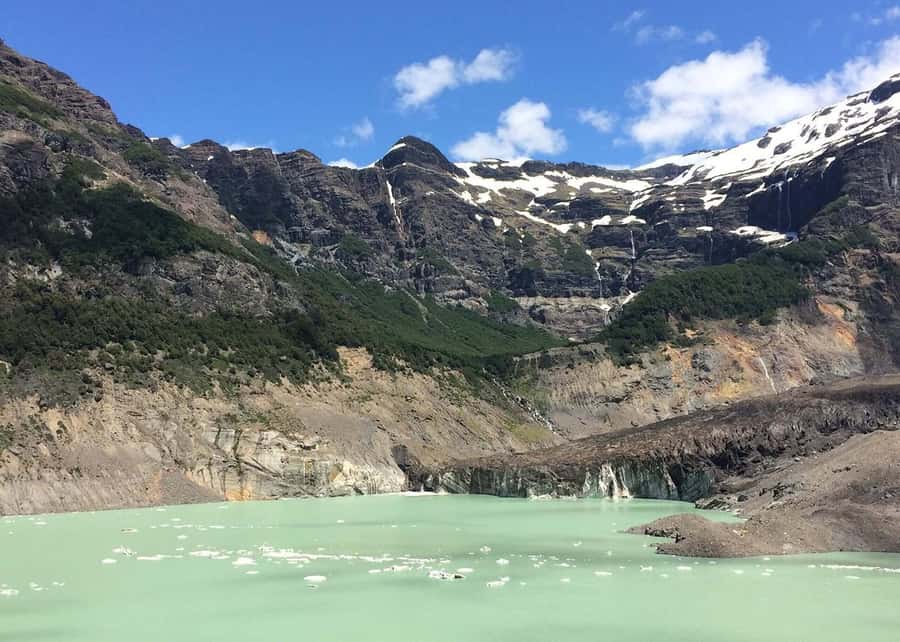
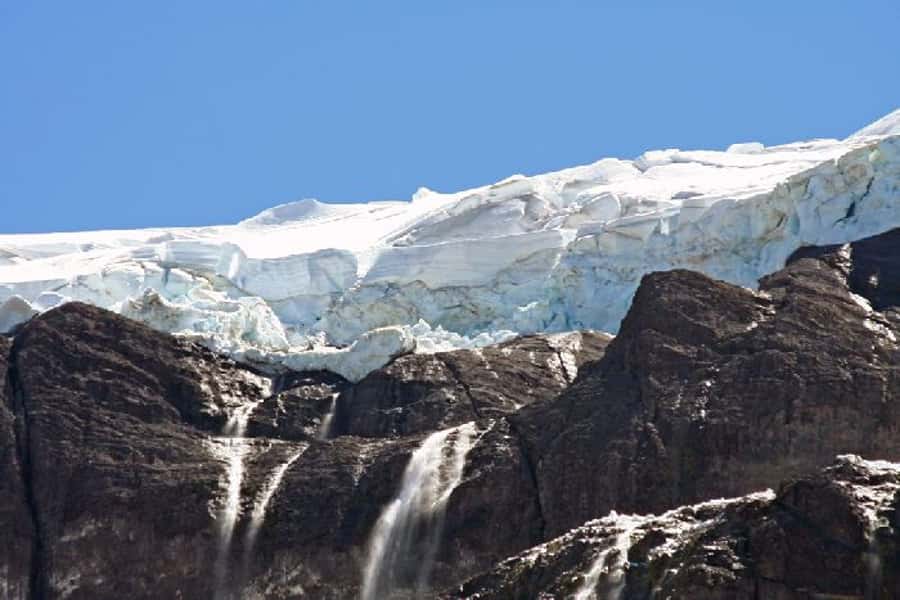
- Ventisquero Negro (Black Glacier), brownish-gray ice blocks formed by avalanches of ice and mud
- Viewpoints near the glacier-fed Manso River so you understand what you’re seeing
- La Garganta del Diablo waterfall created by melted glacial ice in high rock walls
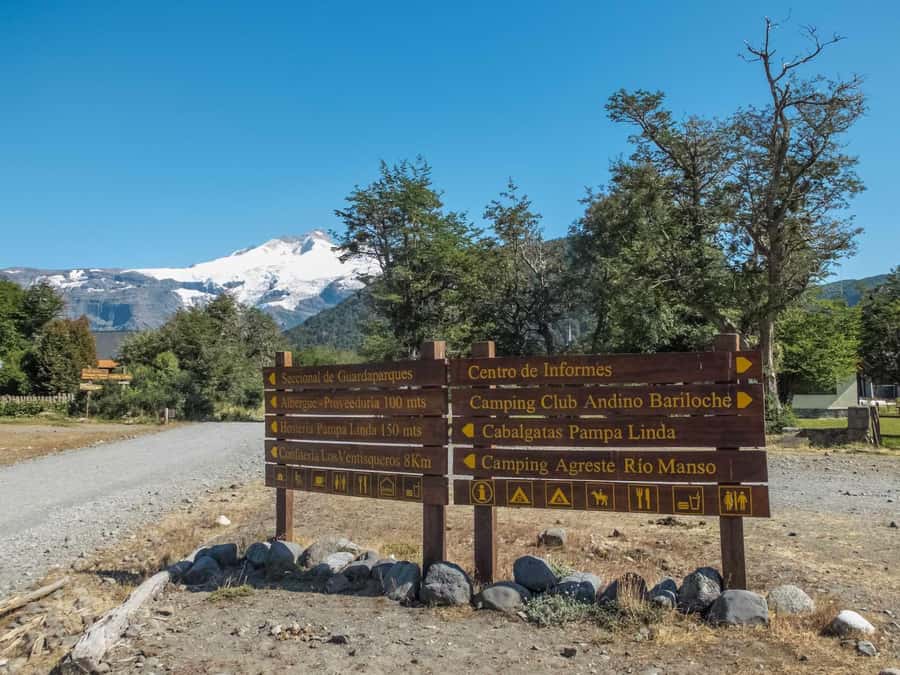
- Saltillo de las Nalcas forest waterfall, quieter and easier to miss without a guide
- Spanish live guide plus hotel pickup in Bariloche, with ZIGZAG Travel running the trip
Mount Tronador, the border mountain with real glacier power
Cerro Tronador is the kind of Patagonia stop that feels built for postcards, but it’s more than a pretty viewpoint. The mountain is 3,478 meters high and acts as a natural border between Chile and Argentina, which adds a special sense of scale. Standing in the Tronador area, you get the feeling that the ice is not just a backdrop, it is the engine of the scenery.
There’s also a fun piece of mountain lore that helps you understand the name. Tronador comes from the thunderous sounds produced when massive blocks of ice fall. Even if you never hear it at the exact right moment, it sets the mood for what you will see: fractured ice, jagged forms, and water moving fast because it has come from melting glaciers.
If you like nature that feels dramatic but still grounded in facts, this tour does a good job. You are not just looking at a glacier. You’re learning how it works and how it connects to rivers and waterfalls in the same day.
Leaving San Carlos de Bariloche on the same kind of morning:
- Bariloche: Cerro Tronador Tour
★ 4.5 · 129 reviews
The 9-hour day from Bariloche: comfortable enough, but plan for the ride
This is a full-day excursion, and you should treat the transport time as part of the experience. The tour includes roundtrip transportation between Bariloche and the Tronador area, plus pickup from hotels in Bariloche. If your address is outside the route, you’ll be assigned a meeting point close to where you stay.
In a perfect world, you’d want more time outside the vehicle and less time stopping for photos. One important caution from past participants is that the road time can feel long, and the vehicle experience matters a lot. Some people loved the day mostly because the guide and driver made it smooth and informative, while others found vans cramped for long hours.
So I’d plan like this: wear layers, bring sun protection, and assume you will be on and off the vehicle a few times. If you tend to get uncomfortable in long rides, it’s worth prioritizing a good seat and a positive mindset. The good news is that the day’s highlights are strong enough that the time on the road feels like a means to an end.
Nahuel Huapi National Park stops: seeing the system, not just isolated views
The tour focuses on features inside Nahuel Huapi National Park, and that is a big reason it feels coherent. You’re not bouncing randomly between unrelated sights. The route connects lakes, beaches, mountains, and waterfalls, so you start noticing patterns in how glacial water shapes everything around it.
Expect a day with guided stops where you can look around, take in wide views, and then move toward the next focal point. One participant specifically praised the walking to the waterfalls inside the reserve as a nice part of the day. That matches what you should look for here: short, guided moments in nature that do not require advanced planning.
At the same time, you should know this is not a do-it-all-at-your-own-pace day. If your ideal day in Patagonia is hours of free strolling with no schedule, you might feel restless. If you like structure and someone explaining the terrain as you go, this kind of route is a good fit.
Ventisquero Negro (Black Glacier): why it looks the way it does
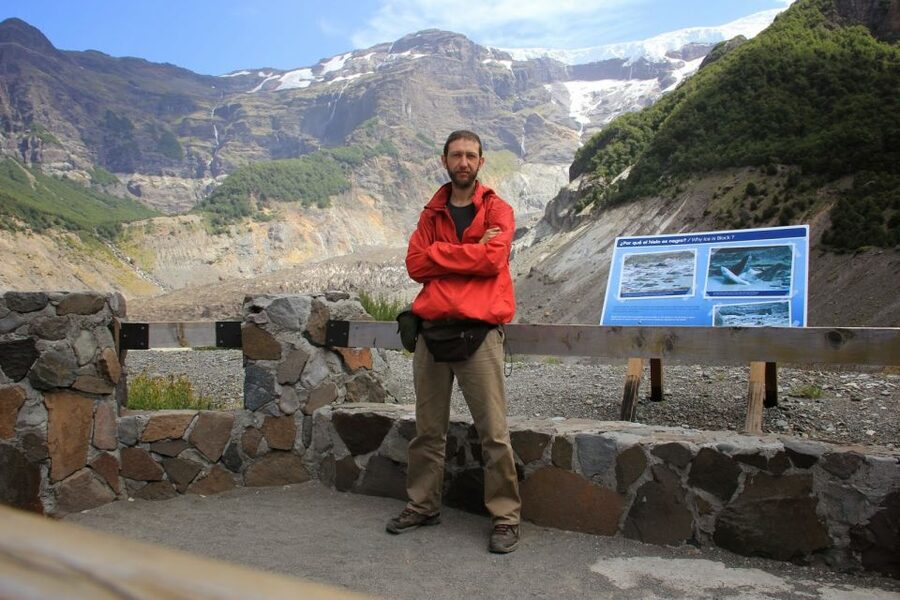
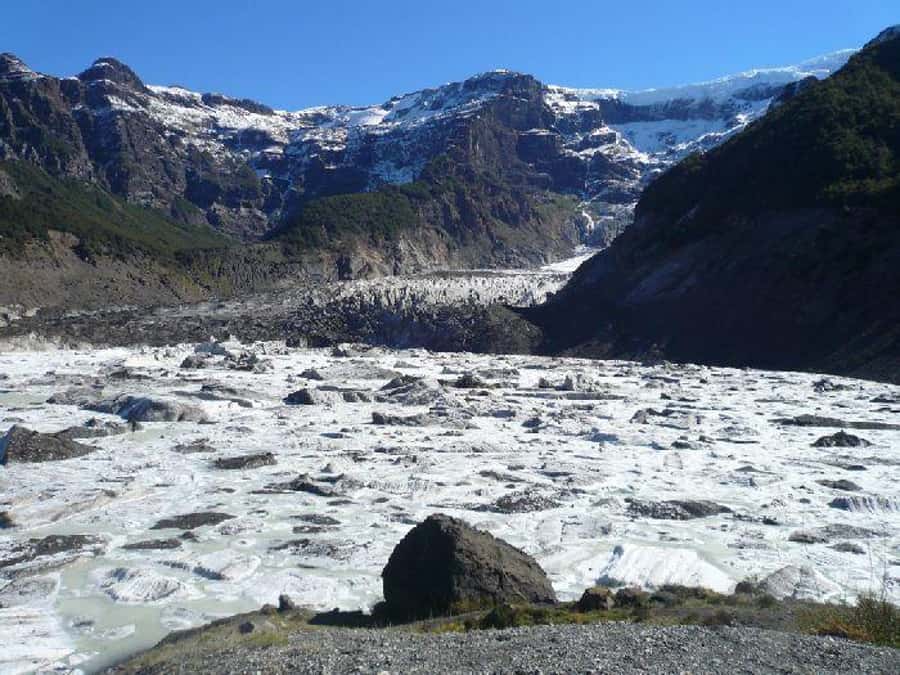
The star stop is the Ventisquero Negro (Black Glacier), and you should go in knowing what makes it distinctive. This glacier is not presented as a pure white wall of ice. It consists of huge brownish-gray blocks created by avalanches of ice and mud.
That color and texture matter. It tells you something about the environment: the glacier is carrying debris and breaking apart in a way that builds a very rugged look. When you see those massive blocks, you are seeing a glacier that is actively changing, not a frozen statue.
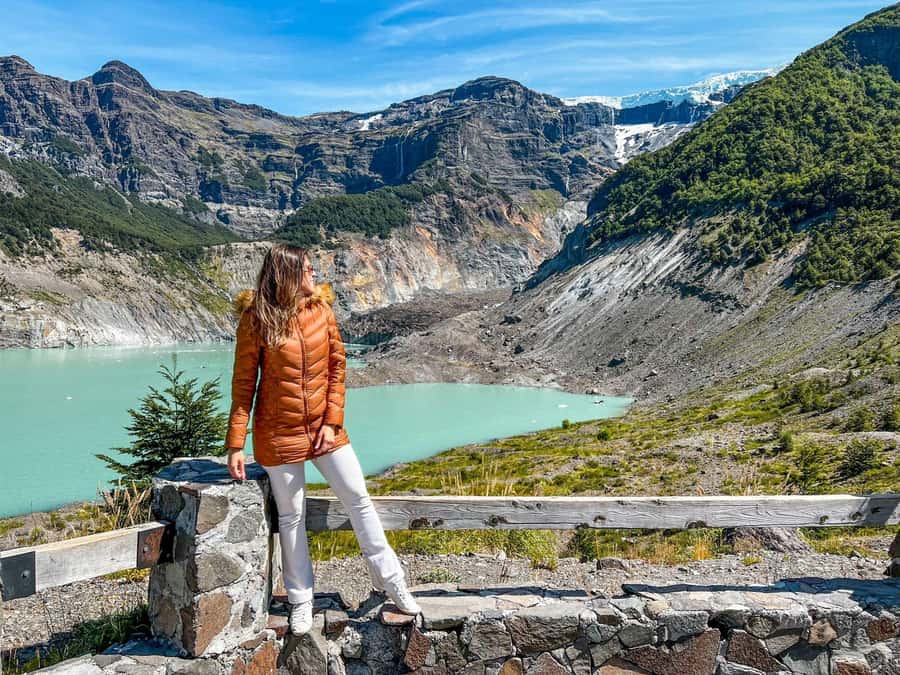
From the viewpoint near Tronador’s base area, you can also see the glacier that feeds the Manso River. That detail is more than a fun fact. It gives your eyes a job: connect what you’re watching high up with water moving through the valley below. When the guide ties the visuals to the river, everything clicks faster, and the glacier stop feels more meaningful.
The viewpoint at Tronador’s base: where the glacier-fed river comes into focus
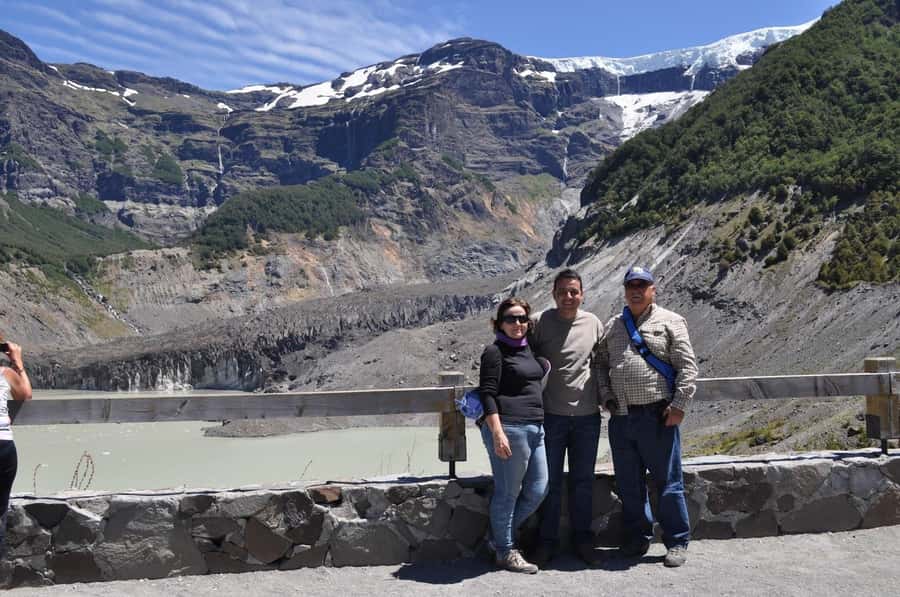
One of the clever parts of this outing is the way you get introduced to the glacial system before you fully reach the waterfall power. The viewpoint at the base area is where you can see the glacier feeding the Manso River, which helps you understand the flow of water that you’ll keep encountering during the day.
This is where you can start asking yourself the right question: where is the water coming from? Later, when you reach glacial melt features like Devil’s Throat, you’ll already have context.
I also like how the border-mountain setting adds depth to the viewpoint. You’re not just watching nature. You’re standing on the edge of a geographic hinge between Chile and Argentina. That helps the day feel big, even when the timing is tight.
La Garganta del Diablo: standing near a waterfall shaped by melted ice
Next comes La Garganta del Diablo (The Devil’s Throat), a waterfall created by melted glacial ice. The setting is dramatic, surrounded by high rock walls that funnel the sound and focus your attention on the falling water.
What I appreciate here is that the waterfall is explained as a result, not just a photo opportunity. The water is meltwater from the glacier system. So you’re not only seeing a fall, you’re witnessing the glacier’s latest chapter written as moving water.
The “rock throat” feel is key. When you stand near it, the walls make the space feel narrower and more intense than the surrounding viewpoints. It’s the kind of stop where your senses do the work, and the guide’s context makes it even better.
If you’re someone who loves waterfalls but also likes science-light nature explanations, this is one of the best moments in the day. It’s photogenic, yes, but it also teaches you how glacial melting translates into real landscapes.
Saltillo de las Nalcas: a quieter waterfall in the forest
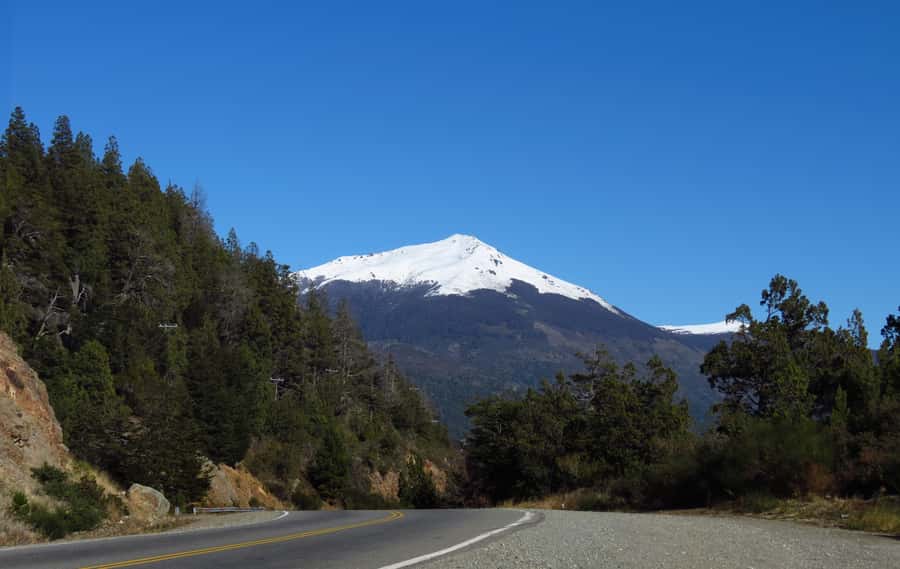
After the big spectacle, Saltillo de las Nalcas shifts the mood. This is a hidden waterfall in the middle of the forest. It’s the kind of stop that works because it contrasts with the glacier-and-rock-wall intensity nearby.
This is also a great example of why a guide matters. Hidden features are hidden for a reason, and without local knowledge you might miss them or not understand what you’re looking at. The tour’s structure keeps this moment from feeling random.
If you like nature that feels more intimate than monumental, you’ll probably enjoy this stop more than you expected. Bring your attention here, not just your camera. The forest setting makes the waterfall feel tucked into the day, a small payoff that keeps the tour from being only one big highlight after another.
Price and logistics: is $55 good value for this day?
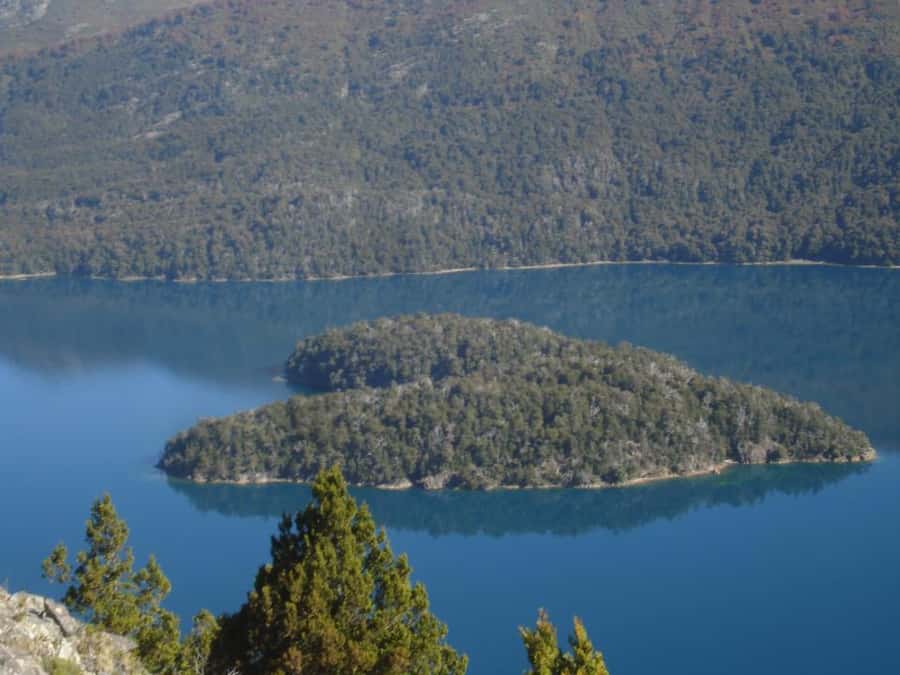
The price is $55 per person, and the value depends on what you care about. You get pickup and drop-off, roundtrip transportation between Bariloche and Tronador, and a guide. For many people, that combination is the whole point, because it removes the hassle of figuring out timing and access on your own.
What is not included is the entrance fee to the national park. Also, you need cash for the park entry and to buy food, since those payments cannot be made by card. That cash detail matters more than it sounds, because it can disrupt your day if you arrive without a plan.
So my practical take is this: the base price is fair if you want the guide to tie the places together and you don’t want to organize logistics. If you are traveling independently with a flexible plan and already know your way around, you could potentially cut costs elsewhere. But if you want a full-day, guided glacier and waterfall experience with transport handled, $55 feels like solid value.
Also note the tour language is Spanish with a live guide. If you read basic Spanish or you’re comfortable listening, you’ll likely feel more connected to the explanations. Past participants highlighted that the guide can make a big difference in how the scenery lands.
What the guide and driver do for the experience
This tour is not only about where you go. It’s also about how you get there and how you understand what you see.
One review singled out guide Florencia for explaining a lot about the area, and praised the driver Oscar for handling challenging roads. Another positive note credited Nacho and the conductor for making the day incredible. These examples are not guarantees for your exact team, but they point to the real value: when the guide is strong, the day becomes more than scenic stops.
You should expect Spanish interpretation and guided pacing through the day. When the guide points out what to look for, you spend less time guessing. That matters especially with glacier terrain, where the details can look similar until you know what to watch for.
How to prepare so the day feels easy, not exhausting
A day like this can be tiring, mostly because it’s long and weather in mountain areas can shift quickly. Bring layers so you can handle cool air near glaciers and warmer conditions when the sun hits. Comfortable walking shoes are also a must, since you’ll be moving around at viewpoints and on nature stops like waterfalls.
Then plan around money and food. You’ll need cash for both the national park entrance fee and food purchases, and you cannot rely on card payments. If you usually travel light, this is the moment to carry enough bills. A quick prep move like that can save you stress later.
Finally, set expectations about pacing. The day includes scenic moments and stops for photos, but it’s still a scheduled excursion. If you want constant freedom to wander, you might find the structure limiting. If you’re happy to follow a guide and make the most of planned stops, you’ll likely find the rhythm works.
Who this Cerro Tronador tour is best for
This outing is best for people who want Patagonia highlights in one day without doing the logistics themselves. If you care about glaciers, waterfalls, and learning how meltwater creates the scenery, you’ll get a lot out of it.
You’ll probably be happiest if you:
- Want to see Ventisquero Negro (Black Glacier) and related glacial water features in a single run
- Enjoy guided explanations in Spanish
- Can handle a long day from Bariloche, with time spent on the road
- Prefer structured stops over totally independent exploring
You might rethink it if you strongly dislike long vehicle time or if vehicle comfort is a top priority for you. One negative experience described cramped vans and too much time on the bus. That doesn’t mean everyone will feel the same, but it’s a real consideration.
Should you book Cerro Tronador?
I’d book this tour if you want a guided, glacier-and-waterfall day in Nahuel Huapi National Park, with transport handled and a Spanish guide explaining what you’re seeing. For $55, the mix of included transport, pickup, and guided stops is a practical way to experience a major Patagonia highlight without spending your vacation planning.
I’d think twice if you hate being in a vehicle for hours and you need lots of unscheduled walking time. In that case, the structure could feel like wasted energy. Also, make sure you bring cash for the park entrance fee and food, because that’s not optional here.
If you match the right expectations, Cerro Tronador delivers. You come away with glacier visuals that look different from the usual white ice story, plus waterfall scenes that are clearly connected to melted ice. That link between glacier to river to waterfall is what makes the day feel more than just scenic.
FAQ
How long is the Cerro Tronador tour?
The duration is 9 hours.
Where does the tour pick you up?
Pickup is from hotels in Bariloche. If your address is not within the route, the operator assigns a meeting point as close to your accommodation as possible.
Is roundtrip transportation included?
Yes. Roundtrip transportation between Bariloche and the Tronador area is included.
What language is the guide?
The live tour guide language is Spanish.
What are the main sights during the day?
You visit Mount Tronador and see the Black Glacier (Ventisquero Negro), La Garganta del Diablo (The Devil’s Throat) waterfall, and Saltillo de las Nalcas, a hidden waterfall in the forest.
How high is Mount Tronador?
Mount Tronador is 3,478 meters high.
Is the national park entrance fee included in the price?
No. The entrance fee to the National Park is not included.
Do I need cash during the tour?
Yes. Bring cash to pay the national park entrance fee and to buy food, since those payments cannot be made by card.
Is there free cancellation?
Free cancellation is available up to 24 hours in advance for a full refund.
Is it possible to reserve and pay later?
Yes. You can reserve now and pay later.
Freshly reviewed in San Carlos de Bariloche
- Bariloche: Cerro Tronador Tour★ 4.5 · 129 reviews