
Reviewed · VILLARRICA VOLCANO
Villarrica Volcano Ascent
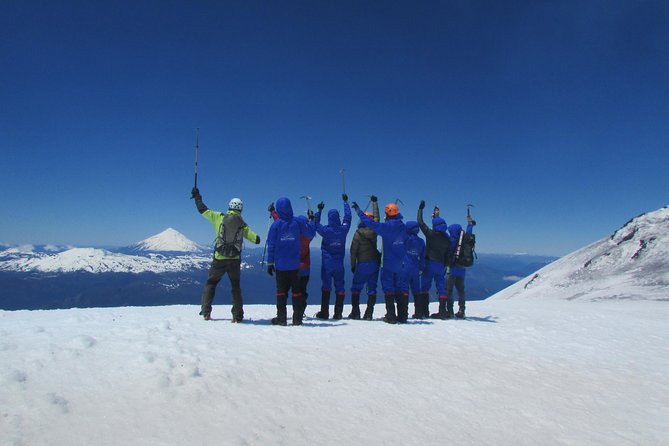
The Villarrica Volcano is interesting because it is one of South America’s most active, and you are hiking toward a summit that can glow with incandescence. Even at a distance, the idea of a lava source reaching over 1200°C adds a real sense of why this mountain matters. For me, the best part is that you are not just walking to a photo, you are moving through changing volcanic terrain.
I love how the day is built around good pacing, with a steady drive up from Pucon followed by about 5 hours of ascent and a slower, safer downhill. I also love the guide support, including technical gear and a certified team that helps you manage traction tools. That made it feel doable even when people in the group were moving slower.
One thing to consider is weather. Villarrica demands good conditions, and if the weather shuts things down, you might not reach the crater that day, even with a great guide team. That happened for one person who still had another activity arranged after the weather changed.
Key highlights at a glance
- Active-volcano setting with a chance of seeing glowing volcanic activity from the summit area
- Clear pacing with roughly 5 hours up and 3 hours down
- Technical gear and clothing included, plus accident insurance and park entrance
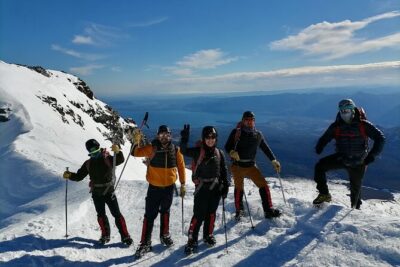
- Multiple-guide team style, with strong help for first-timers using ice axes
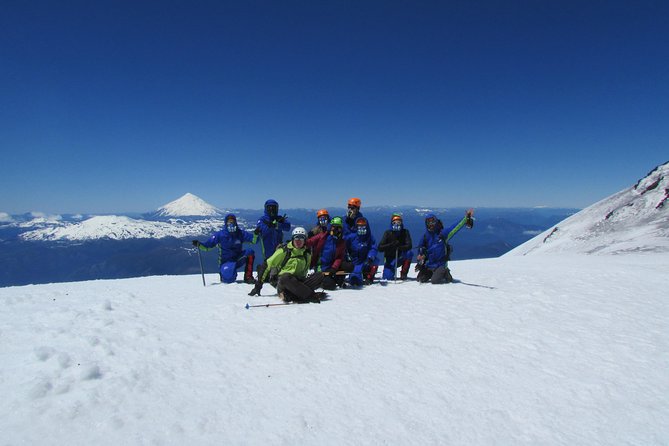
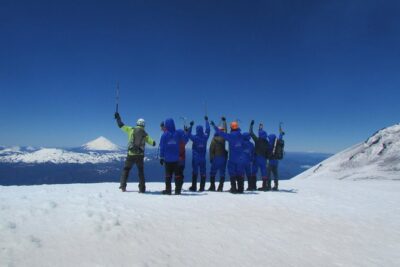
- Big views payoff including Lake Villarrica and eruption scars around you
- Downhill fun element, including at least one sled-style descent reported
Villarrica Volcano, the 2,847 m goal, and what makes this hike special
This is a serious hike, but it is also one of those days where you feel the mountain teaching you something step by step. You start in Pucon at just 227 meters above sea level, then you drive up toward higher ground before your boots ever hit the trail. That climb jump helps you save energy for the steep, volcanic section where you will actually feel altitude.
Villarrica’s attraction is simple, it is active. It is a stratovolcano that constantly draws attention with its heat and glow, and you may even see signs of that volcanic activity from higher up. Locals also call it Ruka Pillán, the House of Spirits, which gives the day a grounded, respectful feel. You are out there for more than a summit sticker.
The route is medium difficulty, which I like because it is not pitched as a beginner stroll. You are hiking for hours, learning to move on snow or icy patches, and using proper tools. You can do it if you can walk for a sustained stretch and you are honest about your fitness level.
More on and around Villarrica:
- Villarrica Volcano ascent
★ 5.0 · 430 reviews - Guided Ascent to the Villarrica Volcano from Pucón
★ 5.0 · 220 reviews - Pucón: Villarrica Volcano Climb
★ 4.8 · 191 reviews
The real value in your $190 booking
At $190 per person for an around 8-hour experience, you are paying for more than transport and a guide. The package includes private transportation, a technical team plus clothing and gear, accident insurance, and a certified professional guide entry into the national park. For a volcano day, that matters.
Here is why that value shows up in how the day feels. When equipment is included, you do not waste time shopping last minute. When the guide team is certified and focused on safety, you are not improvising around traction and steep ground. And when accident insurance is included, you can relax a little more.
Snacks are not included, and portage is not included either. That is the one cost you should plan for yourself. If you treat the day like a regular hike with snacks in your pack, you will be fine. If you arrive expecting everything fed and carried for you, you will feel shorted.
Starting in Pucon, then rising to the working altitude
You begin at Colo Colo 485 in Pucon, and then you head out by car. The day is structured so you do not spend the early hours fighting elevation from near sea level. You start your active hike around 1,400 meters above sea level, which is a smart way to set up most people for success.
Think of the car transfer as part of the plan, not just logistics. It gets you into the altitude range where snow and volcanic terrain show up, so your “real hike” time is closer to what you came for. It also means your 8-hour total stays reasonable, instead of stretching into an all-day suffer-fest.
As you drive, you are already in the zone where you can see the volcano’s presence shaping the region. When you start walking, you feel that shift fast, the air cools down and the ground starts acting differently.
The ascent: 5 hours of volcanic terrain and learning to move safely
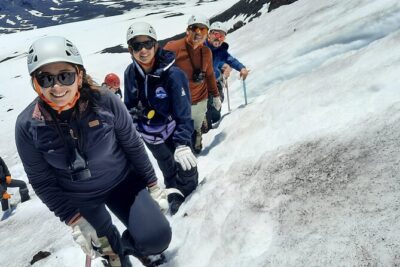
Your hike upward is about 5 hours toward the Villarrica summit at 2,847 meters. The route is designed to let you enjoy the ascent, not just survive it. You will notice different volcanoes around you and see eruption marks in the surroundings, which makes the landscape feel like a living record of past activity.
One of the best practical rewards is Lake Villarrica. Views tend to open as you gain height, and you get stretches where you can stop, look out, and realize you are moving through a volcanic bowl system rather than climbing a single simple hill.
The climb also includes technical movement. Ice axes are part of the experience, and that can be intimidating if you have never used one. In one recent outing, ice axe was someone’s first time, and the guide support made it click without turning the day into a drill session. That is exactly what you want from a guide team. You learn just enough to feel controlled.
A few more Pucón departures to weigh up
- Villarrica Volcano Ascent – Zenit
★ 5.0 · 111 reviews - Guided Kayak Trip on Liucura River
★ 5.0 · 87 reviews - Full Day Mountaineering to Villarrica Volcano from Pucón
★ 5.0 · 62 reviews - Horseback Trailride Excursion
★ 5.0 · 48 reviews
Stop 1: Volcán Villarica and the crater moment
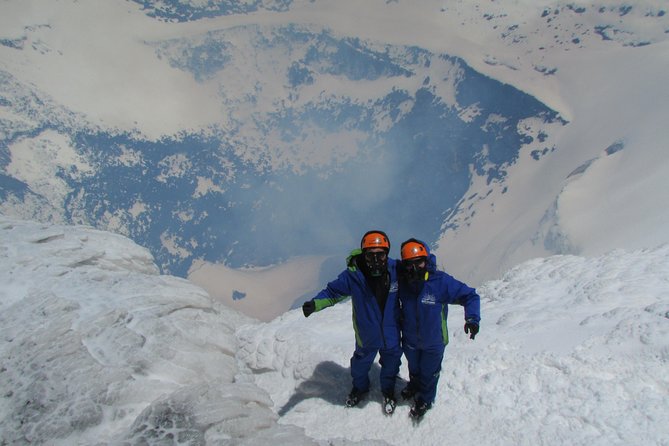
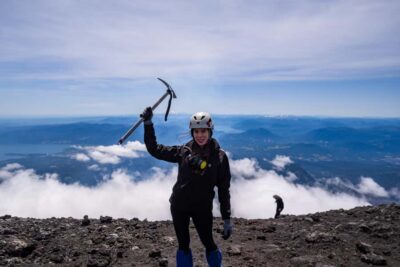
Stop 1 is the volcano itself, which is where the day turns from hiking into a full-on crater experience. This is where you are aiming to get high enough to peer into the crater area, and you may even see it smoking when conditions allow.
You should treat summit access as a goal, not a guarantee. Weather requirements are part of the reality here. In one case, someone could not hike all the way to the top because the weather constrained the route, even though the guide made everything feel well handled by pivoting into another activity.
Still, when conditions are right, the payoffs are big. You get that combination of heat, motion of smoke, and steep volcanic walls that feels different from a standard mountain viewpoint.
The descent: 3 hours down and why it is the fun part
After the highest point you reach, you start the downhill, about 3 hours. Downhill is always work, but with proper gear and guided pacing, it is the part that often feels like the reward.
One standout detail from a recent group was the sled ride down. That is not something I can promise every single day, but it tells you the descent can be playful when conditions allow. Even without sled time, the descending phase is where your earlier climbing effort pays off because you can actually enjoy the sensation of speed and control.
The guides help you manage the slope and foot placement. If you are new to icy tools, this is where you appreciate patient instruction. In one outing, the guide was especially helpful for a slower hiker recovering from a broken elbow about six weeks earlier, which shows they adapt pacing without rushing anyone.
Group size, guide style, and what you get from the team
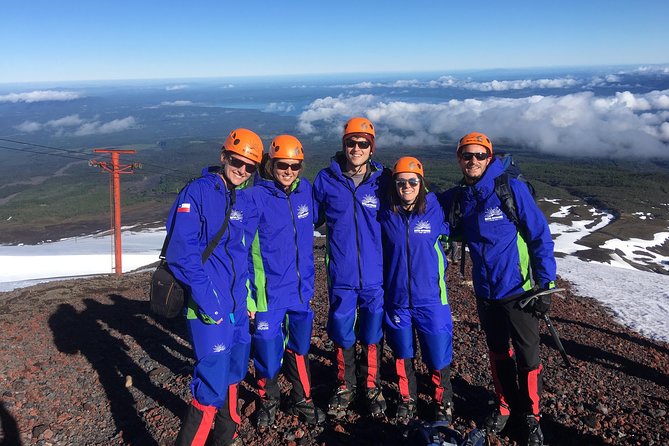
You ride with the group to the trail start, and you hike with a technical guide team. In at least one recent hike, there were four guides supporting a couple plus another group of ten during the ascent. That kind of setup usually means you are not lost, and you are not left to figure traction out on your own.
Communication is also a big deal on a volcano day. One person specifically called out good English from their guide. That matters because you need quick, clear instructions when you are handling ice axes and moving over uneven volcanic surfaces.
Names you might hear in the field include Grace, who was described as patient and supportive for a first big hike after an elbow break. That tells me the team doesn’t just run an assembly line, they actively help you get safely through the hardest parts.
What to pack and how to prepare, without overthinking it
The tour includes technical clothing and gear, so you do not need to show up with specialized equipment. But you should still prepare like you are going to spend most of the day outdoors in cold conditions near active volcanic terrain.
Since snacks are not included, bring something you can eat during breaks. If you forget, you will be stuck feeling hungry while you should be focused.
Also remember portage is not included. That wording usually means you should plan to carry your own personal items. Keep your pack simple. You want quick access to what you need, and you do not want extra weight slowing your pace on the climb.
For physical prep, treat this as a medium difficulty hike. You will be hiking for hours, not just reaching a viewpoint. If you can comfortably walk for a while on uneven ground, you are on the right track. If you have a recent injury, tell the operator ahead of time and be ready for the guide team to adjust expectations based on safety and weather.
Weather and summit reality at Villarrica
This experience depends on good weather. That means fog, wind, or unsafe visibility can change the route. If conditions are not right, the trip can be canceled and you will be offered another date or a full refund.
The practical takeaway is simple. Do not plan your Chile itinerary so tightly that you cannot flex one day. Villarrica is weather-driven, and you will enjoy the experience more if you give it room to work.
Even in good conditions, you might not reach the absolute summit. One person shared that the guide could not take them to the top due to weather constraints, but still managed to arrange another activity. That is the kind of calm problem-solving you want on a mountain day.
What makes the views worth it, beyond the crater
The crater is the headline, but the rest of the hike has its own value. Along the ascent, you get views of Lake Villarrica and you see the volcanic marks around you. Those eruption scars make the hike feel grounded and real. You can look at the terrain and understand it as a series of events rather than just a pretty mountain.
The other underrated part is motion and teamwork. With multiple guides and gear support, you spend less time worrying and more time noticing. When someone in the group is slow, patient guiding keeps the day positive rather than turning it into a stress test.
At the end, you can also expect a small treat element. One recent group mentioned drinks and treats after the hike, which makes the finish feel like a real end to a real effort.
Should you book this Villarrica ascent?
Book it if you want a guided, gear-supported volcano hike that treats safety as the priority and still delivers a big crater view when conditions allow. The included technical gear, certified guide, park entrance, and accident insurance make it good value, not just a ticket to show up on a trail.
Pass or reconsider if you cannot handle medium hike effort, or if your schedule is locked with no flexibility for weather. Also be honest about summit expectations. You are aiming high, but the mountain decides how high you can go that day.
If you want a day that mixes active-volcano energy with guided help on traction tools, this is a strong choice from Pucon.
FAQ
What is the duration of the Villarrica Volcano ascent?
The experience runs about 8 hours.
Where does the tour start and end?
It starts at Colo Colo 485, 4920474 Pucon, Pucón, Araucanía, Chile. It ends back at the same meeting point.
How difficult is the hike?
The difficulty level is listed as medium, and travelers should have moderate physical fitness.
How much does it cost?
The price is $190.00 per person.
What is included in the price?
Included are private transportation, a technical team and clothing, accident insurance, certified professional guide, and entrance to the national park.
What is not included?
Snacks and portage are not included.
Do you always reach the summit?
You hike toward the summit, but the experience requires good weather. If conditions do not allow it, you might not reach the top, and another activity or alternative plan may be offered.
What happens if the weather is poor?
If it is canceled due to poor weather, you will be offered a different date or a full refund.
Freshly reviewed in Pucón
- Pucón and Villarrica: Guided Tour with Hotel Pickup★ 4.5 · 3 reviews
- Ascent of the Llaima Volcano★ 5.0 · 4 reviews
- Trekking Huerquehue★ 5.0 · 6 reviews
- PUCON: TOUR AROUND THE AREA WITH THERMAL BATHS★ 4.0 · 8 reviews
- Winter Rafting River Trancura★ 5.0 · 9 reviews
- 2-day Lanin Volcano ascent★ 5.0 · 11 reviews
- 2-day guided ascent to Lanin volcano, from Pucón★ 4.5 · 12 reviews
- Trekking trhough Lagos Andinos Trail★ 5.0 · 15 reviews
Villarrica Volcano, compared.
Guided Ascent to the Villarrica Volcano from Pucón
Read our review →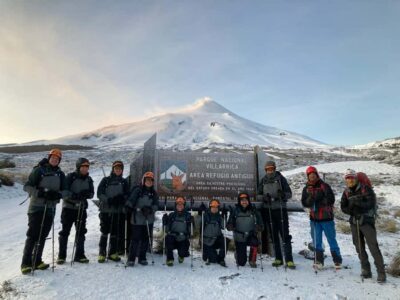
Full Day Mountaineering to Villarrica Volcano from Pucón
Read our review →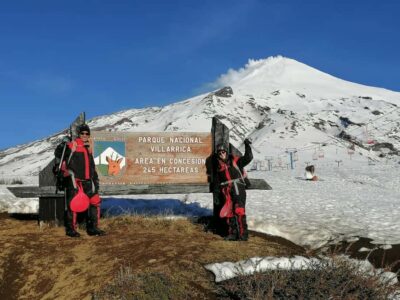
Ascent to Villarrica volcano 2,847masl, from Pucón
Read our review →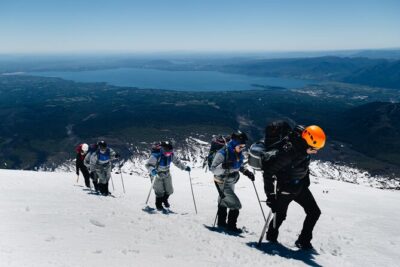
Browse the lists this tour appears in