
Reviewed · PUCóN TOURS
Guided ascent to the Quetrupillán volcano from Pucón
From Pucón, the guided climb up Volcán Quetrupillán is interesting because it feels like you leave the usual crowds behind and step into a high-altitude, snow-and-ice world. You’re headed to an inactive volcano about 40 km from town, then you reach a summit at 2,370 m where the crater holds an impressive glacier.
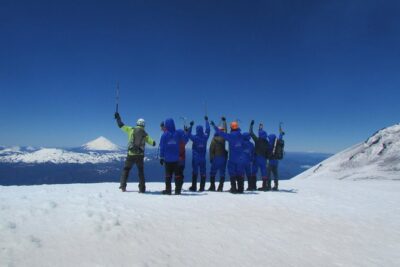
I like the fact that the tour is built around real mountain travel, not just a viewpoint stop. You get full traction gear and glacier tools (crampons and an ice ax), so the hike stays focused and safer. I also like the payoff: at the top you get big views that include Villarrica, Lanín, and the Araucaria forest country below, plus that glacier-in-the-crater moment.
One drawback to consider is timing and weather. You start early (6:00 am) and the whole day depends on conditions, since you’ll cross forest, snow, and volcanic rock while wearing heavy gear.
Key highlights before you go
- A less-frequented volcano near Pucón, so the day can feel more personal than the big-name alternative
- Certified guides and small group size (up to 12 people) for pacing and safety in snow
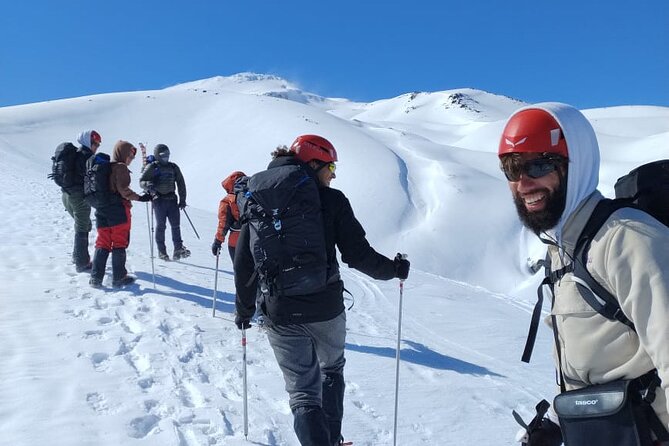
- Crampons, ice ax, and helmet provided, plus face gear like a gas mask
- Summit at 2,370 m with a glacier in the crater, plus dramatic panoramic views
- A fun descent on snow, which comes up again and again in people’s stories
- Park time in Parque Nacional Villarrica as part of the approach, not just a quick pass-through
Why Quetrupillán makes sense in Pucón
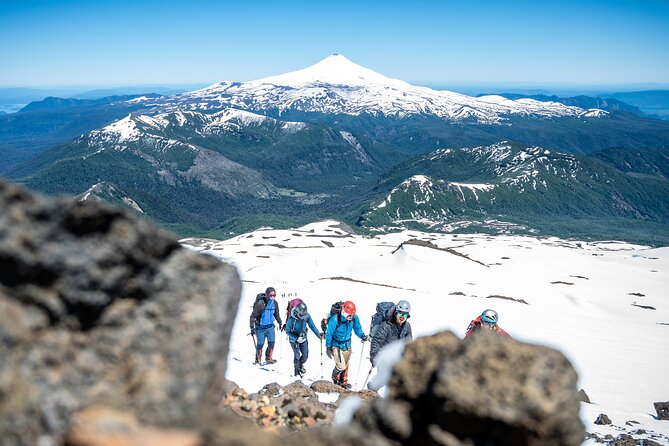
Pucón is famous for Volcán Villarrica, but Quetrupillán is a smarter pick if you want the volcanic scenery without feeling like you’re in a conveyor belt. This is an inactive volcano climb, and that changes the mood. You’ll still get a serious mountain day, but the focus tends to be on the terrain and the views rather than being pulled toward the most crowded peak.
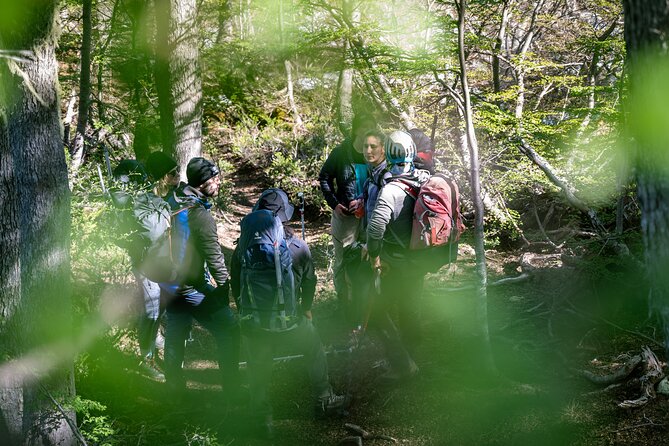
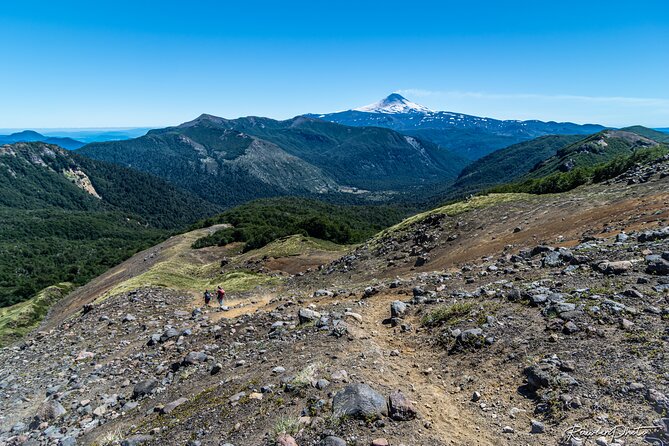
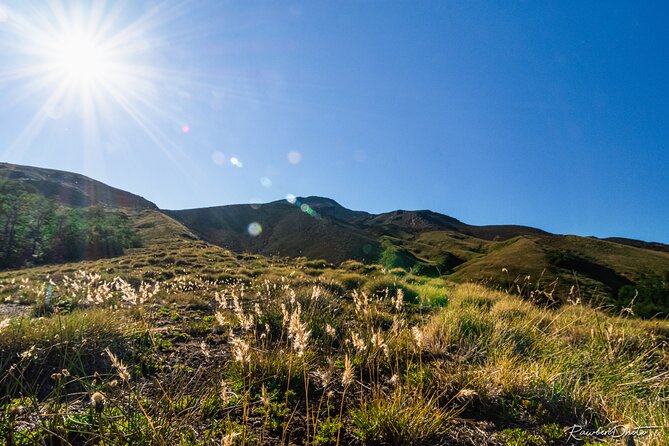
The summit experience is built around contrast. You start in the Parque Nacional Villarrica area, then you transition through different trail types: native forest, snowfields, and volcanic rock. By the time you’re high up, the region opens into wide views of volcanoes, lakes and lagoons, and the older Araucaria forests. That’s the kind of scenery that stays with you because it isn’t just one “pretty spot.” It’s a whole chain of changing environments across the day.
A few more Pucón departures to weigh up
- Villarrica Volcano ascent
★ 5.0 · 430 reviews - Guided Ascent to the Villarrica Volcano from Pucón
★ 5.0 · 220 reviews - Pucón: Villarrica Volcano Climb
★ 4.8 · 191 reviews
The 9-hour flow: what your day actually feels like
Expect a full-day outing, about 9 hours total. The start time is 6:00 am, and you return to the same meeting point afterward. You also travel by private transportation, which matters more than it sounds. Early starts can be brutal when you have to assemble a group across town, and private transfer helps keep the morning from turning into a logistics headache.
A realistic way to think about the pace is this: the climb is a hike with mountaineering gear, not a casual walk. Reviews and the trip structure point to breaks and a calm rhythm set by the guides, with at least a couple guides in action depending on group size. On the summit, you have time to take it in and, in some cases, to eat at the top.
The other key point is the descent. This is where people often smile the most. Several accounts mention sliding down on snow during the way back. You’ll still be moving with control and following instructions, but it turns the “we survived the climb” feeling into a fun finish.
Stop 1: Parque Nacional Villarrica, where the scenery starts doing the work
Your first stop is Parque Nacional Villarrica. This is not just a check-in. It sets the stage for what you’ll see across the day, especially the mix of forest and mountain terrain.
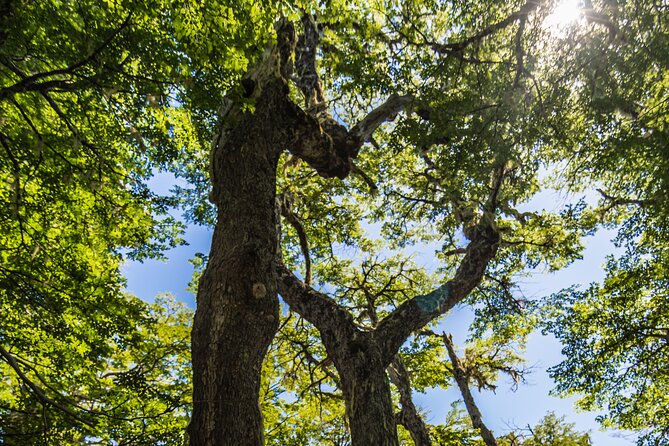
Early on, you’re in a native forest zone. That matters because it changes the feel of the hike. You’re not immediately in open snow. You get a gradual shift from trees and packed trail to colder, more exposed ground. The tour’s design also mentions observing local flora and fauna. Even if you never become the kind of person who can identify every bird, being in a guided group tends to make you notice more: tree shapes, how the snow sits on branches, and small life moving around you.
A practical takeaway: this first portion is a chance to warm up without overheating. Since you start at 6:00 am, you’ll likely feel the cold at the start, then ease into a steadier effort as the hike begins.
Stop 2: Quetrupillán ascent, snow steps, and the crater glacier moment
The main event is the ascent to Volcán Quetrupillán, an inactive volcano with a summit at 2,370 m. From the summit, Lanín appears in front of you, and the crater reveals an immense glacier. That glacier is the kind of view that makes the “vertical effort” feel worth it.
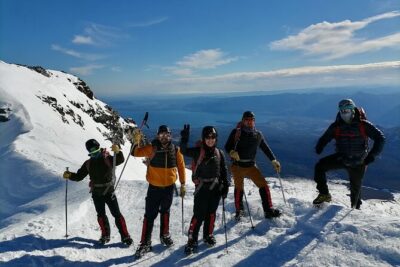
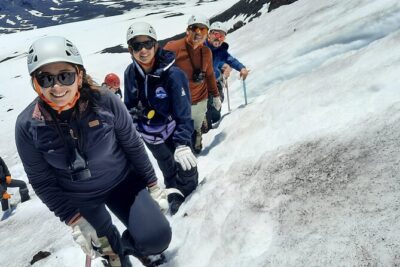
During the climb, you cross several trail types. The tour description calls out native forest, snow, and volcanic rocks, and you can expect the snow to become a major part of the day. That’s why the gear list is so specific: crampons and an ice ax are included because you’re not just walking through snow, you’re managing traction on it.
One of the best parts is the panorama build-up. As you gain height, the views expand across Araucaria forest country, multiple volcanoes, and water features like lakes and lagoons. You also get a perspective over the Villarrica glacier area. In other words, you’re not only “going up to see the peak.” You’re watching the wider volcanic region come into focus.
There’s also a cultural layer in the way guides talk about the area. One account mentions a guide sharing context about local trees and Mapuches, which you can treat as a bonus that makes the scenery feel more grounded. When the group is small, you tend to get more real conversation, not just standard announcements.
The other half of a Pucón week:
- Villarrica Volcano Ascent – Zenit
★ 5.0 · 111 reviews - Villarrica Volcano Ascent
★ 5.0 · 99 reviews - Guided Kayak Trip on Liucura River
★ 5.0 · 87 reviews - Full Day Mountaineering to Villarrica Volcano from Pucón
★ 5.0 · 62 reviews
Gear check: what’s provided and why it matters on snow
This is one of the strongest value points of the tour. You receive the key mountain items you’d otherwise have to rent or buy. Included gear covers:
- mountain shoes
- leggings and trouser covers, plus jacket covers
- two pairs of gloves (labeled as X2 gloves)
- a 35L backpack
- a helmet
- crampons and an ice ax
- a gas mask
On snow days, the difference between a good traction setup and a mediocre one is huge. Included crampons and an ice ax mean you’re less likely to show up with the wrong size, wrong model, or gear that’s been sitting in someone’s closet. A helmet also matters because you’re hiking in a protected but still rugged mountain setting.
You still need to bring personal items. The tour lists personal trekking clothing, plus sunglasses and sunscreen. I treat that as a clear sign that even with loaner layers, you should plan for sun and brightness at altitude. Snow can reflect light, so sunglasses are not optional if you’re sensitive to glare.
Guides and group size: why small feels better here
The tour runs with certified guides and a maximum of 12 travelers. In practice, that group limit helps with pacing and supervision on steeper snow sections.
In multiple experiences shared from the climb, guides were described as attentive, helping people regulate rhythm based on physical condition, and keeping safety rules clear. There are also specific guide names that show up: Edgard, Joaquín, Diego, Marike, Cristian, and Christian. That gives you a good sense that the operation uses teams, not one lone guide juggling everyone.
With small groups, you typically get two benefits:
1) You’re less likely to feel rushed when traction and footing get technical.
2) You’re more likely to understand what you’re seeing, since guides have time to explain birds, trees, and volcano features.
If you want your day to feel structured but not stiff, this size tends to hit the right balance.
The view payoff: volcanoes, forests, and a 360-degree feel
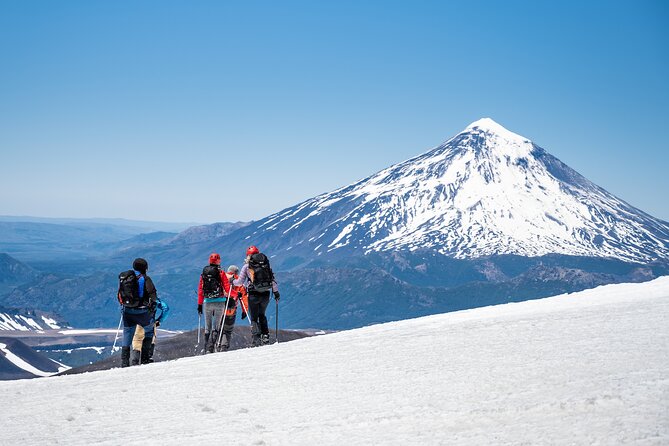
What you’re chasing is the summit perspective. From the top, people describe an expansive view that includes volcanoes such as Villarrica and Lanín, plus other names like Llaima and Mocho Chosuenco. The tour description also calls out wide panoramas of ancient Araucaria forests, lakes and lagoons, and the Villarrica glacier area.
The crater glacier is the headline. It’s not abstract. You’re reaching the summit and then seeing that immense glacier sitting in the crater. It’s the kind of view that changes how you picture the mountain when you’re back in Pucón.
One more practical detail: if you’ve been to viewpoint spots where you stand, take photos, then leave, this is different. You spend enough time at elevation to notice depth and distance, and you get those long “look longer” moments.
What you do at the end: snacks, drinks, and decompressing
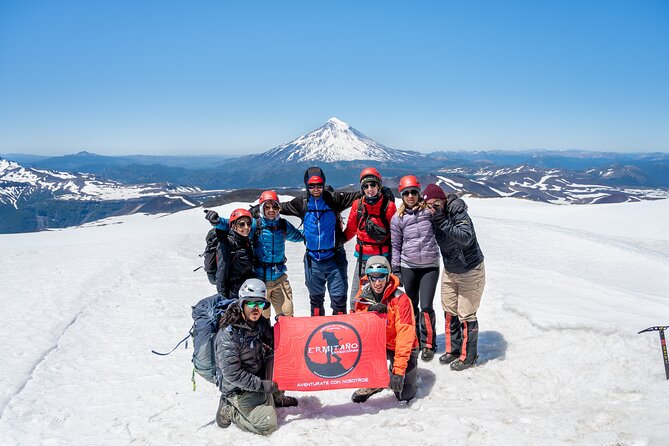
At the end of the activity, you’ll have soda, soft drinks, and snacks, and some tours include pop beers as part of the post-hike finish. You also get photos and videos, which is useful if you’re traveling with a partner and you want decent summit shots without constantly switching phones in cold hands.
Decompression matters after a day like this. When you’ve been in crampons and cold air, your body wants a slower transition. The return to the meeting point keeps things simple, so you’re not stranded after dark or forced to self-organize.
Price and value: is $180 worth it for this kind of day?
The price is $180 per person, and the best way to judge it is to look at what’s included, not just what it costs. This tour includes:
- certified guides
- entrance to Villarrica National Park
- private transportation
- accident insurance
- essential climbing gear (crampons, ice ax, helmet, and more)
- photos and videos
- end-of-tour soda, soft drinks, snacks, and pop beers
That turns the cost into something more predictable. If you tried to recreate this trip on your own, you’d likely spend time and money on gear rental, guide services, and park access. Also, the gear list is extensive. Items like trouser covers, jacket covers, and helmet are the kind of details you often don’t think about until you’re freezing and realizing your street clothes are not the plan.
What is not included is lunch, plus personal sunglasses and sunscreen and your trekking clothing. You’ll need to bring food and water. That’s manageable, but it’s the tradeoff: the tour handles mountaineering gear and guidance, you handle your own fuel.
So for $180, I see it as good value if you want the crater glacier and snow travel without spending your trip time shopping or renting.
Weather reality: what can change your day
This activity requires good weather. If it’s canceled due to poor weather, you’ll be offered a different date or a full refund. That’s fair, and it’s also a good reminder to plan with flexibility if you’re on a tight schedule in Pucón.
Because you’re starting at 6:00 am, you can get good days that still turn into “not safe enough” decisions. The good news is that certified guides and the safety gear are part of why this is offered as a guided mountaineering-style hike.
Who this is best for, and who should rethink it
This is best for you if you want a moderate physical fitness day and you’re okay hiking for hours in snow with traction gear. The tour is also capped at 12 people, which tends to feel more comfortable for people who prefer guidance and structure.
It may not be the right fit if you:
- don’t feel confident on cold, slippery terrain
- want a fully casual walk with minimal gear and minimal technical steps
- are traveling with very limited flexibility due to the early start and weather dependency
That said, “moderate fitness” suggests it’s accessible to more than just elite hikers. Just be honest about your ability to keep a steady pace for a long morning and to follow guide instructions on snow.
My packing checklist based on what you must bring
You’ll be provided most of the climb gear, so pack around personal needs:
- bring trekking clothing for cold conditions
- pack sunglasses
- pack sunscreen
- bring lunch food and water
If you’re the kind of traveler who hates carrying heavy stuff, this might still feel like a workout day, but the included 35L backpack is there to simplify weight distribution.
Should you book this Quetrupillán ascent?
Book it if you want a full mountain day with traction gear, small-group guiding, and summit views that include a glacier in the crater plus big volcano panoramas. I especially like this option when you want a different story than the main-name climb in town, but you still want the payoff.
Skip or rethink it if early starts and snow conditions sound stressful, or if you can’t move dates if weather forces a change. With the included gear, certified guides, park entry, transportation, and safety insurance, this is one of those tours where paying once saves you from piecing together multiple services yourself.
If you’re in Pucón and you want one day that feels like real elevation and real winter terrain, Quetrupillán is a strong choice.
FAQ
What time does the Quetrupillán guided ascent start?
The tour starts at 6:00 am.
How long is the tour?
The duration is approximately 9 hours.
Where do I meet for the tour?
You start at Ermitaño Expediciones, Brasil 555, Pucon, Araucanía, Chile. The tour ends back at the meeting point.
Is the tour group small?
Yes. The maximum number of travelers is 12.
What equipment is included for the volcano climb?
Included items are mountain shoes, leggings, trouser covers, jacket covers, X2 gloves, a 35L backpack, helmet, crampons, ice ax, and a gas mask.
What is not included?
You bring personal trekking clothing, sunglasses, and sunscreen. Lunch is also not included, and you should bring food and water.
Do you get park entrance and insurance?
Yes. The tour includes entrance to Villarrica National Park and accident insurance.
Are guides included?
Yes. The tour includes certified guides.
What happens if weather is poor?
This activity requires good weather. If it’s canceled due to poor weather, you’ll be offered a different date or a full refund.
What is the cancellation window?
You can cancel for a full refund up to 24 hours before the experience starts. If you cancel less than 24 hours before, the amount paid is not refunded.
Freshly reviewed in Pucón
- Pucón and Villarrica: Guided Tour with Hotel Pickup★ 4.5 · 3 reviews
- Ascent of the Llaima Volcano★ 5.0 · 4 reviews
- Trekking Huerquehue★ 5.0 · 6 reviews
- PUCON: TOUR AROUND THE AREA WITH THERMAL BATHS★ 4.0 · 8 reviews
- Winter Rafting River Trancura★ 5.0 · 9 reviews
- 2-day Lanin Volcano ascent★ 5.0 · 11 reviews
- 2-day guided ascent to Lanin volcano, from Pucón★ 4.5 · 12 reviews
- Trekking trhough Lagos Andinos Trail★ 5.0 · 15 reviews
Pucón Tours, compared.
Guided Ascent to the Villarrica Volcano from Pucón
Read our review →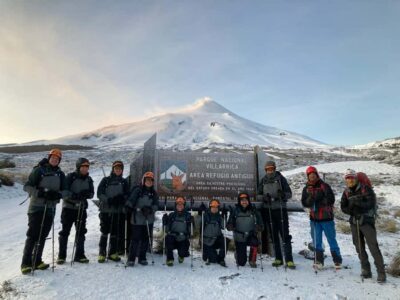
Full Day Mountaineering to Villarrica Volcano from Pucón
Read our review →
Browse the lists this tour appears in