
Reviewed · TORRES DEL PAINE TOURS
Torres del Paine Park Full-Day Tour from Puerto Natales
Few day trips in Patagonia stack Milodón Caves and Grey Lake glacier views in one long day. I love the human story at the caves, and I love that the Grey Lake section puts real ice floes and glacier scenery right in front of you.
The only real drawback is that it is a long, rain-or-shine day on foot, so it is not recommended for people with limited mobility.
Key highlights you will feel fast
- Milodón Caves: a 1000-year-old site tied to early human refuge and an extinct giant herbivore
- Short walks, big photo payoffs: about a 30-minute hike to El Castillo Hill, then a quick 10-minute push to Salto Grande
- Patagonia wildlife and plants: red foxes, condors, guancos, rheas, plus lenga forest time
- Salto Grande waterfall: a 10-meter flow pouring from Lake Nordenskjöld
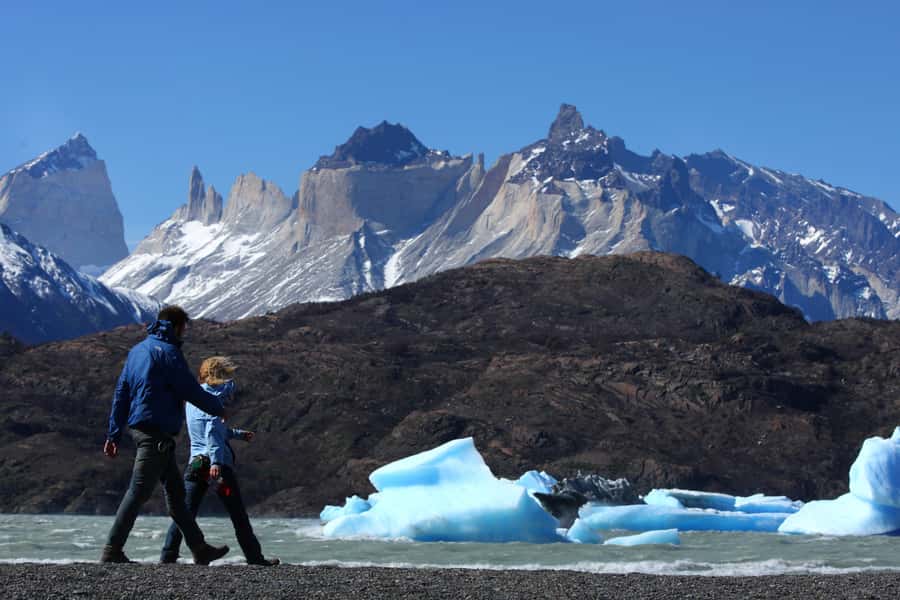
- Grey Lake and glacier area: ice floes, glacier viewpoints, and a 1.5-hour break
- Door-to-door ease: hotel pick-up and drop-off from Puerto Natales, with a bilingual English and Spanish guide
The Torres del Paine hits that make this full day worth your time
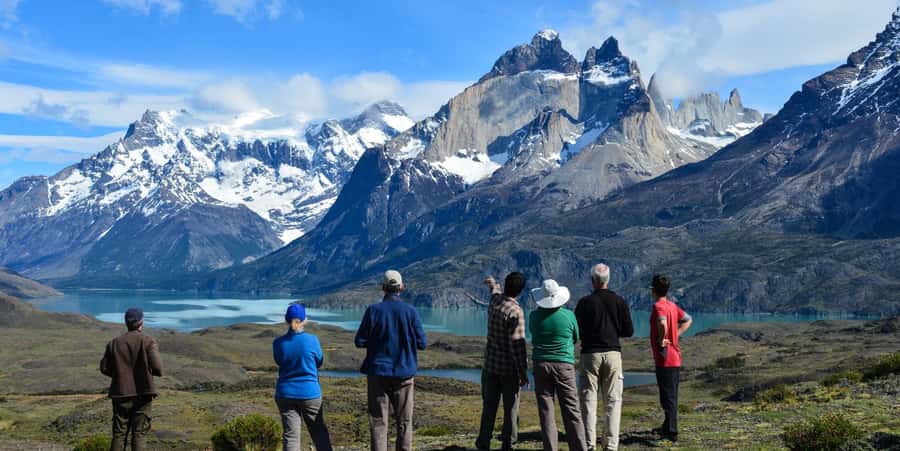
A full-day tour like this is not about doing everything in slow motion. It is about getting a smart sweep of the park’s biggest moods, from ancient caves to roaring water and then out to the Grey Lake glacier area.
You start in Puerto Natales, and you return to the same base the same day. That means you skip the logistics of connecting buses and figuring out which sector to prioritize, which is a big deal when Patagonia weather can change quickly.
The rhythm is also built around variety. You get geology and ice, waterfall views, and then a human and wildlife story that helps you understand what you are looking at, not just photograph it.
Other ways into Torres del Paine:
- Full Day Tour to Torres del Paine National Park
★ 5.0 · 513 reviews - Torres del Paine: 3-Hour Scenic Boat Tour to Grey Glacier
★ 4.5 · 283 reviews - Full-Day Tour Torres del Paine National Park from Puerto Natales
★ 4.5 · 251 reviews
Milodón Caves: 1000-year-old refuge, told in plain language
Your first major stop is the Milodón Caves, described as a site created by an enormous natural disaster. It also has serious anthropological importance, including the idea that people in the earliest waves on the continent may have used the area for refuge from elements and wild animals.
What I like about this opening is that it gives you context before you jump into the postcard scenery. Instead of arriving at Torres del Paine as a blank slate, you start with a reminder that this region has been changing for a very long time, and humans had to adapt to it.
You should expect some walking before you move on. After a 30-minute hike, you continue to the next viewpoint and story stop at El Castillo Hill.
El Castillo Hill and Laguna Amarga: where the park story starts to click
El Castillo Hill is your next pause point, and there is a cafeteria service there. If you time it right, it is a good moment to warm up, reset, and refocus before the day’s later hikes.
This is also where the tour includes an introduction to the Torres del Paine National Park area, including Laguna Amarga, often translated as bitter lagoon. Hearing why the landscape is named and how the area works helps you connect details as you move from one viewpoint to the next.
Then you get your first wildlife spotting framing. The guide talks about the local animals that call the park home, including red foxes and condors, and that shapes how you look when you are standing out in open air.
Norsdenskjöld and Pehoé Lakes: the moment you look beyond the trees
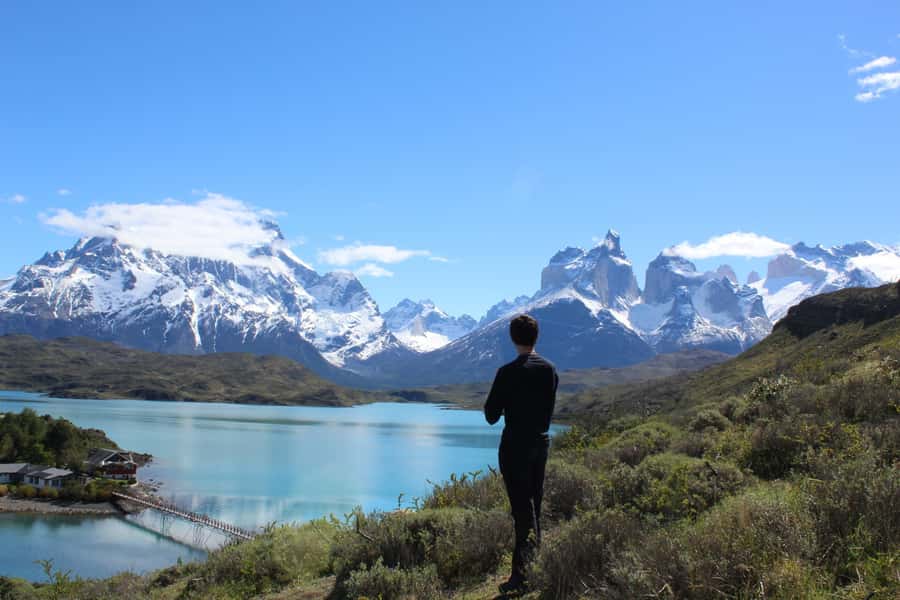
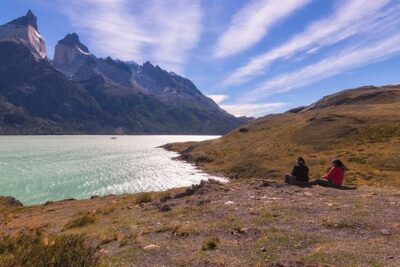
As you travel and walk a bit, you get spectacular views connected to the Norsdenskjöld and Pehoé lakes. This section matters because Torres del Paine is not only about single icons. It is about the way water, wind, and mountains interact across wide distances.
The guide will also point out chances to spot guancos (wild Andean llamas) and rheas, the birds related to ostriches and emus. You may or may not see them, but the point is that you are not just staring at mountains. You are scanning for life that belongs here.
I like how this turns wildlife from random luck into a small field game. Even when animals stay out of sight, you end the day with a better read on where they likely feed and move.
A few more Puerto Natales departures to weigh up
- Puerto Natales: Base of the Towers Day Hike
★ 4.8 · 727 reviews - Puerto Natales: Full Day Torres del Paine + Milodon Cave
★ 4.8 · 250 reviews - Puerto Natales: Torres del Paine Full Day Tour
★ 4.6 · 196 reviews - Puerto Natales: Base of the Towers Trekking Experience
★ 4.8 · 191 reviews
Salto Grande: 10 meters of water that forces you to look up
The next step is the 10-minute hike to Salto Grande, described as Big Jump. You will stand at a viewpoint where the waterfall is about 10 meters high, and water pours out of Lake Nordenskjöld into the surrounding terrain.
This stop has a very practical advantage. Waterfalls create a natural focal point, so you get that classic Torres del Paine wow factor without needing marathon hiking to earn it.
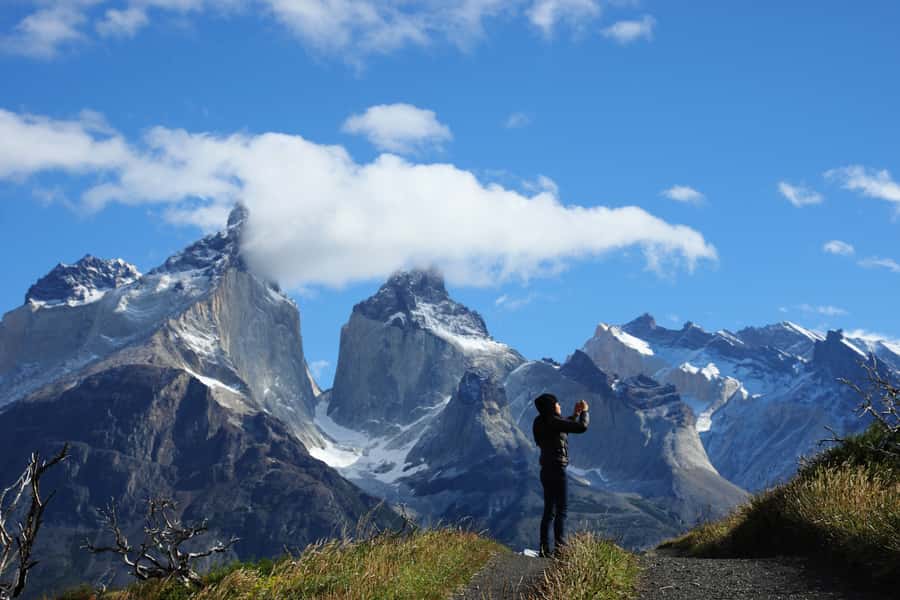
You also get the distant Mirador Cuernos area, known for a pair-of-horns resemblance. Even if you do not get a perfect look from your angle, your guide’s framing helps you recognize the shape in real time rather than as a vague idea from a postcard.
Grey Lake and the glacier area: where ice floes become the main event
In the afternoon, the tour shifts to the Grey Lake and glacier sector. This is the part that most people remember because it feels different from the rest of the day.
You explore the Grey glacier ice floe, and then you get a relaxing walk through a lengas forest. The lengas tree is native to Patagonia, and this mix of ice views plus forest walking is a nice temperature and attention change after earlier exposed viewpoints.
One very useful detail for your planning: you have about a 1.5-hour break. That is not just downtime. It helps you avoid the common mistake of pushing through cold without fuel, then feeling it later when you still have more to see.
What the bilingual guide experience is actually like
This tour includes a bilingual guide in English and Spanish. I like that you are not stuck with only one language in a region that can feel remote. It is also a good setup if you are traveling with someone who prefers the other language.
That said, one real-world consideration is that the language balance can vary depending on the group. One example given was that Spanish dominated much more than expected for an English-heavy group. If you are very language-sensitive, you might want to mentally plan for listening time that is not perfectly even.
The upside is that when the guide is on top of the story, it comes through. One operation detail you can feel from the way it is described is strong organization and clear explanations about flora and fauna. Guides like John, paired with conductor Jorge, were highlighted for being attentive and punctual, which matters on a day packed with moving parts.
Price and value: $83 with big views, plus a few extra costs
At $83 per person for a 10-hour day, this tour is priced like a value option for a park highlight sweep. The cost includes hotel pick-up and drop-off in Puerto Natales and a bilingual guide, which can save you time and stress compared to building your own transport.
But the day also has extra items you must plan for. Entrance fees are not included, and you are required to pay them in Chilean pesos in cash at the park administration. Lunch is also not included, and there is only 1 restaurant inside the park for lunch.
That means you should treat the $83 as the base for the full experience, then budget separately for entry fees and your own lunch and drinks. If you do not want surprises, bring snacks ahead of time. The tour notes that you should bring your own snacks, and that advice makes sense because you do not want to wait until the cafeteria moments to eat.
How the timing works so you are not rushed into the wrong mood
This is a long day, and it is built around several quick hikes and stops rather than one long trek. You start with the Milodón Caves, then you move to El Castillo Hill after about a 30-minute hike, then you head toward Salto Grande with a short 10-minute walk.
In the afternoon you shift again into the Grey Lake and glacier sector, with glacier ice floe time and the lengas forest walk plus the 1.5-hour break. That structure is useful because it spreads the effort across the day, instead of tiring you all at once early on.
Also remember it takes place rain or shine. Patagonia weather is not polite. If your body runs hot and cold easily, plan your layers like you mean it.
What you should bring to stay comfortable in Patagonia conditions
You will be outdoors, likely in wind and cold, so pack for warmth and limited patience. Here is what the tour explicitly asks for, and I agree with it.
Bring:
- Passport or ID card
- Comfortable shoes
- Warm clothing and a winter jacket
- Solar protection
- Your own snacks
Also note what you cannot bring. Pets are not allowed, and luggage or large bags are not permitted. That is a key comfort factor. If you travel with a big backpack, you will want a plan that keeps things manageable for a day that is mostly walking.
Who this tour suits best, and who should think twice
This option is a strong fit if you want a packed, highlight-focused day without wrestling with transport. It is also a good match if you enjoy learning as you walk, since the guide includes context about the park and Laguna Amarga, plus wildlife and plant life native to Patagonia.
It is not recommended for people with limited mobility, and it is not suitable for mobility impairments. Even if your goal is just to see the views, the day includes multiple outdoor walking segments and long timing.
If you are traveling with someone who hates hiking, this is not the perfect answer either. It is short on any one segment, but the day adds up. Think of it as a series of manageable steps that totals a full-day commitment.
A few practical tips that will make your day smoother
First, double down on layers. You will get exposed views and then you will walk again. Winter jacket plus warm layers is not overkill, it is the default move.
Second, bring snacks early, not as an emergency. The tour is clear that food and drink are not included, lunch is paid by each passenger, and there is 1 restaurant inside the park for lunch.
Third, protect your eyes and skin. Solar protection is on the list for a reason, especially when snow or bright ice shows up in your line of sight later.
Finally, set your expectation that it runs rain or shine. If you treat the day like a weather-resistant mission, you will spend less time worrying and more time looking.
Should you book this Torres del Paine full-day tour from Puerto Natales?
I think you should book if you want a smart, highlight-heavy introduction to Torres del Paine with minimal planning. The included hotel pick-up and drop-off, plus a bilingual guide, are real value, and the sequence hits the big icons: Milodón Caves, Salto Grande, and the Grey Lake glacier area.
Skip or choose something else if you need a low-walking, flexible-movement day. This tour is not recommended for limited mobility, and it runs rain or shine. Also factor in the added on-the-day spending for park entrance fees and your lunch, since both are not included.
If you are ready for a full 10-hour day outdoors and you want the park’s main stories told in an organized way, this is a practical pick for your Torres del Paine time.
FAQ
How long is the Torres del Paine park full-day tour from Puerto Natales?
The tour runs for 10 hours.
What is included in the $83 per person price?
The price includes hotel pick-up and drop-off in Puerto Natales and a bilingual guide in English and Spanish.
What is not included in the tour price?
Entrance fees to the park are not included, and food and drink are not included.
How do I pay for park entrance fees?
Entrance fees must be paid to the park administration with Chilean pesos in cash.
Is lunch included?
No. Lunch is paid by each passenger. There is 1 restaurant inside the park where you can get lunch.
Does the tour operate in bad weather?
Yes. The tour takes place rain or shine.
What should I bring with me?
Bring your passport or ID card, comfortable shoes, warm clothing including a winter jacket, solar protection, and your own snacks.
Is the tour suitable for people with limited mobility?
No. This tour is not recommended for people with limited mobility and is not suitable for mobility impairments.
Can I bring pets or large luggage?
No. Pets are not allowed, and luggage or large bags are not allowed.
More Full-Day in Puerto Natales
- Full-Day Tour to Perito Moreno Glacier (Natales)
★ 5.0 · 58 reviews - Puerto Natales: Full day tour Torres del Paine
★ 4.5 · 39 reviews - Torres del Paine: Full-Day Trekking Excursion
★ 4.7 · 34 reviews - Full Day Panoramic Torres Del Paine
★ 5.0 · 34 reviews
Freshly reviewed in Puerto Natales
- Trekking Base Torres Del Paine from Puerto Natales★ 4.5 · 3 reviews
- Trekking Base Torres del Paine★ 5.0 · 3 reviews
- Puerto Natales Trekking Base Torres★ 5.0 · 3 reviews
- Ice Hike Grey Glacier in Torres del Paine★ 5.0 · 3 reviews
- Full Day Paine (Minimum 2 pax)★ 3.5 · 3 reviews
- Full Day Torres del Paine Tour★ 5.0 · 3 reviews
- Full-Day Hiking Base Las Torres – Torres del Paine National Park★ 5.0 · 3 reviews
- Full Day Private Tour to Torres del Paine★ 5.0 · 3 reviews
Torres del Paine Tours, compared.
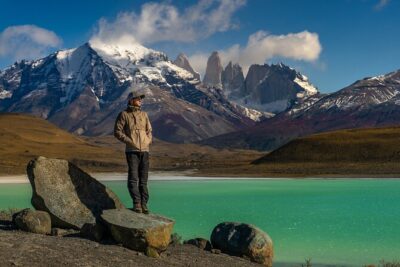
Full Day Tour to Torres del Paine National Park
Read our review →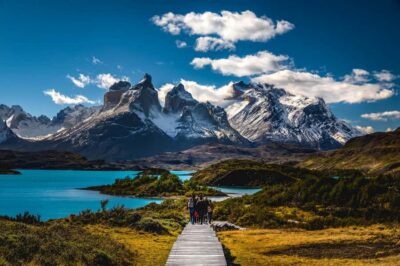
From El Calafate: Torres del Paine Full Day Tour
Read our review →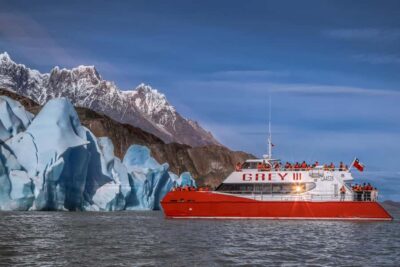
Torres del Paine: 3-Hour Scenic Boat Tour to Grey Glacier
Read our review →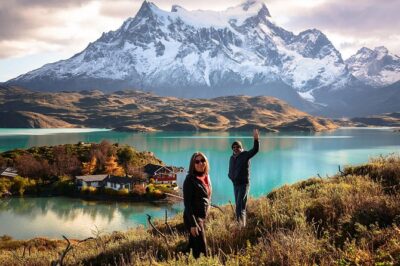
Full-Day Tour Torres del Paine National Park from Puerto Natales
Read our review →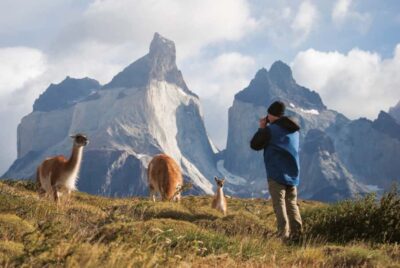
Torres del Paine & Milodon cave. Day tour from Puerto Natales
Read our review →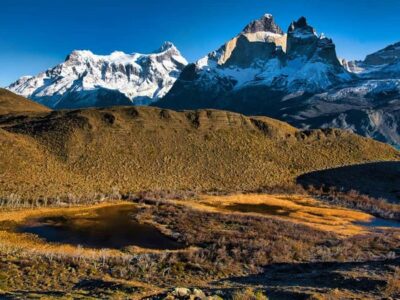
Browse the lists this tour appears in