
Reviewed · VILLARRICA VOLCANO
Pucón: Villarrica Volcano Climb
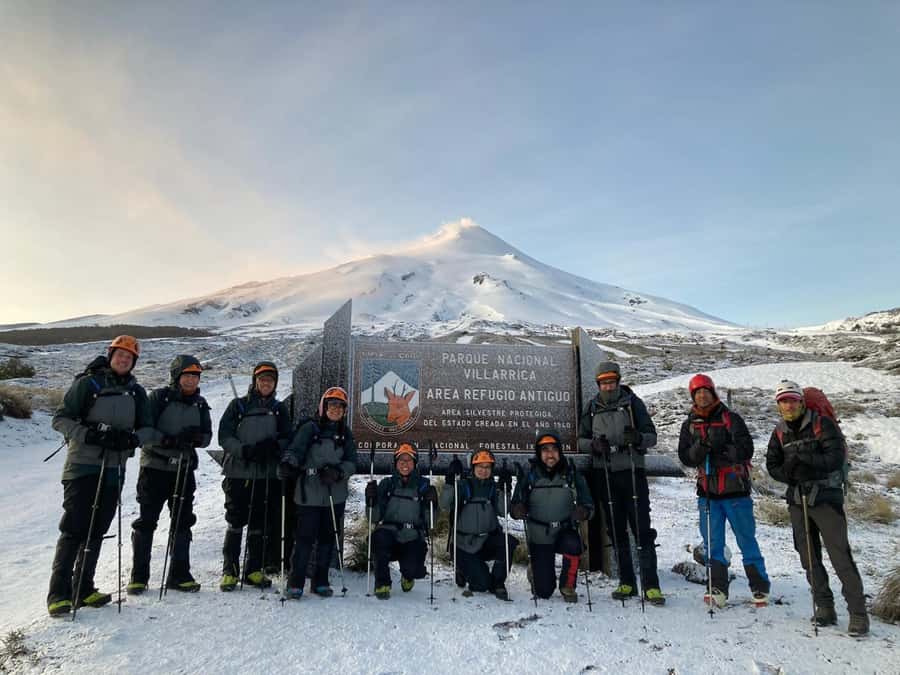
Pucón’s Villarrica Volcano climb is interesting because you’re not doing a tame walk in a pretty park. You’re hiking into an active volcano setting on a South Chile icon tied to the Pacific Ring of Fire. I love that the day is run like a real mountain outing, with trained guides and first-rate mountain equipment. I also love the human scale of the experience, since you’re guided at close range, like with Nacho and Osiel, and you get solid explanations along the way.
One consideration: it is not an easy stroll. The hike is tough for tired legs, and weather or wind can change what you get, including visibility and how far you reach near the crater.
Key things I’d watch for before you go
- 6:00 am start from Pucon: early pickup keeps the day safer and helps you hit the right weather window.
- 1 certified guide per 3 participants: you get more attention than big-group tours.
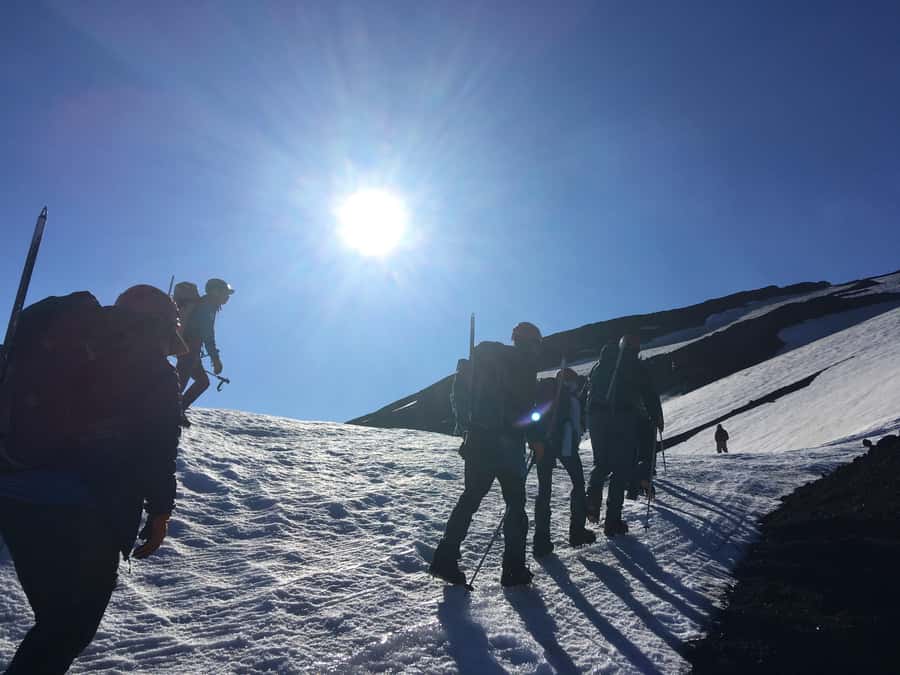
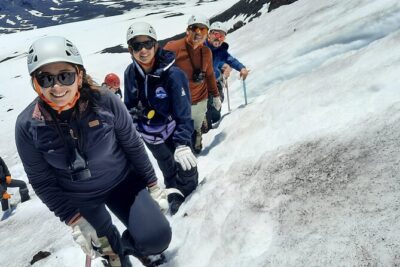
- Crampons and ice axe on the glacier: the guides coach you, so you are not left guessing.
- Summit timing at about 5 to 6 hours up: expect a hard middle, then a big payoff.
- Half-hour at 2,847 meters: time to look into the crater, not just rush past it.
- Descent includes controlled snow sliding: fun for many people, but still serious and supervised.
Villarrica Volcano Climb Basics: what you are really signing up for
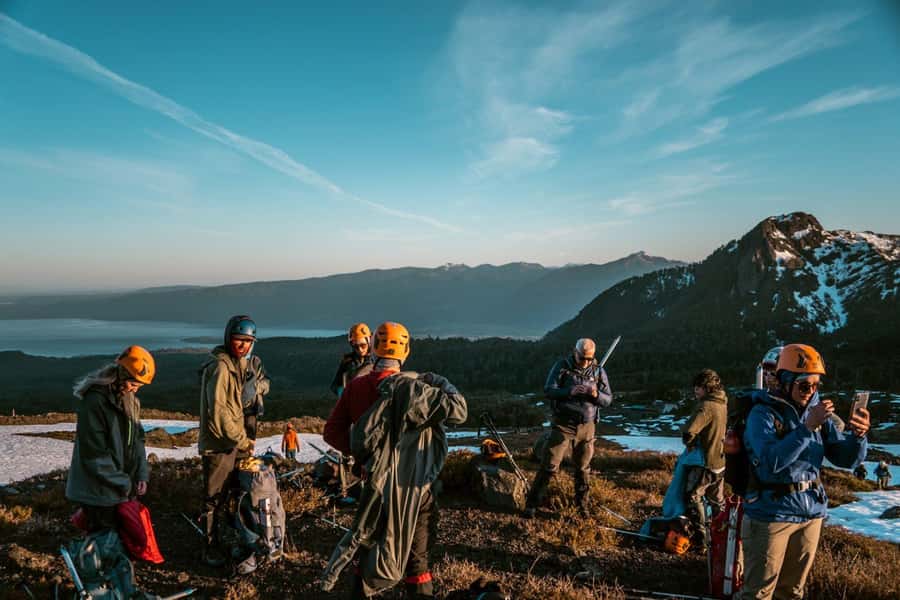
This is a full, big day in the Pucón region, running about 9 hours total. The walking time is close to 8.5 hours, and it is not built around lots of flat ground. You start at around 1,200 meters, take it easy to acclimatize, then climb up into colder, icy terrain where the gear changes from hiking boots to crampons and an ice axe.
The ticket price is $190 per person, and I think the value comes from what you do not have to solve yourself. You get round-trip transport from the town office, park entrance, and a full set of mountain gear (boots, poles, crampons, ice axe, helmet, backpack, layers, gloves, gaiters). Plus, you climb with a certified guide ratio of 1 guide every 3 participants, which matters when you are moving on snow and ice.
Who is it for? If you have minimum fitness and can handle sustained uphill effort, this fits. One reviewer said it felt moderate, but still harder than expected for them. Another said it is manageable for people in decent shape, and that the team adjusted the pace. If you want a relaxed, strolling day, this will feel intense.
More on and around Villarrica:
- Villarrica Volcano ascent
★ 5.0 · 430 reviews - Guided Ascent to the Villarrica Volcano from Pucón
★ 5.0 · 220 reviews - Villarrica Volcano Ascent – Zenit
★ 5.0 · 111 reviews
Meeting in Pucon at 6:00 am, plus the day-before gear check
The program is built around early starts. You meet at the office the day of the hike, and you should arrive by 6:15 am. The meeting point is Pedro de Valdivia 205, and you are looking for Zenit Travel under the arch.
The day before, you connect with the local partner for an equipment check-up and a brief walkthrough of what the hike will feel like and how procedures work. This is not just paperwork. It is when you get your fitting squared away so your boots and the ice gear are ready for morning.
In practice, this setup reduces chaos. People in the reviews talk about smooth boot fitting and feeling prepared for the crampon steps. One small snag does pop up in feedback: on one trip, previously tried shoes got mixed up, and the person had to refit in the morning. Still, the overall pattern is that the team tries to get you ready before sunrise.
Ride to Villarrica National Park and the 1,200-meter warmup
After meeting, you drive about 30 minutes from central Pucon to the base area. Then the climb begins. The first stage starts at roughly 1,200 meters above sea level, and the goal here is acclimatizing without burning matches too early.
This part matters more than it sounds. The day ramps up fast. If you go hard on the lower switchbacks, you will feel it later on the icy sections. The approach you get is a slow, controlled ascent to “find your rhythm,” with breaks when needed.
You also get conversation from the guides during the climb. Several reviews highlight that the guides teach as you walk, including volcanology topics and the relationship between the Andes and native peoples. That kind of talk changes the hike from effort-only into something you remember with context.
Also, keep in mind an optional energy saver exists. There is mention of a lift or chairlift option for the early portion, but tickets for that approach are not included. One reviewer noted cash may be needed. If you think you might use the lift, ask before the climb starts so you are not figuring it out at the base when you are cold and ready to move.
Glacier phase: when crampons and ice axe take over
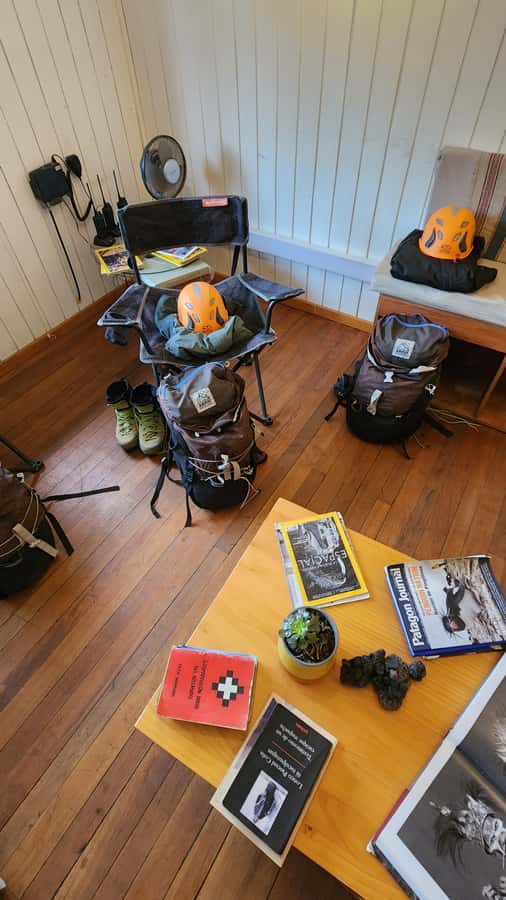
The hike transitions as you approach the summit glacier. This is the moment where the tour becomes “real mountaineering basics,” even if you have never climbed before. The guides bring you into the technique: crampons go on, and you use an ice axe with coaching.
From the plan, you can expect the climb into the ice to happen after a slower walking start. Then, over the next five to six hours of climbing time, you work your way toward the summit. A key point in the instruction is that you get explanations and help while you learn the motion, so you are not just handed crampons and told to figure it out.
Safety is a recurring theme in the reviews. People praise how guides watch well-being and keep instructions clear at each step. Some also mention communication inside the team, including radio check-ins. That kind of organization is exactly what you want on snow and ice, when one slip can become a problem.
What can you do to make the glacier phase easier? Wear the gear correctly, move with the guide pace, and keep your focus on what your feet are doing. If you fixate on the distance to the top, you can tense up. If you focus on steady steps and breath, it gets more manageable.
A few more Pucón departures to weigh up
- Villarrica Volcano Ascent
★ 5.0 · 99 reviews - Guided Kayak Trip on Liucura River
★ 5.0 · 87 reviews - Full Day Mountaineering to Villarrica Volcano from Pucón
★ 5.0 · 62 reviews - Horseback Trailride Excursion
★ 5.0 · 48 reviews
Summit at 2,847 meters: crater views, fumaroles, and geology talks
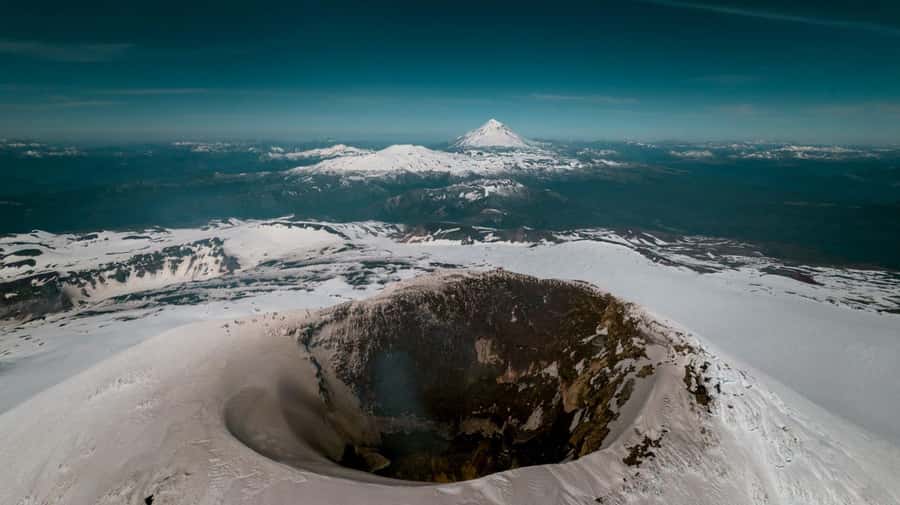
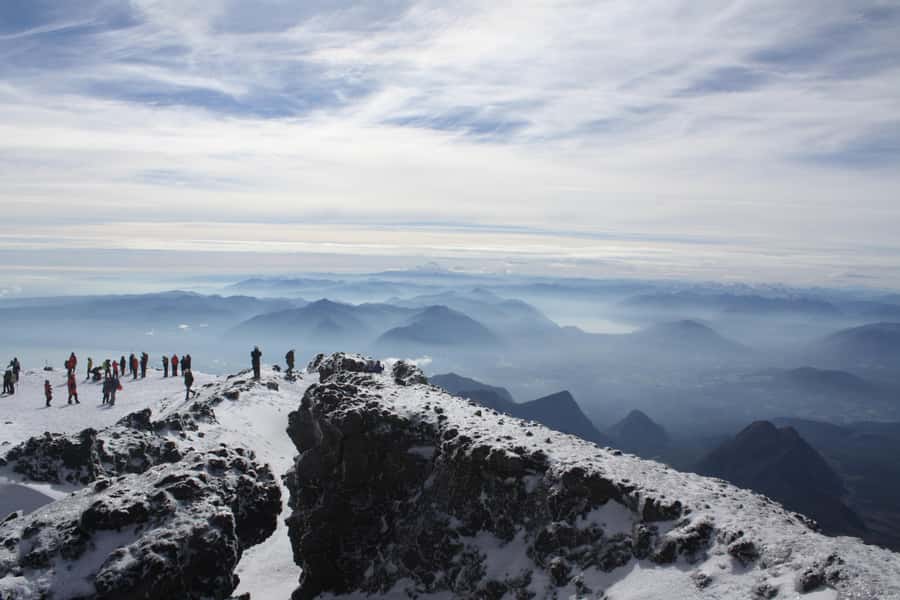
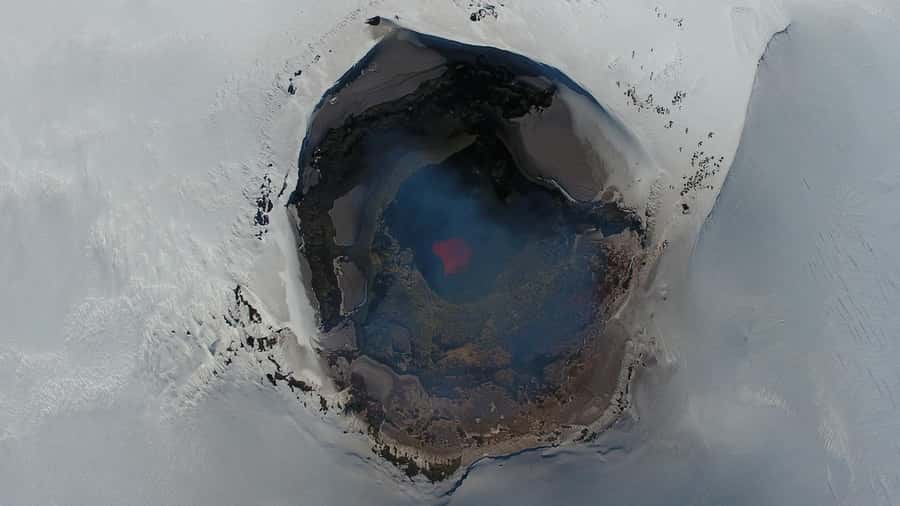
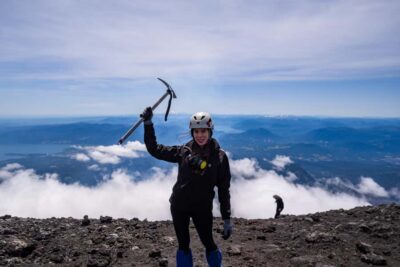
You reach the summit at about 2,847 meters, and then you get time to look around. The plan calls for around half an hour up top. That time is important. You are not just there for a photo. You’re there to take in the volcano’s formation and what is happening inside the crater.
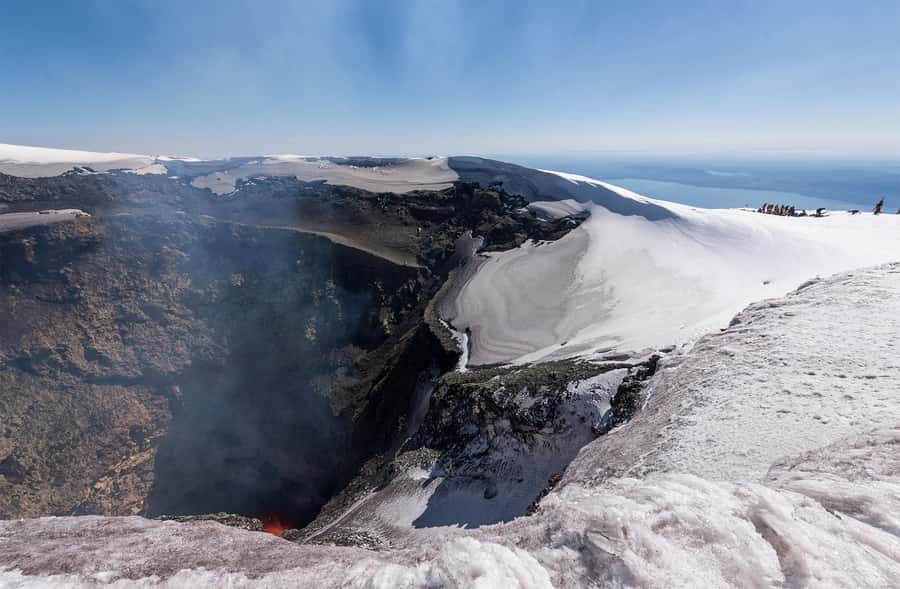
The experience can include seeing fumaroles, and possibly even lava, depending on conditions. Even when visibility is limited, the crater zone itself is still the point of the day. The guides also talk geology along the way, and some reviews say the commentary on what you are seeing could be even more explicit on certain days, but the best guiding styles include those “spot it, explain it” moments.
Views are part of the reward. The plan notes 360-degree panorama possibilities, including surrounding volcanoes, lagoons, and forests. A sunrise start can stack the odds for dramatic light, and at least one reviewer described a sunrise payoff.
If you hit summit conditions that are not ideal, don’t assume you still get everything. Several people mention weather shutting down parts of the day, like reduced visibility or limited access to certain sections near the crater. Still, even a partial day on Villarrica tends to leave a strong impression because you are in the active volcano environment, not just near it.
The descent: walking plus controlled snow sliding
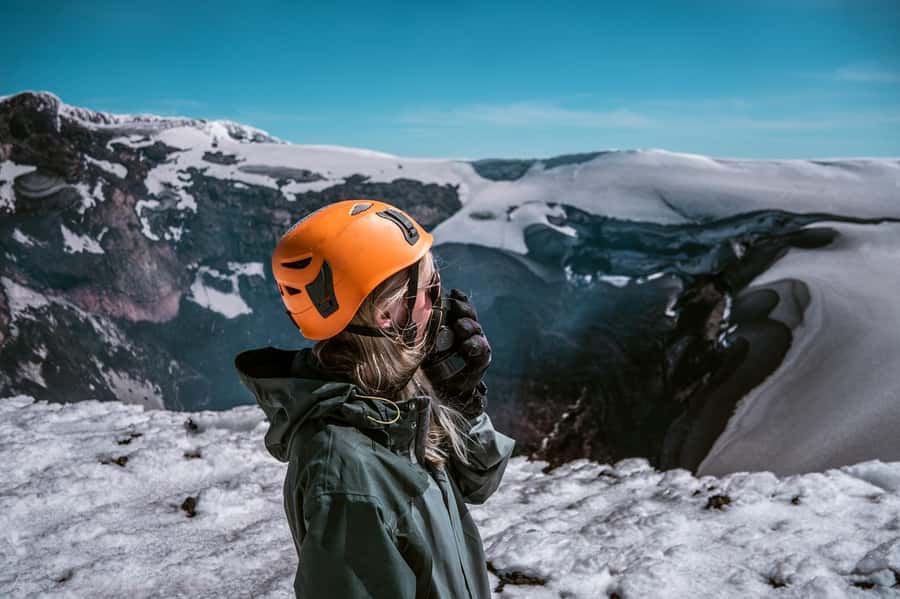
Downhill is where the day shifts from “work” into “play,” at least for most people. The plan says you descend in about half the time it took to climb up. You do that by combining walking and controlled snow sliding.
This is not casual tobogganing without rules. You get instruction and supervision. Reviews call out the sliding as a highlight, sometimes describing it as super fun and one of the best parts of the trip. People also mention a knee-friendlier aspect, and one review explicitly said it was good if you want to avoid stressing knees too much compared to long stair-like descents.
Real talk: you will get cold and possibly wet. The combination of exertion, snow, and wind can leave you feeling damp. Bring layers that work with changing altitude, and keep your gloves and gaiters in place.
Also, the descent can be affected by wind or weather. One reviewer had to cut short due to extreme winds, and another said sledding depended on visibility and conditions. That is why it is smart to dress for uncertainty, not just for sunshine.
How the guide team affects your day, pace, and safety
The biggest strength here is how the climbing team manages people in real time. The structure is 1 certified guide per 3 participants, and that ratio shows up in reviews as personalized attention, better pacing, and clearer safety steps.
Group size can change the feel of the day. One reviewer said pace slowed due to a larger group, around 12 people, and suggested splitting by speed preference. Others praised the team for splitting into smaller groups by ability and keeping a controlled pace so fast walkers could move and slower walkers still felt supported.
Names that come up in feedback include Nacho, Osiel, Sebastian, Raul, Luisa, Chacha, and Felipe. The common theme is that guides are attentive, clear, and safety-focused. People repeatedly mention that the guides explain procedures and make sure everyone understands instructions, which is exactly what you need when crampons and ice axe are new.
The most practical takeaway for you: trust the pace. If the guide suggests stopping, resting, or switching technique on the glacier, do it. Your legs will thank you later, and the team’s job is to keep the group moving safely, not just quickly.
What to pack, how to prep in Pucon, and what helps on summit day
For what to bring, the plan is straightforward: food and drinks, sunscreen, and trekking gear. Hydration is also key the day before, and alcohol the night before is discouraged.
If you want a simple pre-climb strategy, it goes like this:
- Eat carbohydrates the night before, like pasta
- Drink water and keep your hydration up the day before
- Sleep enough that your legs feel steady at 6:00 am
During the hike, you need energy. The tour does not include food and drinks, so pack snacks that you can actually eat while moving. Also, sunscreen is non-negotiable because snow glare can be rough.
Layers are where people win or lose the day. Reviews emphasize weather can change by elevation and with exertion. Pack a system you can manage: warm layer for the cold start, breathable layers you can vent while climbing, and wind protection for the ridge and glacier.
One more small item: a reviewer suggested bringing a buff. If you already have one, it can help with wind and cold around your neck and face during icy sections.
Is $190 good value for Villarrica gear and guiding?
Let’s break down the value without hand-waving. For $190, you get:
- Transport from and back to the office area in Pucon
- Villarrica National Park entrance fee
- A full kit of mountain equipment, including boots, crampons, ice axe, helmet, and cold-weather clothing
- A guide team ratio of 1 certified guide per 3 participants
- English live guiding
If you were doing this independently, you would still need equipment, training time, and a safety plan for glacier travel. Even if you can rent gear, you would likely spend extra on rentals, transport, and someone to coach you on crampon technique and safe snow travel.
So I see this as a “pay for the certainty” price. You are paying to reduce the guesswork. And the reviews back that up with comments about feeling safe, well equipped, and well instructed, plus real-time group management.
That said, it is still a strenuous, weather-dependent mountain day. If the summit gets limited by wind or volcano conditions, you may not get the full “top to crater and sled down nearly all the way” version. Still, the experience is more than a checkbox because you are climbing an emblematic active volcano and learning how to move on ice safely.
Weather monitoring and volcano conditions: what can change mid-day
This climb is subject to weather conditions. The volcano is also monitored daily for seismicity, so decisions can change for safety.
If conditions are rough, you might get an adjustment. Reviews mention extreme winds forcing a shorter hike, and others mention summit access being limited when activity levels or conditions were not right. In at least one case, the person felt booking could be more transparent about summit limitations, but the bigger operational reality is that safety comes first.
What you can do to plan better is simple:
- Dress for cold wind even if the morning looks calm
- Be mentally ready for the possibility of partial summit or reduced visibility
- Follow your guides’ call, even if you want to push
The upside is the team communicates and offers choices when possible. One reviewer described guides informing them about the strong chance of not reaching the top, then asking whether to proceed anyway or try another day. That kind of honest, safety-first decision-making is the right vibe for an active volcano environment.
Should you book this Villarrica Volcano climb with Zenit Travel?
Book it if you want a serious hike that still feels human-scale, with strong guiding, real glacier technique coaching, and a summit moment you can actually talk about for years. This fits well if you are in decent shape and want to try crampons and ice travel with support.
Skip it if you want an easy walking day, or if long uphill effort sounds miserable. Also note the program is not suitable for children under 18.
My final advice is blunt: go with respect for the mountain. Bring layers, hydrate, and let the guides set the pace. If you do that, this is one of those rare outdoor days where the learning and the views land together.
Freshly reviewed in Pucón
- Pucón and Villarrica: Guided Tour with Hotel Pickup★ 4.5 · 3 reviews
- Ascent of the Llaima Volcano★ 5.0 · 4 reviews
- Trekking Huerquehue★ 5.0 · 6 reviews
- PUCON: TOUR AROUND THE AREA WITH THERMAL BATHS★ 4.0 · 8 reviews
- Winter Rafting River Trancura★ 5.0 · 9 reviews
- 2-day Lanin Volcano ascent★ 5.0 · 11 reviews
- 2-day guided ascent to Lanin volcano, from Pucón★ 4.5 · 12 reviews
- Trekking trhough Lagos Andinos Trail★ 5.0 · 15 reviews
Villarrica Volcano, compared.
Guided Ascent to the Villarrica Volcano from Pucón
Read our review →
Full Day Mountaineering to Villarrica Volcano from Pucón
Read our review →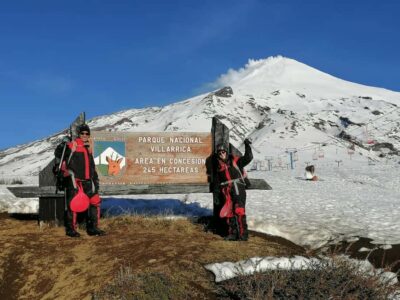
Ascent to Villarrica volcano 2,847masl, from Pucón
Read our review →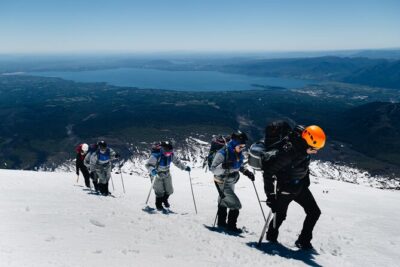
Browse the lists this tour appears in