
Reviewed · VILLARRICA VOLCANO
Pucón: Ascent to Villarrica Volcano
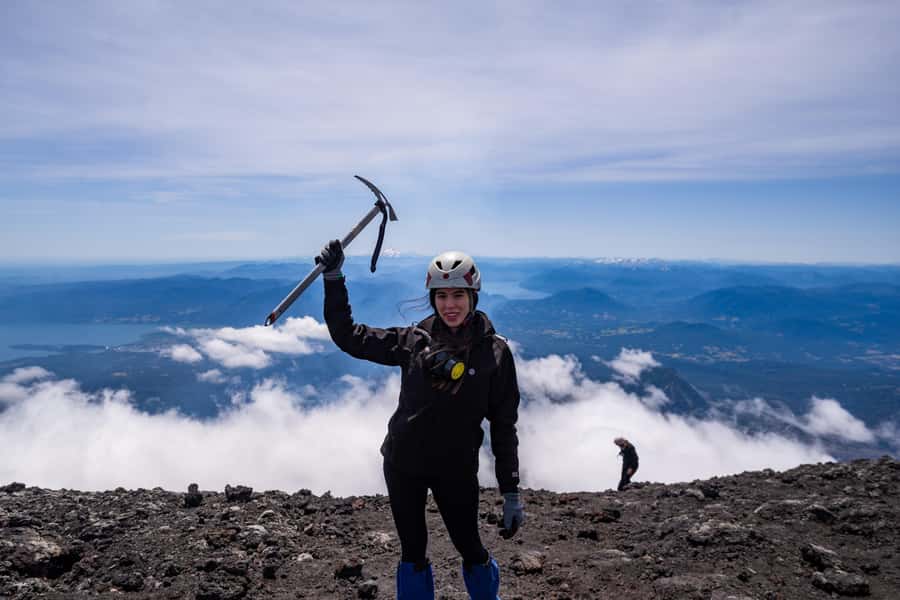
The climb up Villarrica Volcano from Pucón is interesting because it mixes classic big-mountain altitude trekking with hands-on glacier gear. I especially like the certified guides and their steady pacing, and I love the chance to reach the 2,848 m summit for views over Pucón, nearby lakes, and the volcano zone. One consideration: this is not a chill walk. If you have vertigo, breathing issues, or you are prone to altitude sickness, this tour is not a fit.
I also like that the itinerary is built around learning and safety, not just “get to the top.” In the best cases, guides such as Felipe, Cristian, and JR help the group manage conditions and gear, including how to use crampons and ice axes. And depending on the season, the descent can turn into something really fun, either sliding on snow or hiking down on foot.
Key things to know before you climb Villarrica
- Early start at 6:00 am with time to get equipped and reach the trailhead before conditions change.
- Equipment is provided, including helmet, windproof jacket, crampons, and ice axe, plus you use trekking sticks for the climb.
- Weather affects the plan, with checks the day before and again at departure, since the ascent depends on conditions.
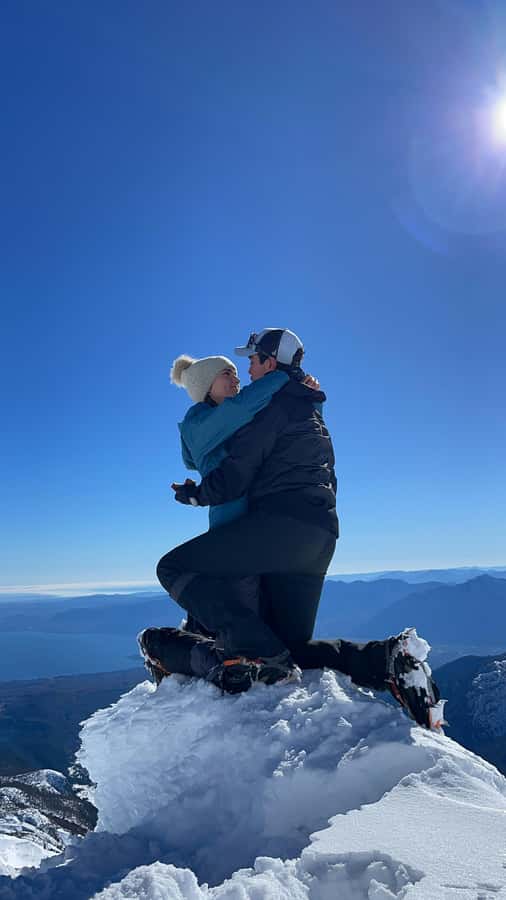
- Summit at 2,848 m, where you can sometimes spot lava inside the crater depending on volcanic activity.
- Descent depends on season, snow slides in winter, autumn, and spring, and on-foot descent in summer.
Why Villarrica from Pucón feels like a real volcano day
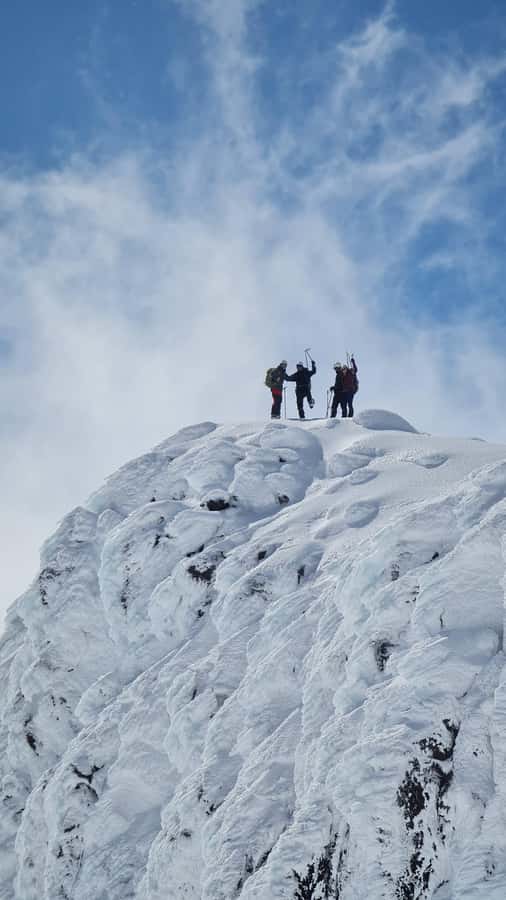
Villarrica is one of those rare trips where you feel you are actually moving through a living, active environment. From Pucón, you rise out of town and into higher terrain, with wide views that frame the whole volcano area. The best part is how the day is structured around changing terrain: hiking first, then glacier gear near the summit, then a return that keeps your energy in check.
The tour also leans into practical guidance. You are not just handed equipment and told to go. The day is paced so you can keep your focus: look up, breathe, and move efficiently. When wind picks up or the surface gets slippery, your guide’s job becomes more than “lead the way,” they are managing safety and flow.
And yes, the views matter. The summit is high enough to make Pucón, lakes, and the surrounding volcano chain look like a map you can reach by walking. Even the photo moment gets you something real, not just a quick snapshot near a parking lot.
More on and around Villarrica:
- Villarrica Volcano ascent
★ 5.0 · 430 reviews - Guided Ascent to the Villarrica Volcano from Pucón
★ 5.0 · 220 reviews - Pucón: Villarrica Volcano Climb
★ 4.8 · 191 reviews
Price and value: what $185 really buys you
At $185 per person, this isn’t a cheap add-on. The value comes from the combination of logistics plus gear plus risk management.
You get:
- a certified guide
- transport to and from the national park area
- entrance to Villarrica National Park
- activity insurance
- full mountain equipment such as helmet, windproof jacket, crampons, ice axe, gloves, and trouser covers
Then you still pay for your own essentials like food, water, sunscreen, and sunglasses. The tour also encourages bringing snacks and extra supplies beyond the provided gear, which is a good sign. Volcano days can run long, and you need fuel you control.
If you already own proper winter hiking gear, it helps. But if you do not, this tour saves you the headache of figuring out what to rent or buy. For many visitors, that is the difference between doing Villarrica and staying on the lake side.
Before you go: the day-before equipment test and weather checks
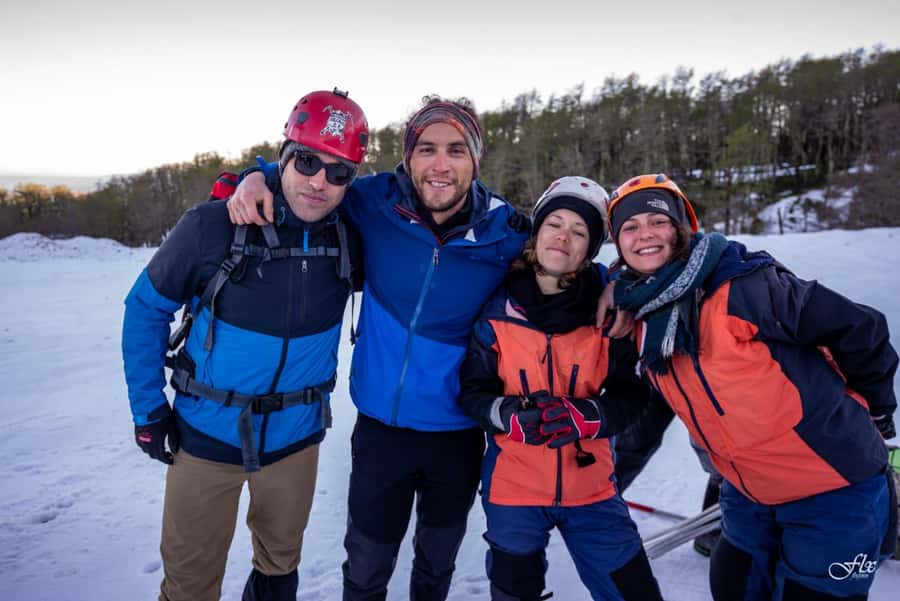
One part that matters a lot, even if it sounds like a hassle: you must come to the office one day before to test the equipment. This isn’t random. If you’ve ever used crampons or worked with an ice axe even once, you know fit and comfort matter, and learning under guidance is safer than guessing on day one.
Weather is also not treated like an optional detail. The team checks conditions the day before and at the time of the activity, and the ascent depends on weather. That means you might feel like you are waiting for a go or no-go decision, but it also means you are not gambling blindly with wind and visibility.
My practical advice: plan an extra buffer day in Pucón so you can do the test and still have energy for the climb. Treat it like part of the tour, not a chore.
Meeting at Terravolcano, 6:00 am start, and the ride up
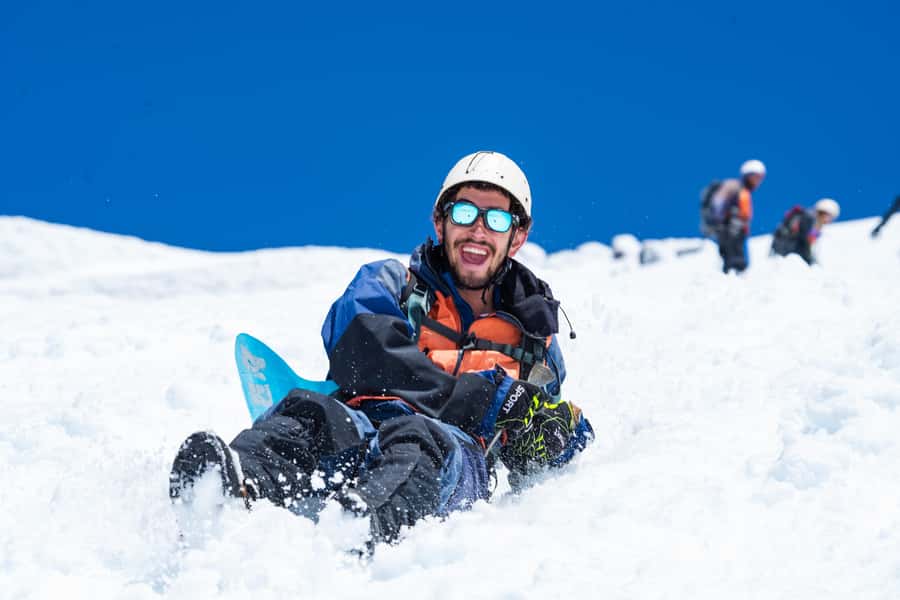
You meet at the Terravolcano Agency at Av. Bernardo O’Higgins 717, local 4, Bulevar Patagonia. The action starts early, with equipment at 6:00 am in the office, then a roughly 30-minute van ride to the volcano base area.
This early timing is useful. It gives you time to get organized, take the safety talk seriously, and begin hiking while the trail conditions are at their best. It also tends to create a calmer vibe. You are not starting when everyone else is already warm and loud.
When you arrive at the park area, there is a short safety briefing. The goal here is not to scare you. It’s to make sure you know how the day works, what to expect from traction and footing, and how to respond if conditions shift.
The other half of a Chile week:
- Baltinache Hidden Lagoons
★ 4.4 · 64 reviews - San Pedro de Atacama Tour Guiado Valle de la Luna & Cocktail
★ 4.6 · 12 reviews - San Pedro de Atacama: Spa de Puritama
★ 3.8 · 8 reviews
Safety briefing and hiking rhythm in Villarrica National Park
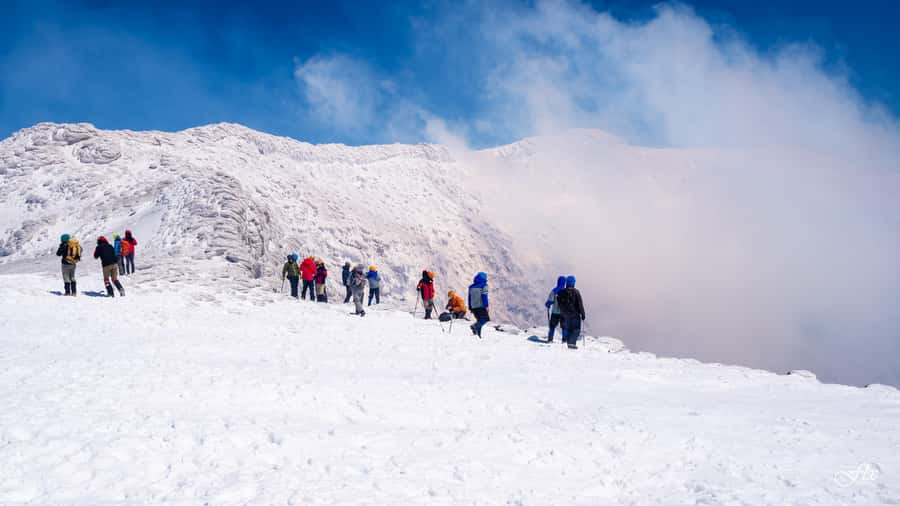
After the briefing, you begin the walk at a constant pace designed to let you enjoy the surroundings. The hiking time is about 6 hours, which tells you the real story: this is a substantial effort, not a casual sightseeing hike.
From the notes people share after doing it, you should expect a steep, mostly “steady upward” style climb. One review I’ve seen even calls it straight up, with plenty of wind in the mix. That matches what you’d predict on a volcano route: you can be moving for a long time, and your legs feel it, even if the pace is controlled.
You’ll also get a chance to pause for photos, around 10 minutes. That stop is short on purpose. The day is long already, and your guide is protecting the timing so you are not sprinting to catch the weather window.
The summit push: panoramic views, crampons, and a 2,848 m moment
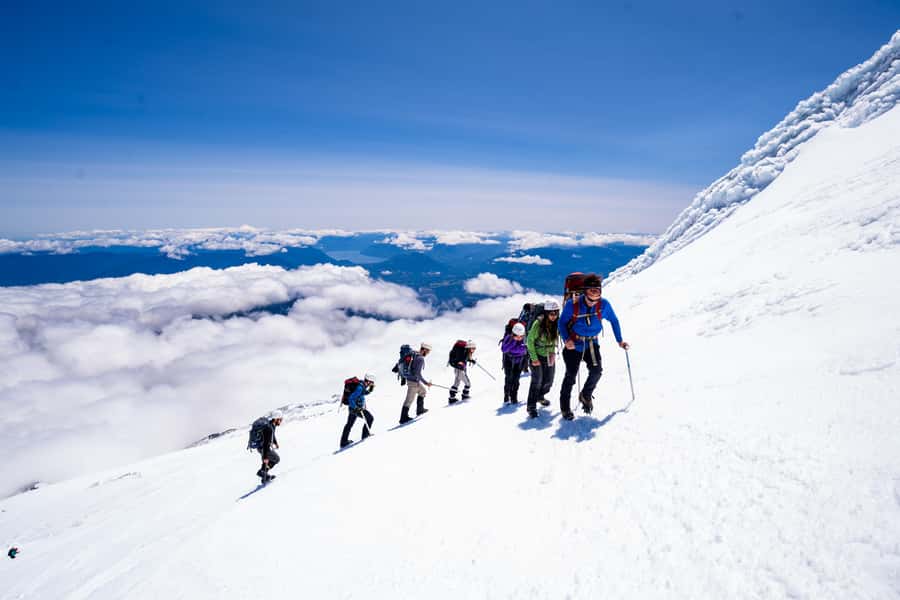
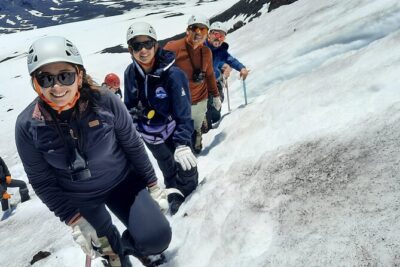
The most dramatic change in the day comes near the summit area. You move from standard trekking into glacier terrain. That’s where you use crampons and an ice axe, guided by your team.
The goal is simple: stay sure-footed and stable on icy or snow-covered sections. In one firsthand account, the guide taught people how to self-arrest, which is exactly the kind of skill you want to learn before you need it. Even if you never use it, knowing how helps you move with less tension.
Once you reach the top, you are at 2,848 meters above sea level. At that height, the views over Pucón, lakes, and the broader volcano region stop being “pretty” and start being reality. You can look down and see how everything connects.
Then comes the crater moment. You contemplate the center of the crater and its geological formation. And if volcanic activity is favorable that day, you might see lava inside the crater. You’re not guaranteed it, so I’d treat it as a bonus, not the main target.
The descent, slide or steps, and why the way down can feel easier
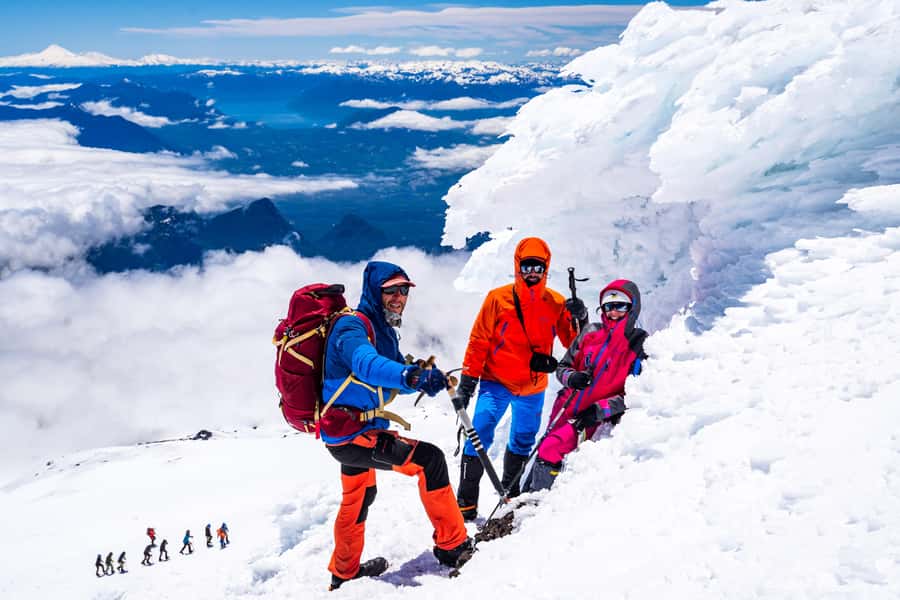
The descent is where this tour can surprise you. You climb for hours, then you return by a mix of time-on-feet and traction, depending on season.
Return time to the base is about 2 to 4 hours.
- Winter, autumn, and spring: you may descend on snow slides. This is often the highlight, because it turns a hard day into a controlled adrenaline burst.
- Summer: you descend on foot.
Either way, you’re not just retracing your footsteps. The descent is managed with the terrain in mind, and it tends to feel more forgiving once the summit moment is behind you.
One smart point: treat the descent as part of the workout. Even when it looks fun, your body still needs balance and control. If the day is windy, keep your focus on footing and follow your guide’s instructions.
What the tour includes, gear comfort, and a few non-obvious tips
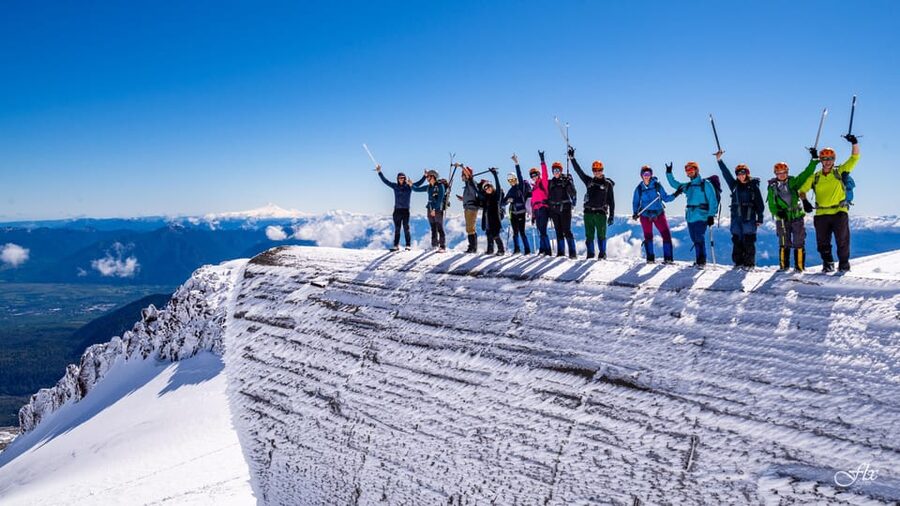
This is one of the better setups for a volcano climb because the included gear covers a lot of the “expensive and confusing” parts. You receive:
- helmet
- backpack
- mountain footwear
- crampons and ice axe
- trouser cover
- windproof jacket
- trekking sticks
- gloves
- activity insurance
Two tips that help you enjoy the day more:
- Keep your layers simple and functional. You’ll want warmth without bulky layers that tangle when crampons go on.
- Your hands matter. The included gloves help, but if you run cold easily, consider extra warmth for under-layer use as long as it fits your guide’s gear.
Also remember what is not included: sunglasses, sun hat, cold hat, sunscreen, 2 liters of water, and food. The sun can bite even when it feels chilly, and snow glare is real. Bring what you need so you’re not improvising.
What to pack for Villarrica: layers, food, and a charged phone
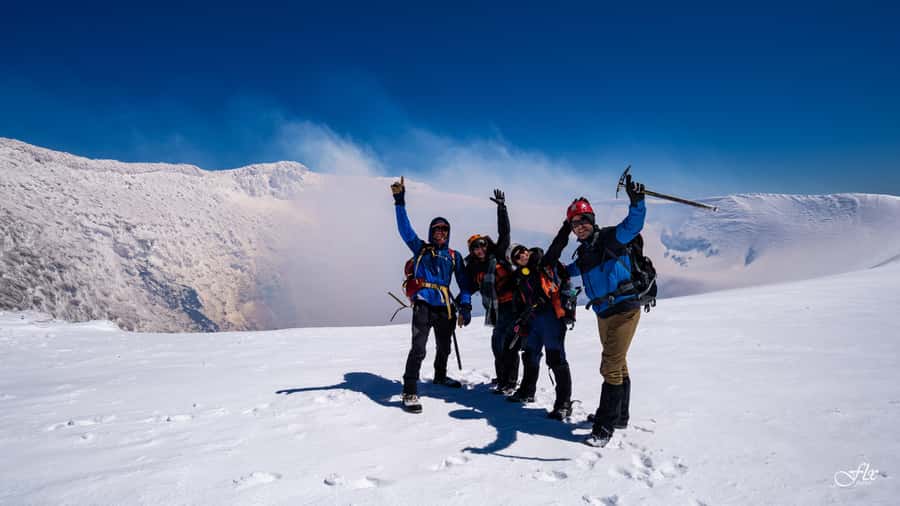
You’ll be outdoors for a long stretch, and conditions can change. Bring:
- warm clothing, comfortable clothes, and a long-sleeved shirt
- hiking pants, socks, and a jacket
- sunglasses and sunscreen
- food and drinks, plus extra snacks you can manage
- water, since 2 liters is not provided
- a charged smartphone for photos
The tour strongly suggests bringing snacks like cookies, chocolates, fruit, or sandwiches. I think that’s good advice. When you’re pushing upward, a small steady intake can keep your energy smooth and your mood better.
Finally, if you’re the type who hates wet clothing, plan for it. Even if you do not expect snow to dump on you, wind and cold can make you feel chilled quickly. Layers and a windproof outer layer are not optional here.
Who this tour is for, and who should skip it
This experience is best for people who are comfortable with physical effort and cold, high-altitude conditions. You should consider it if you want:
- a guided climb with certified leadership
- proper glacier gear use and safety coaching
- summit views and the chance of crater activity
It is not suitable for:
- pregnant women
- people with vertigo
- children under 18
- people with respiratory issues
- people with altitude sickness
- people with recent surgeries
It also comes with clear behavior rules: no smoking, intoxication, alcohol, or drugs, and no littering. Unaccompanied minors are not allowed.
One more practical reality: even if you are fit, altitude can still affect you. If you have any history with altitude symptoms, be honest with yourself and your doctor.
Difficulty check: steep climbing, wind, and elevation effort
Villarrica is not a long-distance hike where you just keep walking. It’s more like a steady uphill grind, with the weather and footing doing their own work.
One review notes an elevation gain of 1,570 m (5,150 ft). That is enough to make your breathing work hard, especially at altitude. Wind can also add fatigue, because you’ll constantly adjust clothing and your posture.
If you want an easy day, choose something else. If you want a challenge that feels earned, this delivers.
The winter treat after the climb: beers or hot chocolate
When you finish, you head back to the office and the day ends with a celebratory touch. In summer you get cold beers, and in winter you get hot chocolate. It’s a small thing, but it signals that the team expects this to be a true effort day, not just a quick outing.
It also gives you a moment to thaw out, compare notes, and feel good about what you just did.
Should you book this Villarrica ascent with Terravolcano?
Book it if you:
- want a guided, equipment-included volcano climb from Pucón
- are comfortable with a long hike and cold conditions
- care about safety coaching, especially around crampons and ice axe use
- would enjoy either a high summit view or a fun seasonal descent
Skip it if you:
- have vertigo or respiratory limitations
- think altitude might be a problem for you
- want a short, low-effort day
- cannot handle cold, long outdoor time, and a serious uphill push
My call: for most properly prepared adults who are ready for a tough hike and a real summit experience, this is good value. The gear, guide, park entrance, and insurance bundled into one price are exactly what makes a volcano climb manageable.
FAQ
What time does the tour start?
The tour starts at 6:00 am at the Terra Volcano office. Equipment is handled at the office before you drive to the park.
How long is the Villarrica ascent experience?
The total duration listed is 510 minutes, which is about 8.5 hours.
Where do I meet the group?
You meet at the Terravolcano Agency, located at Av. Bernardo O’Higgins 717, local 4, Bulevar Patagonia.
What gear is included, and what do I need to bring?
Included gear includes a helmet, backpack, mountain footwear, crampons, ice axe, trouser cover, windproof jacket, trekking sticks, and gloves. You bring items like sunglasses, a hat, sunscreen, water, and food.
Do I need to test the equipment before the climb?
Yes. You need to come to the office one day before the activity to test the equipment.
How does weather affect the climb?
The ascent depends on weather conditions. Weather is checked the day before and again at the time of the activity.
Is the summit view guaranteed, including lava in the crater?
You will reach the summit at 2,848 meters. Seeing lava in the crater is possible depending on volcanic activity, so it cannot be guaranteed.
What is the descent like in different seasons?
In winter, autumn, and spring you descend using snow slides. In summer you descend on foot.
Who should not book this tour?
It is not suitable for pregnant women, people with vertigo, children under 18, people with respiratory issues, people with altitude sickness, or those with recent surgeries. Smoking, intoxication, alcohol, and drugs are not allowed.
Freshly reviewed in Chile
- Rainbow Valley Tour: Mesmerizing Colors and Flavors★ 5.0 · 3 reviews
- San Pedro de Atacama: Spa de Puritama★ 3.8 · 8 reviews
- Orongo: The mythical city of kings★ 4.0 · 8 reviews
- San Pedro de Atacama Tour Guiado Valle de la Luna & Cocktail★ 4.6 · 12 reviews
- Conguillío National Park Tour, Full day★ 4.7 · 4 reviews
- Baltinache Hidden Lagoons★ 4.4 · 64 reviews
Villarrica Volcano, compared.
Guided Ascent to the Villarrica Volcano from Pucón
Read our review →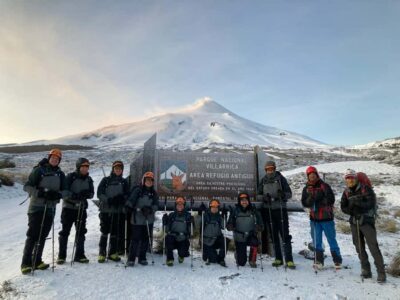
Full Day Mountaineering to Villarrica Volcano from Pucón
Read our review →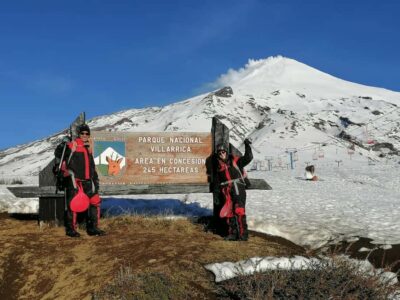
Ascent to Villarrica volcano 2,847masl, from Pucón
Read our review →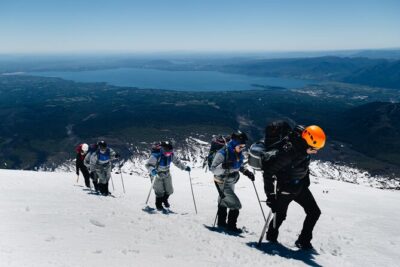
Browse the lists this tour appears in