
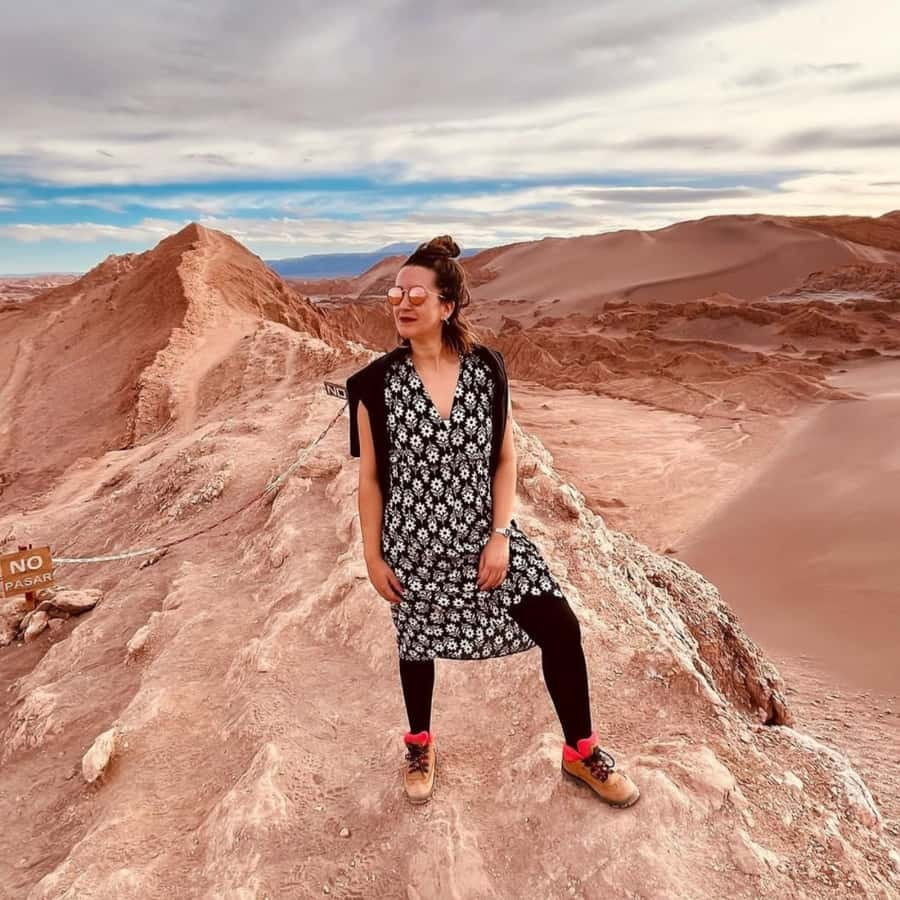
Reviewed · MOON VALLEY
San Pedro de Atacama: Valle de la luna
Moon Valley near San Pedro de Atacama is interesting because it looks like the moon, even though you are standing in Chile’s desert. I especially like the Salt of Sal formations and the sunset views from the Gran Dune. One drawback to plan for: the park entrance is not included, so you will pay separately at the gate.
This half-day outing is built around a moderate walk, plus short climbs, at about 2,500 meters elevation. I like that the route gives big rewards without turning into a full-day ordeal, but you should be ready for wind, dust, and quick temperature swings outdoors.
Guides matter here, and Christian is one name I’ve seen attached to this experience, with a style that includes checking in with the group and individually. If you prefer your tour explanations in Portuguese or Spanish, this runs live with those language options.
Key things I’d watch for on this Moon Valley tour
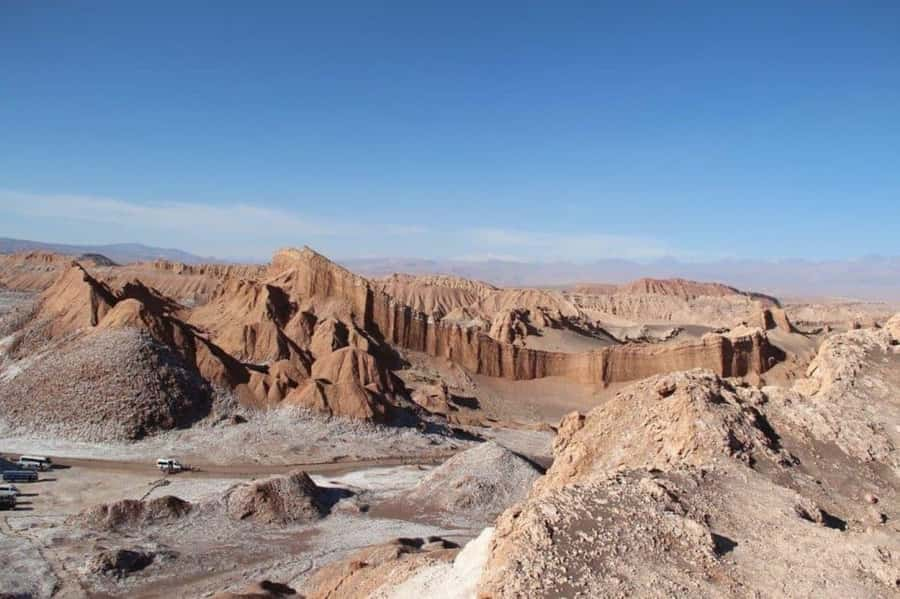
- Salt of Sal gives you that jaw-dropping, salt-and-stone scenery you came for
- Three Marys includes the statue stop, plus a meaningful moment in the middle of the desert
- Gran Dune is the headliner, with a panoramic view that gets better at sunset
- Amphitheater is a fun stop for natural acoustics, when your voice suddenly has a different personality
- Coyote Stone and Ckari Mirador add extra viewpoint variety so you do not just repeat the same view
- A desert cocktail and snack time make the hike feel like a real excursion, not just walking
Why Moon Valley near San Pedro feels like another planet
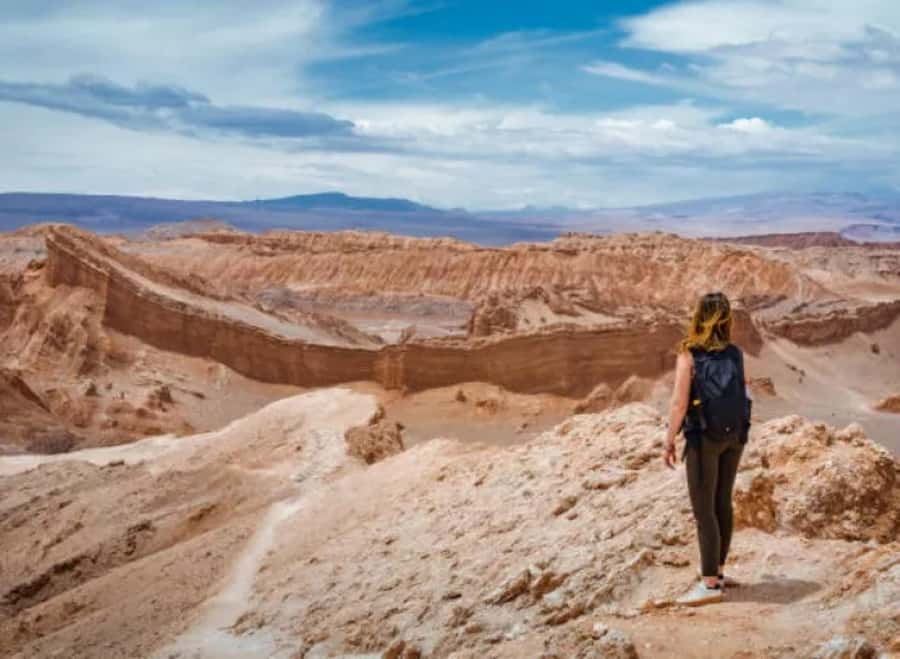
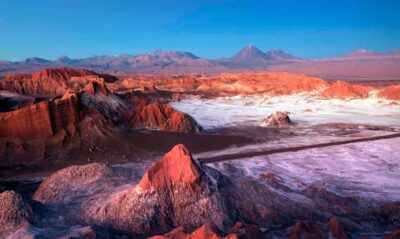
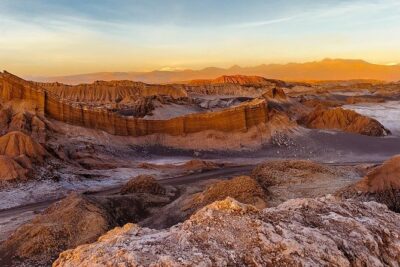
Moon Valley, also called Valle de la Luna, is one of those places where your brain has to catch up to your eyes. You start with familiar mountain shapes, then the ground shifts into pale salt tones, jagged rock ridges, and oddly sculpted forms that look lunar. It is set in a volcanic area, shaped over time by wind action and extreme temperature changes, and that weathering is exactly what makes the terrain look so theatrical.
What I like most is the way the visit is paced. You are not just dropped at a viewpoint and sent away. Instead, you move through a sequence of stops that each changes the scene, whether it is salt formations, a statue area, a dune climb, or viewpoint lookouts. That variety matters because Moon Valley can look similar in photos, but in person the details change constantly.
There is also a practical reason to go early in your San Pedro trip. The site sits around 2,500 meters, the same altitude as town, so you get the benefits of already being acclimated rather than adding a big altitude jump. If you are arriving fresh from lower elevations, you might feel the dry air and wind a bit more than you expect, so plan to keep your pace steady.
More ways into the Valle de la Luna:
- San Pedro de Atacama: Valle de la Luna Guided Tour
★ 4.4 · 312 reviews - Half Day Tour to Valle de la Luna
★ 5.0 · 307 reviews - Valle de la Luna (Moon Valley) from San Pedro de Atacama
★ 4.5 · 145 reviews
The 4-hour route: what you see and how the day flows
This tour is about 4 hours, which is a sweet spot in the Atacama. You get to cover the key highlights without burning your whole morning or afternoon. The timing matters too, because the dune stop is tied to the sunset color show, so the guide is going to keep the day moving at a rhythm that works with daylight.
Here’s how the experience typically “reads” on the ground:
First, you head into the valley and settle into the terrain. Expect a guided walk that is described as reasonably manageable. You are active enough to earn the views, but you are not signing up for technical climbing. You’ll spend most of the time outside, so the weather is part of the plan, not a surprise.
Next comes the sequence of signature stops: Salt of Sal, then the Three Marys statue area, then the Great Dune climb. After that, the tour continues with other standout features like the Amphitheater, the Coyote Stone viewpoint, and the Ckari Mirador lookout. The overall arc is smart. You start with visual variety, hit the big dune at sunset, then finish with extra viewpoints once the sky starts turning.
If you are someone who likes structure, this route will feel satisfying. If you hate walking, know that you are still doing a hike, even if it’s not extreme.
Salt of Sal: the signature salt and rock formations you’ll want to photograph up close
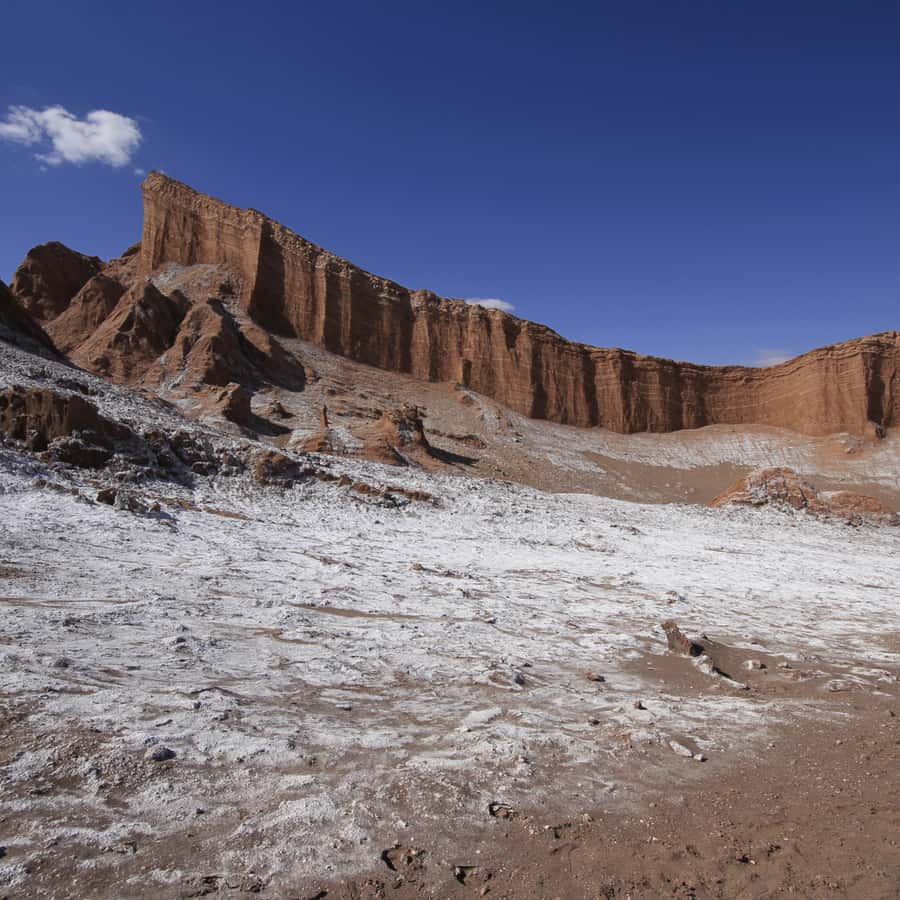
The highlight labeled Salt of Sal is the part of Moon Valley that makes people say, I get it, this is real. Salt mountains and salt-influenced rock forms create pale ridges and sculpted shapes that catch light differently as you walk. In direct sun, it can look almost white and powdery. In low-angle light, it turns golden and textured.
This stop is valuable because it teaches you how to “read” the valley. From a distance, you might see dunes and rocks. Close up, you notice how the salt and wind have worked on different surfaces, leaving grooves, edges, and strange slopes that feel designed.
A practical note: salt and dust can make the air feel sharper than you expect. If you wear sunglasses, keep them on. If you do not usually bring a scarf or buff, I’d strongly consider packing one. It helps with wind and grit when you pause for photos.
Three Marys: the statue stop that adds meaning to the scenery
The tour includes a stop for the three Marys, specifically to visit the statue of the Three Marys. This is where the visit shifts from pure scenery to something more human. Even without getting overly “explanatory,” the statue area gives you a clear moment to anchor your attention. It breaks up the walking and gives your eyes a focal point that is not just rock and sand.
I like stops like this because they make the outing feel more than a set of photo errands. You are still in the desert, but the atmosphere changes when you encounter a landmark built with intention.
You will want to take your time here. Wind can be strong, and it’s easy to rush through the only still point in the valley. Slow down, look at the statue area, then return to the motion when you’re ready.
A few more San Pedro de Atacama departures to weigh up
- San Pedro de Atacama: El Tatio Geysers Tour
★ 4.7 · 943 reviews - Tour to the Hidden Lagoons of Baltinache
★ 5.0 · 694 reviews - San Pedro de Atacama: Etno-Stargazing Tour with Transfer
★ 4.8 · 629 reviews - Piedras Rojas, Altiplanics Lagoons & Salar Full-Day Tour
★ 4.7 · 592 reviews
Great Dune at sunset: the headliner climb and how to pace yourself
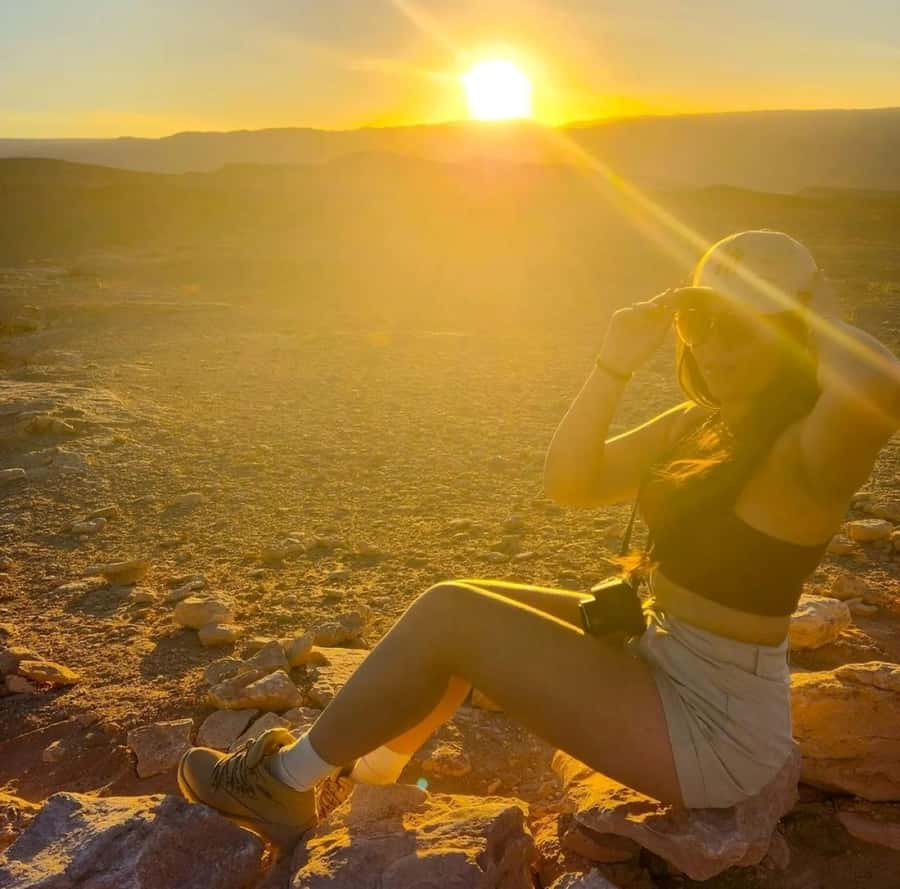
The Great Dune or Gran Dune climb is the moment most people remember. You go up the dune and get a panoramic view that is especially rewarding as the sun sets and the sky starts to show color.
What makes this stop worth it is not just the view. It is the feeling of working for it. You are moving through loose sand, and that gives you a different kind of physical effort than walking on firm ground. It is not presented as an extreme hike, but it still requires energy and good pacing.
My practical advice:
- Wear shoes with good grip, because sand can shift underfoot.
- Bring layers. Late-day desert temps can feel much colder once the sun drops.
- Take breaks on the way up. The goal is to enjoy the scenery, not sprint.
Also, because this stop is tied to sunset, you should expect the guide to keep the group together and manage timing. If you like taking tons of photos, still plan to keep moving, because the best light changes quickly.
Amphitheater, Coyote Stone, and Ckari Mirador viewpoints
After the dune, the tour adds several special stops that keep the variety high.
Amphitheater: This is a rock formation that echoes your voice. It sounds like a silly detail until you hear it in the open air. It’s one of those natural features that makes the desert feel interactive, not silent and empty.
Coyote Stone: You walk to the Coyote Stone for another spectacular view. This stop works well because it changes your perspective again. Instead of only looking at dunes and ridges, you start seeing how the whole valley fits together.
Ckari Mirador: The Ckari Mirador is a final viewpoint that focuses on broad, dramatic views of the Moon Valley. I like ending with a mirador because it lets you take in the entire scene you have been walking through. By the time you reach this point, you understand the terrain better than you did at the start.
These stops are also useful if you hate “one and done” tours. If the dune was your main goal, you still get bonus scenery afterward. If your main goal is photography, you get multiple angles instead of one.
Transfers, guide support, and the desert cocktail break

The tour includes transfer and a guide, and it also includes a cocktail. In the real world, that typically translates into a moment to slow down, sip something, and take a breather while you enjoy the setting. One highlight I’ve seen tied to the experience is that the desert-area break can feel like a small picnic, with time to relax even if the wind is pushing hard.
I also appreciate the human side of the guiding. If your group includes mixed ages or different walking comfort levels, a good guide does not just talk at you, they watch the pace and adjust when needed. Christian’s approach, described as checking on the group and individually, is exactly the kind of support I look for on a desert excursion.
What I’d do before you go:
- Confirm what time you’ll start so you can coordinate with daylight.
- Bring a water bottle, even if you are getting a cocktail. A desert hike makes thirst sneak up.
- Pack sunscreen. The sky can be clear enough to fool you into thinking you can skip it.
Park entrance cost: what’s extra and how to avoid surprises
The park entrance is not included. It is listed as CLP 20 pesos paid separately. That is a small amount, but it can still create an awkward pause if you did not plan for it.
Because the entrance fee is separate, I suggest you arrive with cash or payment options ready for the day. Also, keep the expectation simple: the tour itself provides the guiding and the time in the valley, and the gate handles entry to the park area.
Price and value: is $65 for 4 hours a fair deal?
At $65 per person for a roughly 4-hour experience, you’re paying for three things: transportation, a live guide, and time in a well-known, high-demand location.
To me, the value comes from the fact that the tour is not just a single photo stop. You get:
- a full sequence of named highlights (salt formations, statue area, dune climb)
- multiple viewpoints, including Amphitheater, Coyote Stone, and Ckari Mirador
- a desert break with a cocktail
If you tried to do this area on your own, you would likely spend more time figuring out where to go and how to time the dune for sunset. The guide helps you keep the flow and ensures you hit the major beats in a short window.
That said, if you are the type who wants total freedom to wander slowly without group pacing, a guided 4-hour format might feel a bit structured. Still, for most people, it is a smart use of time in San Pedro.
Who should book this Moon Valley tour, and who should reconsider
I think this tour is a strong fit if:
- you want the classic Moon Valley experience with the main stops in one outing
- you like sunset scenery and panoramic views
- you prefer a guided route that handles timing and logistics
- you want a moderate hike that is active but not extreme
You might reconsider if:
- you dislike walking on uneven, sandy ground
- you are very sensitive to wind and dust (it is a windy desert)
- you want a fully private, flexible itinerary with no group pace
It is also a good choice for the first days in San Pedro since the altitude is similar to town and you are already positioned for comfort.
Should you book the San Pedro de Atacama Valle de la Luna tour?
If your ideal half-day in San Pedro includes Salt of Sal, the Three Marys statue moment, a real climb up to the Gran Dune for sunset, and extra stops like the Amphitheater, Coyote Stone, and Ckari Mirador, then yes, book it. The value is in the route quality, not just the destination name.
Do it especially if you want a guide to keep things organized and you like the idea of a desert refreshment break included in the experience.
If you are on a tight schedule and want to see the highlights without spending time piecing together transport and timing, this one is a practical pick.
FAQ
How long is the San Pedro de Atacama Moon Valley tour?
The tour lasts about 4 hours.
What does the tour include?
It includes transfer, a guide, and a cocktail.
Do I need to pay the park entrance fee?
Yes. The park entrance is not included, and it is paid separately at CLP 20 pesos.
What highlights are part of the experience?
You’ll visit Salt of Sal, the Three Marys statue, climb the Gran Dune for panoramic sunset views, and also see stops like the Amphitheater, Coyote Stone, and Ckari Mirador.
What languages are the guides available in?
The live tour guide speaks Portuguese and Spanish.
Is free cancellation available?
Yes, you can cancel up to 24 hours in advance for a full refund.
Is there a reserve and pay later option?
Yes. You can reserve your spot and pay nothing today.
Is this tour walking-heavy?
It includes a hike and walking that is described as reasonably manageable, with time outdoors for viewpoints and stops. You should be ready for desert walking and wind.
Freshly reviewed in San Pedro de Atacama
- Puritama Canyon and Guatin Trekking★ 4.0 · 3 reviews
- San Pedro de Atacama: Rainbow Valley & Good Herbs Tour★ 4.3 · 3 reviews
- SAN PEDRO DE ATACAMA: ASTRONOMICAL TOUR★ 3.6 · 3 reviews
- San Pedro de Atacama: Cejar Lagoon★ 2.1 · 3 reviews
- Route of the Andean salt flats★ 5.0 · 3 reviews
- Purilibre Trekking: Disconnection and Nature★ 5.0 · 3 reviews
- From San Pedro de Atacama: Tatio Geysers and Machuca Tour★ 4.0 · 3 reviews
- Valle de la Luna: A Moon-Like Escape in Atacama★ 5.0 · 3 reviews
Moon Valley, compared.
Valle de la Luna (Moon Valley) from San Pedro de Atacama
Read our review →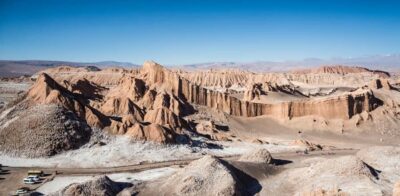
Small-Group Tour to Moon Valley from San Pedro de Atacama
Read our review →
Browse the lists this tour appears in