Reviewed · SAFARI
From Santiago: Rancagua Safari Park Zoo
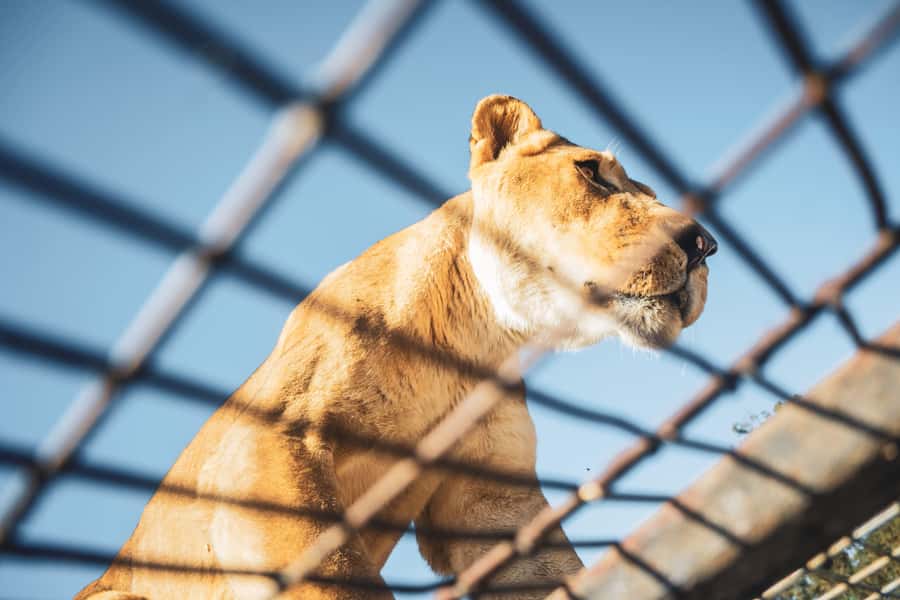
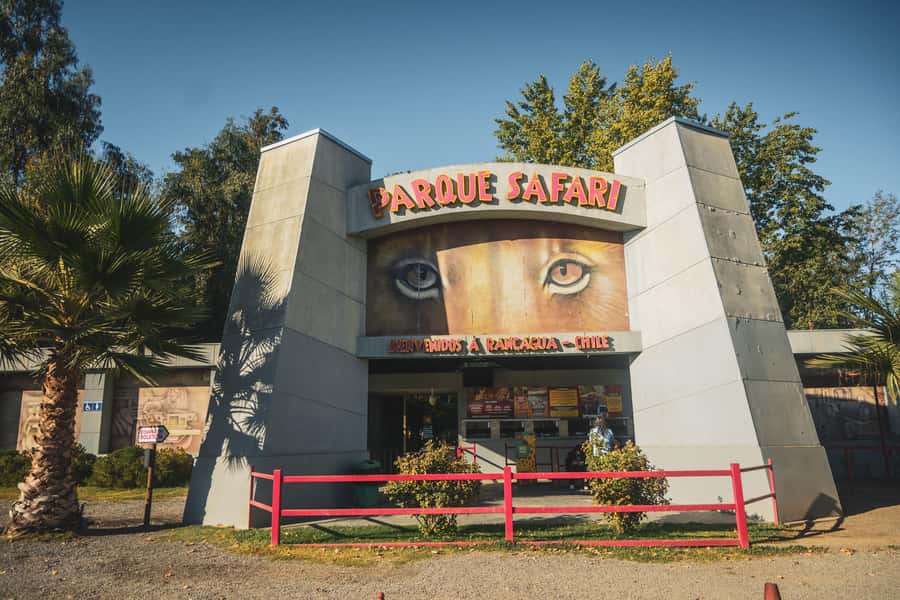
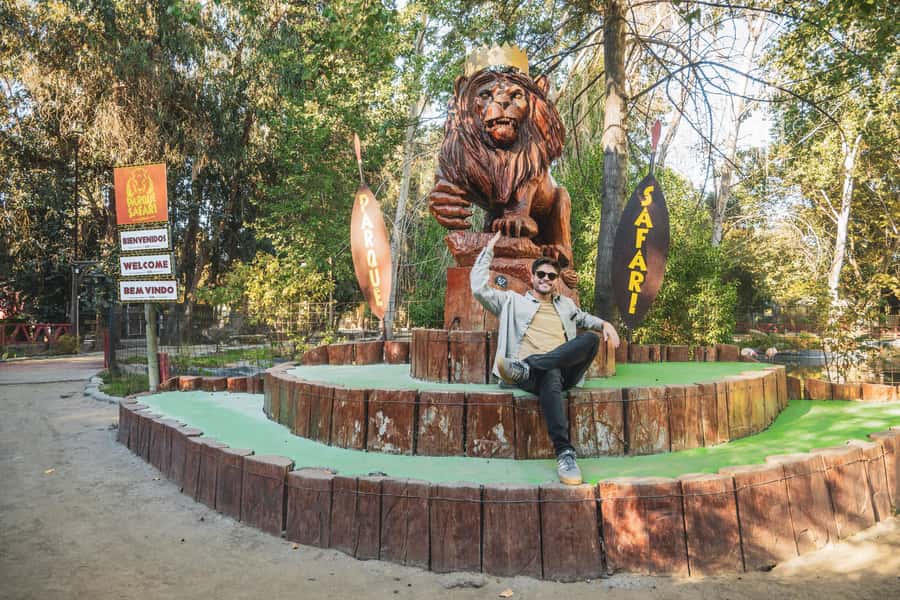
This is the kind of zoo trip that feels more like a wildlife day on safari than a quick walk-through. The Rancagua Safari Park is about 83 km from Santiago, and it’s set up so you can watch animals more naturally, with herbivore and big cat experiences built in.
I especially like that this park is a rehabilitation and recovery center for animals rescued from hunting areas or injuries. You’ll also have plenty of time to see the animals during the game drive, plus a bit of breathing room for photos and downtime.
One thing to think about first is that food isn’t included, so plan for snacks and water of your own, especially if you’re traveling with kids.
Key highlights worth planning for
- Rescued animals, rehab work, and reintroduction help you understand why the park exists, not just what it offers
- Two safari formats (Herbivore Safari and Big Cat Safari) give you variety in animal viewing
- About 3 hours of safari time plus stops and free time means the schedule actually feels like a day out
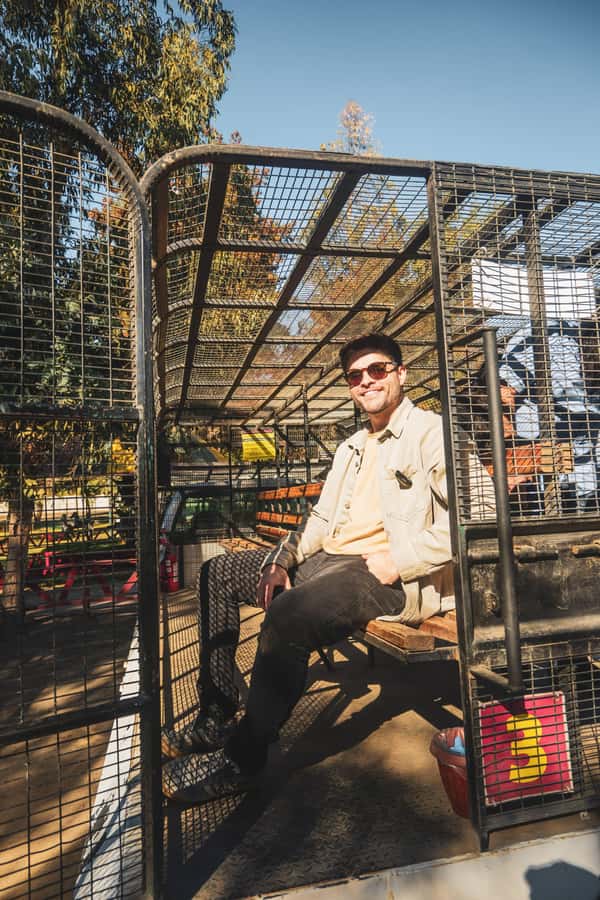
- Round-trip van transportation from several Santiago neighborhoods makes it easy to do with kids
- English, Spanish, and Portuguese speaking drivers keep things comfortable for mixed-language groups
A rehabilitated-wildlife safari day outside Santiago
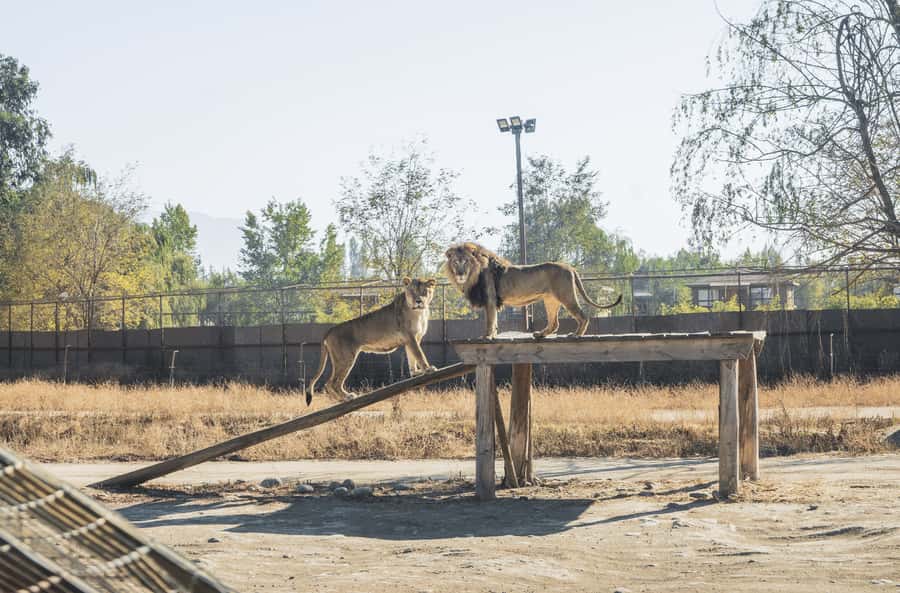
If your family is ready for animals, but you also want the outing to mean something, Rancagua Safari Park is a strong choice. This is not just a “look at cages” type of stop. The park runs as a recovery and rehabilitation center, which means many of the animals were rescued from hunting areas, came in injured, or needed help before anything else.
That context changes the vibe. You’re not only watching for cuteness and photos. You’re also seeing a system built around care, recovery, and (for some animals) returning them to their natural habitat. Even if you’re there mainly for the kids, it helps the visit feel grounded and purposeful.
The drive out of Santiago also matters. You get out of the city rhythm into a semi-rural setting where the animals feel more at home in the story you’re seeing. It’s a good “reset” day trip, and it’s one of the easier ways to do a safari-style experience without booking a full custom tour.
Getting there: 83 km away, with van pickup from Santiago
This trip is built around a simple half-day rhythm. The park is about 1 hour and 20 minutes from Santiago, and the full tour duration is 5 hours including round-trip transit.
Pickup is thoughtfully organized with four options in Santiago: Santiago, Providencia, Vitacura, and Las Condes. This matters if you do not want to deal with taxis or figuring out logistics with kids in tow. Once you’re in the van, you can keep the day calm and predictable.
The driver options are also practical: the driver speaks English, Spanish, and Portuguese. If your group includes kids or adults who just want things explained clearly, that language flexibility can help a lot.
One more timing note that affects your planning: the tour does not run on Mondays or rainy days. So if you’re trying to lock in a family itinerary, keep your schedule flexible for the middle of the week and watch the weather forecast.
What your time on site feels like: photo stop, visit, free time, game drive
Your day on the park grounds is structured so you do not feel rushed, but you also do not lose the action to endless waiting. The experience includes a photo stop, a general visit, free time, and then the key moment: a game drive with wildlife viewing.
Here is how it typically plays in your head when you’re doing it:
- You arrive and get oriented with a quick photo stop and time to settle in.
- Then you move through the visit portion, which is your chance to see more of the animals and park setup without the game-drive-only format.
- You get free time, which is especially useful if kids need a break, you want a snack pause (remember, food is not included), or you just need a moment away from the van after riding there.
- Finally, you hit the 3-hour game drive and wildlife viewing window, which is where the safari energy comes from.
The biggest benefit of this timing is simple. You start with context, take a breather, and then go for the more intense viewing. For families, that order usually works better than doing the longest activity first when everyone is still cranky from travel.
Herbivore Safari and Big Cat Safari: two different viewing styles
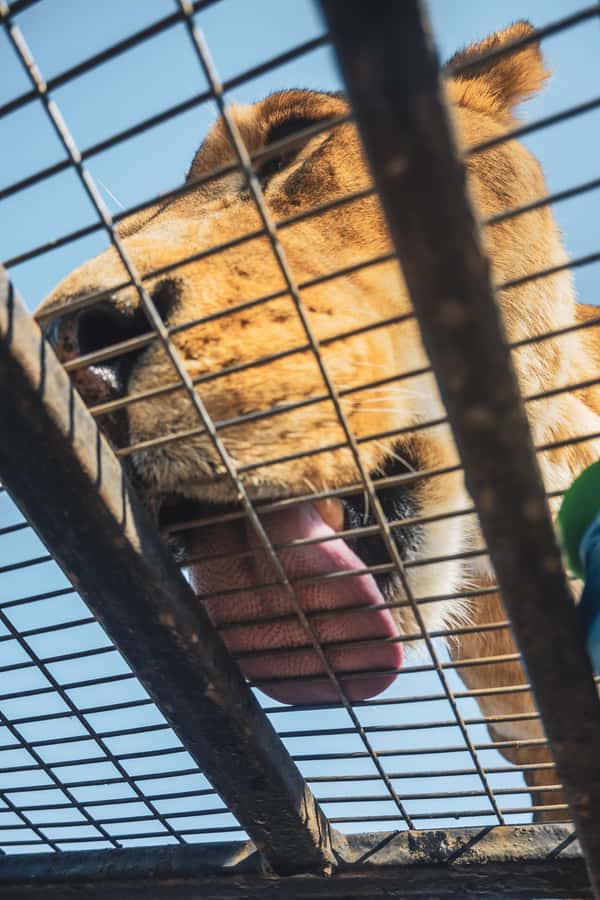
The park’s two main attractions are the Herbivore Safari and the Big Cat Safari. You’ll get tickets for both as part of the included items, so you do not have to worry about buying them separately.
Even though both are safari experiences, they feel different because of what you’re hoping to see:
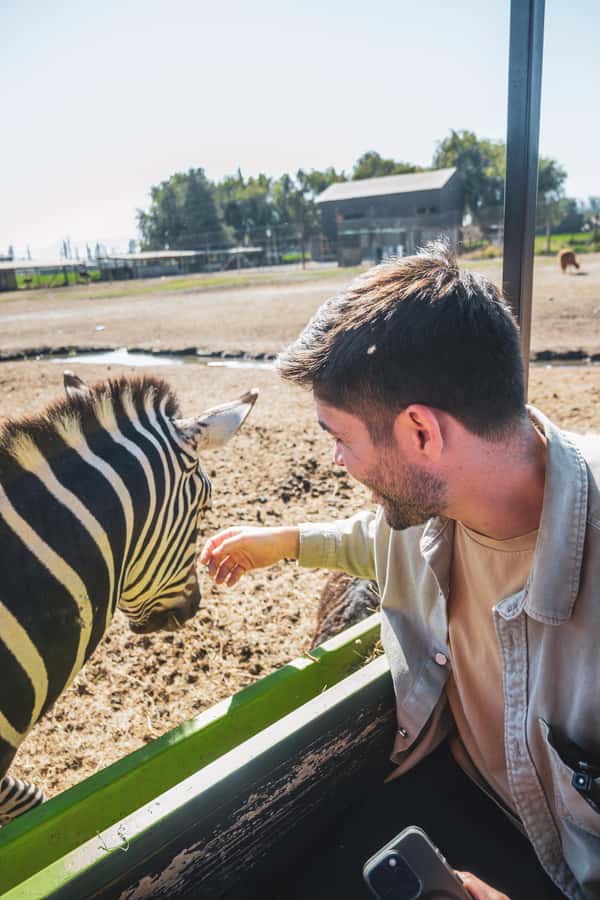
- Herbivore Safari is usually the easier win for many kids. Herbivores tend to be more “stop-and-watch,” and they are great for teaching moments about diet and behavior.
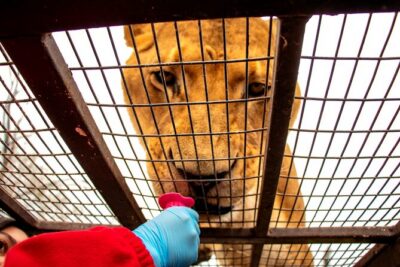
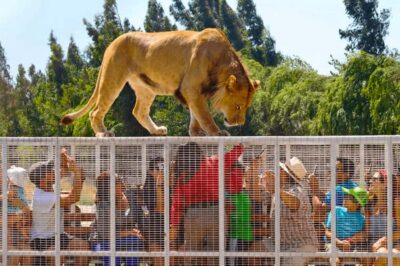
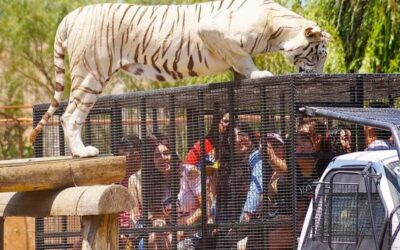
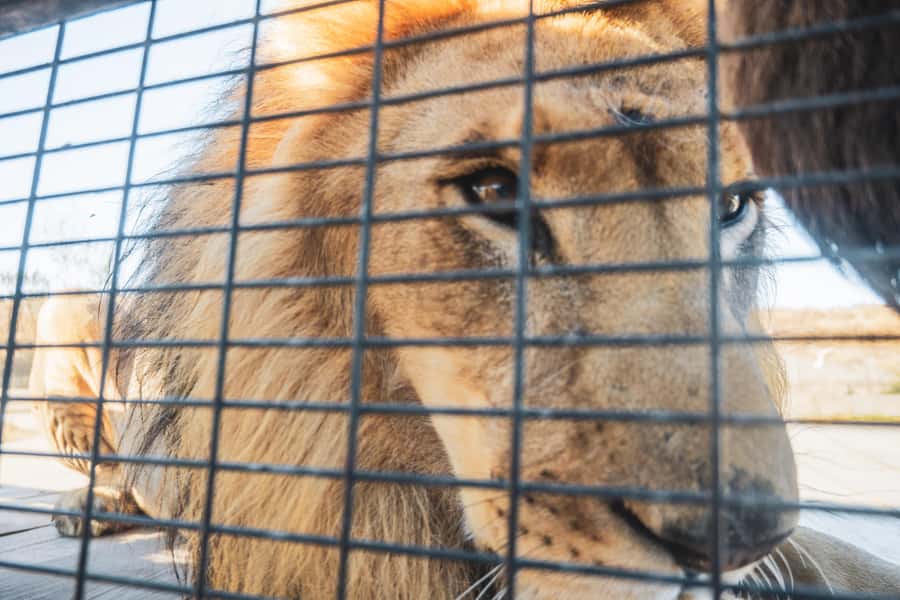
- Big Cat Safari adds the excitement factor. With predators, you’re often watching for movement and signs of hunting behavior. This can be thrilling for older kids and adults who like the idea of spotting animals rather than just looking at them from a distance.
If you’re traveling with younger children, I’d treat it like this: plan your energy so you enjoy the herbivores first, then let the big cats be the “wow moment” later. And if you have kids who can’t sit still for long, you’ll want to use the free time strategically so the big-cat viewing still feels fun, not stressful.
Why the rehab mission changes the experience (and how to watch with intent)
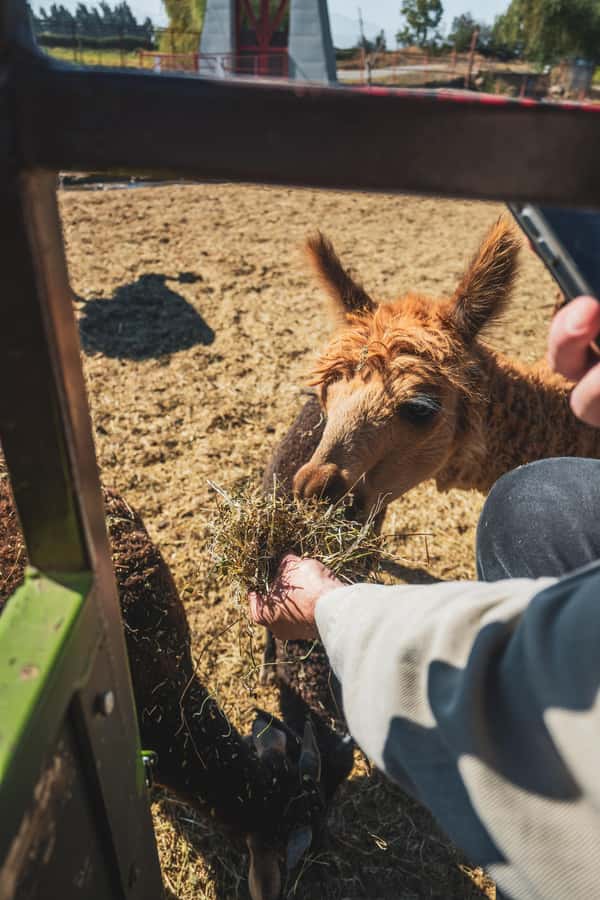
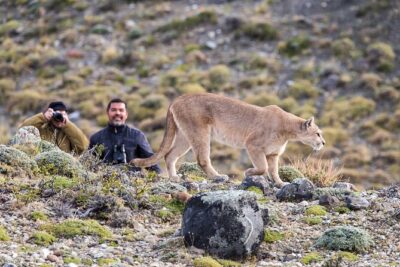
This park exists for animals that cannot easily go back to life in the wild right away. That might be because they were injured, because they came from hunting areas, or because they needed recovery care. Some animals are later reinserted into their natural habitat, while others remain because they can no longer live freely outdoors.
So instead of focusing only on “Did we see the animals,” try asking yourself a better question: What kind of care are you witnessing? Even without a long lecture, the setup makes it clear this is not just a display. It’s part hospital, part sanctuary, and part conservation process.
Practical tip for how to “get more” from the experience: slow down during the parts that are not the game drive. In the general visit and free time, look for signs of how the park manages animal comfort. It turns routine viewing into something you can explain later, which is a big win if you have kids who will remember only what feels meaningful.
Practical stuff that will make or break your day
This is where you can save yourself stress. You’re going to be outside, you’re going to be moving between parts of the park, and you’re doing a round trip from Santiago. The small details matter.
What’s included
Your package includes:
- Round-trip transportation from your accommodation area (within the listed Santiago neighborhoods covered by pickup)
- General Park Ticket
- Feline Safari Ticket
- Herbivore Safari Ticket
There’s also a Jurassic Safari Ticket mentioned as not included. That means if you were hoping for that extra add-on, you’ll need to decide separately.
What’s not included
- Food
That’s the big one. The tour covers the animals and transportation. It does not cover lunch or snacks, so bring a plan.
What to bring
Pack for comfort first:
- Comfortable closed-toe shoes
- Sunglasses and sunscreen
- Water and a reusable water bottle
- Biodegradable sunscreen is specifically recommended
- Comfortable clothes and a jacket (weather-appropriate clothing)
- Cash
Also, if you’re prone to motion sickness in vans, bring something for that too. It’s an easy thing to forget until you’re already in the ride.
What you cannot bring
To keep things safe and practical:
- No pets
- No luggage or large bags
- No smoking in the vehicle
- Non-folding strollers are not allowed
- No bikes, handcarts, coolers
- No alcohol or drugs
- No unaccompanied minors
- No explosive substances
- No food or drinks in the vehicle
If you’re traveling with a stroller, make sure it folds. If you have a lot of day-pack gear, consider traveling light so you do not run into restrictions that waste time.
Price and value: is $90 per person worth it?
At $90 per person for a 5-hour family-style safari trip, the value depends on how you compare it to your own time and hassle.
Here’s the value case that makes sense:
- You get round-trip transportation with pickup from multiple neighborhoods.
- You get both safari tickets (feline and herbivore) plus the general park entry.
- You get a meaningful chunk of viewing time, including a 3-hour game drive.
The value case that might lower the score for some people:
- Food is not included, so your final spend is higher if you need to buy meals onsite.
- If your family only wants the shortest outing possible, 5 hours can feel like a half-day commitment.
I’d think of this as a “pay for convenience plus animal experience” trip. If you are already good at independent travel, you might be able to do similar experiences on your own. But if you want a smooth, kid-friendly plan with transportation handled, the price looks much more reasonable.
Also, the park runs on specific days and conditions, since it does not operate on Mondays or on rainy days. That matters for value because failed weather timing can turn a good deal into a missed plan.
Who should book this safari zoo trip from Santiago?
This is built for families and for people who want more than a simple city attraction.
Book it if:
- You’re traveling with kids and want an outing that feels like an actual safari day.
- You care about animal rescue and rehab, not just entertainment.
- You want transport handled, with pickup from Providencia, Vitacura, Las Condes, or central Santiago areas.
Consider a different option if:
- You want a very compact, low-time commitment day.
- Your group will be miserable without food included. (Bring snacks, plan your water, and you’ll be fine.)
- You’re traveling on a Monday, or you expect regular rain that could disrupt the day.
Language coverage helps too. With drivers who speak English, Spanish, and Portuguese, it’s easier to follow what’s happening and stay comfortable.
A real-world check: guides, clarity, and managing expectations
The experience is structured, but like any live tour, the on-the-ground experience can vary depending on the day and guide style. I’d handle this like a smart traveler: go in with a flexible mindset and be ready to ask simple questions if the timing or safari details are unclear.
The best way to keep it smooth is to do two things early:
- Ask what part of the day you’re in and what you should focus on next.
- Use the free time on site to confirm anything you need for the next safari segment.
This is not a reason to avoid the tour. It’s just how you protect your day when there are multiple safaris and a game drive schedule.
Should you book Rancagua Safari Park Zoo from Santiago?
Yes, you should book it if you want a kid-friendly safari-style day that also teaches you why the park exists. The combination of rescued-animal care, two safari ticket types, and round-trip transportation from key Santiago neighborhoods makes it one of the more practical options for families.
Just go prepared. Bring your own water and snacks plans since food is not included, wear comfortable shoes, and confirm you’re booking a day that runs (no Mondays, and avoid rainy-day risk). If you do that, you’ll spend the day watching animals in a way that feels more like observing wildlife behavior than checking off a typical zoo.
If your family likes animals, and you prefer logistics that are handled for you, this is the kind of half-day trip that tends to stick in people’s memories.