
Reviewed · WORKSHOPS
Santiago Chilean and Peruvian Cooking Class with a Local Carol
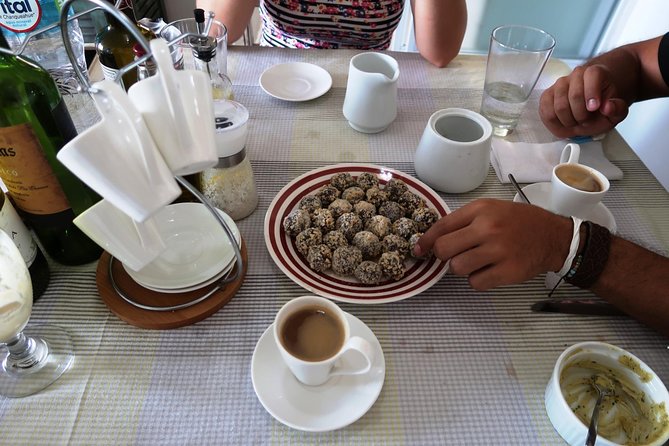
Chilean and Peruvian cooking in a real Santiago home beats another sit-and-watch food tour. You get to work at the dining-table prep station, then eat what you helped make, with Carol and Paulo guiding you through Chilean favorites and Peruvian classics.
I love how personal this feels, since it is private for just your party. I also like that everything is handled for you, so you show up, cook, drink a glass or two, and leave with zero shopping lists.
One possible drawback to consider is the small kitchen setup. You will be close to your hosts and using the dining table for prep, so it is not the roomy, restaurant-style layout some people expect.
Key things you will notice right away
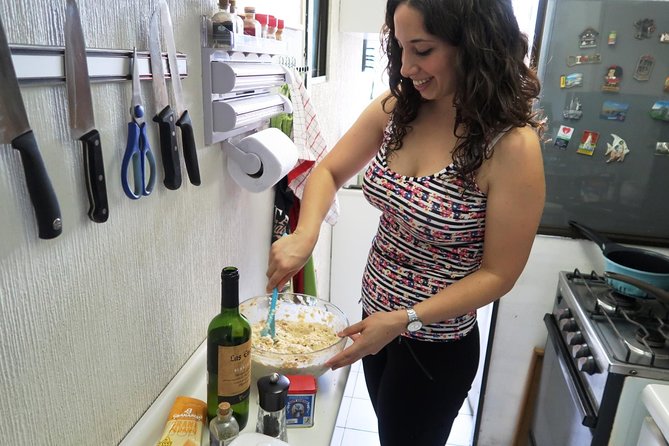
- Private class in a local apartment, not a commercial kitchen
- Hands-on cooking for about an hour, then you sit down and eat
- Choose Chilean, Peruvian, or a mix of menus, with seasonal variation
- All food included, plus 1 to 2 glasses of local alcohol
- Vegetarian option available if you request it ahead of time
- English-friendly hosts, with conversation built into the night
A private Santiago home class, not a showroom lesson
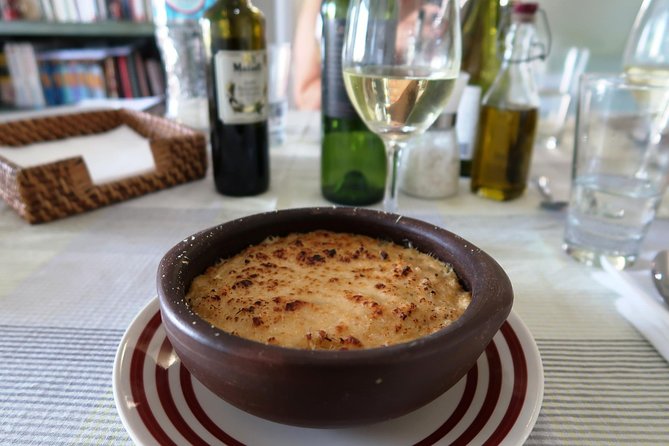
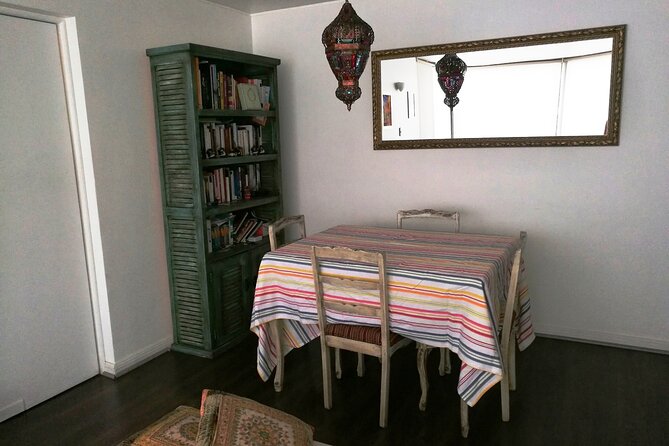
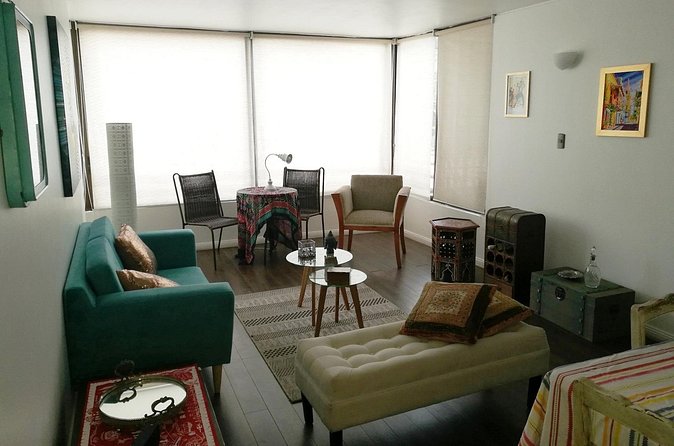
This experience is built around a simple idea: cooking is easiest to learn when you are standing where the food actually gets made. In Santiago, that means you are invited into a local apartment, and you cook at home scale, using the dining table when the kitchen space is tight.
That home setting shapes the whole vibe. Instead of rushing through a few “signature” steps, you get to follow Carol and Paulo as they move between prep and finishing. You can watch what they do in the kitchen, but you are also actively involved while you are at the table.
And because it is private, you can ask questions without feeling like you are competing with a crowd. If you are curious about ingredients, technique, or what everyday life tastes like in Chile, this format gives you room to talk.
The meal is also part of the learning. After the hands-on hour, you sit down and eat the appetizer, entrée, main course, and dessert you helped prepare. That matters because it turns recipes into something you can taste and remember, not just instructions you forget the next day.
A few more Santiago departures to weigh up
- 4h Cooking Class in Santiago with 8 Recipes & Bottomless Drinks
★ 5.0 · 32 reviews - Cooking Class in Santiago de Chile
★ 5.0 · 9 reviews - Private Market Tour and Traditional Chilean Cooking Class in a Local Home
★ 5.0 · 5 reviews
Carol and Paulo run the show, with Christine sometimes helping
Carol and Paulo lead the class together, and you are not treated like a pass-through participant. The teaching style is practical, and it feels designed for real cooks at home, not just people who can only follow a script.
In at least some situations, an assistant named Christine helps out. That can make a difference in pacing, especially in a small kitchen, where timing matters when multiple elements are going at once.
What I appreciate most is the tone. This is not stiff or overly formal. You are welcome into their space, you chat before and during cooking, and you learn while you are connected to the people who actually cook this way at home. Carol and Paulo also speak English fluently, which helps if your Spanish is still getting up to speed.
If you like food plus conversation, this is the kind of evening that makes Santiago feel more human. It is not only about what you eat, it is also about understanding why those dishes show up where they do.
Picking Chilean, Peruvian, or a mix of both menus
You choose the menu direction ahead of time, and that choice drives the whole evening. You can go Chilean, Peruvian, or choose a mixture of both, depending on what sounds best to you. Menus can also vary by season, so you are not just locked into a single rigid script.
This flexibility is a big plus if you want to tailor the night to your tastes. Maybe you want Chilean comfort dishes but also want to try a Peruvian sauce or seafood-style entrée. Or maybe you are already interested in one cuisine and want a focused experience.
For me, the best way to decide is simple. If you want something that feels familiar once you taste it, choose the Chilean side. If you want bold flavors and sauces that might be new, pick the Peruvian menu or a mix. Either way, you still get the same core structure: appetizer, main, dessert, and a shared meal afterward.
Also, tell them about any allergies or dietary restrictions at booking. A vegetarian option is available, but it needs to be requested in advance. That is a key detail, because home cooking is easier when the plan starts aligned with your needs.
Appetizers and starters you can actually picture before you cook
Your menu starts with an appetizer, and the options give you a quick taste of each country’s flavor logic.
On the Chilean side, you might see sopaipilla, a fried pastry that is simple but addictive once you understand the texture. You might also make pebre, a salsa-style mix with tomatoes, onion, and coriander. Pebre is one of those dishes where you can smell the herbs right away, and it usually makes people instantly understand why it shows up alongside so many Chilean meals.
On the Peruvian side, you could get cancha (toasted corn nuts), plus fried plantain and olives. This appetizer approach is useful because it is crunchy, savory, and easy to share. It also helps you feel how Peruvian cuisine balances salt, fat, and brightness without needing a complicated step-by-step.
And because you are cooking alongside your hosts, these are not just “try it and move on” items. You will learn how ingredients behave, how the prep looks on the table, and how finishing steps matter.
One practical note: since the kitchen is small, some prep tasks may happen at the dining table while other finishing happens inside. That can be a good thing. You still get hands-on time, but you also get a clear view of what the host does at the final moments.
The other half of a Santiago week:
- Valparaiso Port and Viña del Mar with Casablanca Wine Tasting
★ 5.0 · 6,110 reviews - Santiago: Cajon del Maipo/Embalse del Yeso Tour with Picnic
★ 4.3 · 3,789 reviews - Santiago: Vina Del Mar, Valparaiso, Casablanca & Reñaca Tour
★ 4.2 · 2,838 reviews - Cable Car, Funicular and Sightseeing Bus in Santiago one day
★ 5.0 · 2,325 reviews
Main courses: Chilean crab casserole or Peruvian ají de gallina
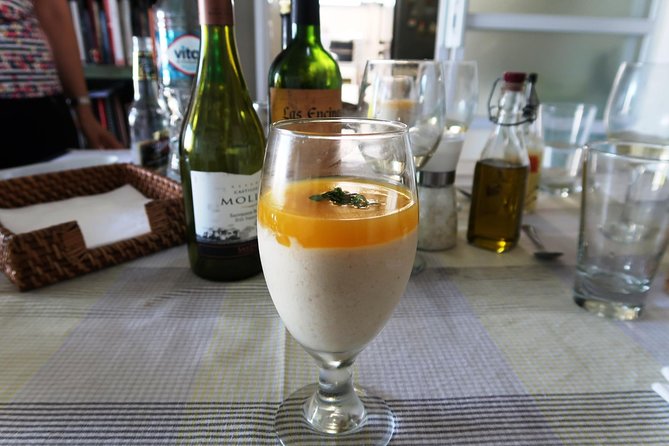
After the appetizer comes the main course part of the evening, where you see how each cuisine handles comfort and sauce.
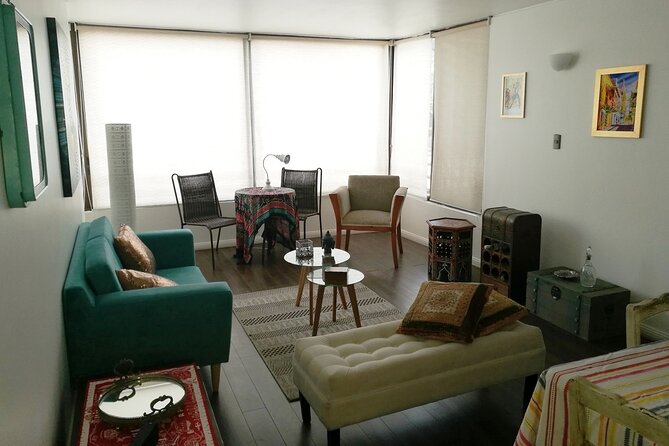
If you choose the Chilean menu, you might be served pastel de jaiba, a crab casserole. Casseroles can be great to learn in a class because they show how seasoning, texture, and baking come together. You also get a dish that feels like a full meal, not just an appetizer-sized taste.
If you choose the Peruvian direction, you might make ají de gallina. It is often described as similar to a curry in concept, mainly because of the warm spice and thick sauce feel. Even if you have not had it before, you will likely recognize the sauce style once you taste it, and you can connect it to your own cooking experience.
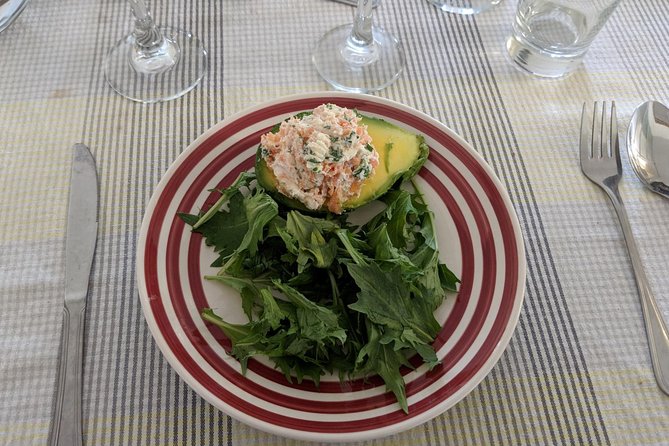
You may also see an entrée option depending on the menu you select. One example is palta reina, an avocado dish with smoked salmon, cream cheese, and parsley filling. That is a more elegant, cool contrast to warm casseroles and sauced mains, and it helps round out the meal so it does not become one-note.
What makes the main-course stage valuable is the way it teaches you “why,” not just “how.” You will get explanations of ingredients and local cooking choices as you go, and because it is private, you can ask what you are most curious about.
Desserts: Chilean cake or crema volteada (Peruvian flan)
No cooking class feels complete until dessert shows up. Here, you might end with a Chilean cake or crema volteada, which is Peruvian flan.
Flan-style desserts can be forgiving as long as you follow the method, and they are great for learning because timing and texture are obvious once you see them. Even if dessert is not your strongest skill back home, you get a chance to practice something that people actually make and eat, not just admire from the sidelines.
For many travelers, dessert is also where you start noticing cultural differences in sweetness and creaminess. Chile and Peru share comfort ingredients, but they manage them differently, and a flan versus cake ending is an easy way to feel that contrast.
Because you cook, then eat, dessert becomes more than a sweet finish. It is part of the lesson in pacing and sequencing, how dishes flow from prep to service in a home kitchen.
Alcohol, pacing, and why the meal feels like an evening, not a class
A glass or two of local alcohol is provided, and it usually changes the whole tone of the evening. You are not stuck on a tight, silent schedule. Instead, you can relax into the cooking and conversation, then sit down together once the food is ready.
The cooking portion lasts about one hour, followed by the meal. That timing is smart for beginners and for people who just want an enjoyable experience. You do not spend the entire time in “work mode,” and you still have enough time to learn the key steps.
Since this is private, the pace can also feel tailored to your group. If someone in your party wants to ask more questions about ingredients, there is room. If you want to keep things moving, you can do that too.
One more thing I like: you get both the action and the watching. Some steps will happen in the kitchen as Carol adds finishing touches, while you work at the table. That blend keeps you engaged without making the night stressful.
Logistics in Providencia: getting there and what to plan
This class starts in Antonio Bellet, Providencia, in Santiago. There is no hotel pickup or drop-off, and the tour ends back at the meeting point.
So you should plan transportation accordingly. If you rely on taxis or ride-hailing, confirm your pickup spot in Providencia and budget extra time for getting inside the correct building area.
Because it ends where it starts, it is easier to build a simple evening plan around it. You can eat after if you want, or you can treat it as your full night’s meal since all food is included.
Timing is also flexible in a good way. The duration is about 3 hours. That is long enough to learn and eat properly, but short enough that you can still handle other Santiago plans later.
If you are visiting with a partner or small group, this is especially convenient. Private home experiences tend to fit well when you do not want to deal with rigid group schedules.
Price and value: $184 per person for food, teaching, and privacy
At $184 per person, this is not a budget bite. But you are paying for a specific mix that adds up in real value: a private, hands-on class in a local home, all the food included, and gratuities already included.
You also get 1 to 2 glasses of local alcohol, which changes how “all-in” the evening feels. Many cooking classes only cover instruction or ingredients. Here, the plan includes the meal you cook, plus the social part of cooking together.
Private is the other big driver. Instead of a large group with shared attention, you get personalized guidance for you and your party. In a small kitchen, that matters even more, because space is limited and someone has to manage timing, prep, and finishing without chaos.
The value is also improved by clarity. You know it is about a traditional appetizer or dessert and main dish, with your choice of Chilean or Peruvian menus. It is not a mystery meal where you show up and hope it matches your tastes.
If you are the type who likes to learn through doing and then eat your results, this price can make sense. If you only want a quick taste, it might feel heavier than you want. But as a true “I want to learn something and have a great meal” night, it is a solid buy.
Who this Santiago cooking class is best for
This class is ideal if you want two things at once: food learning and real conversation.
You’ll probably enjoy it if:
- you like home-style cooking and want techniques you can repeat later
- you want Chilean and Peruvian flavors in one evening, not a checklist of dishes
- you are traveling as a couple or small group and prefer private attention
- you want your host to explain ingredients and choices while you cook
It is also a good fit if you have mild culinary curiosity but not advanced skills. The instructions are hands-on, and the structure is clear: prep with your hosts, then eat.
One thing to consider if you dislike close quarters. Because the kitchen is small and you use the dining table for prep, you may feel crowded. If that bothers you, think of it as part of the authenticity, not a comfort failure.
And if you have dietary restrictions, plan ahead and request details at booking. The vegetarian option exists, but the class needs your needs early to cook comfortably.
Should you book Carol and Paulo’s Chilean and Peruvian class?
If you want an evening that feels like dinner with locals who happen to teach cooking, book it. The format checks the boxes that matter most: private attention, hands-on prep, and a full meal with Chilean and Peruvian dishes you can name, taste, and understand.
I would especially recommend it if you are in Santiago and you want something more memorable than a restaurant meal. You come away with practical knowledge, a story about what you cooked, and a clearer sense of how these cuisines show up in everyday life.
Skip it only if you are expecting a big, professional kitchen and a hands-off dining experience. This one is personal, close-up, and interactive.
FAQ
How long is the Santiago Chilean and Peruvian Cooking Class with Carol?
The experience lasts about 3 hours.
Is this cooking class private?
Yes. It is a private tour, so only your group participates.
What is included in the price?
You get the private cooking class and homecooked meal, plus local alcohol (1 to 2 glasses). All taxes, fees, and handling charges are included, as well as gratuities.
Do I get to choose Chilean or Peruvian food?
Yes. You can choose a Chilean menu, a Peruvian menu, or a mixture of both.
What kinds of dishes might we cook and eat?
Depending on the menu and season, options can include sopaipilla or pebre for an appetizer, palta reina or a Peruvian entrée, and main dishes like pastel de jaiba or ají de gallina. Dessert can be Chilean cake or crema volteada.
Is there a vegetarian option?
Yes, a vegetarian option is available. You should advise the provider at booking.
Is hotel pickup or drop-off included?
No. Hotel pickup and drop-off are not included. The activity starts and ends back at the meeting point.
Where does the class meet?
The meeting point is Antonio Bellet, Providencia, Región Metropolitana, Chile.
Can I cancel and get a full refund?
Yes. You can cancel up to 24 hours in advance for a full refund. If you cancel less than 24 hours before the start time, the amount paid is not refunded.
Freshly reviewed in Santiago
- Colchagua Full Day Wine Tour: Casa Silva & L’Apostolle Wineries★ 4.0 · 3 reviews
- Santiago De Chile Highlights Walking Tour with a Guide★ 5.0 · 3 reviews
- Santiago de Chile: Half-Day City Tour with Local Cuisine★ 4.5 · 3 reviews
- Portillo & Laguna del Inca with Lunch at the Hotel Portillo★ 5.0 · 3 reviews
- Cajon del Maipo & Embalse El Yeso Tour from Santiago★ 3.5 · 3 reviews
- Full day hike to the viewpoint of Condores, Cajon del Maipo★ 5.0 · 3 reviews
- Kayaking Day Trip in the Andes from Santiago★ 5.0 · 3 reviews
- Private Transportation from Santiago or Santiago Airport AMB to Valle Nevado★ 3.5 · 3 reviews
Workshops, compared.

Ski Experience in Valle Nevado, Lessons, Transportation, and More
Read our review →
New Concha y Toro Tour Marques with class, extra tasting y food
Read our review →
Casablanca world class wines, 4 vineyards & Tanino lunch stop
Read our review →
World-class Wines, Visit to 4 Vineyards and Tanino
Read our review →
Skiing in Farellones Park: Ski Tickets, Lessons, Transportation and More
Read our review →
4h Cooking Class in Santiago with 8 Recipes & Bottomless Drinks
Read our review →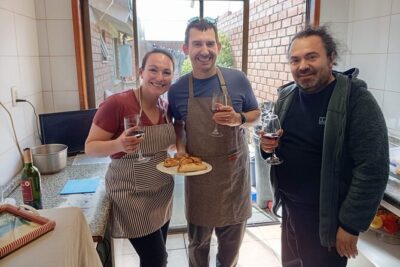
Browse the lists this tour appears in