Reviewed · SANTIAGO TOURS
An Architect’s Tour of Downtown Santiago
An architect runs this downtown Santiago walk, and that changes how you see the city. I love learning how buildings connect to Chile’s political and social changes, and I love that the guide is architect Diego Inzunza, a native-born Chilean who can answer questions as you go. The main drawback is that it is a solid 3-hour walking experience, so comfortable shoes matter, and it is not ideal for kids under 10.
This is a small group tour (up to 8 people), offered in English or Spanish, with time for coffee and restrooms. You finish at La Moneda, the presidential palace area, so the last stretch has a clear political edge, even if you mainly came for architecture.
Key Highlights You Should Know Before You Go
- Diego Inzunza, a Chilean architect, guides in English or Spanish
- A 3-hour walk focused on architecture plus the history behind it
- Small group size (limited to 8) for real questions and photo time
- Coffee and restroom stops built into the route
- Iconic stops like Cerro Santa Lucía, Iglesia San Francisco, and Barrio Paris-Londres
- Ends at La Moneda in Chile’s Civic Center area
Starting at Plaza Baquedano, with an Architect’s Lens
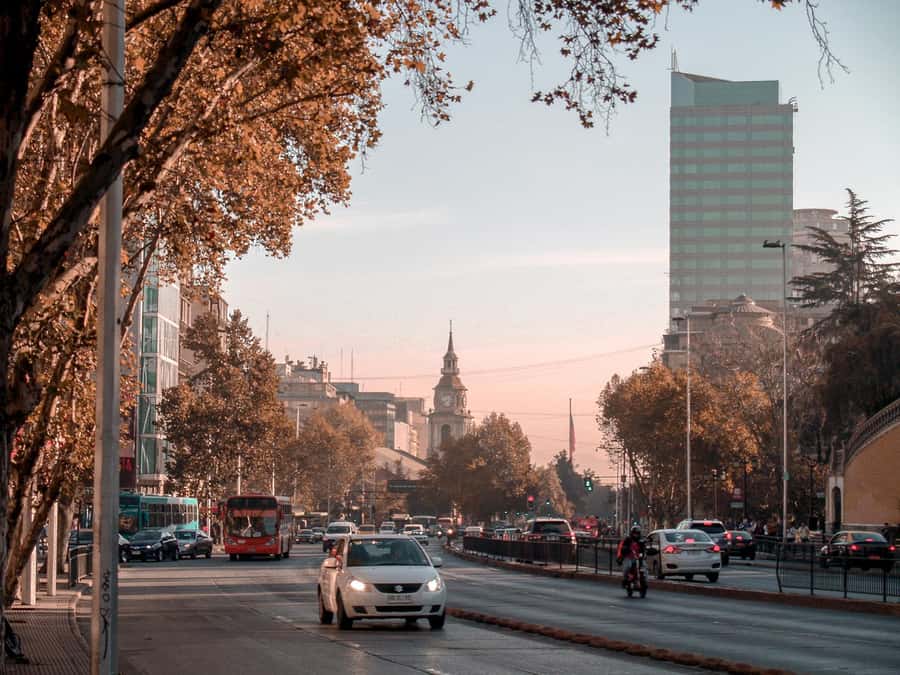
You start where Santiago’s energy gathers, Plaza Baquedano, next to Teatro Universidad de Chile. From the first block, the tour’s pitch is simple: you are not just looking at buildings, you are learning what they were trying to do, and what the city needed at the time.
I like the way the guide keeps the tone practical. Diego Inzunza is an architect by training, and the tour is built around a guided conversation that links architecture to historical and social context. If you enjoy asking why one style shows up here and another shows up elsewhere, you are in the right place.
One of the smartest parts is that you do not need to study architecture beforehand. There is no special equipment required besides your curiosity, and you can ask about whatever catches your eye. That matters because Santiago has a lot going on visually, and without a framework you can end up with photos and no context.
A few more Santiago departures to weigh up
- Valparaiso Port and Viña del Mar with Casablanca Wine Tasting
★ 5.0 · 6,110 reviews - Santiago: Cajon del Maipo/Embalse del Yeso Tour with Picnic
★ 4.3 · 3,789 reviews - Santiago: Vina Del Mar, Valparaiso, Casablanca & Reñaca Tour
★ 4.2 · 2,838 reviews
How Diego Inzunza Turns Street Views into Story
This tour is not a slideshow. It is a guided walk with Diego Inzunza, who studied architecture in 2016 and has worked as an architect and guide for over 6 years. He also spent 10 years in the United States, and that shows in how easily he can communicate in English at a fluent level.
In practice, that means you get an explanation that actually lands. You are not stuck translating concepts in your head. And in the same way, the pace stays conversational so you can follow the line of thinking instead of just listening to facts.
The tour is also designed to let you photograph without feeling rushed. If something grabs you, you can ask to spend a bit more time there. I like this setup because architecture is visual, and half the fun is returning to the same corner to see it from a different angle.
Barrio Lastarria, Seeing a Neighborhood Through Proportions
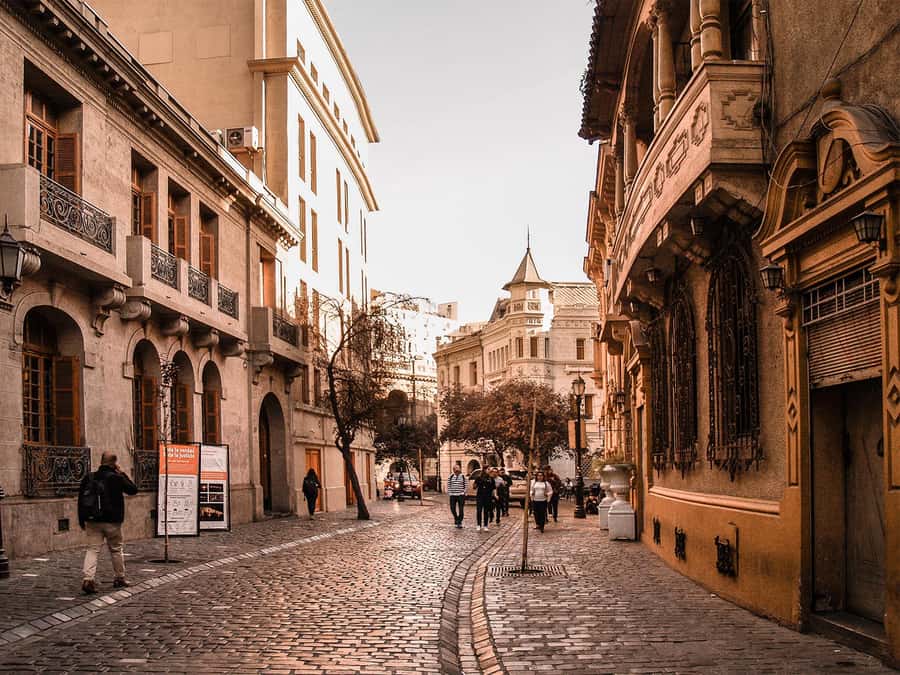
Barrio Lastarria is one of the stops that helps you understand what “downtown” really means. Instead of focusing only on big landmarks, this part of Santiago encourages you to pay attention to scale, layout, and how a neighborhood feels as you move through it.
You can expect Diego to guide you through the architectural choices you see at street level, then connect those choices to the broader historical background shaping the city. The best moments are usually the ones where a building looks simple at first, then you notice details like how the structure frames space for people. That kind of attention is hard to teach yourself in a first-time visit, and that is where a specialized guide pays off.
A small caution: this is still a walking tour. If you come expecting constant sitting, or you want a slow stroll with no educational stops, you may find the rhythm a little active. The upside is that every pause has a purpose.
Universidad Catolica de Chile, Where Design Meets Everyday Life
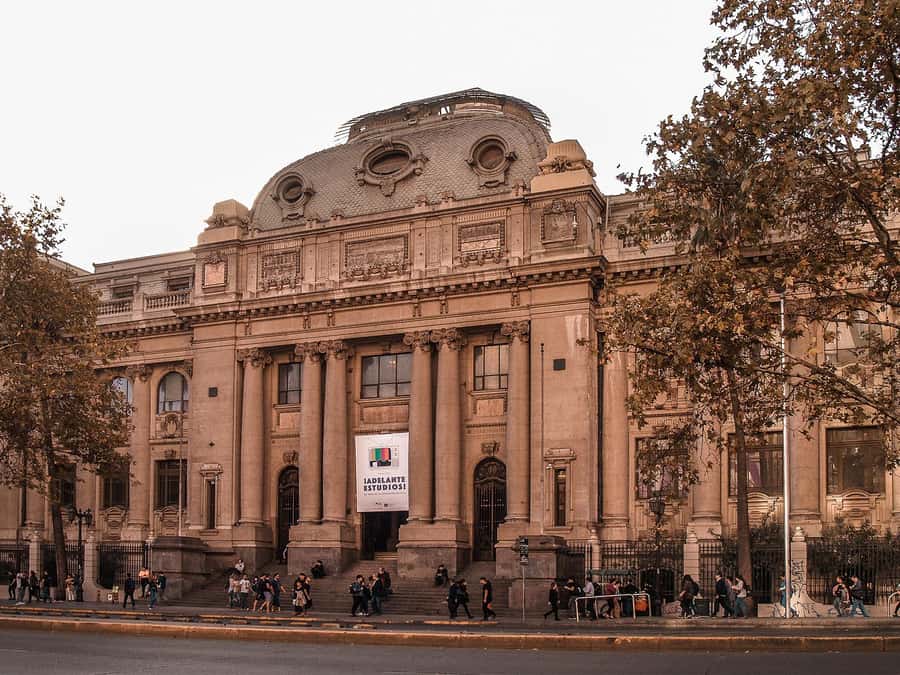
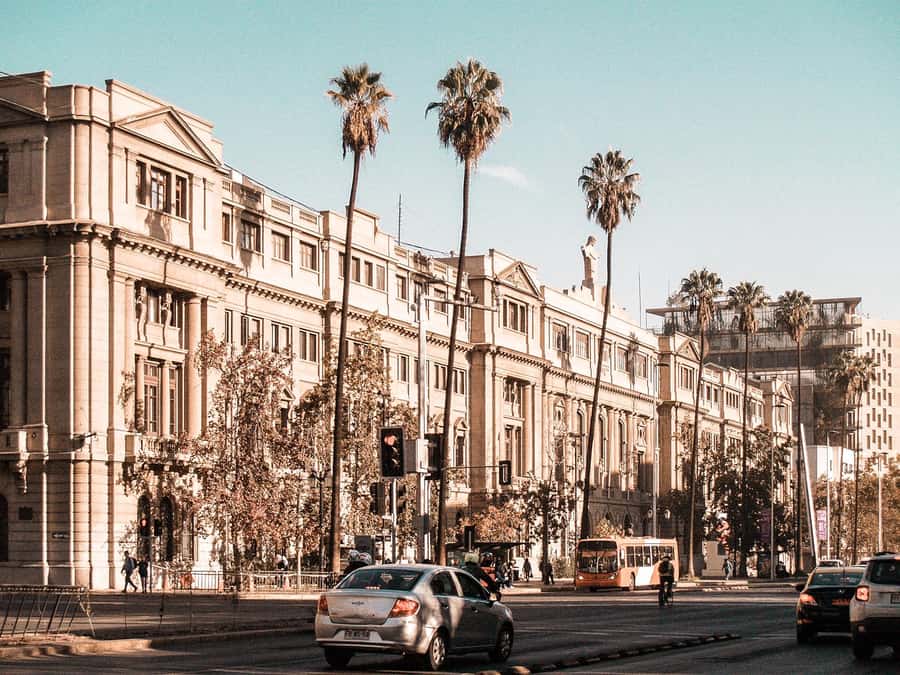
The tour includes Universidad Catolica de Chile, and this is a useful contrast point. Educational buildings often create their own kind of rhythm, and they also influence what surrounds them, from pedestrian flow to how space gets used.
Even if you are not into campus architecture, you will likely appreciate how the guide connects form to function. You will learn to look past just the appearance and ask what the design supports in daily life. That is also where the tour’s broader theme becomes clear: Santiago’s architecture is not random, it is shaped by the city’s needs during different periods.
This is also a nice segment if you like real-world context. Universities are not museum pieces. They are living places, and that makes architecture feel more relevant than purely historic building talk.
The other half of a Santiago week:
- Cable Car, Funicular and Sightseeing Bus in Santiago one day
★ 5.0 · 2,325 reviews - Small-Group Cajón del Maipo Full-Day Tour and Picnic
★ 4.5 · 2,277 reviews - Tour to Valparaíso, Viña del Mar, Pablo Neruda Museum and Vineyard
★ 5.0 · 2,273 reviews - Maipo Valley Wine Tour with 4 vineyards from Santiago.
★ 5.0 · 1,983 reviews
Cerro Santa Lucía, Views, Angles, and Why Place Matters
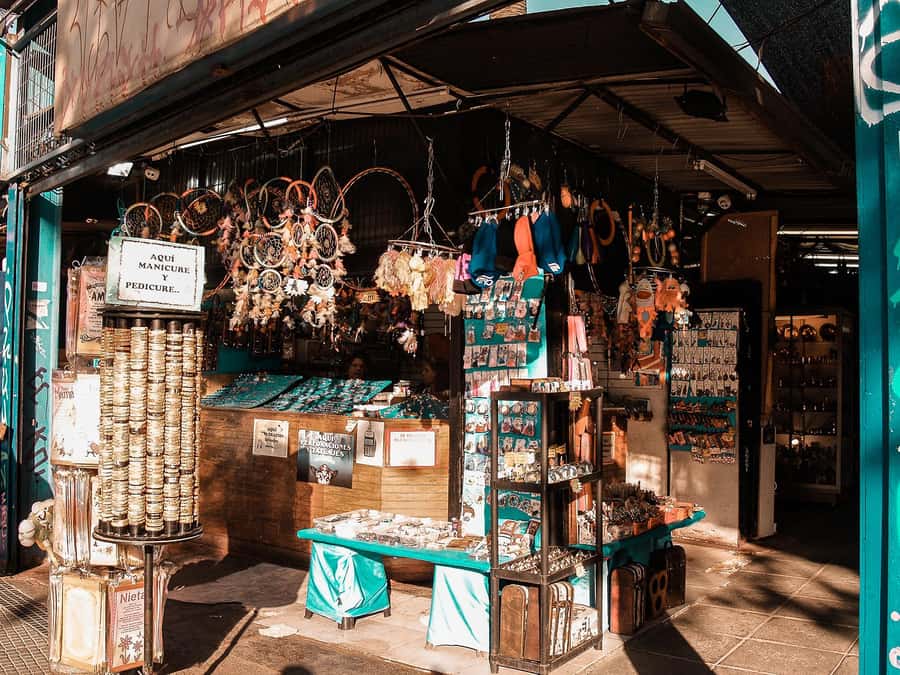
Cerro Santa Lucía is a stop that gives you more than a photo opportunity. It helps you read Santiago as a city built with geography in mind. When the route hits the hill area, the architecture and the streets around it start making more sense as a connected system.
I love this kind of stop because it naturally changes how you see everything behind you. From a higher vantage point, details that felt random on the street become part of a larger pattern. You also get a break from the constant street canyon feeling you get in flatter areas.
Downside? Hills mean your pace will feel more demanding, even if the tour stays reasonable. Bring comfortable shoes and plan to move for 3 hours total.
Iglesia San Francisco, Where Style and Society Intersect
Iglesia San Francisco is one of the iconic anchors on the route, and it is there for a reason beyond aesthetics. Diego uses stops like this to show how architectural style can reflect bigger shifts in Chilean life, including periods of political and social change.
This is also where the tour helps you avoid the common mistake of treating historic architecture like wallpaper. You start noticing choices that signal values, priorities, and identity. Even if you are not a history buff, the approach makes architecture easier to understand because you are learning the “why,” not just memorizing labels.
One practical note: churches can involve security or dress expectations in general. The tour itself adds a specific restriction of not wearing jewelry. If you want to avoid last-minute stress, leave jewelry at home so you can focus on listening and looking.
Barrio Paris-Londres, Details You Notice Only When Someone Points Them Out
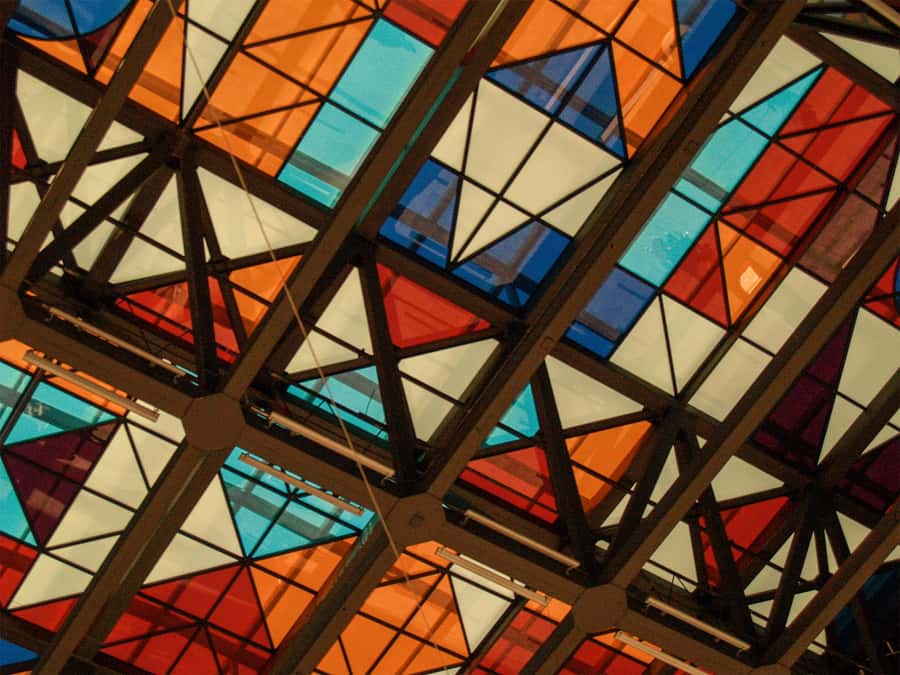
Barrio Paris-Londres is the kind of stop that makes the tour feel different from a basic downtown walk. The whole point is comparison. You see another neighborhood texture, another way buildings relate to street life, and another set of visual cues.
I like how the guide uses these contrast neighborhoods to teach you something quickly: your eye starts recognizing patterns. You learn to ask, What changed here? What stayed consistent? Why does this area feel different when you turn the corner?
And you do not have to be an architecture student. You can just show up and let the explanations reset how you look at what is in front of you. The tour is built for questions, so if you spot something odd, stop and ask.
La Moneda Civic Center Finale, Politics in the Center of the Map
The tour ends at Chile’s Civic Center in La Moneda, the presidential palace. This is a strong finish because it ties the entire walk together with one idea: architecture can be political, even when it looks like stone and structure from the outside.
As you approach the end point, the conversation tends to feel more grounded. You are still talking about architecture, but now you are also in a place where governance and visibility are part of the design. If you care about Chile’s political history, this ending will likely land with extra weight.
The tour does not include a ride back to your starting area, but public and private transportation are available just steps away. That means you can plan dinner or a next stop without feeling trapped.
Coffee, Restrooms, and Real-World Comfort
A 3-hour walking tour can sound simple, until you are actually in the city and need a break. This one includes coffee and restroom stops as needed, and the route has been planned and refined over more than five years. That matters because it reduces the awkward pauses where you do not know what is happening next.
The guide may also include practical add-ons like a bank or money exchange stop, depending on the day and timing. You should think of those as side benefits, not the main event.
Also, the tour includes multiple points where you can buy souvenirs. If you like taking home something small from each neighborhood, you will have chances without forcing it into every single break.
Price and Value: Why $59 Works for a 3-Hour Architect-Led Walk
At $59 per person for 3 hours, this is not a bargain the way some group tours are. But you are paying for the right ingredients.
First, you get a specialized guide with both architecture training and real-world guiding experience, plus the communication advantage of fluent English from a decade in the United States. Second, you get a route that has been refined for years, which usually translates to smoother timing and better pacing. Third, you are traveling in a small group limited to 8 people, so you are more likely to get your questions answered instead of being shuffled through a crowd.
If you love history, architecture, politics, or you simply want to understand what you are seeing in Santiago, this price starts to feel fair. If you only want quick photos and minimal explanations, you might feel like you could do a self-guided walk cheaper. Your best test is whether you want the building context, not just the building views.
Pacing, Shoes, Jewelry Rules, and Who This Tour Fits Best
This tour is a walking tour, so plan for active movement for the full 3 hours. Comfortable shoes are part of the deal. If you are used to museum seating and short legs, build in extra rest later.
There is also a clear restriction: jewelry is not allowed. This can be surprising, but it is easy to handle. If you normally wear necklaces or bracelets daily, consider switching to something you can leave behind for the day.
It is also not suitable for children under 10. The focus is adult-friendly discussion, and it works best when you can comfortably keep up with the pace and the conversation.
On the plus side, it is wheelchair accessible. That is important, because it means the tour is set up with mobility needs in mind, at least at the general level.
Should You Book An Architect’s Tour of Downtown Santiago?
Book this tour if you want more than landmarks. If you enjoy connecting buildings to history and you like asking questions while you walk, this is an efficient way to get your bearings in Santiago. The best reviews-style moments come from Diego Inzunza’s passion and how clearly he explains how architecture reflects political and social change.
Skip it if you want a purely relaxing, sightseeing-only stroll with zero structure. Also think twice if the walking distance feels like a problem for you, or if your group includes kids under 10.
If you are deciding on your first downtown day, this is a strong pick. It gives you context fast, then puts you in a better mood to explore the rest of Santiago on your own.
FAQ
How long is the architect’s tour of downtown Santiago?
The tour lasts 3 hours.
What languages are offered?
The live tour guide offers English and Spanish.
Where do I meet for the tour?
The meeting point is Plaza Baquedano, next to Teatro Universidad de Chile. The activity also lists Av. Providencia 43 as a starting location.
Where does the tour end?
It ends at Chile’s Civic Center in La Moneda, at the presidential palace area.
Is the tour suitable for children?
It is not suitable for children under 10 years old.
Is the tour wheelchair accessible?
Yes, the tour is wheelchair accessible.
Do I need any previous architecture knowledge or special equipment?
No. You do not need previous knowledge in architecture, and you do not need any equipment besides your desire to discover.
What should I bring, and what is not allowed?
Bring comfortable shoes. Jewelry is not allowed.
Can I cancel for a full refund?
Yes. Free cancellation is available up to 24 hours in advance for a full refund.
Freshly reviewed in Santiago
- Colchagua Full Day Wine Tour: Casa Silva & L’Apostolle Wineries★ 4.0 · 3 reviews
- Santiago De Chile Highlights Walking Tour with a Guide★ 5.0 · 3 reviews
- Santiago de Chile: Half-Day City Tour with Local Cuisine★ 4.5 · 3 reviews
- Portillo & Laguna del Inca with Lunch at the Hotel Portillo★ 5.0 · 3 reviews
- Cajon del Maipo & Embalse El Yeso Tour from Santiago★ 3.5 · 3 reviews
- Full day hike to the viewpoint of Condores, Cajon del Maipo★ 5.0 · 3 reviews
- Kayaking Day Trip in the Andes from Santiago★ 5.0 · 3 reviews
- Private Transportation from Santiago or Santiago Airport AMB to Valle Nevado★ 3.5 · 3 reviews
Santiago Tours, compared.

Valparaiso Port and Viña del Mar with Casablanca Wine Tasting
Read our review →
Cajon del Maipo/Embalse del Yeso Tour with Picnic
Read our review →
Vina Del Mar, Valparaiso, Casablanca & Reñaca Tour
Read our review →
Cable Car, Funicular and Sightseeing Bus in Santiago one day
Read our review →
Small-Group Cajón del Maipo Full-Day Tour and Picnic
Read our review →
Tour to Valparaíso, Viña del Mar, Pablo Neruda Museum and Vineyard
Read our review →
Maipo Valley Wine Tour with 4 vineyards from Santiago.
Read our review →