
Reviewed · FOOD & DRINK
Food Tour STGO, Eat like Locals!
This experience is interesting because it’s not just about eating in Santiago, it’s about doing it in the places locals actually use. You start around historic market energy, then shift to an old-school bar ritual, finish with Chile’s beloved sweet drinks and lucuma ice cream, and even wrap with lapis lazuli jewelry shopping in the center of town. Think food, city, and real routine.
I love that you get 10 food and drink tastings spread across at least 3 local spots, so the tour feels like a sampling journey instead of one long meal. I also like that the host, often Pablo, brings the food to life with stories tied to what you’re eating, and many people mention he’s especially good at making you feel safe while moving around.
One consideration: you’re walking through busy public areas and markets, and you’ll be trusting how the food handling is done at each stop. There is also at least one serious complaint in the mix about hygiene and refund handling, so it’s smart to ask a few direct questions before you start and confirm expectations with the operator.
Key things you’ll notice on this Santiago food tour
- 10 tastings across multiple neighborhoods, not just one restaurant stop
- Pablo’s local perspective, plus frequent mentions of great historical context
- La Piojera (founded 1896) and the must-try Terremoto cocktail
- Mercado Central’s iron architecture and central fountain, ideal for photos
- Mote con huesillo and lucuma ice cream, two classic Chile flavors
- Lapis lazuli jewelry shopping in the Plaza area, often cheaper than tourist zones
Why this Santiago food walk works for most people
Santiago can feel huge and complicated on your first day. This tour gives you a simple game plan: follow a local host, eat your way through iconic Chilean flavors, and let the city’s layout make sense as you go.
At $99 per person for about 3 hours, the value comes from how the tastings are distributed. You get enough variety to feel like you tried “real Santiago food,” but you’re not forced into one big, heavy meal that might not match your tastes. And because it’s a private tour, it’s easier to match pace and preferences to your group.
Also, this is one of the few food experiences that treats drinks and sweets as first-class citizens. You’re not only chasing empanadas or savory snacks. You’re also tasting Chile’s signature peach drink and its beloved lucuma ice cream, then heading into a historic bar for a classic cocktail.
That mix is the point. Chilean cuisine is deeply regional, but the way the country eats in the city often blends market snacks, hearty lunches, and sweet drinks in a daily rhythm. This route reflects that.
A few more Santiago departures to weigh up
- Santiago Half-Day Walking Tour with Hotel Pick up & Food Sample
★ 4.5 · 467 reviews - New Concha y Toro Tour Marques with class, extra tasting y food
★ 4.0 · 329 reviews - Street Food Tour in Santiago with a Local Guide
★ 5.0 · 27 reviews
Meeting up at the National Museum of Fine Arts, then moving smart
The tour starts at the National Museum of Fine Arts on José Miguel de la Barra 650, in central Santiago. The exact pin is Portal Fernandez Concha on Google Maps, which is handy because it keeps you from wandering around streets trying to guess where everyone meets.
From there, you spend your time in walkable sections of central neighborhoods. That matters because markets and bar stops feel best when you’re not crammed into a van. You also get better photos and more natural breaks between bites.
A practical note: it’s a 3-hour experience, but it can feel like longer if you slow down for conversation or photos. Many people mention Pablo takes lots of pictures, and in at least one case those photos were sent later via WhatsApp. If you want a clean, efficient “food and city highlights” day, this tour fits. If you want a slow wandering day, consider that markets can be crowded and loud.
La Vega Central into La Vega Chica: classic Chile for lunch
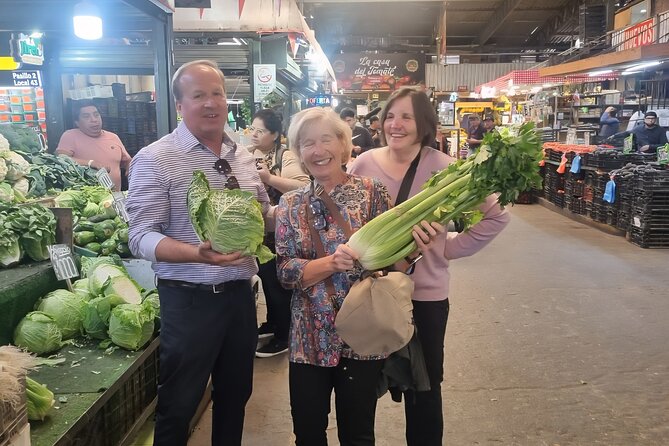
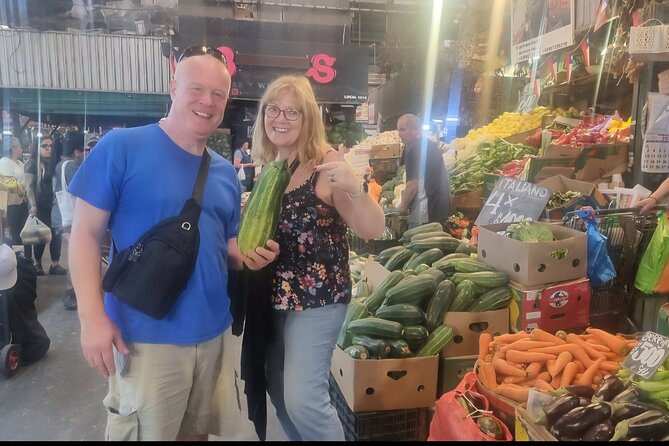
Your food journey gets going around the market area, with time to explore La Vega Central and sample local flavors. That early market time is where you start building your flavor map. You learn what “everyday” looks and smells like in Santiago, and you pick up context before the sit-down part of the tour.
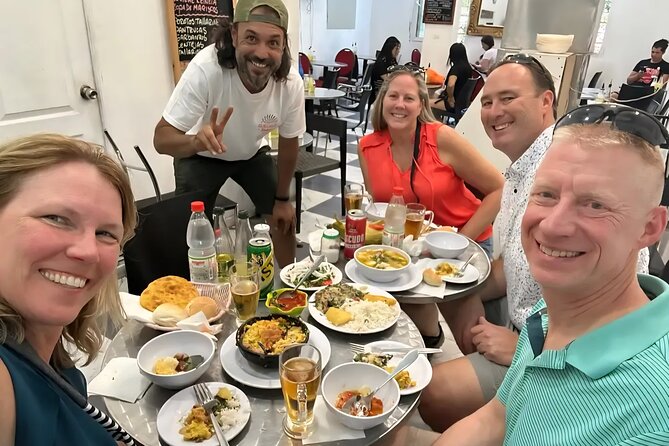
Then you head to La Vega Chica for a lunch break at one of the area’s most traditional and welcoming spots. This is your chance to slow down and eat more than snack-sized bites. The tour’s notes highlight classic Chilean dishes and locally sourced ingredients, and the lunch stop is paired with a local beer option or two.
What makes this stop valuable is pacing. The market portion can make your senses spin. By the time you reach La Vega Chica, you get a calmer moment to regroup, taste something more iconic, and recharge. If you’re the type who gets hangry quickly, this is a built-in solution.
Possible drawback: if you’re sensitive to crowded market conditions, arrive with a plan. Wear comfortable shoes and expect people close to you. This is not a slow museum stroll.
La Piojera, Terremoto, and the feeling of an old bar still alive
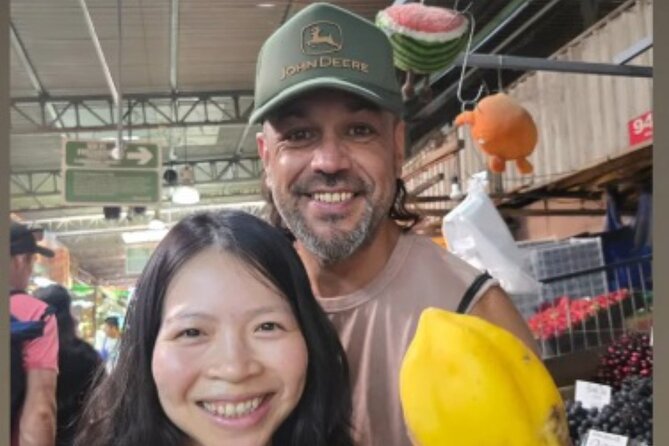
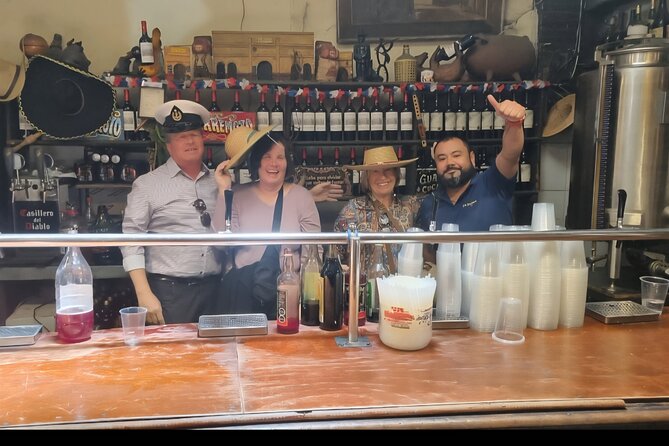
Next comes La Piojera, described as Santiago’s oldest bar, founded in 1896. The big reason people remember this stop is the atmosphere and the signature drink: the Terremoto.
A Terremoto is sweet, strong, and often served in a way that turns a simple tasting into a mini ritual. It’s the kind of drink locals treat as normal, not precious. On this tour, you’re supposed to experience it in that tradition, with music and laughter part of the setting.
Why this stop belongs on a food tour: Chile’s food culture includes drinks as a match to the moment. After market walking and lunch, a bar stop gives your palate a different lane to run in. Sweet hits different after savory, and it’s a fun way to mark the shift from “market day” to “city night energy,” even if it’s still daytime.
One small practical tip: if you don’t usually like sweet cocktails, tell Pablo early. A good guide will steer you toward what fits your preferences and help you understand what to expect from each drink.
The other half of a Santiago week:
- Valparaiso Port and Viña del Mar with Casablanca Wine Tasting
★ 5.0 · 6,110 reviews - Santiago: Cajon del Maipo/Embalse del Yeso Tour with Picnic
★ 4.3 · 3,789 reviews - Santiago: Vina Del Mar, Valparaiso, Casablanca & Reñaca Tour
★ 4.2 · 2,838 reviews - Cable Car, Funicular and Sightseeing Bus in Santiago one day
★ 5.0 · 2,325 reviews
Mercado Central’s ironwork, then Plaza time for the sweet stuff
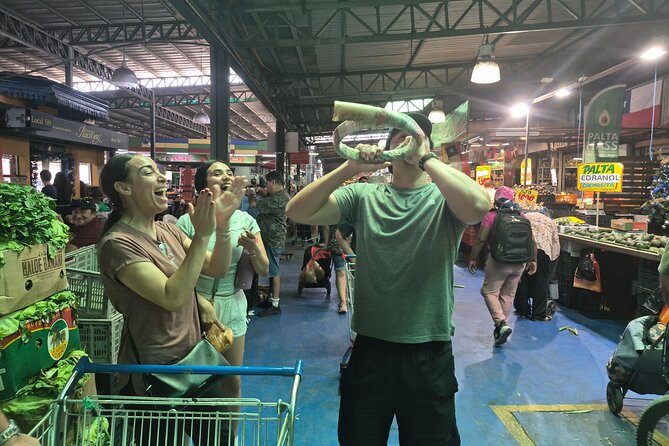
After La Piojera, you move toward Mercado Central, an architectural landmark made from an iron structure brought from England in 1872. This isn’t just a “walk by and grab photos” stop. The market’s central setting and fountain create a lively hub feel, and you get a chance to look closely at how the city organizes daily food life.
What I like about including Mercado Central here is that it’s visually rewarding even if you’re not a big shopper. You can slow your camera down, notice details, and then transition naturally into the final part of the tour where sweets take over.
Then comes Plaza de Armas, the heart of Santiago, where the tour leans into Chile’s famous comfort desserts and native flavors.
Two highlights here:
- Mote con huesillo
It’s a refreshing mix of cooked wheat and dried peaches served in a chilled sweet syrup. It’s a classic Chilean treat, and the cooling effect makes it feel especially good when the city is warm.
- Lucuma ice cream
Lucuma is a native fruit found only in Chile, and the tour frames it as caramel-like and smooth. If you think you hate fruit flavors in ice cream, this is one you should try anyway, because lucuma often reads as dessert flavor more than “fruit candy.”
This ending makes the tour feel complete. Savory lunch, bar ritual, market architecture, then dessert and shopping. It turns a simple tasting into a full-city loop.
Lapis lazuli shopping in the Plaza area, how to finish strong
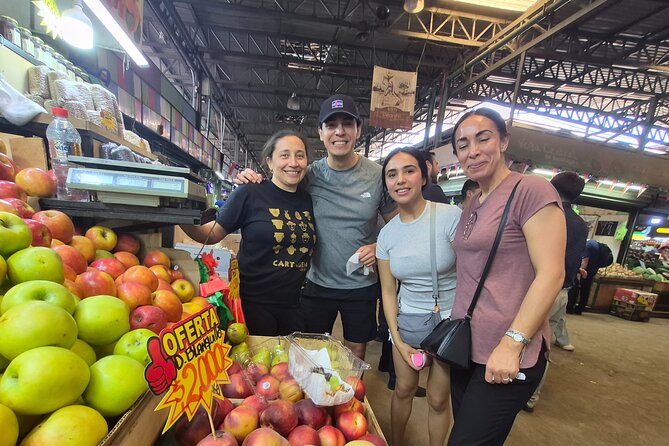
The final stop is a local jewelry gallery where artisans sell pieces made with lapis lazuli, Chile’s national gemstone. The tour’s notes also emphasize that prices can be nearly half of what you’d find in tourist areas or airports.
This is a smart way to end, because you’re not being pushed into a hard sell. You’re also not rushed through payment decisions right after a heavy meal. By the time you’re at the gallery, you’re already in “souvenir mindset.”
If you want to shop confidently, do two things:
- Look at multiple pieces, not just the first one that catches your eye.
- Ask the guide to help interpret what you’re seeing, since the tour is meant to be local and practical, not just promotional.
Even if you don’t buy anything, it’s a good cultural stop. Jewelry here is tied to local identity, not just decoration.
What you’ll actually taste, from humitas to Terremoto
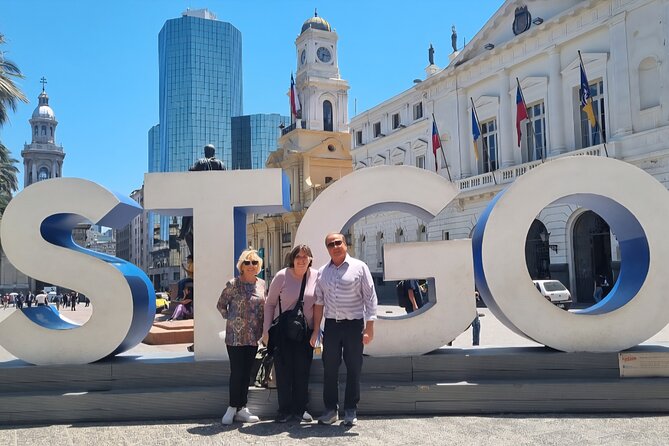
The tour is built around 10 food and drink tastings, including both classic must-haves and more typical city dishes. Based on the tour description and what people highlight, expect a mix like:
- Humitas (corn-based Chilean comfort food)
- Sopaipillas (fried dough often served with syrup or fillings)
- Empanadas (a Chilean staple people mention enjoying)
- Completo style items (a Chilean hot dog variation that shows up on the tasting list people remember)
- Huesillo peach drink style flavors, connected to the mote con huesillo experience
- Lucuma ice cream
- Terremoto cocktail at La Piojera
- Plus additional breads, fruits, cheeses, spices, stews, and corn items that fit the market theme
Here’s the practical way to think about it: you’re being fed a sampler of the Chilean pantry, especially the “market to lunch to dessert” cycle. It’s not a fine dining tasting menu. It’s street and local restaurant food done right, in the right order.
If you have strong preferences, say them early. For example, if you avoid very sweet flavors, you’ll want to steer your Terremoto and lucuma choices accordingly.
Pablo as a guide: food facts, photos, and keeping you moving safely
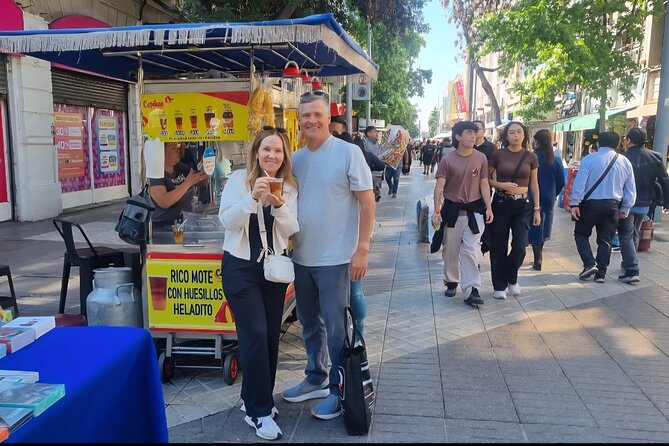
The recurring name in people’s experiences is Pablo. Across the positive accounts, he’s described as energetic and genuinely passionate about sharing food and city context. People also mention he explains history tied to what you’re eating, not history that feels stuck in a textbook.
There’s also a practical advantage that shows up more than once: he takes lots of photos. One group reported getting over 30 pictures sent to WhatsApp. If you want to focus on eating and walking without juggling your phone every five minutes, this is a real perk.
Safety matters too. Multiple people mention Pablo watched over their group while moving through the city. That’s especially important on a walking food tour because markets and bar stops have uneven foot traffic and sometimes crowded entrances.
That said, remember the earlier caution about hygiene complaints. If hygiene standards are a deal breaker for you, you should not feel shy about asking how food is handled and served.
Price and value: what $99 buys you in Santiago
Let’s talk value without hand waving.
At $99 for about 3 hours, you’re paying for four things:
- A guide to connect the dots between food, markets, and local culture
- 10 tastings, which is the backbone of the experience
- Access to multiple local spots, including a historic bar and a market area
- A “route plan,” which saves you time figuring out what to eat and where
If you tried to copy this on your own, you’d likely do some markets and some restaurants. But doing it well would take work: deciding what to eat, understanding what’s seasonal or iconic, and fitting sweets and drinks into the day naturally. The tour handles that sequencing for you.
You also get a private-group benefit. Even though the tour is social by nature, the experience is designed for only your group. That usually means fewer wait times and more room to ask questions.
So yes, for many visitors this is a good deal. You’re not paying for fancy plating. You’re paying for a local-led feeding tour with variety and cultural context.
Who should book this food tour, and who might want to rethink it
This tour is a great fit if you:
- Want a first-day food plan in central Santiago
- Like markets, bar culture, and dessert drinks, not just one type of food
- Prefer guided structure over searching for “the best empanadas” on your own
- Enjoy learning small cultural facts tied directly to what’s on your plate
It might not be the best fit if you:
- Are very picky about food handling or hygiene routines
- Hate crowded public spaces and close contact
- Want a quiet, sit-and-stay experience rather than moving through markets and the Plaza area
Should you book this Santiago food tour?
My take: book it if you want a local-feeling sampler of Santiago, especially if you’re excited about trying classic Chile tastes like mote con huesillo, lucuma ice cream, and the Terremoto at La Piojera. The route makes sense for a 3-hour window, and the multiple stops keep it from feeling repetitive.
If hygiene and food handling are your top priority, go in with clear expectations and ask direct questions at the start. And because communication can sometimes be messy between booking platforms and hosts, message the guide/operator directly so you know the meeting point and timing with confidence.
Overall, this is a strong choice for travelers who want more than a meal. You’re buying a guided day that teaches you how Santiago eats.
FAQ
How long is the Santiago food tour?
It runs for about 3 hours.
How many tastings are included?
The tour includes 10 food and drink tastings across at least 3 local spots.
What is the price?
The price is $99.00 per person.
Where do I meet the group?
You meet at the National Museum of Fine Arts, José Miguel de la Barra 650, Portal Fernandez Concha, Santiago.
Where does the tour end?
The tour ends at Pl. de Armas 976, Santiago, in the Plaza de Armas area.
Is this a private tour?
Yes. Only your group participates.
Can I cancel and still get a refund?
You can cancel for a full refund up to 24 hours before the experience’s start time. Free cancellation is offered under that timeline.
More Food & Drink in Santiago
- Inca Lagoon in Andes Mountain Range – Visit Local Vineyard with Tasting included
★ 5.0 · 1,897 reviews - Marquis de Casa Concha: Wine tasting in Concha y Toro
★ 5.0 · 1,086 reviews - Santiago: Concha y Toro Vineyard Tour w/ Transfer & Tasting
★ 4.2 · 455 reviews - Santiago: Maipo Valley Wine Tasting Tour with 4 Vineyards
★ 4.8 · 450 reviews
Freshly reviewed in Santiago
- Colchagua Full Day Wine Tour: Casa Silva & L’Apostolle Wineries★ 4.0 · 3 reviews
- Santiago De Chile Highlights Walking Tour with a Guide★ 5.0 · 3 reviews
- Santiago de Chile: Half-Day City Tour with Local Cuisine★ 4.5 · 3 reviews
- Portillo & Laguna del Inca with Lunch at the Hotel Portillo★ 5.0 · 3 reviews
- Cajon del Maipo & Embalse El Yeso Tour from Santiago★ 3.5 · 3 reviews
- Full day hike to the viewpoint of Condores, Cajon del Maipo★ 5.0 · 3 reviews
- Kayaking Day Trip in the Andes from Santiago★ 5.0 · 3 reviews
- Private Transportation from Santiago or Santiago Airport AMB to Valle Nevado★ 3.5 · 3 reviews
Food & Drink, compared.

Valparaiso Port and Viña del Mar with Casablanca Wine Tasting
Read our review →
Inca Lagoon in Andes Mountain Range – Visit Local Vineyard with Tasting included
Read our review →
Marquis de Casa Concha: Wine tasting in Concha y Toro
Read our review →
Santiago Half-Day Walking Tour with Hotel Pick up & Food Sample
Read our review →
Concha y Toro Vineyard Tour w/ Transfer & Tasting
Read our review →
Maipo Valley Wine Tasting Tour with 4 Vineyards
Read our review →
New Concha y Toro Tour Marques with class, extra tasting y food
Read our review →Browse the lists this tour appears in