
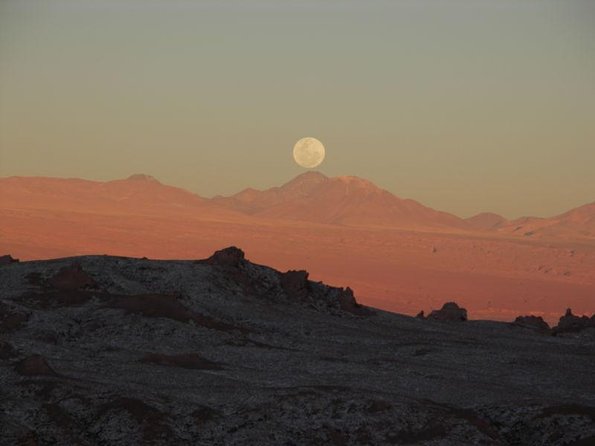
Reviewed · MOON VALLEY
Moon Valley Tour from San Pedro de Atacama
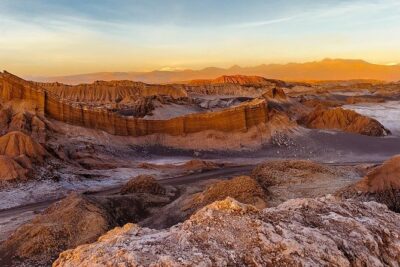
Moon Valley is the kind of place that makes your brain go, wait, what planet is this on. This short sunset tour from San Pedro de Atacama takes you through the Valle de la Luna scenery, starting with the Salt Mountain Range and ending with golden light over the dunes.
I really like that the tour gives you more than photos. You get a guide-led look at the desert formations, plus an onsite exhibition that helps you understand the geology and ecology you are seeing. I also like the timing, with the main dune viewpoint set up specifically for sunset glow.
One thing to consider is that the experience depends heavily on your guide’s clarity and the group pace. If you need lots of detailed commentary in English, plan to ask questions in the moment, because some days can feel more rushed than you expect.
Key highlights worth knowing
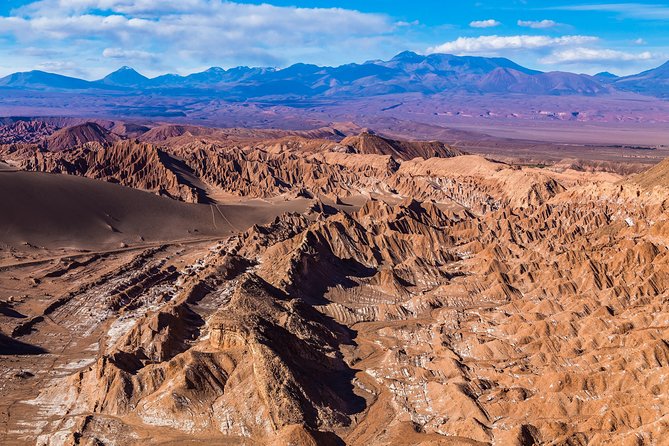
- Cordillera de la Sal sunset base: You start in the Salt Mountain Range with views tied to the Mars and Moon valley look.
- Onsite Valle de la Luna exhibition: Before you start walking, you get context on geology and the local environment.
- Salt caves and formation stops: You visit a cave area, then move through the signature features of the valley.
- Climb a sand dune for the payoff: The walk requires average fitness since you will be on sand and climbing.
- Coyote Stone is the money stop: You wait there for sunset, when the valley turns orange and dramatic.
- You pay the entrance fee separately: Valle de la Luna entry is not included, so bring cash.
Moon Valley at Sunset, why this half day feels special
San Pedro de Atacama has a lot of desert tours, but the Moon Valley setting is different in one key way: the scenery is so sculpted and pale that light really changes everything. During a sunset tour, the ground textures stop looking flat and start looking carved. That glow matters, because Moon Valley is about form, shadows, and that eerie near-surface look.
This outing also works well if you do not want a full day. You are out for about 4 to 5 hours, and you spend the majority of that time in the actual valley and surrounding viewpoints, not stuck on endless transfers.
The “protected sanctuary” piece is not just marketing. Valle de la Luna is managed and walked in a certain way, so you are not wandering wherever you want. The route is designed to get you the signature sites without turning the place into a free-for-all.
More ways into the Valle de la Luna:
- San Pedro de Atacama: Valle de la Luna Guided Tour
★ 4.4 · 312 reviews - Half Day Tour to Valle de la Luna
★ 5.0 · 307 reviews - Valle de la Luna (Moon Valley) from San Pedro de Atacama
★ 4.5 · 145 reviews
Price and the entrance fee math (what you should expect to pay)
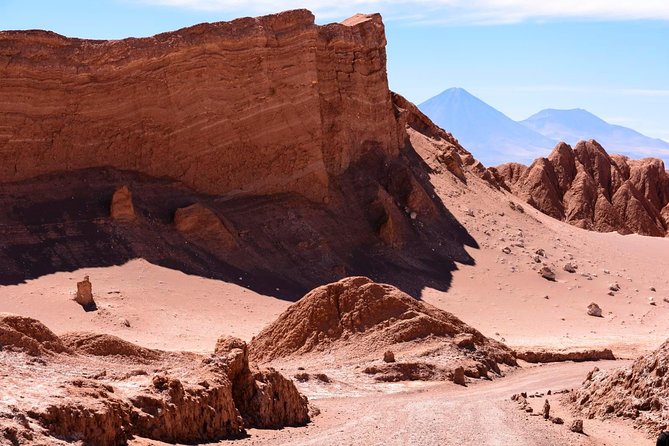
The tour price is listed at $51.00 per person and includes pickup and drop-off in the city centre area, plus transport and a professional guide. That is a solid base price for a guided sunset excursion, especially in a remote area where logistics can eat time.
But there is an important add-on you need to plan for: the Valle de la Luna entrance fee is CLP 10,800 per person, and it is not included. The tour also says you should bring cash for that payment.
So your total cost is roughly the tour price plus the entry fee. If you are budgeting, do not assume the $51 covers admission. It usually will not, and the group can lose momentum if people scramble at the gate.
Getting to the desert, pickup windows, and what to wear
Tours start at 3:30 pm. Pickup is scheduled in two seasonal windows: 15:00 to 15:40 in summer, and 14:30 to 15:10 in winter. That means you should be ready a bit earlier than you think, and you should double-check your pickup details at booking. The operator notes that the hotel pickup and drop-off are included only for hotels near town, and you must provide the correct hotel information.
You will be walking on sand, and the day gets colder at night even if the afternoon felt warm. The tour recommends practical gear:
- trekking shoes and socks
- comfortable trekking pants
- a windbreaker or jacket
- gloves
- water, sunscreen, and sunglasses
My rule for this part: dress like you are going for a short hike, not like you are going to an outdoor bar at sunset. Sand underfoot can surprise you, and the wind can make it feel colder than the temperature says.
Also, bring cash for the entrance fee. If you forget, you might get delayed, and sunset does not wait for anyone.
Cordillera de la Sal: the warm up in the Salt Mountain Range
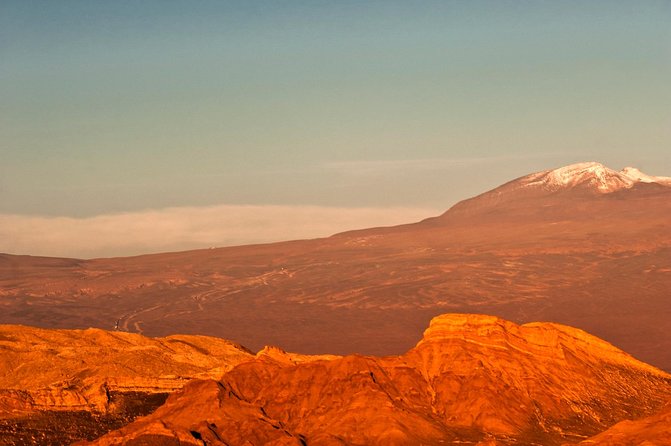
The first major stop is in the Cordillera de la Sal, the Salt Mountain Range. This is where the tour sets up the big theme: saline formations and desert sculpting from water and wind.
The route includes a short stop to admire the unearthly landscape, then you continue to the main area. Expect dramatic “Valley of Death” style views. The descriptions emphasize how these shapes resemble a lunar or Martian surface, and the guide should connect that look to the long geologic shaping of the range.
This stop also matters because it tunes you into what you are going to see later. If you have never been here, Moon Valley can feel like one big pale expanse at first glance. Cordillera de la Sal helps you learn what cues to look for, like how depressions, ridges, and canyon-like cuts change under sunlight.
One practical consideration: the tour lists about one hour for this phase, and at sunset tours, time is always tight. If you want extra photos, take them early, before the group starts moving.
A few more San Pedro de Atacama departures to weigh up
- San Pedro de Atacama: El Tatio Geysers Tour
★ 4.7 · 943 reviews - Tour to the Hidden Lagoons of Baltinache
★ 5.0 · 694 reviews - San Pedro de Atacama: Etno-Stargazing Tour with Transfer
★ 4.8 · 629 reviews - Piedras Rojas, Altiplanics Lagoons & Salar Full-Day Tour
★ 4.7 · 592 reviews
Valle de la Luna museum and the small-cave stop
Once you enter Valle de la Luna, the day shifts from “viewpoint viewing” into “learn while you walk.” You pay the entrance fee, then you spend time at an onsite exhibition.
This is genuinely useful. A lot of desert tours skip the meaning and just give you the scenery. Here, you should get a clearer sense of how the desert features connect to physical history and ecology. Even if you only catch part of the explanation, it makes later stops feel less random.
After the exhibition, the tour goes to a small cave to explore a formation. This is one of those stops where the guide’s approach can make a big difference. If your guide explains what makes a salt cave form, you will start noticing details you would otherwise miss, like how the materials look different when you change distance and angle.
This phase is not about big walking distances. It is about understanding why the valley looks the way it does.
Salt caves, Las Tres Marias, and the amphitheater flow
In the main Moon Valley section, you visit several signature features. The tour description highlights:
- salt caves
- the salt statues Las Tres Marias
- the amphitheater
- the central sand dune
Think of this as a sequence of “pause and look” points. Caves give you close texture and shadow. Tres Marias gives you a landmark shape, which helps you orient in the wider valley. The amphitheater is another natural form that changes how sound behaves and how people cluster, and it usually becomes a natural photo spot.
You also hear the timing goal: you are building toward sunset. The valley can feel busy because it is popular and visually dramatic, so having the route planned helps keep the day from becoming chaotic.
If you get a guide who is comfortable explaining, this segment can turn from sightseeing into real understanding. If your guide is more focused on logistics than narration, you may feel like you are moving from stop to stop without grabbing the “why.”
For that reason, I suggest you ask one question early, like what process created the salt shapes you are seeing. Then you will have a frame for everything else.
The big sand dune climb: what “average fitness” really means
After the main valley features, the tour includes a dune climb and a viewpoint setup for sunset. The climb is described as requiring average physical fitness, and you will be walking on sand.
Here is the honest way to prepare: average fitness does not mean easy. Sand adds resistance. It slows your pace, and it can tighten your calves and ankles if you are not used to it. The tour also notes that you should wear trekking shoes and plan for sand walking.
Some days also feel gusty. Wind plus sand means you want gloves and a windbreaker, not just a light jacket. If you get to the dune and you are already tired, you will enjoy it less, even if the view is fantastic.
If you have doubts, pace yourself. Go slow. Stop briefly to catch your breath and keep your footing stable. Your reward is the sunset angle, when the gentle curves of the desert get an orange glow and the whole valley looks sculpted rather than flat.
Coyote Stone sunset: how to enjoy the main show without stress
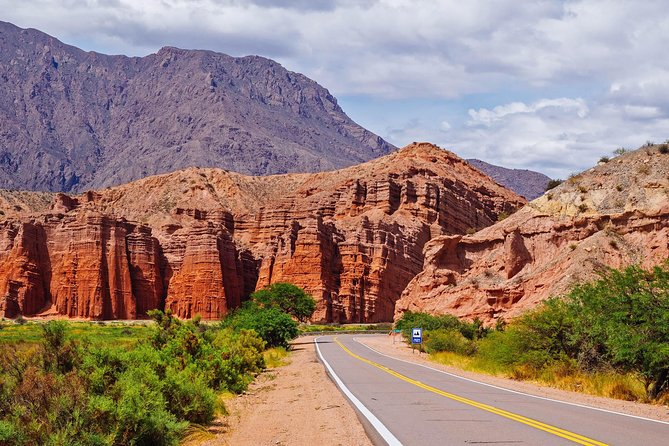
The day’s peak moment is the wait for sunset at Coyote Stone. This is where the tour positions you so you can watch the sun drop and see how the valley’s tones change.
In plain terms, you are waiting in open desert with a lot of photographers. That is part of the experience. The group typically moves where the best sightline is, and you then get time to watch colors deepen as the horizon darkens.
What makes this stop work is not just the view. It is the contrast between the pale ground and the warmer sunset light. Shadows stretch, ridges pop, and the valley starts looking like it could be from another planet.
A practical tip: bring your warm layer even if you start out in afternoon sun. Late in the day, wind can cut through quickly. Also, keep sunscreen and sunglasses handy. Bright desert light can keep bothering you longer than you think.
Guide quality and group rhythm, how to get more value
This tour is only as good as your guide and your group pacing. The tour provides a professional guide, and when you get a strong communicator, the explanation pulls the whole trip together. You should come away knowing what the Salt Mountain Range forms are, what creates the valley features, and why the sunset transforms the view.
From what I can see in the guidance style and feedback patterns from the area, guides can vary. Some are excellent at English commentary and group engagement. Others focus more on movement and time checks.
To protect yourself, do two simple things:
- Ask one question at the start about the geology or what you are looking for in the views.
- If language is a concern, use your time waiting at viewpoints to ask follow-up questions one-on-one when you can.
Also, do not treat this like a private hike. The tour is capped at a maximum of 15 travelers, which is a reasonable size, but it is still a group. You will have to accept that you might not linger everywhere.
That said, when everything clicks, the combination of viewpoints, cave exploration, and a dune sunset finale is a very efficient way to see Valle de la Luna without spending extra days.
Who this tour fits best, and who might want a different plan
This is a strong fit if you want:
- a quick sunset-focused visit to Moon Valley
- guided context on geology and the local setting
- a manageable duration with hotel pickup and transport
It is also a good choice if you do not want to figure out entrances, routes, and timing on your own.
I would rethink it if:
- you need a very slow, deep walking pace with lots of time at each site
- you want the kind of geology lecture that fills every minute
- you are sensitive to hills or sand walking, since the dune climb is a real part of the show
If your top priority is still photos and you hate crowds, you might consider visiting at a different time or adding a self-guided slot. But if your priority is the coordinated sunset experience, this tour is built for that.
Should you book the Moon Valley Tour from San Pedro de Atacama?
I think you should book this tour if you want the classic Moon Valley experience but with a guide to connect the dots, plus a sunset payoff that is timed around the best viewing point. The value is strong because the $51 covers transport, guide, and pickup, and the total cost stays reasonable once you add the CLP 10,800 entrance fee.
Skip it or go in with eyes open if you expect lots of detailed narration at every stop. Also, if you know you cannot handle sand walking, adjust your expectations. You will be on your feet, and you will climb.
If you book, prepare for the basics: wear trekking shoes, pack warm layers, bring gloves, and have the entrance fee cash ready. Do that, and you will spend your time watching the desert change color, which is the whole point of going.
FAQ
What time does the Moon Valley Tour start?
The start time is 3:30 pm.
How long is the tour?
It runs 4 to 5 hours approximately.
Is hotel pickup included?
Yes, hotel pickup is included, with pickup from 15:00 to 15:40 in summer and 14:30 to 15:10 in winter. Drop-off is at city centre, and pickup is included only for hotels near the town.
What is the entrance fee for Valle de la Luna?
The Valle de la Luna entrance fee is CLP 10,800 per person, and it is not included in the tour price.
Do I need cash for the entrance fee?
Yes. The tour notes that you should bring cash to pay for entrance fees.
What should I wear and bring?
Wear comfortable clothes like trekking pants, socks, and trekking shoes for walking on sand. Bring a windbreaker or jacket, gloves, and also water, sunblock, and sunglasses.
How physically demanding is the dune climb?
You should have moderate physical fitness. You will be walking on sand and climbing a dune, and it is not described as extremely hard, but it is definitely not flat.
How many people are on the tour?
The tour has a maximum of 15 travelers.
What happens if the tour is canceled due to weather?
This experience requires good weather. If it is canceled due to poor weather, you are offered a different date or a full refund.
Freshly reviewed in San Pedro de Atacama
- Route of the Andean salt flats★ 5.0 · 3 reviews
- From San Pedro de Atacama: Tatio Geysers and Machuca Tour★ 4.0 · 3 reviews
- Purilibre Trekking: Disconnection and Nature★ 5.0 · 3 reviews
- Rainbow Valley Tour, Yerbas Buenas Petroglyphs – Half Day Tour★ 3.5 · 3 reviews
- From San Pedro de Atacama: The Salt Flats Route, Full Day★ 3.7 · 3 reviews
- Valle de la Luna: A Moon-Like Escape in Atacama★ 5.0 · 3 reviews
- From San pedro de Atacama / Tatio Geyser★ 1.7 · 3 reviews
- Piedras Rojas, Altiplanics Lagoons & Salar Full Day Tour★ 4.4 · 3 reviews
Moon Valley, compared.
Valle de la Luna (Moon Valley) from San Pedro de Atacama
Read our review →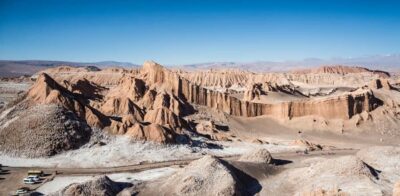
Small-Group Tour to Moon Valley from San Pedro de Atacama
Read our review →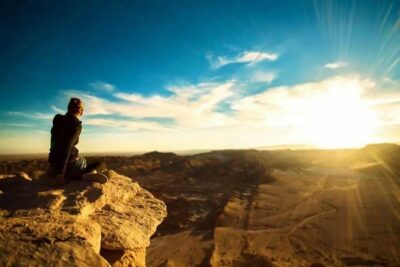
Browse the lists this tour appears in