
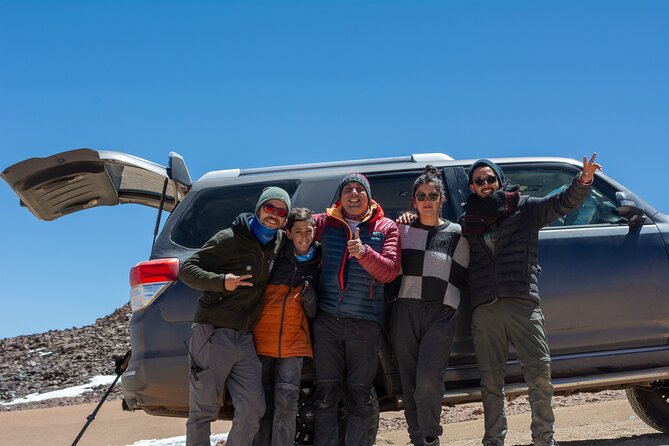
Reviewed · SAN PEDRO DE ATACAMA TOURS
Ascent to the extinct Cerro Toco Volcano at 5600 meters high
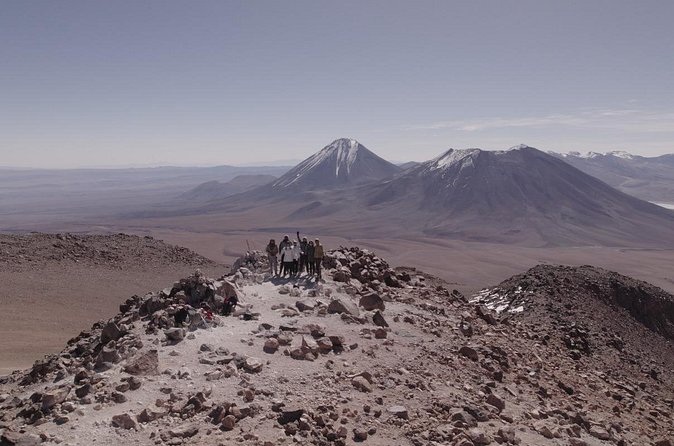
Cerro Toco is interesting because it is an extinct volcano climb right in the Atacama, with big-altitude effort and then a 360-degree summit view over nearby peaks like Sairecabur and Licancabur. I like that this is built as a focused half-day outing, about two to two and a half hours of walking for most of the ascent, so you feel you earned the top without losing your whole day.
My favorite part is the way the operator supports you on the hard part of the journey. The tour includes canes and gloves, and the guides tend to be hands-on, like JP who looked after everyone (and even returned a forgotten scarf to a hotel) and Carlos who kept motivation up during the toughest stretches. The main drawback is altitude: this is not recommended unless you have already acclimatized, and you can expect breathlessness, dizziness, or a strong heart-pounding climb if your body is not ready.
Key points to know before you go
- Extinct volcano summit near 5600 m with a wide view over Sairecabur, Licancabur, and Bolivia lagoons
- Short, timed hike with about 2 to 2.5 hours of climbing from the base around 5200 m
- Small group size (max 6), which usually helps pacing on steep, thin-air terrain
- Included hiking comfort items like canes and gloves, but boots cost extra
- Real altitude requirement: do not treat this as a casual walk if you have not acclimatized
- Guides can make or break the experience, and names like JP, Carlos, and Bastien show the level of care you may get
Cerro Toco to about 5600 m, and why it feels so worth it
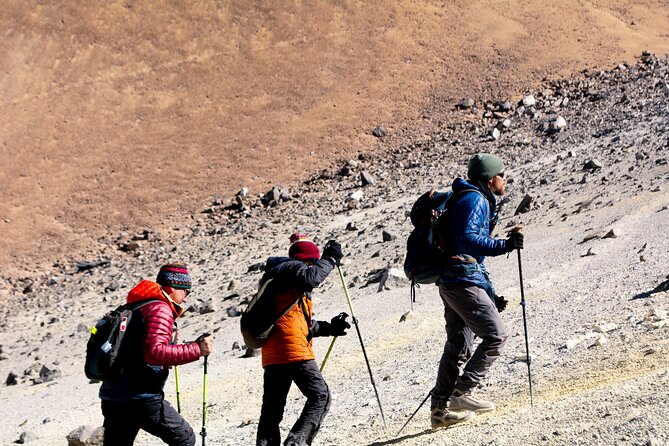
Cerro Toco tops out around 5600 to 5604 meters, and that number matters more than it sounds. At this height, the hike is as much about pacing and breathing as it is about leg power, and that is why people come back saying they feel a real personal achievement.
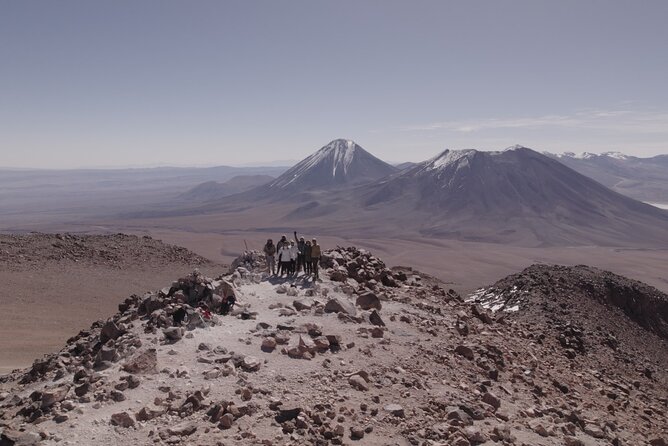
From the top, you are not just looking at one peak. You get a 360 view that includes nearby volcanoes Sairecabur and Licancabur, plus the lagoons of Bolivia in the distance. In a place like San Pedro de Atacama, those views are the payoff, because the terrain is so open and the sky so clear when conditions are good.
This is also one of those trips where the “extinct volcano” detail makes sense in real life. You are climbing a volcanic form, but you are not dealing with active hazards like eruptions. What you are dealing with is weather and altitude, especially since the operator notes the experience depends on good conditions.
A few more San Pedro de Atacama departures to weigh up
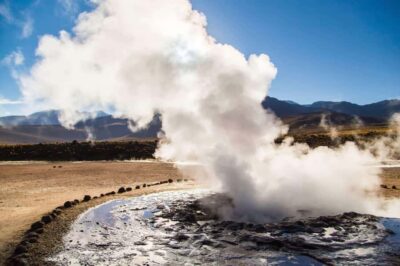
- San Pedro de Atacama: El Tatio Geysers Tour
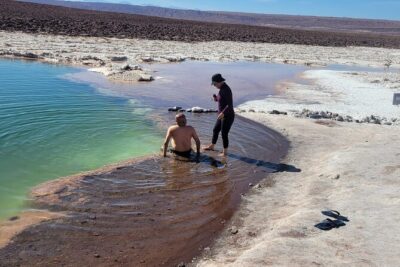
★ 4.7 · 943 reviews - Tour to the Hidden Lagoons of Baltinache
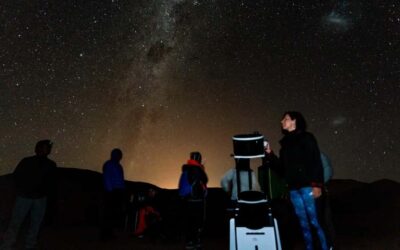
★ 5.0 · 694 reviews - San Pedro de Atacama: Etno-Stargazing Tour with Transfer
★ 4.8 · 629 reviews
Morning logistics in San Pedro de Atacama: pickup, vehicle, and timing
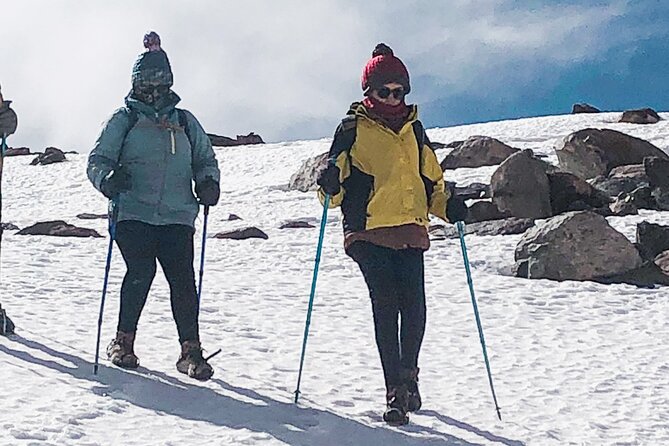
This is a morning tour, with pickup offered from your hotel between 7:30 AM and 8:00 AM. You do not need to stand outside waiting at a set street corner, since the guide picks you up and you will get a message if anything changes.
The day starts by taking passengers to hostels first. Then you head up the road toward the base of Cerro Toco at about 5200 meters above sea level. Practically, I like this approach because it reduces the odds of someone being left behind, and it also keeps the group together once you start walking.
The total experience runs about 5 hours. That fits well if you want a serious hike but still want the rest of the day for other Atacama plans, like visiting town or doing another shorter activity.
One practical note: this tour is booked on average about 19 days in advance, and it has a small maximum of 6 travelers, so if you are traveling during peak season, you will do yourself a favor by booking early.
The climb from the base around 5200 m: pace, effort, and acclimatization reality
You start walking from roughly 5200 m, after the guide explains how the ascent will go. The climb time is typically 2 to 2.5 hours, and it is adjusted depending on acclimatization and physical condition. That matters because this is not just a “follow the leader” hike. You want your pace to match your breathing, not the fastest person in the group.
If you are acclimatized, you can treat it like a steady uphill hike with rests. If you are not, expect your body to fight you a bit. The supplied experience details do not promise an easy climb, and the reviews back that up with stories of breathlessness and dizziness even from people in good shape. In plain terms, thin air can turn a climb into a heart-and-lungs workout.
The good news is that the tour provides canes. You can use them for stability and to reduce strain on the knees during the steeper parts. If you have never used trekking poles or canes before, the time on the hike is enough to learn fast, but do make sure you know how to place them so you do not rely on them too late.
Also, remember that the guide is walking with you and planning for your group’s condition. One review highlighted Carlos keeping a motivated pace and helping people reach the summit despite dizziness and pounding heart. That kind of coaching is exactly what you want when altitude starts playing games with your head.
The summit experience: what you actually see at 5600 m
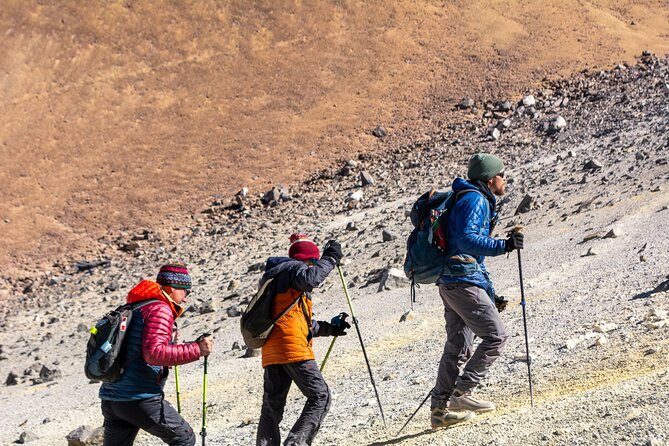
Reaching the summit is the moment where the whole effort clicks. At Cerro Toco’s top, you get a 360 view of the volcanoes and the distant features around the region.
You will see Sairecabur and Licancabur, and if visibility is good you will also catch sight of the lagoons of Bolivia. Those names are not just trivia. They are the landmarks that turn a hard hike into something meaningful, because you can orient your view instead of just staring at a blank horizon.
The sense of accomplishment also tends to hit differently at altitude. One person described Cerro Toco as the hardest but most rewarding experience they have had, reaching about 5604 meters. Another experience praised the summit as unique and made for a personal record.
If you get to the top and feel your breathing is still rough, that is normal. The goal is not to sprint around for photos. The best strategy is to take a moment, let your breathing settle, then enjoy the view at your own speed.
The other half of a San Pedro de Atacama week:
- Piedras Rojas, Altiplanics Lagoons & Salar Full-Day Tour
★ 4.7 · 592 reviews - The Roofless Experience San Pedro de Atacama Stargazing Tour
★ 5.0 · 522 reviews - Half Day Tour to Geysers del Tatio
★ 5.0 · 499 reviews - San Pedro de Atacama: Stargazing Experience
★ 4.7 · 489 reviews
Descending slowly: why the way down matters
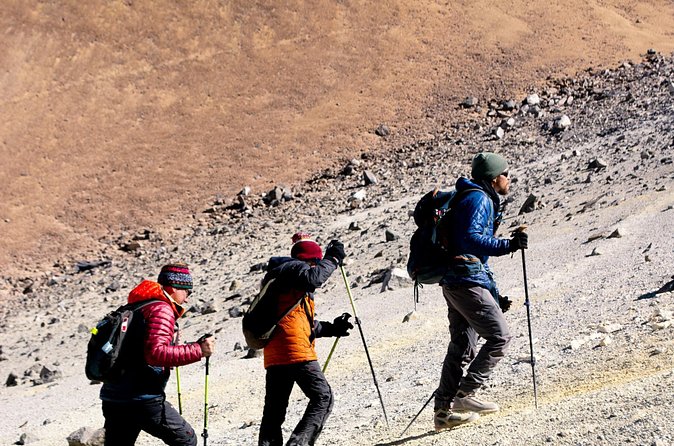
After the summit, you descend slowly and return to San Pedro de Atacama. Going down is usually easier in terms of breathing, but it can be harder on your legs if you rush or if you are tired.
This is another reason I like the “slow descent” approach. It usually helps you avoid slips, and it reduces the chance of leg fatigue that ruins the rest of your day. Plus, you will want enough energy left to get back to your hotel without feeling like you got hit by a truck.
The included canes can still help on the descent, because controlling your steps matters more when your calves and thighs start to feel heavy.
Gear, comfort, and the $45 boots detail you should not miss
The price includes air-conditioned vehicle, canes, and gloves. That is a solid set of inclusions for a high-altitude hike, because comfort tools can help you get through the ascent with less stress.
But boots are not included. The listing info says you can rent boots for $45 USD. If you do not already have proper footwear, this is a key cost to factor into your budget. It is also a key factor in safety and comfort, because sloppy shoes at altitude turn the descent into a problem faster than people expect.
Gloves are included, so you should not need to budget for them. Still, you might want a backup plan if you tend to lose gloves or you prefer a specific thickness. The tour gives you a start, but your body comfort matters.
One more practical thing: you will be hiking at altitude, so the “right” clothing is more about layers and wind protection than style. You do not need to pack like an expedition, but you should plan for cold and changing conditions, and confirm with the operator what they recommend for the season you travel.
Guides and group size: why max 6 can matter at altitude
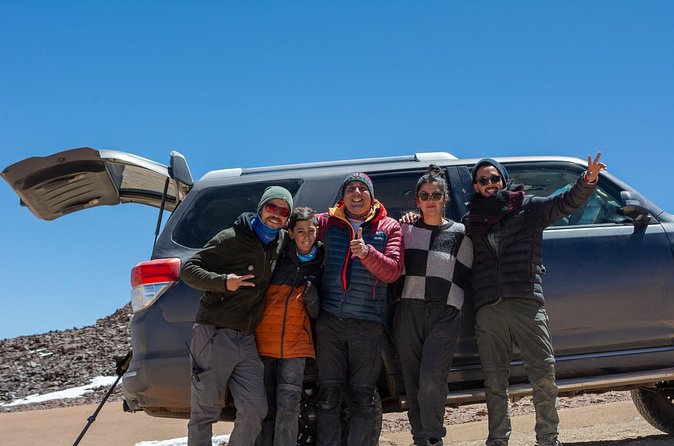
This experience caps the group at 6 travelers, and that small size makes a difference. In a high-altitude hike, you want your guide to be able to watch everyone’s pace, not just keep moving forward with the fastest walkers.
The reviews highlight guide support in a very personal way. JP was praised for really looking after everyone, including being the kind of person who tracked down a forgotten scarf and delivered it to a hotel. Carlos was described as awesome and motivating when the climb felt physically brutal. Bastien was called experienced, pedagogical, and attentive, which is exactly what you want when your body starts sending altitude signals.
Even if your guide name ends up different, you can take this as a sign that the operator assigns guides who pay attention. That matters because at 5200 m and up, the mental part of “can I keep going” is as important as the physical part.
Price and value: is $130 for 5 hours a good deal?
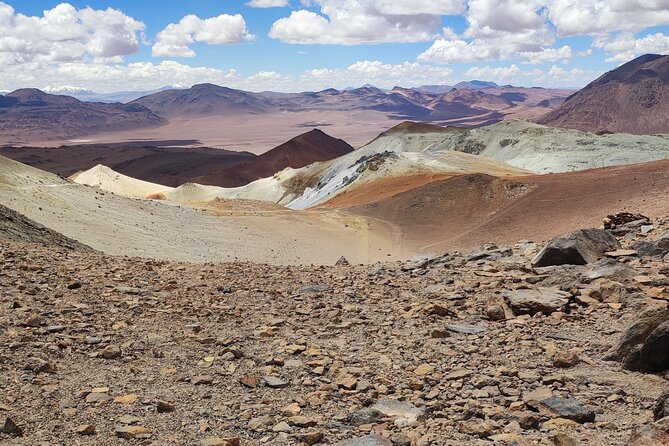
At $130 per person for roughly 5 hours, you are paying for a guided high-altitude hike, transportation by air-conditioned vehicle, plus equipment support with canes and gloves.
Is it cheap? No. But in San Pedro de Atacama, the value logic is usually simple. You are paying for logistics plus safety plus the summit viewpoint payoff. A guided ascent to around 5600 m is not something you just wing with random supplies, and that is where this price starts to make sense.
What can change the real cost is boots. If you need rentals, add $45 USD. If you already have boots, you keep the price closer to what you first see.
I also like that this tour is offered in English and includes hotel pickup, which reduces the hassle of coordinating another transportation plan. For many visitors, that peace of mind is worth something.
Finally, the rating is strong: 4.7 out of 5 based on 6 reviews. Small sample sizes can exaggerate results, but it still suggests people are leaving happy.
Who should book Cerro Toco, and who should think twice
You should seriously consider this hike if you have moderate physical fitness and you have already acclimatized. The tour information says it is not recommended without acclimatizing, and the reviews include direct experiences of breathlessness and dizziness, including from people who were in good shape.
You might think of this as a hike that feels like a personal challenge, not a stroll. If your goal is quiet sightseeing, you might be disappointed. If your goal is earned views, you will probably like it.
If you are new to altitude, have breathing or heart concerns, or you are unsure you acclimatized well enough, you should not treat this as a trial run. You will get more satisfaction by doing acclimatization activities first, then returning when your body is ready.
Because the group is small and the guide adjusts pace, this also suits people who want a guided experience but do not need a large crowd around them. It can feel friendlier and more manageable with only a handful of people.
Should you book Molantur’s Cerro Toco climb?
If you want a high-altitude goal in a half-day format, this tour is a good fit. The summit views toward Sairecabur, Licancabur, and the Bolivia lagoons are the headline, and the climbing time is long enough to matter without stretching into an all-day ordeal.
I would book it if:
- You have already acclimatized and you are comfortable with a strenuous climb in thin air
- You want a small group (max 6) and guide support
- You do not mind paying extra for boots rental if needed
I would hesitate if:
- You have not acclimatized
- You are looking for something easy, or you are worried about breathing discomfort at altitude
Bottom line: Cerro Toco delivers the kind of “I did it” summit moment that most Atacama trips promise but few actually prove. With the right altitude prep and solid footwear, it is a memorable way to spend the morning.
FAQ
How early does pickup start for the Cerro Toco hike?
Pickup is offered between 7:30 AM and 8:00 AM from hotels in San Pedro de Atacama. The guide sends a message if there is any schedule change.
How long is the Cerro Toco tour?
The experience runs about 5 hours in total, approximately.
Where do we start the hike and how long is the ascent?
You start at the base of Cerro Toco at about 5200 meters above sea level. The climb takes roughly 2 to 2.5 hours depending on acclimatization and physical condition.
What’s included in the $130 per person price?
The price includes an air-conditioned vehicle, canes, and gloves.
Are boots included, and what does boot rental cost?
Boots are not included. Boot rental is available for 45 USD.
Do I need acclimatization before doing this hike?
Yes. The tour information says it is not recommended without first acclimatizing for altitude.
What group size should I expect?
This activity has a maximum of 6 travelers.
What if the weather is bad?
This experience requires good weather. If it is canceled due to poor weather, you will be offered a different date or a full refund.
Freshly reviewed in San Pedro de Atacama
- Route of the Andean salt flats★ 5.0 · 3 reviews
- Purilibre Trekking: Disconnection and Nature★ 5.0 · 3 reviews
- From San Pedro de Atacama: Tatio Geysers and Machuca Tour★ 4.0 · 3 reviews
- Valle de la Luna: A Moon-Like Escape in Atacama★ 5.0 · 3 reviews
- Rainbow Valley Tour, Yerbas Buenas Petroglyphs – Half Day Tour★ 3.5 · 3 reviews
- From San Pedro de Atacama: The Salt Flats Route, Full Day★ 3.7 · 3 reviews
- From San pedro de Atacama / Tatio Geyser★ 1.7 · 3 reviews
- Piedras Rojas, Altiplanics Lagoons & Salar Full Day Tour★ 4.4 · 3 reviews
San Pedro de Atacama Tours, compared.
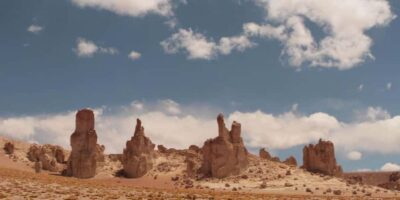
Piedras Rojas, Altiplanics Lagoons & Salar Full-Day Tour
Read our review →
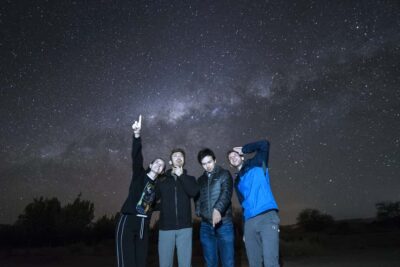
The Roofless Experience San Pedro de Atacama Stargazing Tour
Read our review →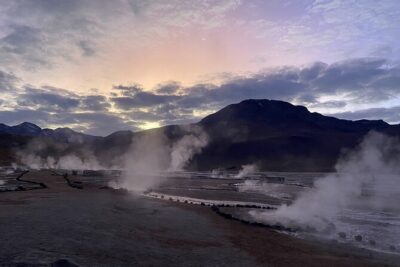
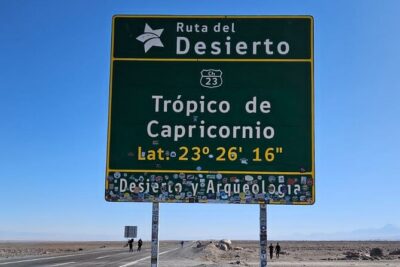
Full Day Tour to Piedras Rojas, Altiplanic Lagoons and Chaxa
Read our review →Browse the lists this tour appears in