
Reviewed · SAN PEDRO DE ATACAMA TOURS
4 Day Tourist Package to San Pedro de Atacama
San Pedro de Atacama is the kind of place that changes your expectations of what desert travel can feel like. This 3-day circuit mixes dramatic geology, high-altitude mornings, and hands-on stargazing, all organized around a small group pace.
I really like two things about it. First, the route covers the big icons without feeling rushed, you go from the lunar dunes to the Salar de Atacama, then to Geyser del Tatio at 4,320 meters. Second, the guides bring the story alive, including Atacameño perspectives like the legend connected to the Tres Marías, plus clear astronomy explanations in the night sky. One consideration: several stops list admission tickets as not included, so you should budget a bit extra on top of the $380 per person.
Key highlights worth planning for
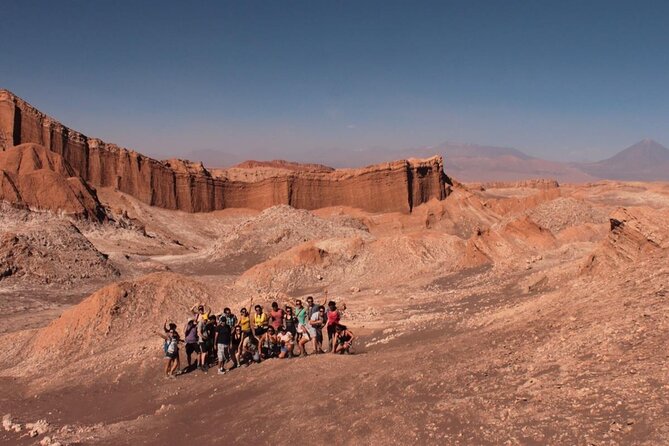
- Valle de la Luna walk with views over the Salt Range, Domeyko Range, the Andes, the Salar de Atacama, and even the ALMA Observatory
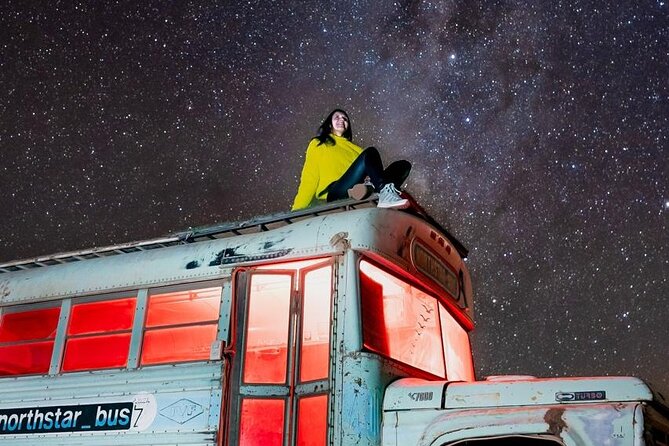
- Stargazing with telescopes plus an expert talk on constellations, planets, satellites, and how Atacameño culture used the sky
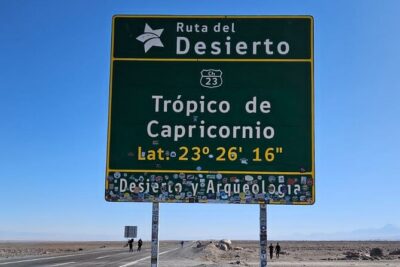
- Full Salar de Atacama day linking Toconao, Chaxa Lagoon, the Tropic of Capricorn, and the highland lagoons of Miñiques and Miscanti
- Geyser del Tatio pre-dawn experience with a quiet walk among active geysers, then hot drinks and a hearty breakfast
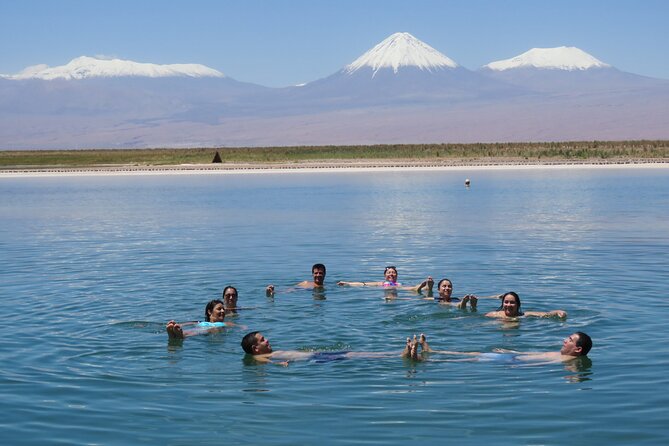
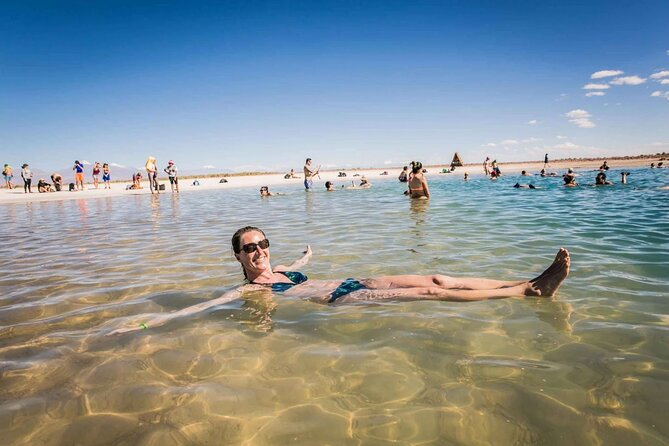
- Cejar Lagoon salt-water floating where the high salinity gives that Dead Sea style buoyancy
- Small group size (max 15) that tends to make the guides’ attention feel personal, especially during photo stops
First impressions: what this small-group circuit really gives you
This is a focused tour built around maximum time outside and minimum waiting around. You start at Sileia Tours, Domingo Atienza 441, and the tour returns there at the end of the itinerary. With a maximum of 15 travelers, you are not packed into a giant swarm, which matters when you are standing in cold air at Geyser del Tatio or trying to hear constellation names during stargazing.
The day flow also makes sense. Daytime is for walking and viewpoints. Late hours are for the sky. Then you climb to one of the highest geyser fields and you do it early, when the steam and cold air are at their most dramatic.
A few more San Pedro de Atacama departures to weigh up
- San Pedro de Atacama: El Tatio Geysers Tour
★ 4.7 · 943 reviews - Tour to the Hidden Lagoons of Baltinache
★ 5.0 · 694 reviews - San Pedro de Atacama: Etno-Stargazing Tour with Transfer
★ 4.8 · 629 reviews
Your mornings start at 7:00 am, and that changes everything
A 7:00 am start is not a minor detail in the Atacama. Early departures help you hit the most photogenic conditions and avoid the day’s stronger heat on flatter stops. It also means you should plan your energy for the long day structure: you will often be out for several hours, and you are dealing with desert sun and desert cold depending on the hour.
Fitness wise, the tour asks for moderate physical fitness. That is a polite way of saying you will walk on uneven desert ground, descend and climb in sand and viewpoints, and handle an early start at elevation. If you get winded easily, go slow, take short breaks, and keep water in reach.
Day 1 in San Pedro de Atacama: Valle de la Luna, Victoria Mine, Death Valley, then telescopes
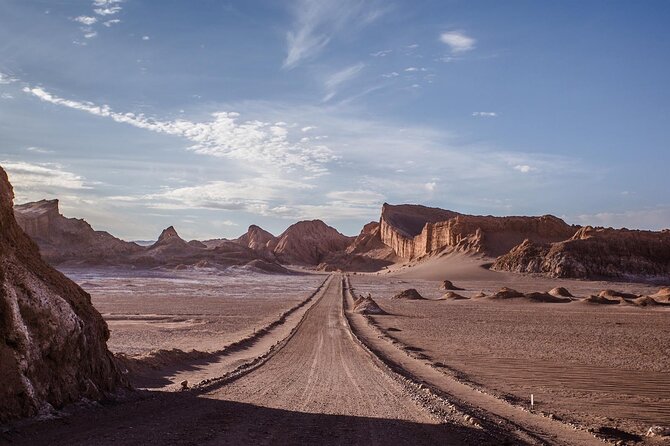
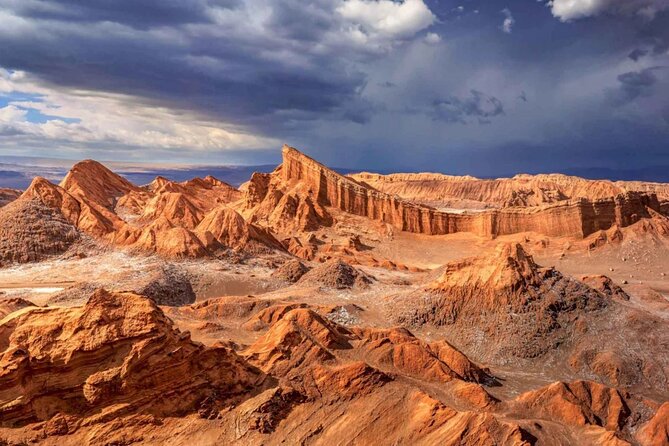
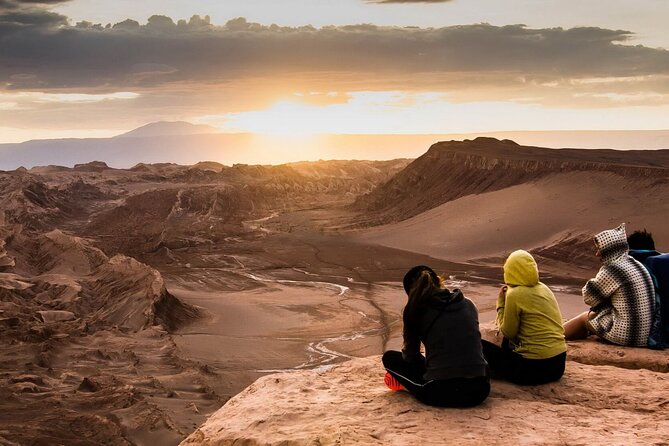
Day 1 is where you get the desert’s visual grammar. You begin with a walk along the Great Dune, also called Dune Major. From the top, you look across layers of the region’s geology, with views stretching to the Salt Range, the Domeyko Range, the Andes and its volcanoes, the Salar de Atacama, and the ALMA Observatory.
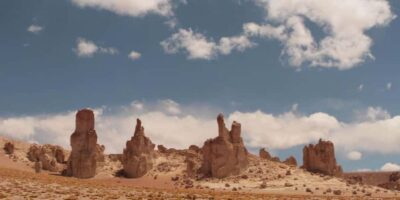
Then you descend to the iconic Tres Marías. This is not just a “look at rock shapes” moment. The guide shares the original Atacameño story tied to how the Licanantay (Atacameños) understood these natural sculptures as Los Vigilantes. That cultural framing is one of the best ways to appreciate the shapes, because you stop seeing them as random formations and start reading them like something lived-in.
Next comes Victoria Mine. You get to learn about recent salt exploitation for large-scale mining and see remaining signs of that industry. It adds a human timeline to the scenery, and it helps you understand why the Salar area has always mattered.
Finally, you end in Death Valley, with a special table set up so you can rest, eat, and toast to the experience. It is a small detail, but I like it because it turns an outdoor day into a more complete one, not just a sequence of stops.
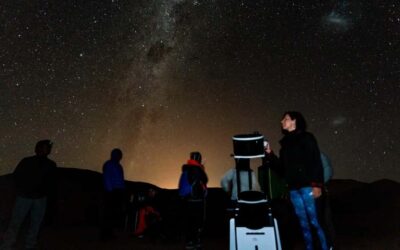
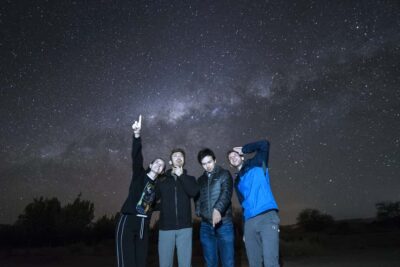
Then Day 1 shifts gears into the night: Astronomic stargazing right in San Pedro de Atacama. The astronomy admission is listed as free, and you have an expert guide who talks constellations, galaxies, planets, stars, and satellites. The Atacama Desert’s reputation is well-earned here because the sky is sharp and dark, and the telescopes bring targets closer, like Saturn’s rings, lunar craters, and nebulae that are otherwise hard to spot with the naked eye.
If you enjoy learning while looking, this section is the payoff. And if you just want to look up and be quiet, it still works, because the guides are there to help you understand what you are seeing without turning it into a lecture.
A small watch-out for Day 1
Admission ticket coverage is not listed as included for Valle de la Luna. So while the stargazing admission is free, you should expect some extra entry costs depending on how the day’s tickets are handled.
The other half of a San Pedro de Atacama week:
- Piedras Rojas, Altiplanics Lagoons & Salar Full-Day Tour
★ 4.7 · 592 reviews - The Roofless Experience San Pedro de Atacama Stargazing Tour
★ 5.0 · 522 reviews - Half Day Tour to Geysers del Tatio
★ 5.0 · 499 reviews - San Pedro de Atacama: Stargazing Experience
★ 4.7 · 489 reviews
Day 2: the Salar de Atacama adventure, Toconao, Chaxa Lagoon, and the highland lagoons
Day 2 is built for variety, which is why it feels like a full day instead of a half-day drive-by. You start with the village of Toconao, then continue through Chaxa Lagoon and the Tropic of Capricorn. From there you head into the highlands to Miñiques and Miscanti, plus the Salar de Aguas Calientes Sur, known for its Red Stones, before ending around Socaire.
This day is about more than “pretty salt.” It’s about ecosystem changes as you move across elevations and terrain. You might see flamingos, guanacos, vicuñas, and different birds. The tour also lists the possibility of donkey sightings, tagua hornuda, and, if luck is on your side, viscachas, foxes, and suri.
The animals are only part of the appeal. I like the way this route creates contrast: pale salt surfaces, reddish mineral tones, and the higher lagoons that feel like they belong to another part of the world. Even if you have seen photos before, being there changes the scale and colors.
Who Day 2 suits best
This is a great fit if you enjoy long sight drives tied to short walks and if you want a “Salar plus villages plus wildlife” day in one package. If you want lots of downtime, this is less ideal, because you are moving between multiple named stops and taking in long viewpoints.
Day 3 at 4,320 meters: Geyser del Tatio before dawn, then Cejar Lagoon floating
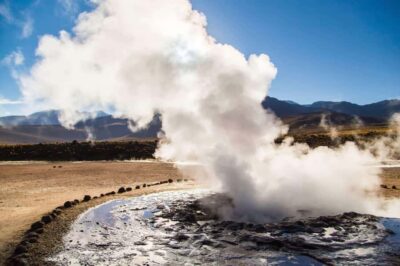
Day 3 starts early, with the trip to Geyser del Tatio. This is one of the most striking early-morning experiences in Chile. You arrive at one of the world’s most important geyser fields at about 4,320 meters, where water and steam create dramatic plumes of heat rising into cold air.
You will walk around active geysers and springs before things get too busy. The tour plan includes a quiet walk to warm up and deal with the morning cold. Then you sit down in the heights area for a hot drink and a hearty breakfast after experiencing the geysers up close.
The key thing here is timing. Cold air and steam look different at dawn, and the morning energy is part of the magic. If you show up expecting a normal “tour stop,” you might miss why it feels special. It’s not just the geysers. It’s you, at altitude, in a world that smells like hot rock and looks like smoke drawings.
Afternoon at Cejar Lagoon: salt that makes you float
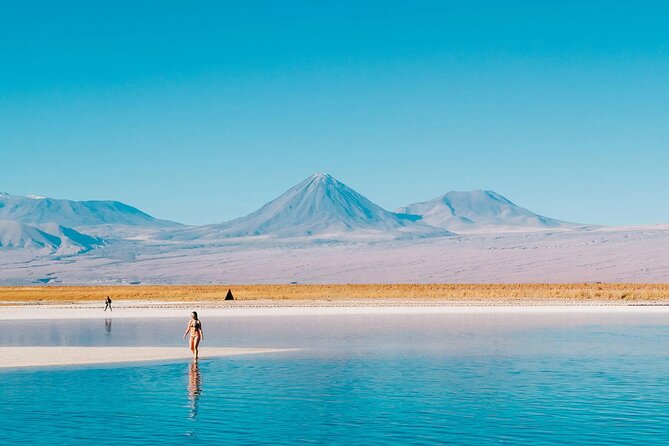
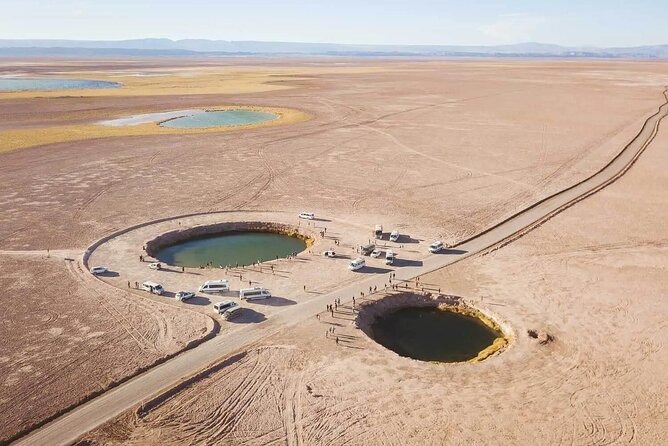
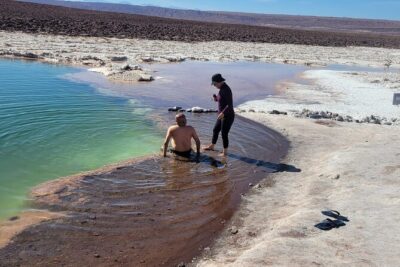
After Tatio, you shift to the Salar de Atacama water experience at Laguna Cejar. This includes a stop at the Eyes of the Salt Flat and Lagoon Tebenquinche. Then you get to Cejar Lagoon for a swim where you float due to the high salt concentration, described as buoyancy similar to the Dead Sea.
The tour plan also includes a salt-bath style experience where saltwater helps your body float and feel relaxed, paired with the big sky views and the surrounding volcanic belt.
Admission for Cejar is listed as not included, so again, plan a little extra for tickets.
A practical heads-up
At 4,320 meters, cold can be serious, especially at dawn. Wear layers you can remove in the day and put back on when the temperature drops. If you are sensitive to altitude, go slowly at the start and sip water whenever you get a chance.
Guides, vibes, and the kind of service that matters in the desert
One reason this tour earns a strong reputation is the human side. In the feedback, names like Josy, Ariel, Limon, Adrian, Pablo, Beto, and Jonathan come up alongside descriptions of good organization, friendly help, and guides who explain things in a way that makes the places easier to enjoy.
That shows up in the details: good drivers who get you safely between dispersed sites, guides who take time during walks, and meals that are treated like part of the experience instead of an afterthought. For example, the Tatio morning includes hot drinks and a hearty breakfast, and the desert days include prepared food moments that help you keep going.
If your travel style is “I want to learn something and I want it to feel easy,” this kind of service helps a lot. It also matters for photos. Several comments mention guides being good at planning and helping with pictures, which is not trivial in a place where angles and timing make all the difference.
Price and value: what $380 per person covers, and what might cost extra
The listed price is $380.00 per person, and the duration is about 3 days. That price point can feel high or reasonable depending on what you expect to pay for admissions and meals.
Here is what the day structure suggests you are paying for:
- Transportation between widely spread sights
- Expert guiding at multiple stops
- Telescopes and guided interpretation during stargazing
- Food elements during the outing (breakfast at Tatio is clearly included, and other prepared meals are mentioned in feedback)
- A small group limit (max 15), which usually improves the quality of the attention you get
What is not included for parts of the itinerary is explicit in the tour description: admission tickets are not included for Valle de la Luna, Piedras Rojas, Geyser del Tatio, and Cejar Lagoon. The astronomy admission is listed as free. So your final cost in real life may land a bit higher once you add any tickets that are excluded.
My practical advice: treat $380 as the base, then budget some additional amount for admissions on the non-free stops. That way you do not end up surprised midway through the trip.
Booking timing: plan ahead for the Atacama’s busy season
This tour is typically booked about 13 days in advance. That does not mean you must book two weeks out, but it does mean you should not wait until the last moment if you are traveling in peak periods. Small group limits also make availability matter more.
Is this the right fit for you?
Book this circuit if you want:
- A structured 3-day outline that hits major Atacama highlights without making you coordinate details
- Stargazing with telescopes as part of the itinerary, not a random add-on
- Early-morning adventure like Geyser del Tatio, plus a fun salt-water float at Cejar
- A guide-led experience where storytelling and practical explanations are part of the point
Consider a different option if you:
- Need long downtime between stops
- Struggle with early departures and cold mornings at high elevation
- Want every admission included in the base price, since several stops list tickets as not included
FAQ
Where is the meeting point for this tour?
The tour starts at Sileia Tours, Domingo Atienza 441, 1410000 San Pedro de Atacama, Antofagasta, Chile.
What time does the tour start?
Start time is listed as 7:00 am.
How long is the tour?
The duration is listed as 3 days (approx.).
How much does it cost?
The price is $380.00 per person.
Is stargazing included, and is there an admission ticket?
The astronomic stargazing section is listed with admission ticket free.
Are admission tickets included for the other stops?
Admission tickets are listed as not included for Valle de la Luna, Piedras Rojas, Geyser del Tatio, and Laguna Cejar.
What fitness level is required?
Travelers should have a moderate physical fitness level.
How many people are in the group?
The tour has a maximum of 15 travelers.
How far in advance is the tour usually booked?
On average, it is booked 13 days in advance.
What is the cancellation policy?
Free cancellation is available. You can cancel up to 24 hours in advance for a full refund.
Freshly reviewed in San Pedro de Atacama
- Route of the Andean salt flats★ 5.0 · 3 reviews
- Purilibre Trekking: Disconnection and Nature★ 5.0 · 3 reviews
- From San Pedro de Atacama: Tatio Geysers and Machuca Tour★ 4.0 · 3 reviews
- Valle de la Luna: A Moon-Like Escape in Atacama★ 5.0 · 3 reviews
- Rainbow Valley Tour, Yerbas Buenas Petroglyphs – Half Day Tour★ 3.5 · 3 reviews
- From San Pedro de Atacama: The Salt Flats Route, Full Day★ 3.7 · 3 reviews
- From San pedro de Atacama / Tatio Geyser★ 1.7 · 3 reviews
- Piedras Rojas, Altiplanics Lagoons & Salar Full Day Tour★ 4.4 · 3 reviews
San Pedro de Atacama Tours, compared.
Piedras Rojas, Altiplanics Lagoons & Salar Full-Day Tour
Read our review →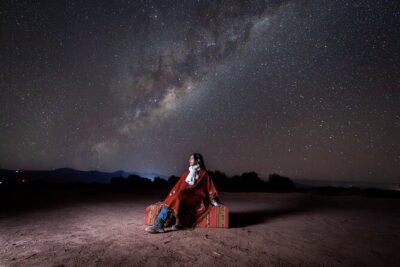
The Roofless Experience San Pedro de Atacama Stargazing Tour
Read our review →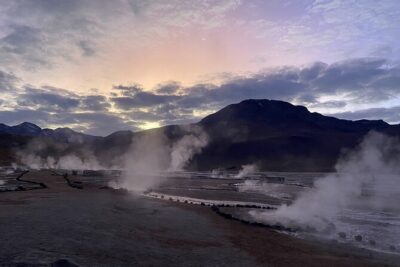
Full Day Tour to Piedras Rojas, Altiplanic Lagoons and Chaxa
Read our review →Browse the lists this tour appears in